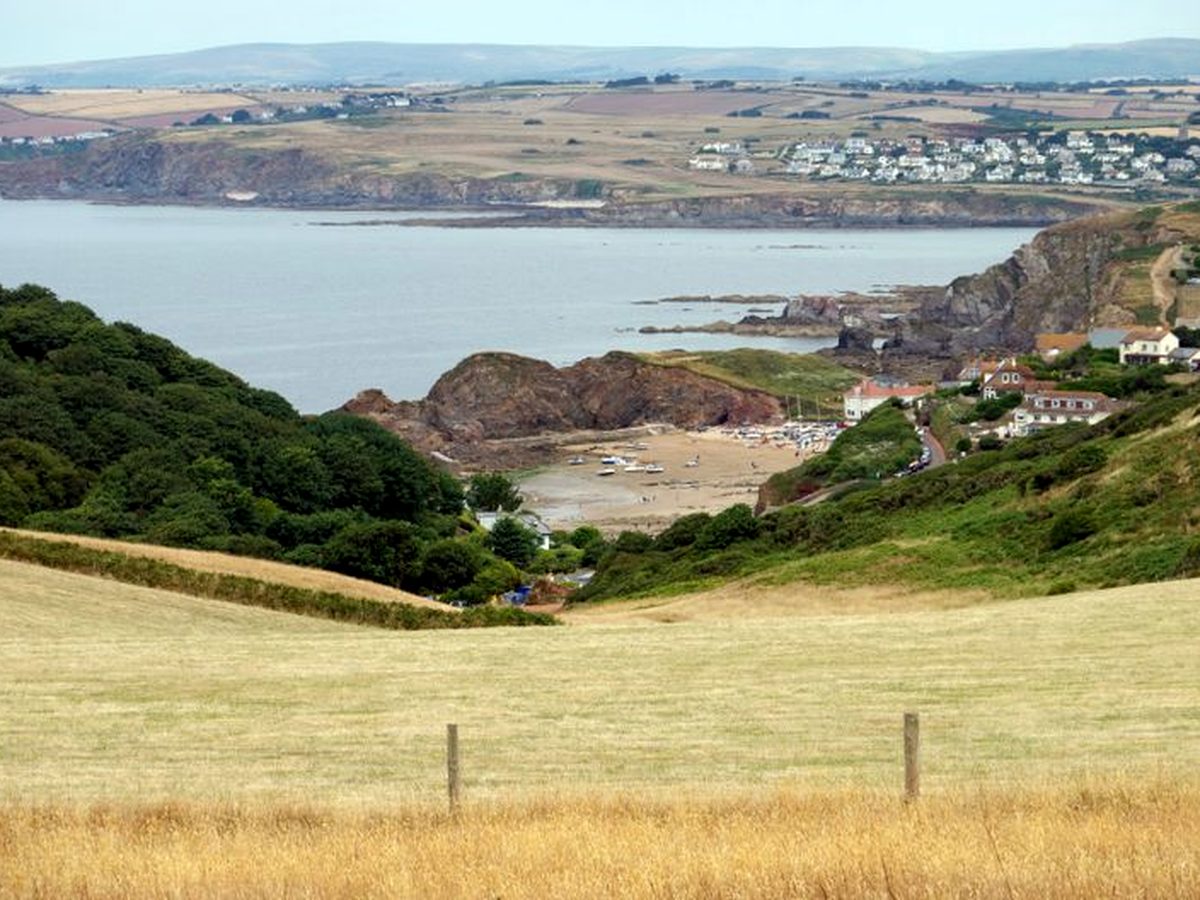
Cornwall with little ones
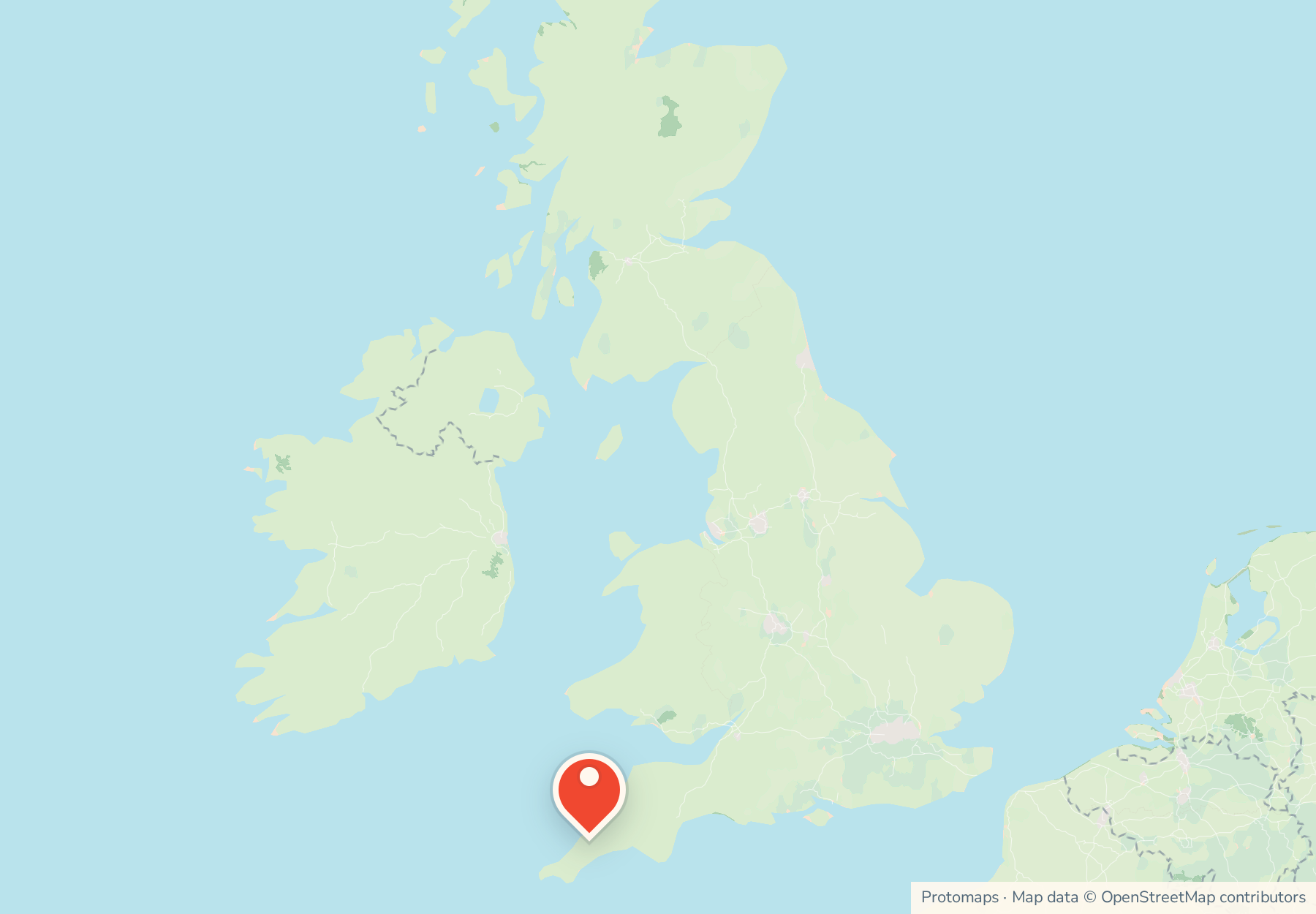
Cornwall is long, thin and a fair way south-west, and the drive needs thinking about: the A30 down the spine backs up in summer, so base near your beaches rather than near the county border. Once you are there, you get some of the best sand in Britain, a sheltered south coast, a surf-and-attractions north, the Eden Project for a wet day, and the warmest sea on the English mainland.
On this page
A family verdict at a glance
The quick read before the detail: who Cornwall suits, the season to aim for and what to nail down before you book.
Best for
A proper British beach holiday, with wide pale-sand beaches, a sheltered coast for the youngest and the Eden Project for the rain.
Maybe not for
Anyone who wants a short drive or guaranteed heat. It is the far end of the country, and the drive is long.
Best ages
Toddlers and preschoolers, happiest on the sand and at the farm-and-steam-railway days. Babies do best on the sheltered south coast.
Best areas
The south coast for calm water, the north for surf and attractions, the far west for scenery if you will drive and carry.
Why families pick it
Wide pale-sand beaches where a toddler will happily dig all day, rock pools you can explore at low tide, and good wet-weather cover.
Check before you book
How far your base is from the beaches you want, the tide times, the parking, and the Saturday traffic on the A30.
How far it is, and where to base
Cornwall runs about 75 miles (120 km) from the Devon border to Land’s End and is rarely more than 15 miles (24 km) wide, and after the M5 it is the A30 the rest of the way, dual carriageway as far as Camborne now, with only the far-west stretch still single. The drive from London is comfortably four and a half to five hours in good conditions, so leaving early or travelling midweek is worth it.
Base near the beaches and days out you actually want, not near the county border to shave half an hour off the drive in. A cottage near Falmouth on the south coast with a plan to pop to Padstow on the north is a ninety-minute round trip that eats most of the day.
A quick gut checkIs Cornwall right for your family?
Worth comparing if
You want a really good British beach holiday and the long journey is a fair trade for the sand, the coves and the Eden Project.
Weigh it up if
A five-hour-plus drive with a toddler fills you with dread, you need warm sea, or somewhere closer like Devon would do the same job.
To sort out before booking
A base close to the beaches you want, the tide times for your beach days, the parking plan, and enough of any medicine your child takes.
The numbers, the basics and the ages
Everything you'd want to skim first: the quick facts, the everyday practicalities and how Cornwall changes as children grow.
Quick facts for UK families
The basics for a Cornwall trip
- Cornwall is the south-west tip of England, beyond Devon, with the Isles of Scilly 28 miles (45 km) off Land’s End.
- It’s long and thin, so the base you choose decides your daily drives.
- The tidal range is large, so a beach can change shape hour to hour, and a few coves cut off at high water.
- Towns have the big supermarkets, but the far west, the Lizard and the Roseland are thin on shops, covered in the supplies section below.
- The Atlantic sea is the warmest on England’s mainland but still cold, so a wetsuit helps from late spring.
- Most resort attractions and beach cafes run from around Easter to the end of October, then much of the coast goes quiet.
Cornwall by age and stage
Babies
The sheltered south coast, a base near a flat beach, and a cottage checked for stairs and a cot. The long drive is the main hurdle this young.
Toddlers
Sand to dig, rock pools at low tide, a miniature steam railway and crabbing off a harbour wall. Short days, one outing at a time.
Preschoolers
The right age for Lappa Valley, the zoo, the Eden biomes, the Camel Trail in a bike trailer and a first proper rock-pool hunt.
Young children
Bigger beach days, first surf lessons in the shallows, the gardens at Heligan and a trip to Tintagel’s cliffs comes into range.
Where to base yourselves
The coasts and bases side by side, an orientation map and which beaches work with little ones.
Where to stay with young children
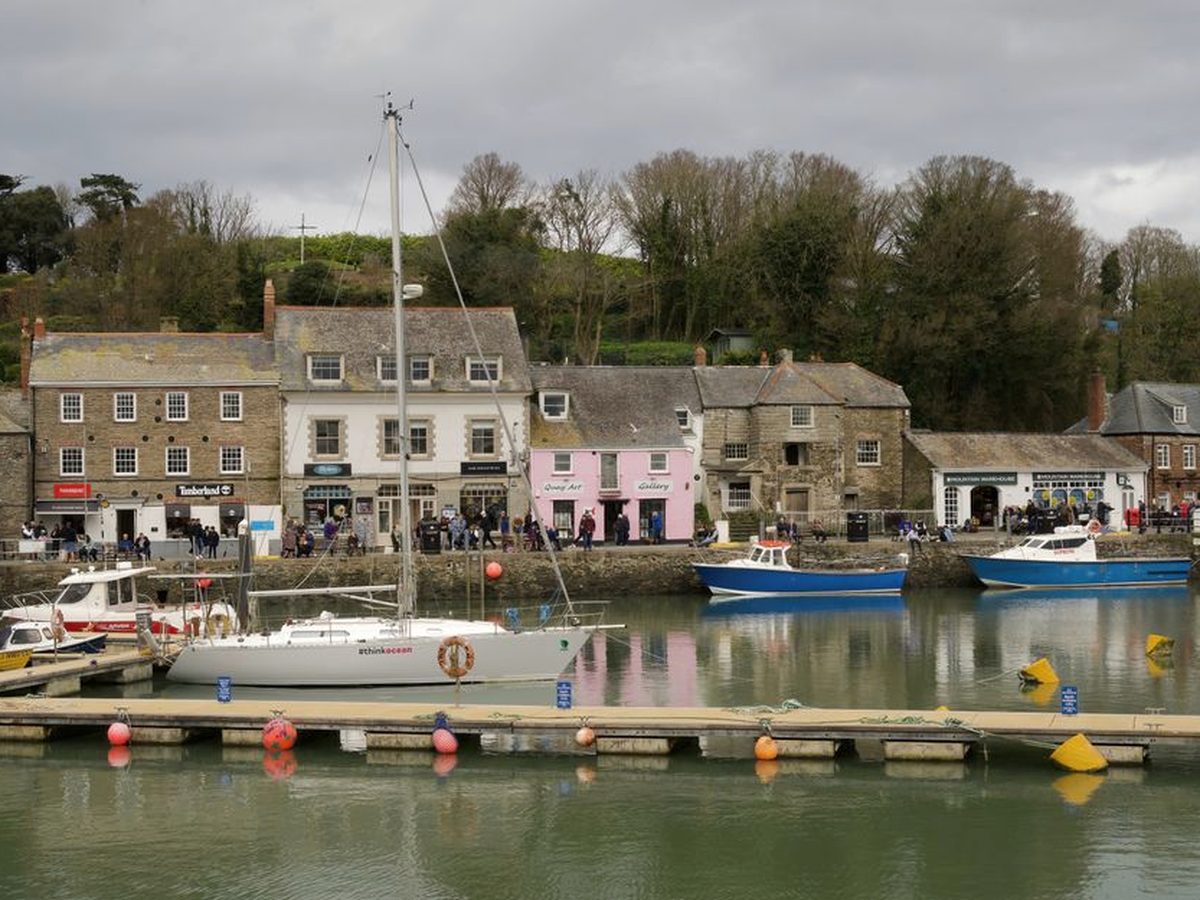
The north coast is the busy, developed side, with the surf beaches and by far the most to do on a wet day: the Eden Project within reach, Lappa Valley, the zoo, the aquarium and a row of big holiday parks. Newquay is the practical hub, not pretty but well stocked, with sheltered beaches like Porth that suit toddlers better than the famous surf at Fistral. Padstow has the Camel Trail and harbour crabbing, and Mawgan Porth and Bude are the quieter family picks, the latter with a free tidal sea pool that suits a toddler.
The south coast is more sheltered, with less surf. Falmouth works well as a family base: a working town with four sheltered sandy beaches walkable from the centre, the National Maritime Museum, a branch-line train and shops and pubs used by residents. The Roseland and the Fowey area are quieter still, with calm coves like Polkerris and the long shallow sand at Par. The water is calmer and the pace slower, with fewer big attractions nearby.
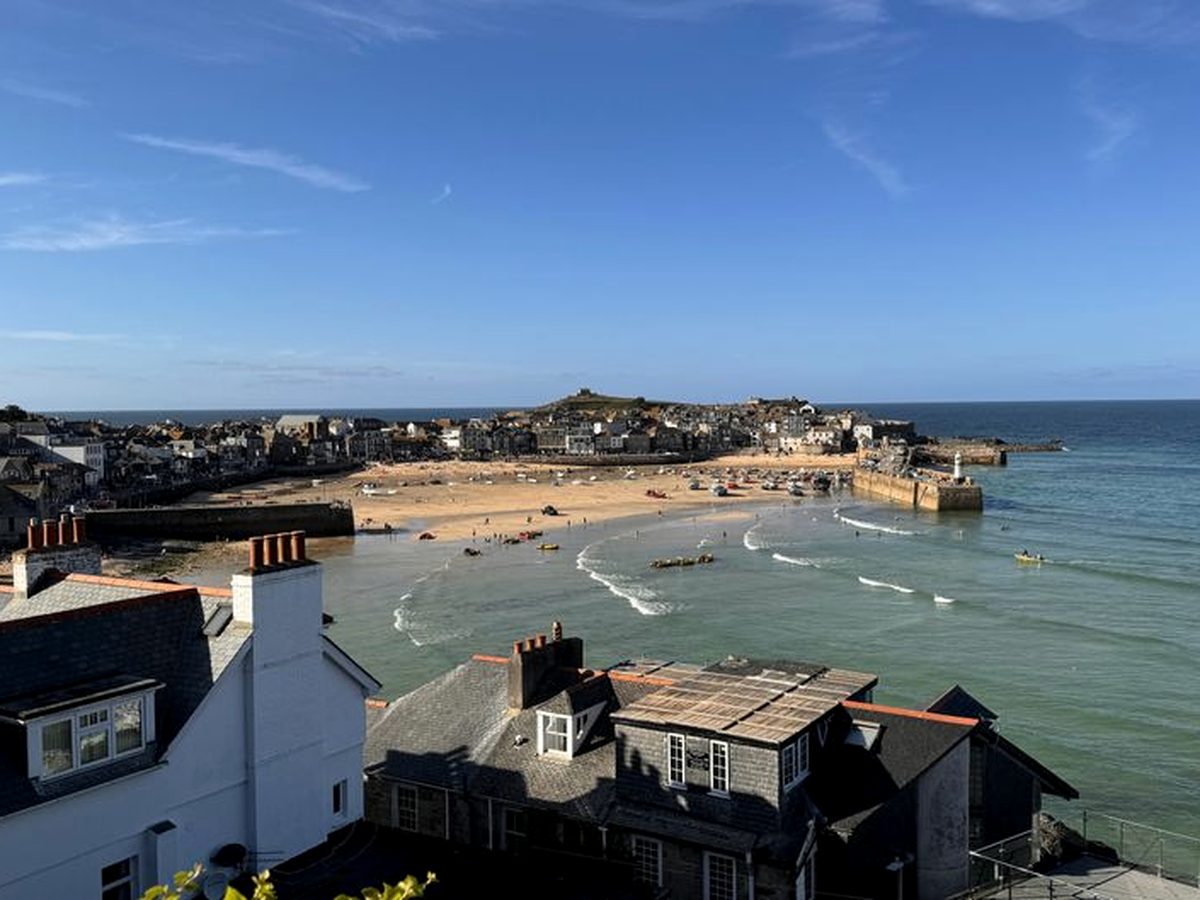
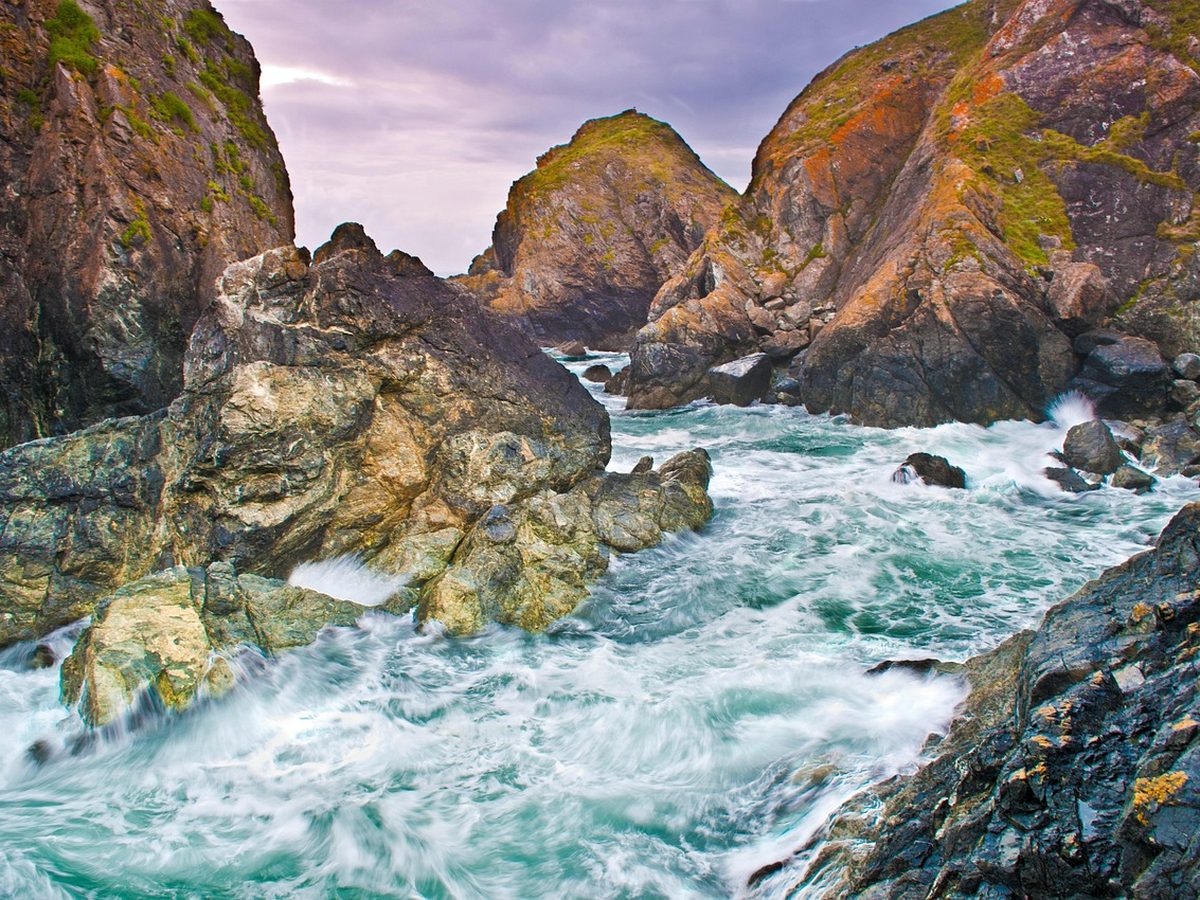
The far west, around St Ives, Penzance and Marazion, has the biggest cliffs and the longest drive in. St Ives is a small seaside town with sheltered beaches like Porthminster, but its streets are steep, narrow and cobbled, so a city pushchair is hard work there. It is the furthest to a hospital and the narrowest lanes, worth it for the right family with a carrier and a car. Offshore, the car-free Isles of Scilly are a calm few-night trip in their own right, reached by boat or a short flight, expensive and weather-dependent.
| Area | The water | The feel | Good for |
|---|---|---|---|
| North coast | Atlantic surf, with sheltered exceptions | Newquay, Padstow, Mawgan Porth and Bude: surf beaches, holiday parks and the most attractions, from Eden to the zoo. Busier and more developed. The toddler beaches are the sheltered ones (Daymer, Harlyn, Mawgan Porth). | Attractions, holiday parks and surf |
| South coast | Sheltered, calmer sand | Falmouth, the Roseland, Looe and Fowey: gentler seas, warmer estuaries, subtropical gardens and the Maritime Museum, with shops and pubs used by residents and fewer big attractions. | Calm water and a slower pace |
| Far west | Cliff-lined, with sheltered town coves | St Ives, Penzance and Marazion: the biggest cliffs and the longest drive, with steep cobbled St Ives, the causeway to St Michael’s Mount, and the furthest to a hospital. | Scenery, with a car and a carrier |
| Isles of Scilly | Turquoise, tiny, car-free | A boat or short flight off Land’s End: car-free islands with calm water, best for a few nights, expensive and weather-dependent. | A calm, car-free few nights |
Map of the main family areas
An orientation map of the coasts and bases above, the gateway at Truro and the bigger days out. The numbers match the key beneath.
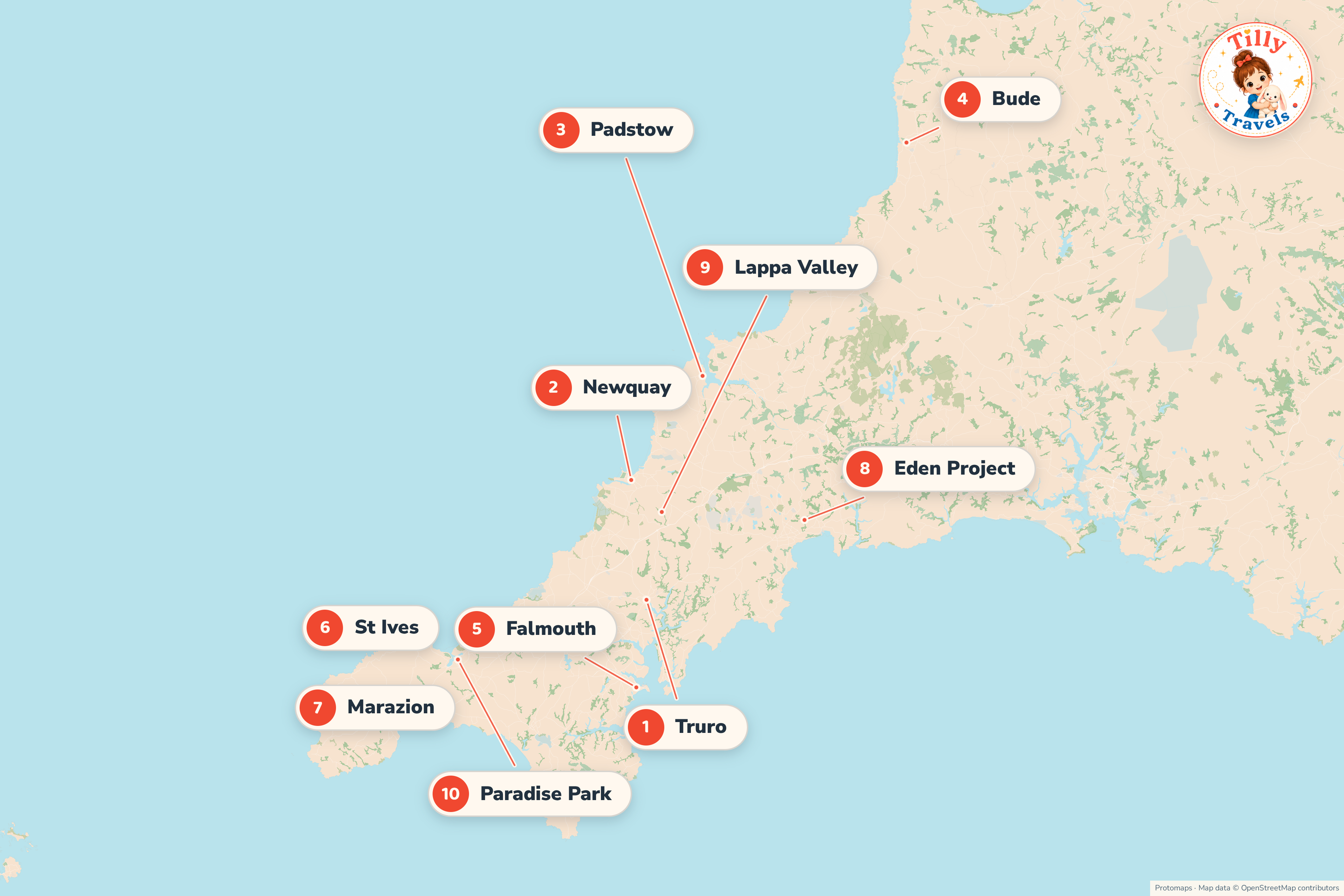
- 1Truro Gateway, rail and main hospital
- 2Newquay North-coast hub, surf and zoo
- 3Padstow Harbour and the Camel Trail
- 4Bude North coast, free sea pool
- 5Falmouth Sheltered south-coast base
- 6St Ives Far-west town and beaches
- 7Marazion St Michael’s Mount
- 8Eden Project The wet-day biomes
- 9Lappa Valley Steam railway and play
- 10Paradise Park Wildlife park near Hayle
Beaches that work with little ones
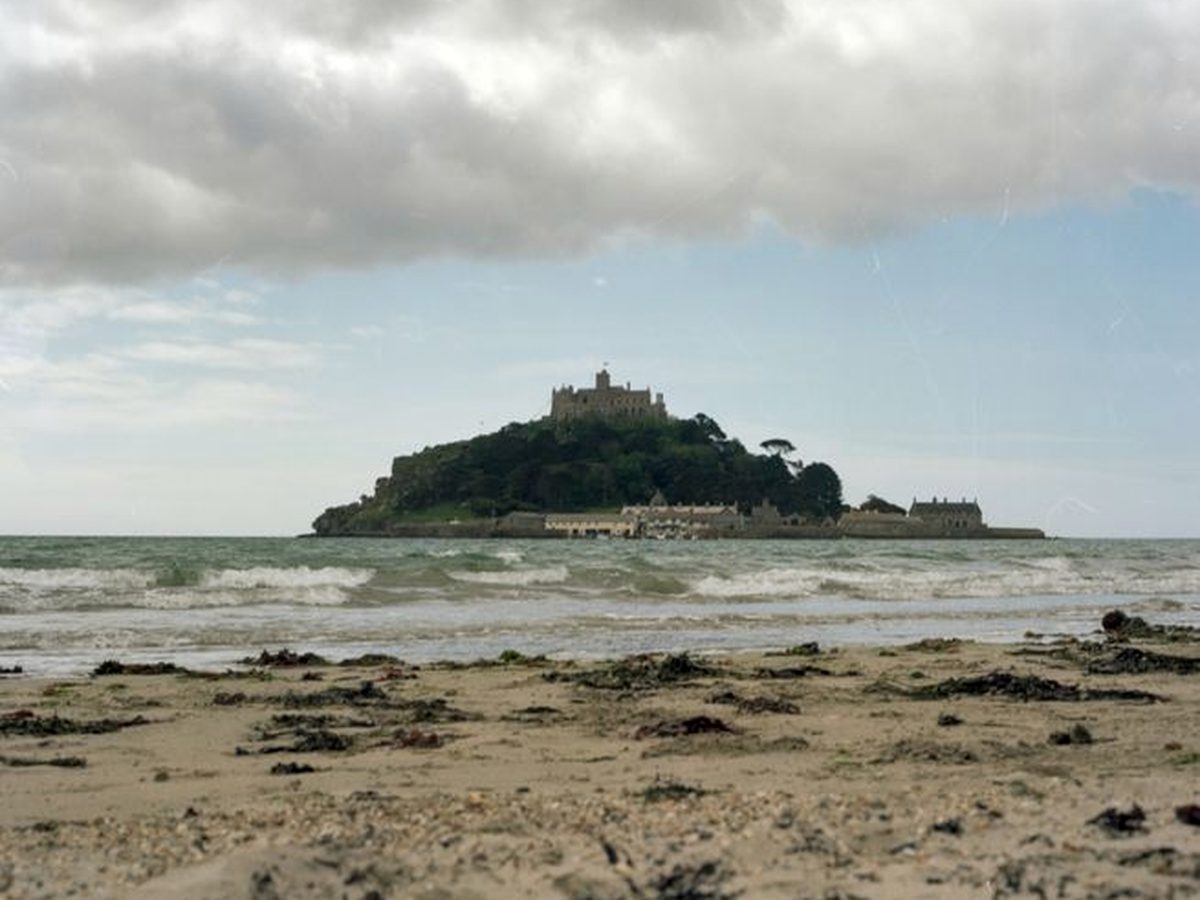
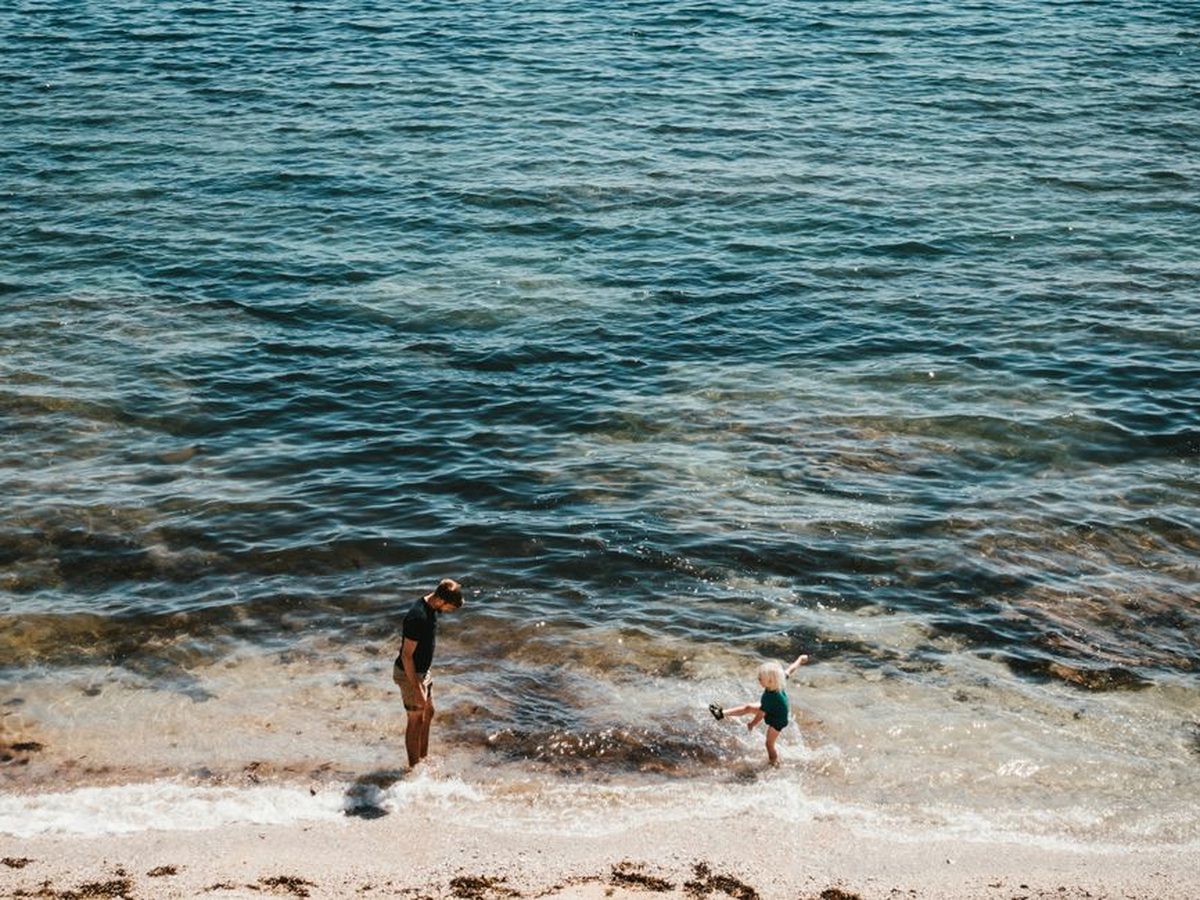
Cornwall’s beaches split by coast, and with a toddler you want the sheltered exceptions rather than the famous surf. On the north coast Daymer Bay sits inside the Camel estuary, shallow and calm, and Harlyn and Mawgan Porth are crescents protected enough for paddling; Bude has its free tidal sea pool for swimming whatever the surf is doing. On the south, Gyllyngvase at Falmouth has flat access and a cafe, Par Sands shelves gently for a long way out, and Polkerris hides behind an old harbour wall. In the far west, Porthminster and Carbis Bay are sheltered town beaches, and Marazion below St Michael’s Mount is so shallow you can wade out a long way and stay ankle deep.
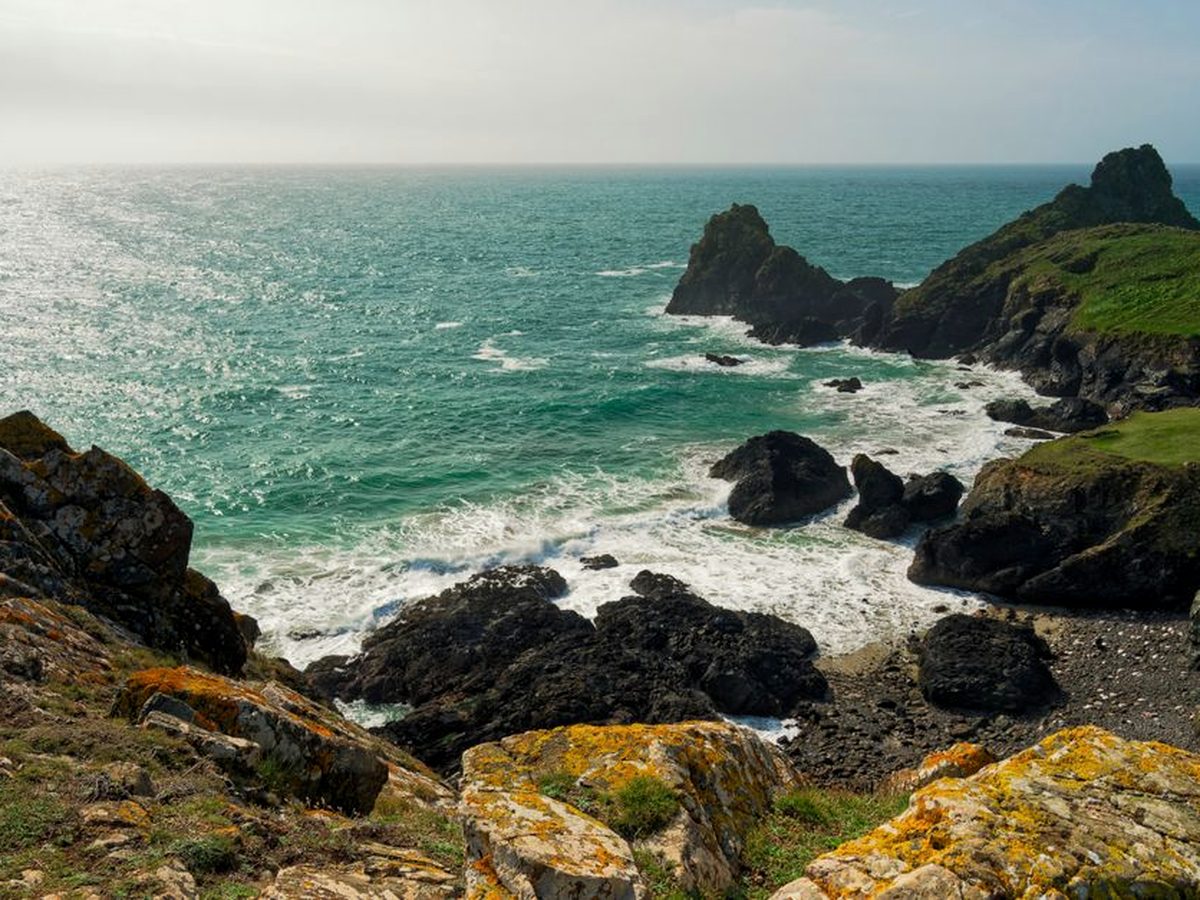
Fistral and Crantock near Newquay have strong, documented rip currents and are not for free paddling, and coves like Kynance and the closed steps at Bedruthan are fine to look at but not for it. Two rules cover the county: swim between the red and yellow flags where the RNLI patrols, through the season only, and check the tide before any cove tucked under cliffs, because several cut off completely at high water. At low tide the rock pools and the sand that was sea a few hours earlier are the draw for small children. The sea is cold even in August, so a shortie wetsuit lets them stay in longer.
Weather, wet days and days out
When to go, the rainy-day plan, the days out that suit small children, eating out and where to stock up.
Weather, May to October
The figures below are long-term Met Office averages for Camborne rather than a forecast. Cornwall’s rainfall is close to the national average overall, but it is spread through the year with no dry season, and the maritime pattern means showers tend to blow through between sunny spells rather than settling in for a week. The south coast runs a little drier and sunnier than the north.
| Month | Daytime high | Overnight low | Rain | Wet days | Sea temp |
|---|---|---|---|---|---|
| January | 9° | 4.5° | 106 mm | 16 | 10° |
| February | 9.5° | 4.5° | 89 mm | 14 | 9° |
| March | 10.5° | 5.5° | 68 mm | 13 | 9° |
| April | 12° | 6.5° | 68 mm | 12 | 10° |
| May | 15° | 9° | 70 mm | 11 | 12° |
| June | 17.5° | 11.5° | 60 mm | 10 | 15° |
| July | 19° | 13.5° | 65 mm | 11 | 17° |
| August | 19.5° | 14° | 68 mm | 11 | 17° |
| September | 17.5° | 12° | 70 mm | 11 | 16° |
| October | 14.5° | 10° | 111 mm | 16 | 15° |
| November | 11.5° | 7.5° | 125 mm | 18 | 13° |
| December | 9.5° | 5° | 113 mm | 16 | 11° |
Typical monthly averages from weather-station records. Sea temperature is the open-water figure, so a sheltered bay can feel a degree or two warmer.
With young children the first week or two of September is the one to aim for, with the sea at its warmest after a full summer, the crowds gone once schools return, and the roads clear. Late May and June are the next best, drier and quieter than the school holidays. The sea peaks around 16 to 17 degrees, warm for England but cool by any other measure.
The rainy-day planWhen it rains
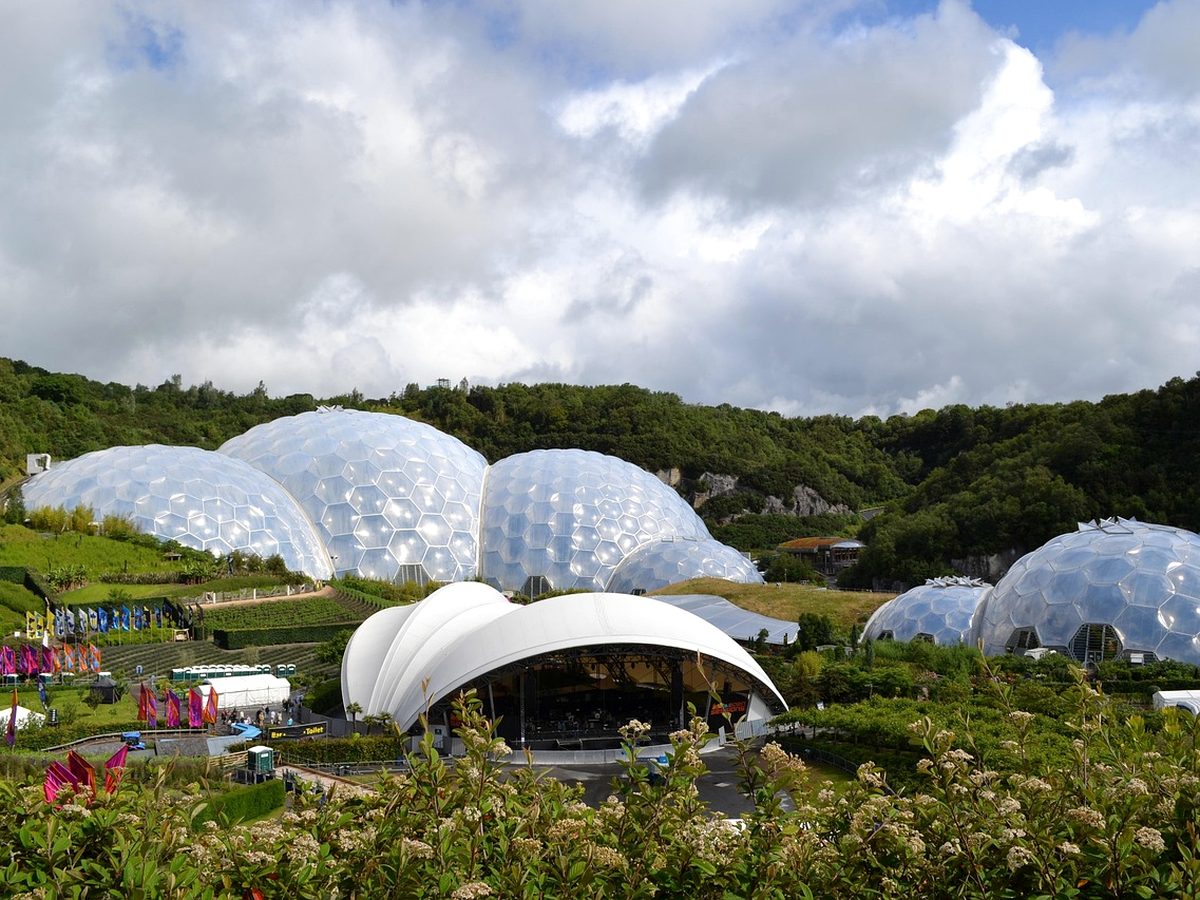
Most Cornwall weeks catch a wet day. The Eden Project near St Austell is the obvious one, where the rainforest biome is warm and dry whatever the sky is doing, with space for the youngest to play. Children go in free up to a limit per adult, so check the latest on the Eden site and book them a timed ticket. It is large and hilly, so a buggy with decent tyres or a carrier helps.
Beyond it the county is well covered. Newquay has the Blue Reef aquarium and an indoor pool, Falmouth the hands-on National Maritime Museum, and Lappa Valley near Newquay bundles a steam train, soft play, a maze and a boating lake on one pay-once site. Paradise Park near Hayle has a big indoor barn alongside its birds and farm animals, the National Lobster Hatchery at Padstow is a cheap three-quarters of an hour that small children like, and the National Trust houses at Lanhydrock and Trerice have children’s trails for a greyer afternoon.
Filling the daysThings to do with little ones
Lappa Valley near Newquay is the top day out for this age: a mile (1.6 km) of miniature steam railway through a wooded valley to a site with a second little railway, a boating lake, a maze, soft play and a toddler sensory area, all for one ticket. Newquay Zoo is small enough not to exhaust young children and sits beside an indoor pool for a combined day. Healeys Cyder Farm is free to enter, with tractor tours and animal feeding, and the Camel Trail from Padstow is a flat, traffic-free former railway you can ride with a child in a trailer or push a buggy along beside the estuary.
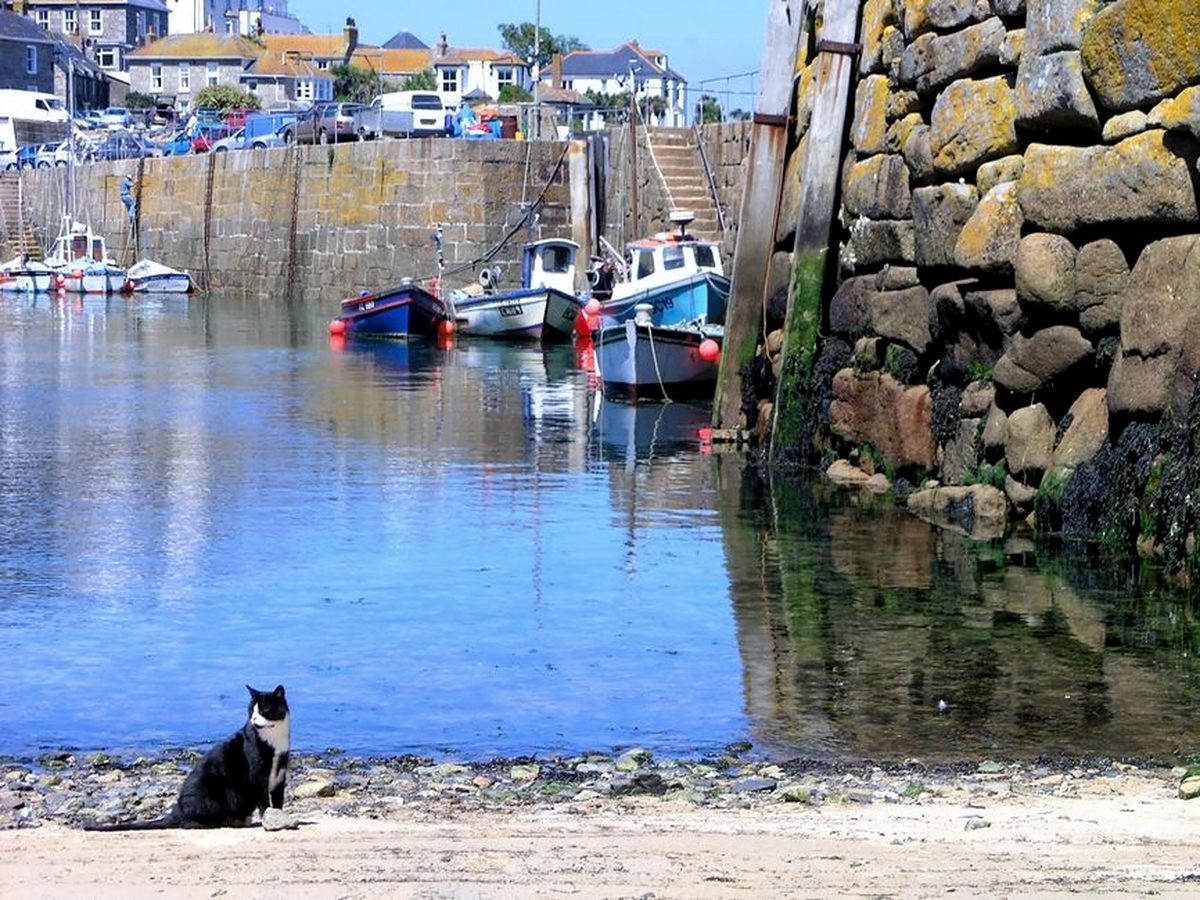
The free things often work as well as the paid ones at this age. Crabbing off the harbour wall at Padstow keeps a toddler absorbed for an hour with a line and a bucket, and the tide turns every beach into a rock-pool hunt at low water. St Michael’s Mount at Marazion is reached on foot across a cobbled causeway at low tide, which is the part small children tend to enjoy most; the castle steps are steep, so many families walk the causeway and the harbour village and leave the climb for another year. The Lost Gardens of Heligan near St Austell has a jungle with a rope bridge and one of the South West’s largest outdoor playgrounds, and the Eden Project works in fine weather too.
Eating out with children
Most families self-cater here, which takes the pressure off, and when you do eat out the pub-and-cafe scene is welcoming to children, with high chairs the norm in season, though booking ahead matters in the popular spots. A few pubs are built for it, like the Pandora Inn on a creek near Falmouth with a pontoon where children can crab while the adults eat.
The pasty is everywhere, from town bakeries to garage forecourts, and half of one cut small does a toddler nicely. Beach cafes are part of the appeal, with the one at Porthminster in St Ives worth a booking even with a small child. Out in the far west, the Roseland and the Lizard, cafes and rural pubs can shut by mid-afternoon and out of season, so a quick check before driving out saves a wasted trip.
Nappies, milk and the big shopSupplies and pharmacies
Shopping is straightforward in the main towns: Truro has the widest choice, and Newquay, Falmouth, Penzance, Bodmin and Wadebridge all have the big supermarkets and a Boots. Nappies, wipes, formula and baby food are easy to find in any of them.
The gaps are rural. The far western tip, the Lizard and the Roseland have no large supermarket within easy reach, so stock up before you leave a town, and on the Isles of Scilly supplies are limited and dearer, so take what you need with you.
Getting around, a real week and the admin
The drive and getting around, what a week actually looks like, the health and admin and a list to pack against.
Getting there and around
Most families drive, and the journey is the hard part: the M5 to Exeter, then the A30 down the county, dual carriageway to Camborne now but still queuing badly beyond Exeter on summer Saturdays, so an early start or a midweek changeover is worth it. You can also take the train, reaching Truro from London in around four hours with no road at the end, and the sleeper runs overnight from Paddington Sunday to Friday nights. For families in the North, flying into Newquay can turn a seven-hour drive into a short hop, though you will still want a car at the other end.
On the ground a car is near-essential, with rural lanes narrow between high hedges and parking at the popular beaches and harbour villages filling by mid-morning in August. The exceptions are the rail towns, and the St Ives park-and-ride train along the bay is easy with a buggy and the only sensible way into St Ives in summer. The Camel Trail is flat and surfaced for buggies and bikes.
Underfoot, Falmouth, Marazion and the holiday parks are flat and easy, but the old fishing villages are the hard work: St Ives, Polperro, Port Isaac and Mousehole are steep, narrow and cobbled, and St Michael’s Mount is cobbled throughout, so a carrier beats a pushchair in all of them. The coast path is rough and the cliff edges unfenced, so use a carrier and keep a close hold, not a buggy.
What a real week looks likeA realistic week with little ones
A long drive in, so keep it gentle: settle in, a first walk to the nearest beach, and pasties for tea rather than cooking.
Check the tide the night before, get to a sheltered beach before mid-morning for parking, and leave by mid-afternoon before they get overtired.
Lappa Valley, the zoo or the Eden Project, one a day, on a greyer morning when the beach is less of a draw.
Crabbing off the wall at Padstow, or ice cream and Porthminster beach at St Ives, as a three or four-hour outing.
A slow morning and a final paddle, with the drive home started early to miss the worst of the queues.
Most weeks settle into beach days with one paid or wet-weather outing slotted in at a time, and the harbour trips kept to half a day so the afternoon nap survives.
The practical adminHealth and admin
The Royal Cornwall Hospital at Truro has the county’s full A&E and is central enough to reach from most bases in half an hour to forty-five minutes; Penzance has an urgent treatment centre for the far west, and the Isles of Scilly have no A&E, so serious cases there are flown to the mainland. NHS 111 covers out-of-hours advice and there are pharmacies in all the main towns.
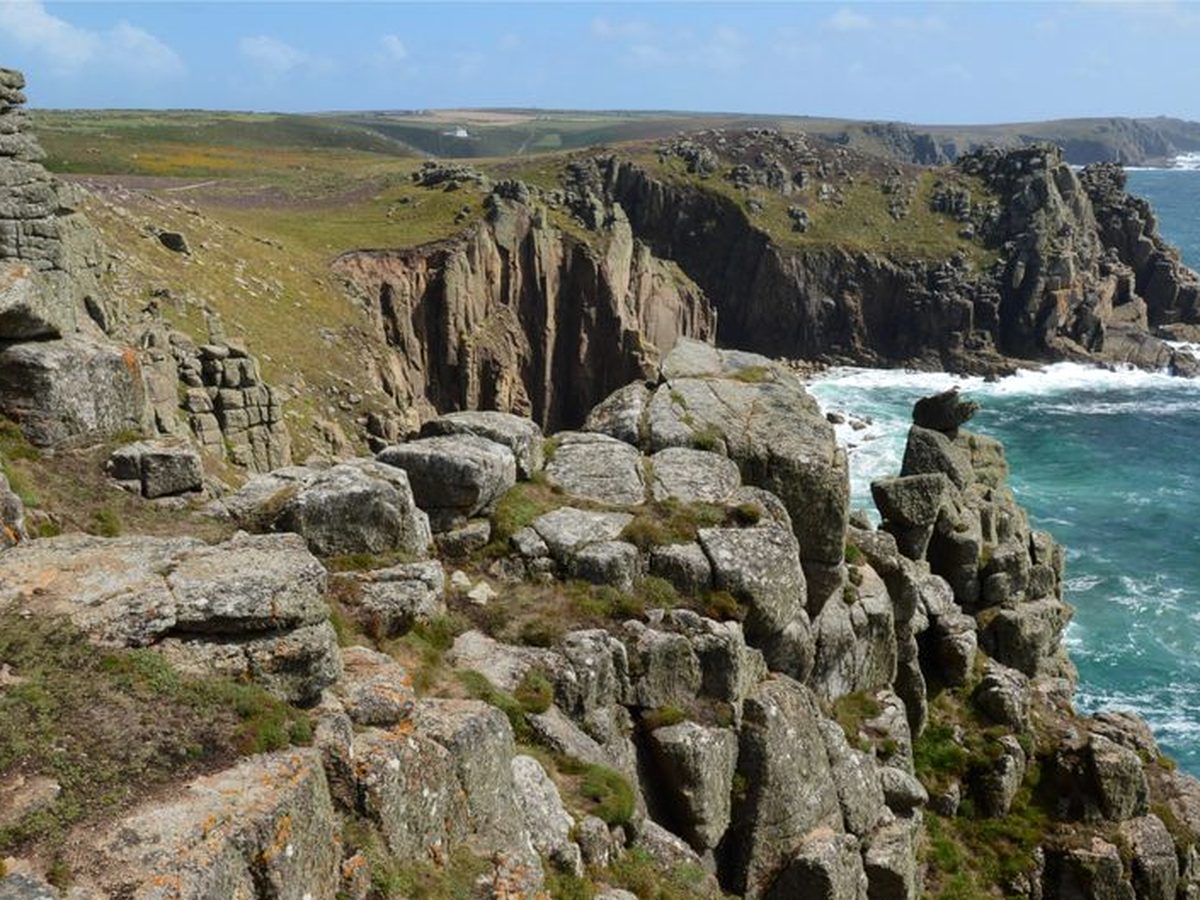
Day to day the real risks are the sea and the coast, the rip currents and tidal cut-off covered in the beaches section above. The cliff edges on the coast path are unfenced and the faces unstable, so keep a running toddler well back. Cornwall’s old mining country in the far west has unmarked shafts in the scrub, so keep children on the paths there. The sea is cold enough to chill a small child quickly and to cause a cold-water gasp, so keep dips short, and the summer sun still burns, so the usual hats, high-factor cream and midday shade apply.
Before you payBooking checklist
- Base near the beaches and days out you want, not near the county border.
- Pick a coast for your child: sheltered south for babies, surf north for confident toddlers and attractions.
- Plan the drive to miss the Saturday queues, or price up the train to Truro.
- Note the tide times for your beach days, especially for any cove under cliffs.
- Confirm a cot, and ask a cottage about stairs, parking distance and step-free access.
- Pack a carrier for the cobbled villages and a buggy with decent tyres for the sand.
- Aim for early September, or late May and June, for value and a warmer sea.
- Pack a wetsuit or swim vest for more than a quick paddle.
- Stock up on supplies before heading to the far west or the Lizard.
- Bring enough of any medicine your child relies on for the whole trip.
Resort guides in Cornwall
We've researched these places to stay in Cornwall for families with young children. Each guide covers what it's like, who it suits and what to check before you book.
Questions, links and the last word
The things families ask most, the official pages worth a bookmark and when this guide was last refreshed.
Common parent questions
How long is the drive, really?
Longer than people expect. London to central Cornwall is roughly four and a half to five hours in good conditions, more like six or seven on a peak-summer Saturday when the A30 backs up beyond Exeter. From the Midlands it is four to five hours, from the North six or more. The train skips the road entirely, and for northern families flying into Newquay can turn a seven-hour drive into a short hop.
North coast or south coast?
For babies and nervous paddlers, pick the south: calmer estuary water and a slower pace. For confident toddlers and families who want the holiday parks and the bulk of the attractions, the north is worth the choppier water. If you can’t decide, the south is the safer default with a young child, and you can still drive over for a day on the north.
Which beach is best for a toddler?
Skip the famous surf beaches and head for the sheltered, gently shelving ones. Daymer Bay on the north and Gyllyngvase at Falmouth on the south are reliable picks; the Beaches section above runs through the rest by coast. Two rules apply wherever you go: swim between the RNLI flags in season, and check the day’s tide, because several coves cut off entirely at high water.
When is the best time to go with little ones?
The first week or two of September, with the warmest sea of the year and the crowds gone once schools return. Late May and June are the next best, drier and quieter than August. July and August are warmest but the busiest and dearest, and the roads queue most on changeover Saturdays.
Is there enough to do if it rains?
Yes, and most weeks catch at least one wet day, so it is worth lining up a couple of indoor options before you go. The When it rains section above has the full list, from the Eden biomes to the aquariums, museums and indoor barns. The thing to avoid is leaving it until the morning it pours.
Do we need a car?
For most of Cornwall, yes. A few towns with a railway (Falmouth, St Ives, Penzance) work for a car-free week. Beyond those towns the rural beaches, farm parks and most of what a toddler will love are out of reach without one, and rural lanes are narrow, so allow extra time.
How does Cornwall compare to Devon?
Cornwall is further, with a longer drive at the end, but the beaches are excellent and it has the Eden Project and a strong toddler-focused family hotel at Mawgan Porth. Devon is closer, has Dartmoor, and tends to be a little cheaper. If the drive doesn’t put you off and you are mainly there for the beach, Cornwall is worth the drive.
What if someone is ill or hurt?
For anything serious, Truro has the only full A&E, so a base within forty-five minutes of it is worth thinking about if your child has a condition that might need it. The Penzance urgent treatment centre handles the things that aren’t life-threatening in the far west, and on the Isles of Scilly there is no A&E at all, so allow for the air evacuation a serious case would need. Pack enough of any regular medicine for the whole trip, since a rural pharmacy may not stock it.
See more Cornwall photos
Open the photo gallery →Useful links
- Visit Cornwall: areas, beaches and what’s open while you’re there.
- RNLI lifeguarded beaches: which Cornwall beaches are patrolled, and when.
- Visit Cornwall beach safety: flags, rip currents and tide advice.
- The Eden Project: opening times, tickets and early-years sessions.
- GWR: trains to Truro and the Cornish branch lines, and the Night Riviera sleeper.
Last updated 16 June 2026.