The Costa del Sol with little ones
Málaga is one of the shortest flights to reliable sun from the UK, served cheaply from almost every UK airport all year round, and a coastal train links the airport to three of the main family resorts, so you roll the buggy straight on. The sand is grey-gold rather than white, and the sea, fed by cold Atlantic water, peaks at 23 to 24 degrees even in August.
On this page
A family verdict at a glance
The quick read before the detail: who the Costa del Sol suits, the season to aim for and what to nail down before you book.
Best for
A cheap, short flight to dependable sun, resorts you can do car-free by train and a real city with playgrounds, museums and churros attached to the beach.
Maybe not for
If you're picturing white sand and a warm sea. The sand is grey and coarse, much of the strip is high-rise and the sea is the coolest on the Med.
Best ages
Babies and toddlers do well outside high summer, when the coast is hot, busy and slow on the roads.
Best areas
Fuengirola or Benalmádena's Arroyo district on the train line, Estepona for quiet and flower-lined lanes, Málaga city for no transfer at all.
Why you'd pick it
Flights from everywhere at low fares all year, the buggy-friendly coastal train, Bioparc and a winter that keeps going when island resorts shut.
Check before you book
That Tivoli World is still shut despite the signs, that August transfers crawl on the coast road and that the pool is heated if you're going outside July and August.
The flight, the train and the city
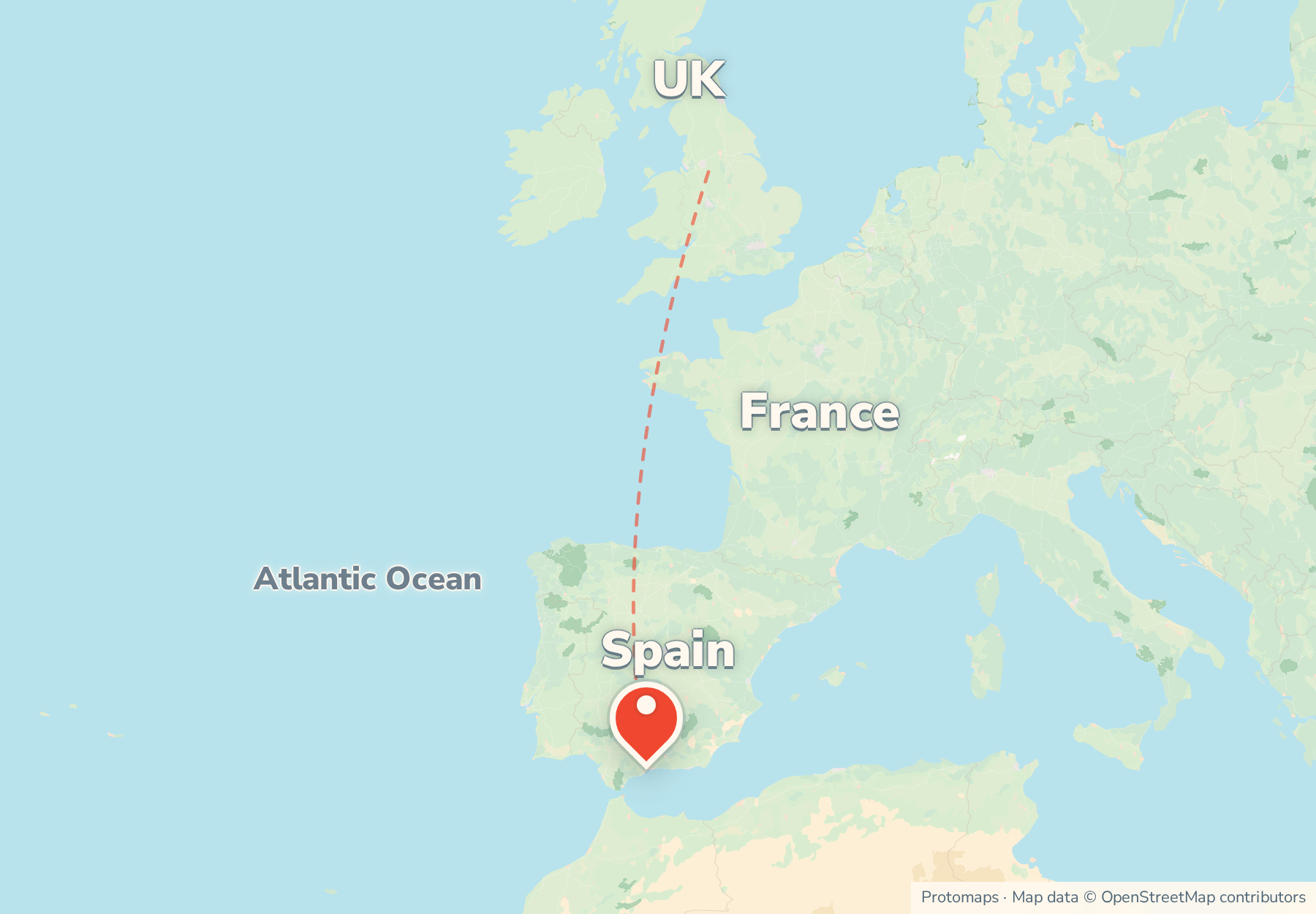
Málaga's airport is one of Spain's busiest, with around 27 million passengers a year and direct flights from almost every UK airport. That scale is what makes this coast cheap to reach: the low-cost airlines compete on the route all year, so fares stay low even in February, when most Mediterranean routes have shut for the winter. The flight itself is under three hours from most of the UK.
The other piece of family infrastructure is the C-1 train, which runs from inside the airport to Málaga city in one direction and to Torremolinos, Benalmádena and Fuengirola in the other, every 20 minutes for a few euros. No car seat and no taxi queue; the buggy rolls straight on. It also means Málaga itself works as a base: a real working city with port-front playgrounds, small museums and Blue Flag beaches, twelve minutes from the airport by train.
A quick gut checkIs the Costa del Sol right for your family?
Worth comparing if
You want sun without a long flight, a resort that works without a car and a real city to dip into between beach days.
Weigh it up if
You are mainly there for the sea itself, or you want old-town looks over a practical resort along the main strip.
To sort out before booking
Whether the base is on the train line, the pool, the cot, the air conditioning and the transfer with a child seat if you're heading west.
The numbers, the basics and the ages
Everything you'd want to skim first: the quick facts, the everyday practicalities and how the coast changes as children grow.
Quick facts for UK families
Money, plugs, language and the basics
- The Costa del Sol is the coast of Málaga province in Andalusia, running from Nerja in the east to beyond Estepona in the west, with mountains rising directly behind it.
- The currency is the euro and cards are accepted almost everywhere.
- Sockets are the round two-pin European type, so UK plugs need an adapter. The voltage matches the UK.
- The language is Spanish. English is spoken widely in the resorts.
- Spain is one hour ahead of the UK, with the clocks changing on the same dates.
- Tap water is safe to drink, though it can taste chlorinated in summer, so many people drink bottled. Feeds are fine with boiled tap water, as at home.
- Your GHIC card covers state healthcare here, and 112 is the emergency number.
- Málaga is Picasso's birth city, and his museum sits a short walk from the port playgrounds.

The Costa del Sol by age and stage
Babies
A flight short enough to time around one nap, cheap dates outside school holidays and flat promenades for miles of pram walking.
Toddlers
Calm, gently shelving water for paddling, chiringuito lunches with sand under the table and a train ride that counts as entertainment.
Preschoolers
Old enough for Bioparc's gorillas and Komodo dragons, the cable car and spotting the fish at Sea Life.
Young children
Old enough now for the waterparks and a wander round the white villages. The Caminito del Rey gorge walk is still out, with a strict minimum age of eight.
Where to base yourselves
The resorts side by side, an orientation map of the coast and what the sea is really like.
Where to stay with young children
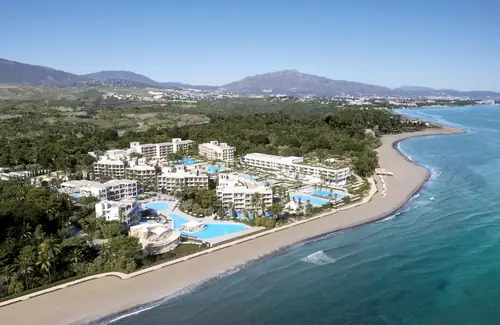
Fuengirola is the default for its infrastructure rather than its looks: a flat promenade running more than 4 miles (7 km) past Blue Flag beaches, playgrounds and chiringuitos, a top-tier zoo in the town centre and three train stations. It's high-rise and unashamedly a resort town. Benalmádena next door is three places sharing a name: the beachfront Costa strip, the hilly Pueblo village of whitewashed lanes up the mountain, and Arroyo de la Miel inland, which has the train station, the cable car and the free Paloma park, where peacocks and rabbits wander between the playgrounds. Check the gradient between any specific hotel and the beach here, because parts of the slope are steep with a buggy. Torremolinos, closest to the airport, has shed much of its old reputation, and its family answer is specific: La Carihuela, the old fishing quarter at the western end, with a traffic-free promenade and calm, shallow water.
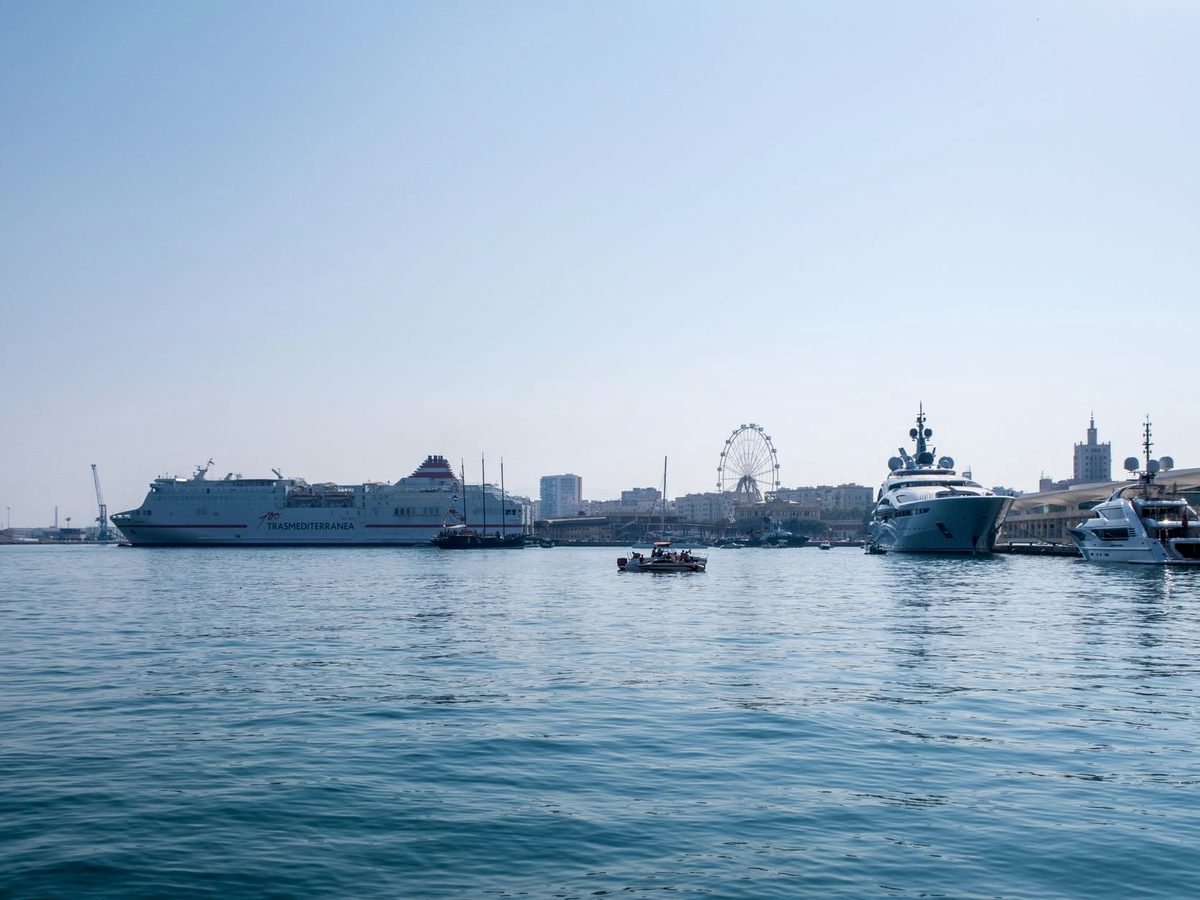
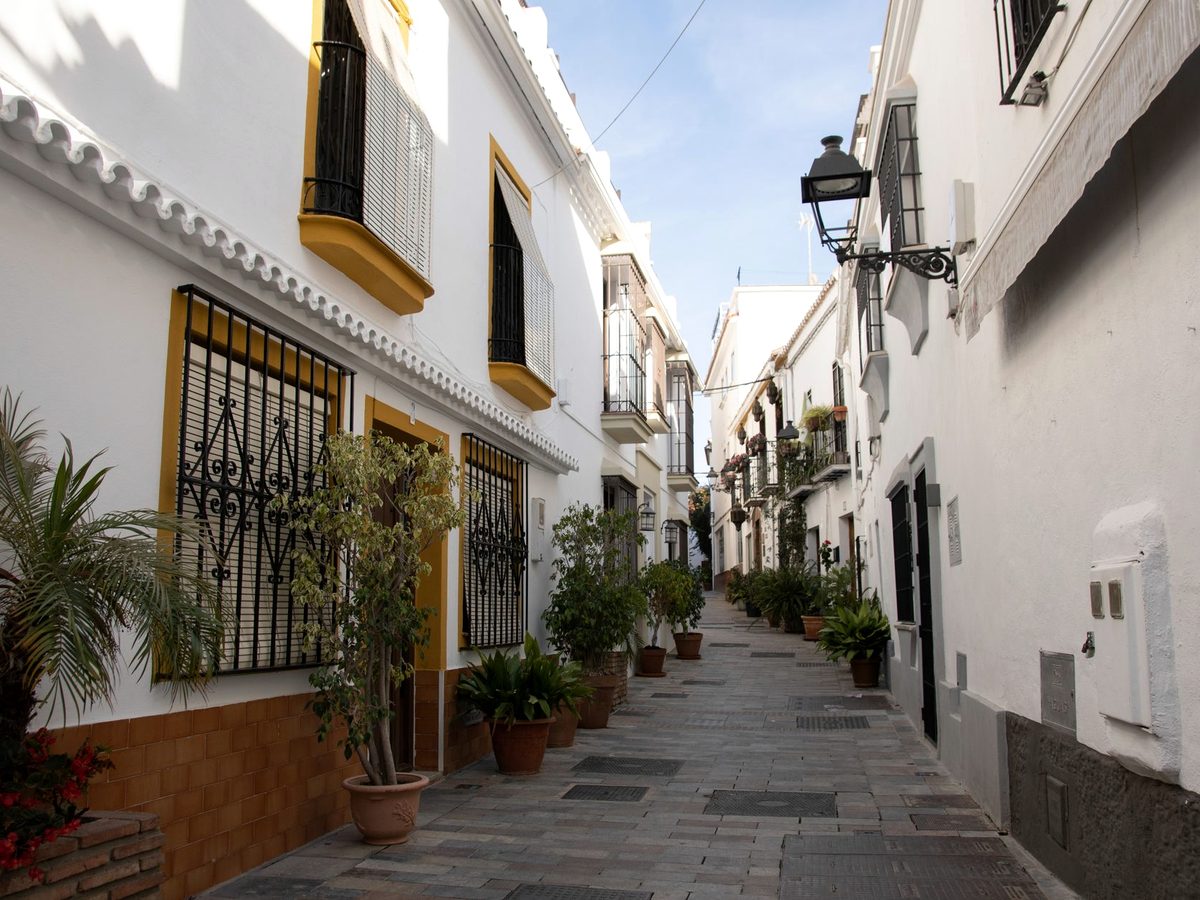
Málaga city itself works well as a base, with the Muelle Uno waterfront, a big ship-themed playground on the palm-lined promenade, the shady Parque de Málaga full of ducks, museums small enough to fit inside a nap and city beaches a bus ride east where the chiringuitos are at their most local. The trade-offs are city ones: fewer hotel pools and fiercer August heat. Further west and off the train line, Marbella has a flower-hung old town around orange trees at higher prices, and Puerto Banús is an hour of pointing at yachts rather than a place to stay. Estepona is the quiet one. Its old town has been deliberately beautified, with a different colour of flower pot down every lane, several good playgrounds, a tiny orchid house and a slide hidden in an alley off Calle Portada. Nerja, east of Málaga, is whitewashed and lower-rise around the Balcón de Europa, with sandy, calm Burriana as its family beach and the longest transfer of the lot.
| Area | Transfer | The beach | The feel |
|---|---|---|---|
| Fuengirola | 25 to 30 min by car (about 34 by train) | Over 4 miles (7 km) of flat promenade behind Blue Flag sand | High-rise and frankly a resort town, but built for families, with Bioparc in the town centre and three train stations. |
| Benalmádena | About 20 min by car | Calm beaches below; the marina at the centre | Three places in one: the Costa strip, hilly Pueblo village and inland Arroyo, which has the train, the cable car and Paloma park. |
| Torremolinos | 10 to 15 min by car | La Carihuela at the western end is the calm, shallow family stretch | The old package pioneer, smartened up in the centre. Base at La Carihuela rather than by the nightlife. |
| Málaga city | About 12 min by train | City beaches at La Malagueta and the chiringuito suburbs further east | A working city with port playgrounds, museums you can do in an hour and food, and effectively no transfer at all. |
| Marbella | 35 to 45 min, no train | A long promenade and several Blue Flag beaches | The old town around Plaza de los Naranjos is the draw; Puerto Banús is worth an hour, not a base. Pricier than the rest. |
| Estepona | About 60 min, no train | Long beaches and a marina, with the old town two streets back | The quiet one: flower-potted pedestrian lanes, several good playgrounds and a hidden slide built into an alley. |
| Nerja | 50 to 60 min, no train | Burriana is the family beach, sandy with calm water | East of Málaga, whitewashed and lower-rise, around the Balcón de Europa viewpoint, and quieter than the central strip. |
Map of the main family areas
An orientation map of the areas above, the airport and the bigger days out. The numbers match the key beneath.
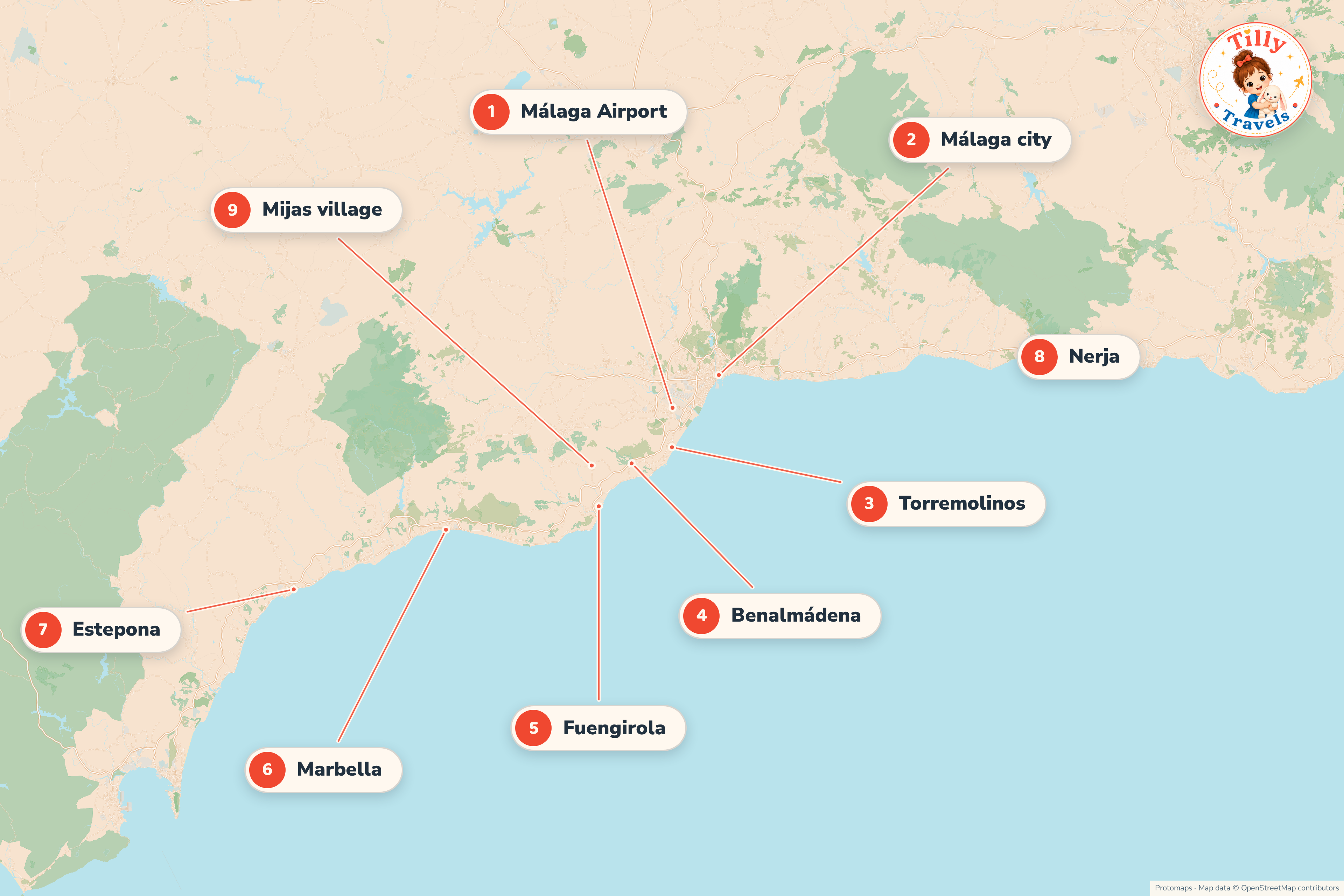
- 1Málaga Airport With the train inside the terminal
- 2Málaga city Port playgrounds and museums
- 3Torremolinos La Carihuela for families
- 4Benalmádena Marina, cable car and Paloma park
- 5Fuengirola The family default, with Bioparc
- 6Marbella The old town and the prices
- 7Estepona The quiet one, with flower-lined lanes
- 8Nerja The eastern outlier
- 9Bioparc Fuengirola Immersive family zoo
- 10Selwo Aventura Safari park at Estepona
- 11Caminito del Rey Cliff-face walkway, older children

What the sea is actually like
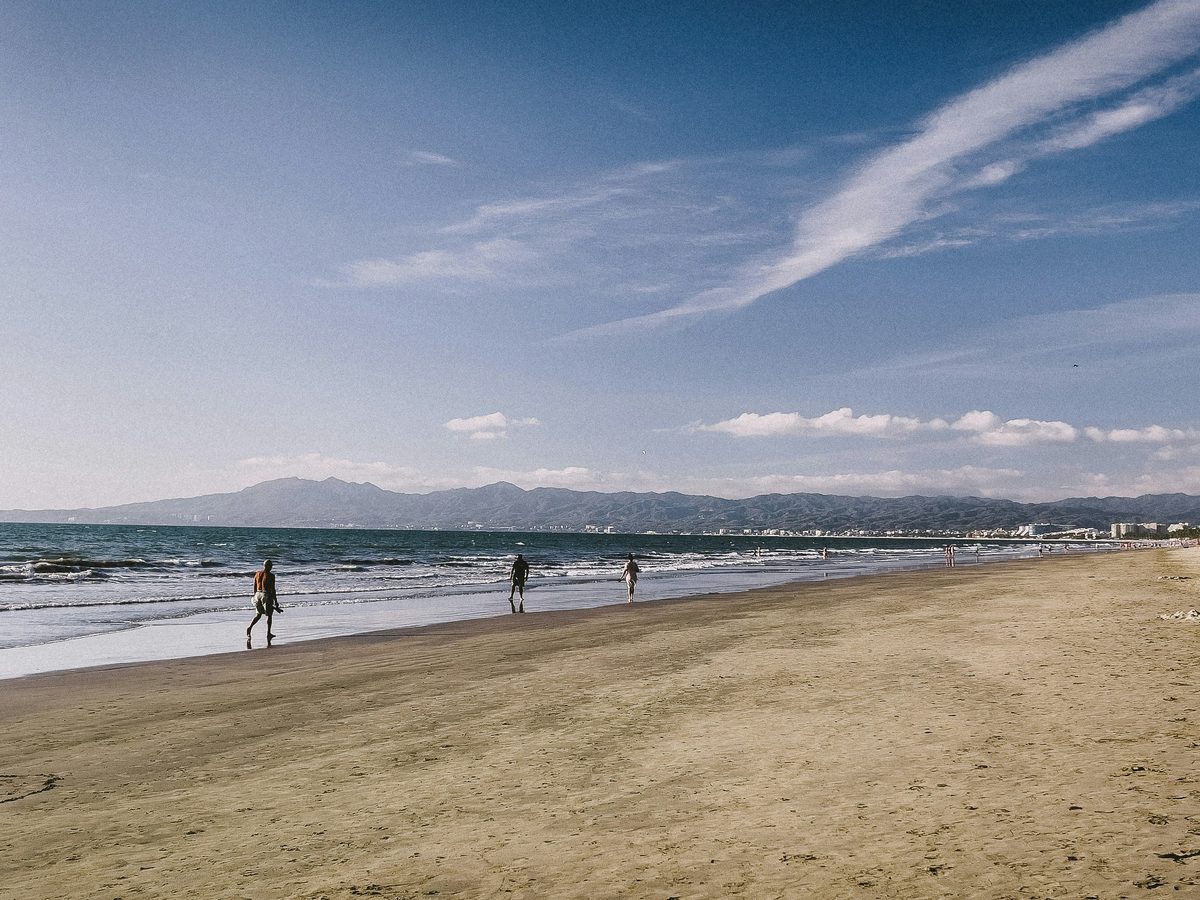
This coast sits on the Alborán Sea, the Mediterranean's westernmost corner, where cold Atlantic water pours in through the Strait of Gibraltar and onshore upwelling chills the Spanish shore further. The result is the coolest swimming water on any major Mediterranean holiday coast: 23 to 24 degrees at the August peak, several degrees below the Balearics, and the wrong wind can knock a few degrees off even a July day. For a paddling toddler none of this matters. For anyone hoping to spend hours bobbing in warm water it does, so weigh the pool more heavily in the hotel choice here than you would in Mallorca.
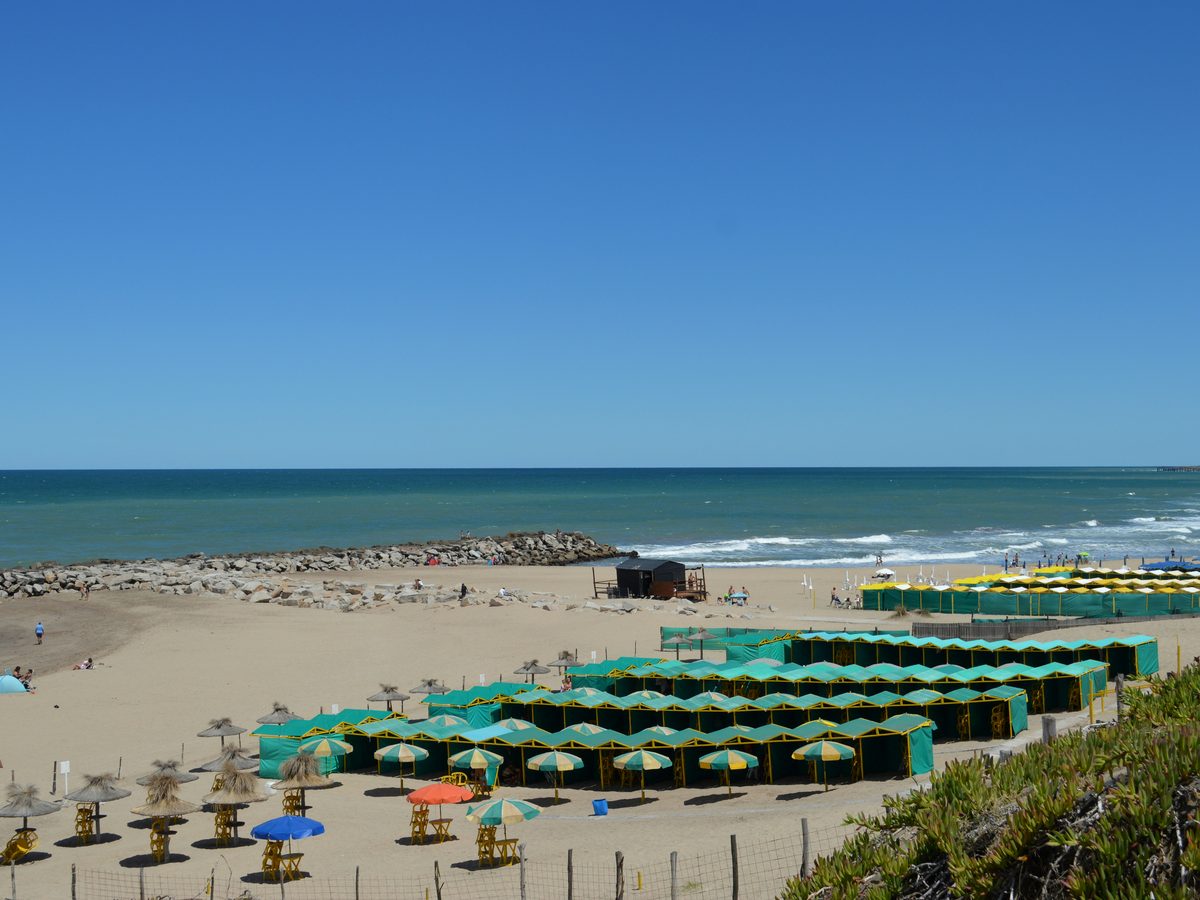
The beaches themselves are wide, urban and serviced: grey-gold, coarse sand, mostly calm water, lifeguards through the season and sunbeds everywhere, with 45 Blue Flags across the province in 2025. Jellyfish drift in on easterly winds in some summers and not others; the flags warn when they're about, and the free Infomedusa app gives a beach-by-beach report each morning, which is worth installing before a July trip.
Weather, days out and the daily shop
When to go month by month, the outings that suit small children, eating out and where to stock up.
Weather, April to October
The figures below are typical Málaga averages rather than a forecast. The famous 320 days of sunshine claim roughly holds if you count any sun at all: around 111 fully clear days and 205 partly cloudy ones, which still makes this one of mainland Europe's sunniest corners. Winter is mild at 16 to 18 degrees with most of the year's rain, and the city, the trains, the museums and the promenades are open through it.
| Month | Daytime high | Overnight low | Rain | Wet days | Sea temp |
|---|---|---|---|---|---|
| January | 17° | 8.5° | 62 mm | 5 | 16° |
| February | 17.5° | 8.5° | 56 mm | 5 | 15° |
| March | 19° | 10° | 66 mm | 5 | 16° |
| April | 21° | 12.5° | 41 mm | 4 | 16° |
| May | 24.5° | 15° | 23 mm | 3 | 18° |
| June | 28° | 18.5° | 4 mm | 1 | 18° |
| July | 30.5° | 21.5° | 0 mm | 0 | 21° |
| August | 31° | 22.5° | 3 mm | 0 | 23° |
| September | 28° | 20° | 25 mm | 2 | 21° |
| October | 24° | 16° | 61 mm | 4 | 20° |
| November | 20° | 11.5° | 77 mm | 5 | 17° |
| December | 17.5° | 9° | 88 mm | 6 | 16° |
Typical monthly averages from weather-station records. Sea temperature is the open-water figure, so a sheltered bay can feel a degree or two warmer.
May, June and September are the best family months on this coast: warm, dry, uncrowded and cheap by school-holiday standards. February half term means mild outdoor days and a fair chance of showers, with a living city to fill them. The Canaries stay warmer, so the Costa del Sol suits you here only if you'd rather have a mild city to explore than guaranteed pool weather.
Filling the daysThings to do with little ones
Bioparc Fuengirola is an immersion-style zoo with no visible cages, recreated rainforest habitats and gorillas, lemurs and Komodo dragons at close range, flat and buggy-friendly, sized for half a day and free for under-threes. It sits in the middle of Fuengirola, walkable from much of the town. In Benalmádena, the cable car from Arroyo lifts you around 800 metres up Mount Calamorro in fifteen minutes, a ride toddlers love even if the rocky summit paths want a carrier rather than a buggy, and Sea Life at the marina is a compact hour of touch pools and low windows built at small-child height. Selwo Aventura at Estepona runs a safari-truck day of elephants, giraffes and rhinos across a big unshaded valley, best started early with the truck first. Its sister park Selwo Marina keeps dolphins for shows, which a growing number of families choose to avoid, so decide before you're at the gate. One note for returning visitors: Tivoli World, the old funfair at Arroyo, has been shut since 2020 and won't reopen for years, whatever the signage suggests.
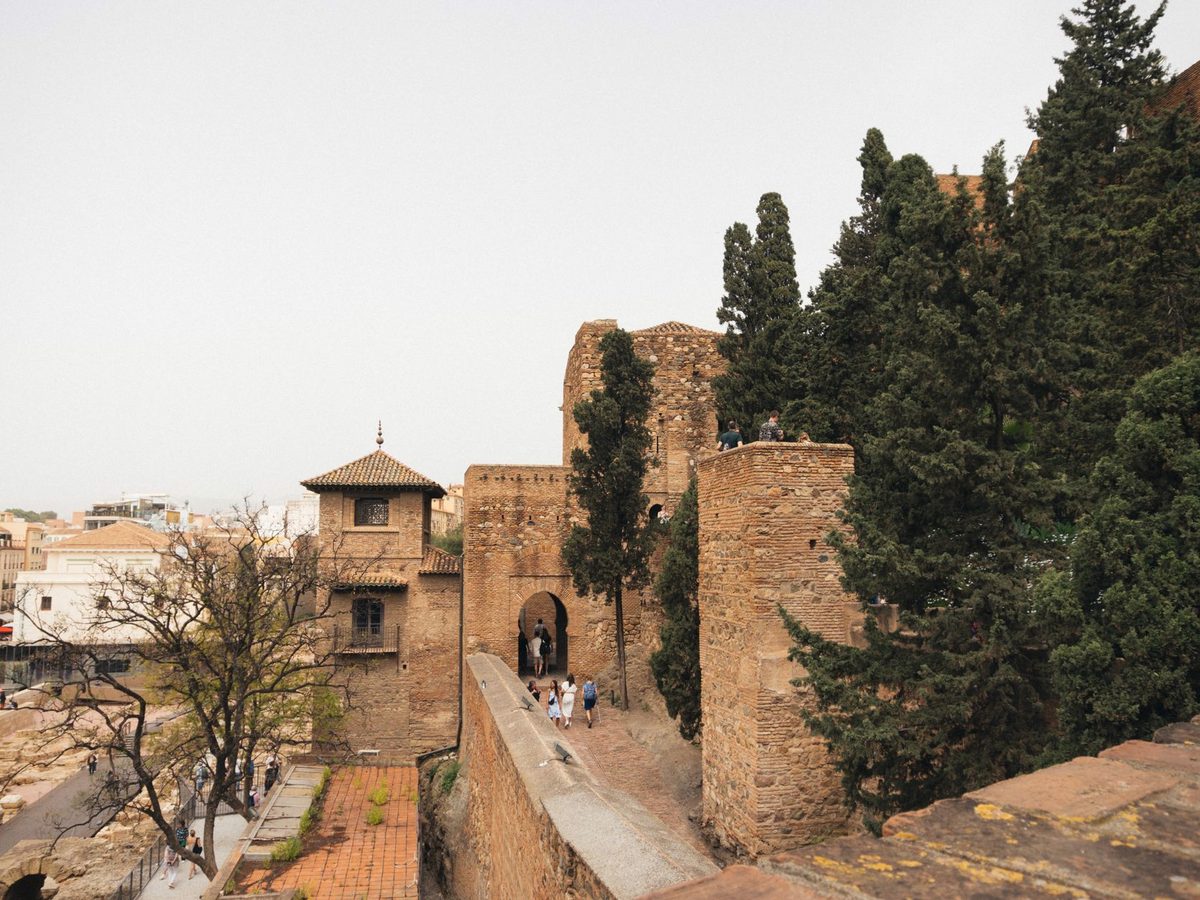
Málaga city easily fills a day: the train in, the ship playground on the Palmeral promenade, ducks and shade in the Parque de Málaga, ice cream at Muelle Uno and, if a baby naps on cue, 45 minutes in the Picasso Museum, which admits single buggies and has lifts. The Alcazaba fortress is beautiful and made of steps and cobbles, so take a carrier and use the lift behind the City Hall to cut most of the climb. Up the hill behind Fuengirola, Mijas is the white village to wander. The donkey taxis there are a live animal-welfare controversy, with documented cases of animals worked through heat alerts, so admire the village and skip the rides. The Nerja Caves are spectacular and allow no pushchairs, with more than 400 steps inside, so you'll need a sling and good knees. Aqualand Torremolinos opens for a waterpark day from late spring, skewing older but with splash zones for the small. The Caminito del Rey gorge walk has a minimum age of eight, checked at the gate, so it's one parent's morning off, not a family outing, and the Alhambra at Granada is best saved for a trip without a buggy: two hours each way, no pushchairs inside and timed tickets that sell out months ahead.

Eating out with children
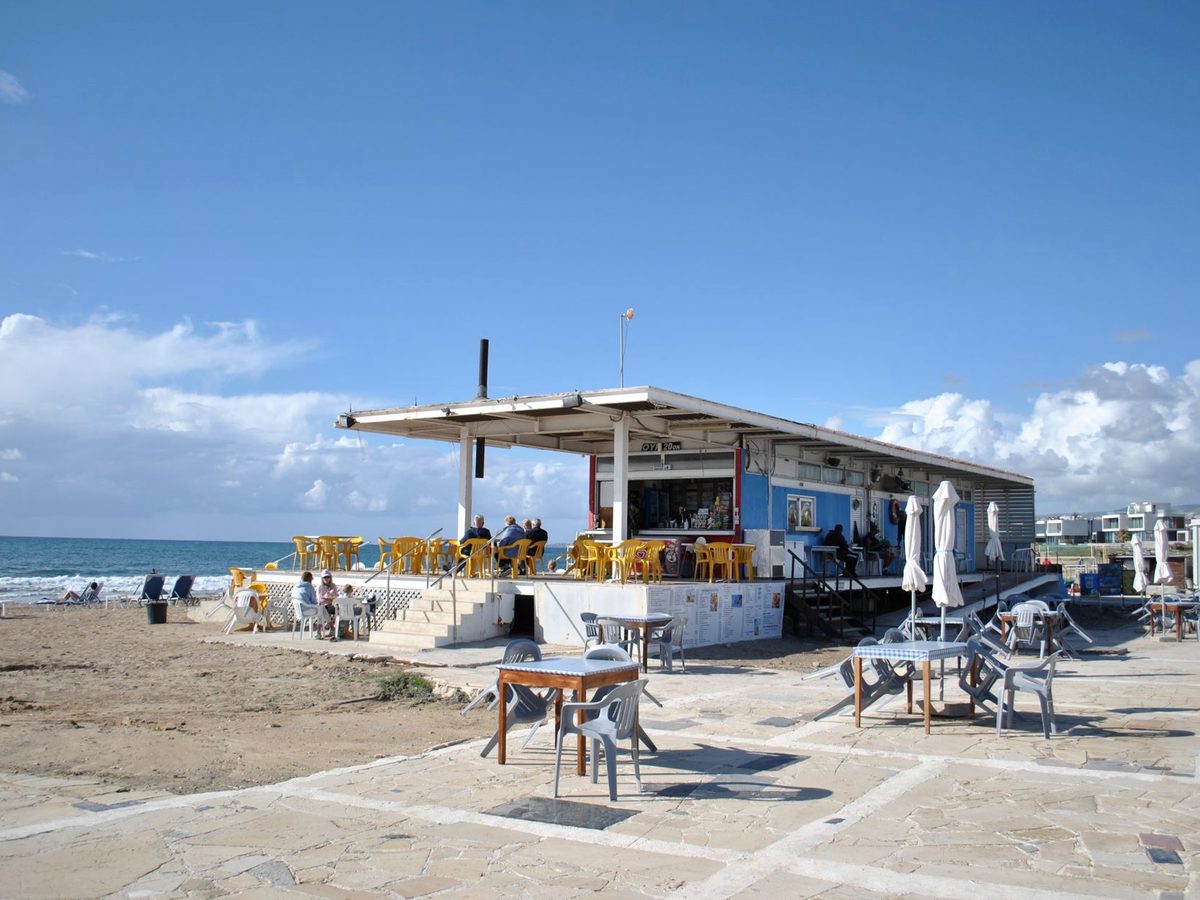
For lunch, head to a chiringuito: a beach restaurant on the sand, paper tablecloths, grilled fish and children free to dig beside the table between courses. The signature order from May to October is the espeto, six sardines grilled on a cane skewer over an olive-wood fire in an old boat at the water's edge. High chairs are common but not universal in the older places, so ask, or eat early when the staff have time.
Spain eats late, but the tourist coast serves continuously, so a half-six tea in Fuengirola or Benalmádena needs no planning, and a menú infantil of pasta, chicken or fish with chips appears on most menus. The breakfast institution is churros con chocolate, fried dough sticks dunked in thick hot chocolate, and most toddlers need no persuading.
Milk, nappies and pharmaciesSupplies and the first-day shop
Mercadona is everywhere on this coast and covers most of the baby list, with Carrefour, Lidl and Aldi alongside in the bigger resorts. Nappies are sold as Dodot, the Spanish Pampers, with Mercadona's own Deliplus brand the cheap, well-regarded alternative. Formula needs the usual translation: the Spanish equivalent of Aptamil is Almirón, from the same company, sold in pharmacies and Carrefour but not Mercadona, with NAN and Blemil alongside. Ready-made cartons are scarcer than at home, so bring them if your routine depends on them, and treat the pharmacy as the reliable formula counter.
Pharmacies, marked by the green cross, are the only place to buy medicines, with a duty rota covering nights posted on every door. The children's paracetamol is Apiretal and the ibuprofen is Dalsy, the two names every Spanish parent knows, both dosed by weight. Bring any medicine your child relies on rather than counting on a like-for-like swap.
Getting around, a real week and the admin
Transfers, the train and the toll road, what a week actually looks like, the health and document checks and a list to pack against.
Getting there and around
The airport sits usefully between Málaga and Torremolinos, and for the train-line resorts the C-1 is the transfer: every 20 minutes from inside the terminal, about 34 minutes to Fuengirola, for less than a coffee costs at the airport. For Marbella, Estepona and Nerja it's a pre-booked transfer or hire car, with the standard Spanish child-seat rules: under 135 centimetres means a proper seat in the back, taxis included on the airport run, so book the seat with the transfer or bring your own.
Driving west, two roads run in parallel: the free A-7, which is busy and crawls through summer Saturdays, and the AP-7 toll motorway, which is quick and quiet. Pay the toll in July and August and save the money the rest of the year. Allow extra time for any August transfer along the coast, whichever road it uses.
What a real week looks likeA realistic week with little ones
Land, roll the buggy onto the train or the transfer, and be on the promenade by ice-cream time.
Sand and paddling in the morning, lunch at a chiringuito, a nap through the heat, then the promenade as it cools.
Bioparc, the cable car or the train into Málaga for the port playgrounds all fit around a sleep.
Churros for breakfast, a final paddle and a short hop home.
With young children, the beach, the pool, naps, chiringuito lunches and one zoo or city day will comfortably fill a Costa del Sol week.
The practical adminHealth, documents and the boring bits
Check the GOV.UK Spain advice before booking and travelling. Passports need to be issued within the last ten years and valid three months beyond departure. Carry a GHIC for each member of the family for state healthcare, plus travel insurance for the private clinics and anything bigger.
The emergency number is 112. The coast is well supplied with hospitals, including a dedicated children's hospital in Málaga and the Hospital Costa del Sol by Marbella for the western end. Day to day the risks are the usual Spanish-summer ones: strong sun from May to September, with the midday retreat indoors a local habit worth copying, and the sea flags, which here also warn about jellyfish on the days the wind brings them in.
Before you payBooking checklist
- Decide whether you want a train-line base before comparing hotels.
- Weigh the hotel pool seriously, ideally a heated one.
- Book the transfer with the right child seat for anywhere west of Fuengirola.
- Confirm the cot and the air conditioning with the hotel.
- Check the gradient between hotel and beach if you're booking Benalmádena.
- Pack ready-made formula cartons if you rely on them.
- Bring enough sunscreen and any medicines your child relies on.
- Aim for May, June or September if you can travel outside school holidays.
- Confirm the cancellation terms and your travel insurance.
- Recheck the GOV.UK Spain advice and every passport before you go.
Resort guides in Costa del Sol
We've researched these places to stay in Costa del Sol for families with young children. Each guide covers what it's like, who it suits and what to check before you book.
Questions, links and the last word
The things families ask most, the official pages worth a bookmark and when this guide was last refreshed.
Common parent questions
How warm is the sea, really?
Cooler than most people expect, even at the August peak of 23 to 24 degrees. That's fine for paddling and short swims and too cool for long ones, so anyone who wants to swim properly will use the hotel pool more than the sea.
Can we manage without a car?
Yes, from the right base. The train covers the airport, Málaga, Torremolinos, Benalmádena and Fuengirola, while Marbella, Estepona and Nerja need a transfer, bus or hire car. Once you're there, every resort has a long flat seafront to walk.
Is February half term worth it?
For mild outdoor days rather than a beach holiday. Expect 16 to 17 degrees and a fair chance of showers, with the city, the trains and the museums open to fill a wet morning.
Which resort is best with a toddler?
Fuengirola if you want everything walkable and the train on hand; Benalmádena's Arroyo district if the cable car and the animal park appeal; Estepona if you'll trade the train line for flower-lined lanes and quiet playgrounds; Málaga city if you'd rather skip the transfer entirely.
Is Torremolinos still a party town?
Much less than its reputation. The centre has been rebuilt over the last decade and the old club strip is much reduced. For families the answer is La Carihuela at the western end, where several hotels open straight onto the promenade.
Is Bioparc worth the money?
Of the paid attractions, yes. It's priced like a major zoo, so go for opening and make a full morning of it; very young children love the lemurs and the gorilla glass, the circuit is flat and under-threes go free. Being mid-town, for many families it's a walk rather than an outing.
What about the Mijas donkey rides?
Visit the village, skip the rides. Welfare charities have been pressing the council about the donkey taxis for years and the dispute is still running. The village itself, with its whitewashed lanes up the hillside, is worth the trip, and there's a donkey sanctuary nearby for children who want to meet one properly.
Can we buy our usual formula and nappies?
Under Spanish names. Pampers is sold as Dodot, and the equivalent of Aptamil is Almirón, stocked in pharmacies and Carrefour but not Mercadona. The children's paracetamol is Apiretal and the ibuprofen is Dalsy, pharmacy-only, with a duty rota covering nights. Ready-made cartons are scarcer than at home, so pack them if you rely on them.
See more Costa del Sol photos
Open the Costa del Sol photo gallery →Useful links
- GOV.UK Spain travel advice: passport rules, entry requirements and health updates before you travel.
- Bioparc Fuengirola: opening times and tickets for the coast's best small-child day out.
- Renfe Cercanías Málaga: timetables and fares for the C-1 coastal train.
- Visit Costa del Sol: the official tourism site, including beach listings.
Last updated 11 June 2026.