Walt Disney World with little ones
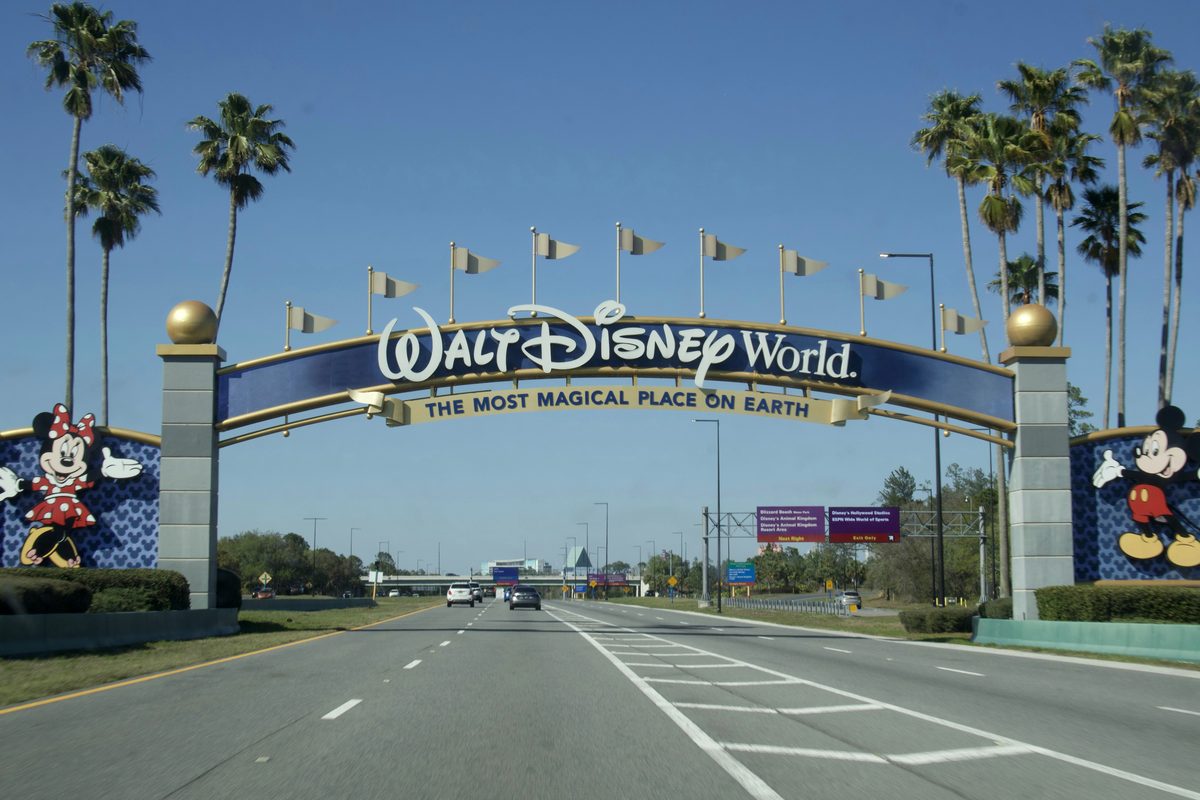
Walt Disney World is the largest Disney resort in the world, near Orlando in central Florida. It holds four theme parks, two water parks and Disney Springs, spread across a site you cross by car or free Disney transport rather than on foot. More than a dozen Disney-owned hotels sit around it in four price tiers.
On this page
Is Walt Disney World right for your family?
What the resort is, the scale to expect and who it suits, before the detail.
Walt Disney World opened in 1971 near Orlando in central Florida. Its four theme parks are Magic Kingdom, EPCOT, Disney's Hollywood Studios and Animal Kingdom, and there are two water parks, Blizzard Beach and Typhoon Lagoon, plus Disney Springs, a free-to-enter district of shops and restaurants. It's many times the size of Disneyland Paris, which is why you get around it by car or by Disney's own free buses, boats, monorail and gondolas rather than on foot.
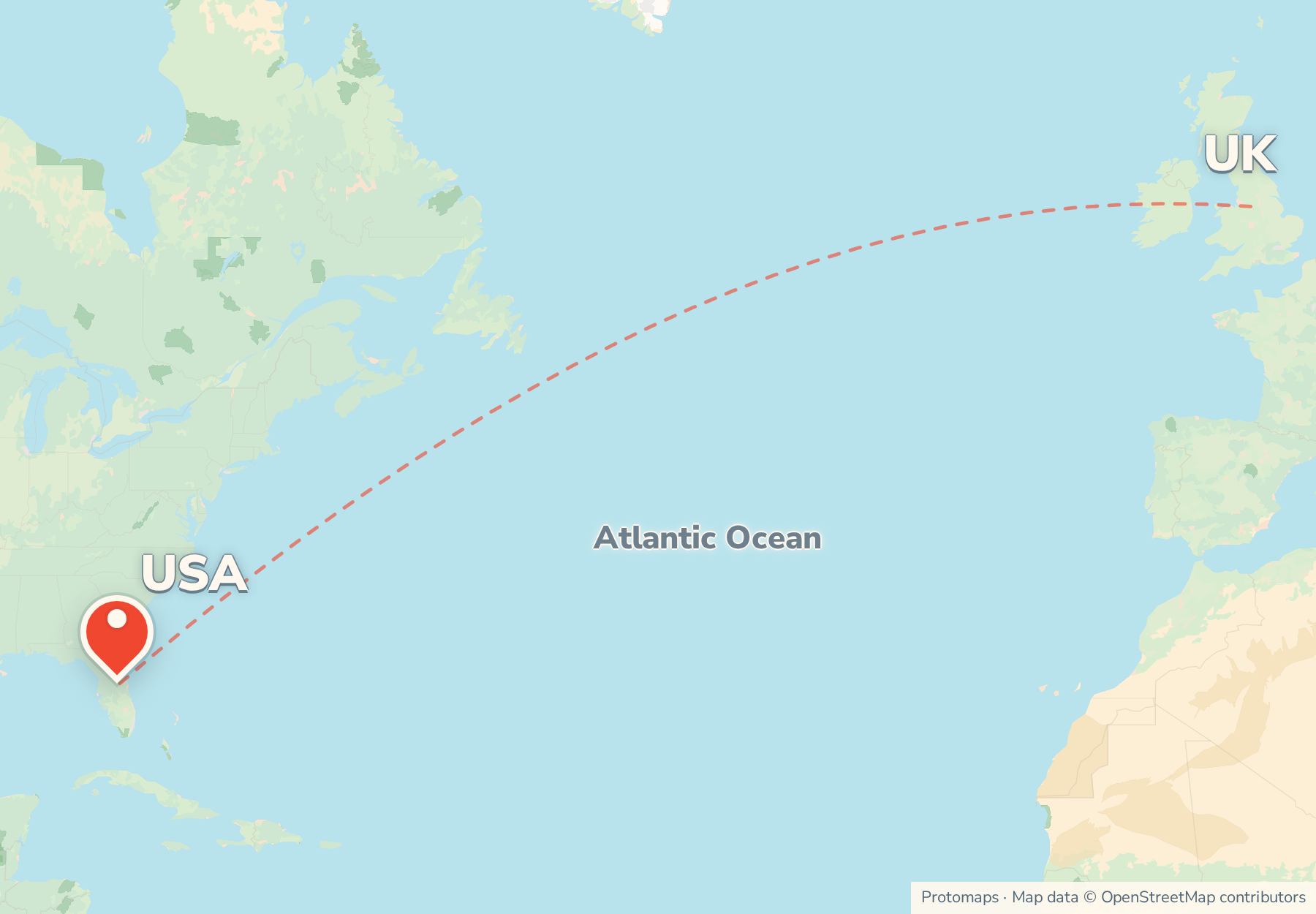
For a UK family this is usually the Disney trip that comes later. It means a long transatlantic flight into Orlando rather than a short hop across the Channel, and it works best as a longer holiday, often a week or two, rather than the couple of days that Disneyland Paris takes. There's still a lot here for young children at every park, from the cluster of gentle rides behind the castle at Magic Kingdom to the animals at Animal Kingdom.
Best for
A bigger Disney holiday of a week or two, with four theme parks and two water parks to fill it, often when children are past the toddler stage and can manage long, full days.
Maybe not for
A short first Disney trip with a baby or young toddler. Disneyland Paris is closer, quicker and a gentler couple of days for that stage.
Best ages
There's plenty for any age, but the long days and the walking suit children who are past napping. Under-threes get into the parks free.
What stands out
Four very different theme parks in one place, plus real animals and a safari at Animal Kingdom.
What to check
The long-haul flight, the summer heat, hurricane season and the cost of extras beyond the ticket like Lightning Lane and in-park food.
Where is it?
Near Orlando in central Florida, about 20 miles (32 km) from Orlando International Airport.
Quick facts for UK families
Map of the resort
The whole property: the four theme parks, the two water parks and Disney Springs, with the hotels grouped into the resort areas around them.
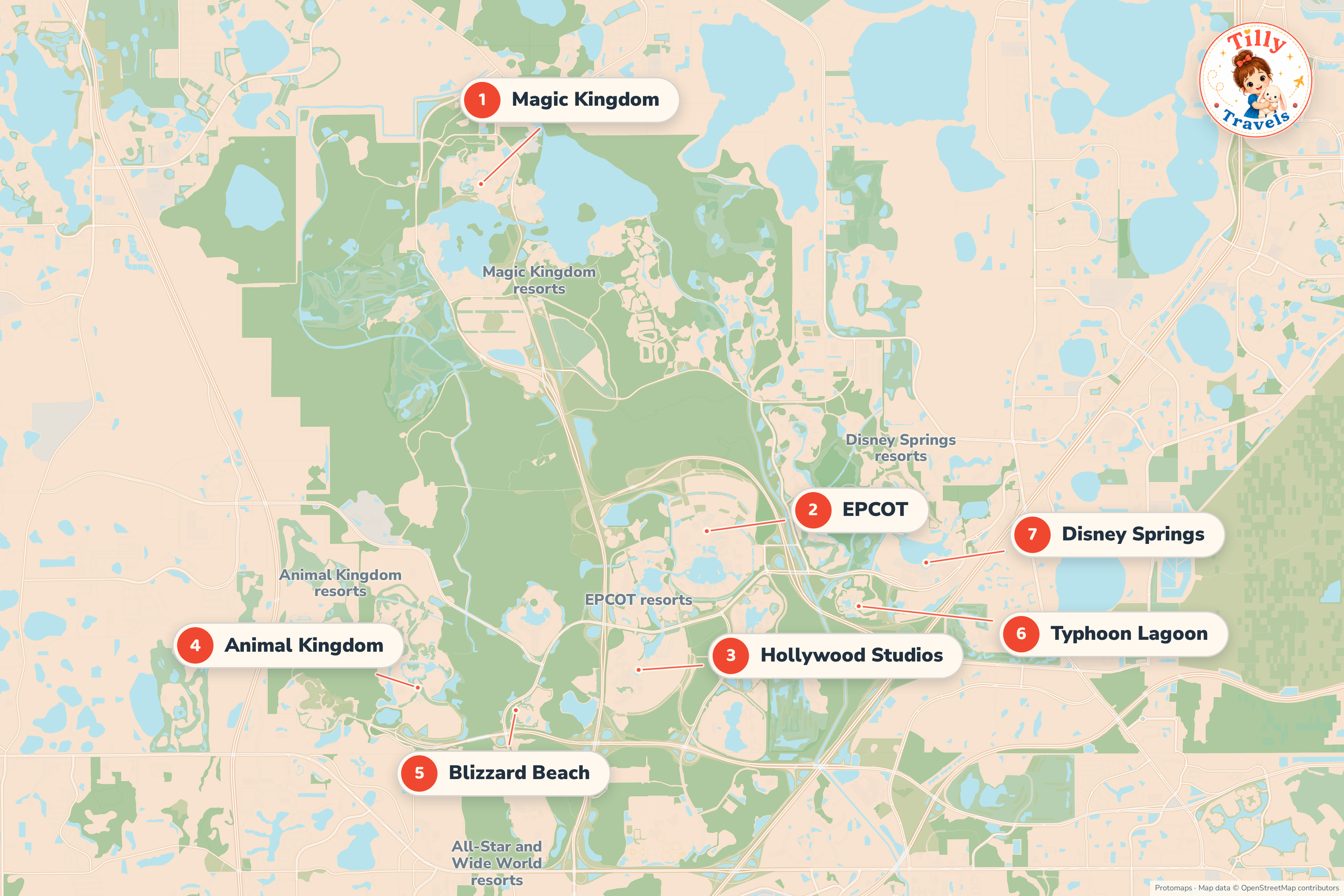
- 1Magic Kingdom The castle park, and the gentlest with young children.
- 2EPCOT The discovery pavilions and the World Showcase lagoon.
- 3Hollywood Studios The film park, home to Star Wars: Galaxy's Edge.
- 4Animal Kingdom The animal park, with the safari across its savanna.
- 5Blizzard Beach The ski-resort-themed water park.
- 6Typhoon Lagoon The beach-themed water park with the big wave pool.
- 7Disney Springs The free-to-enter dining and shopping district.
The parks, the hotels and the planning
The four theme parks
What each of the four parks is built around, and which ones suit young children.
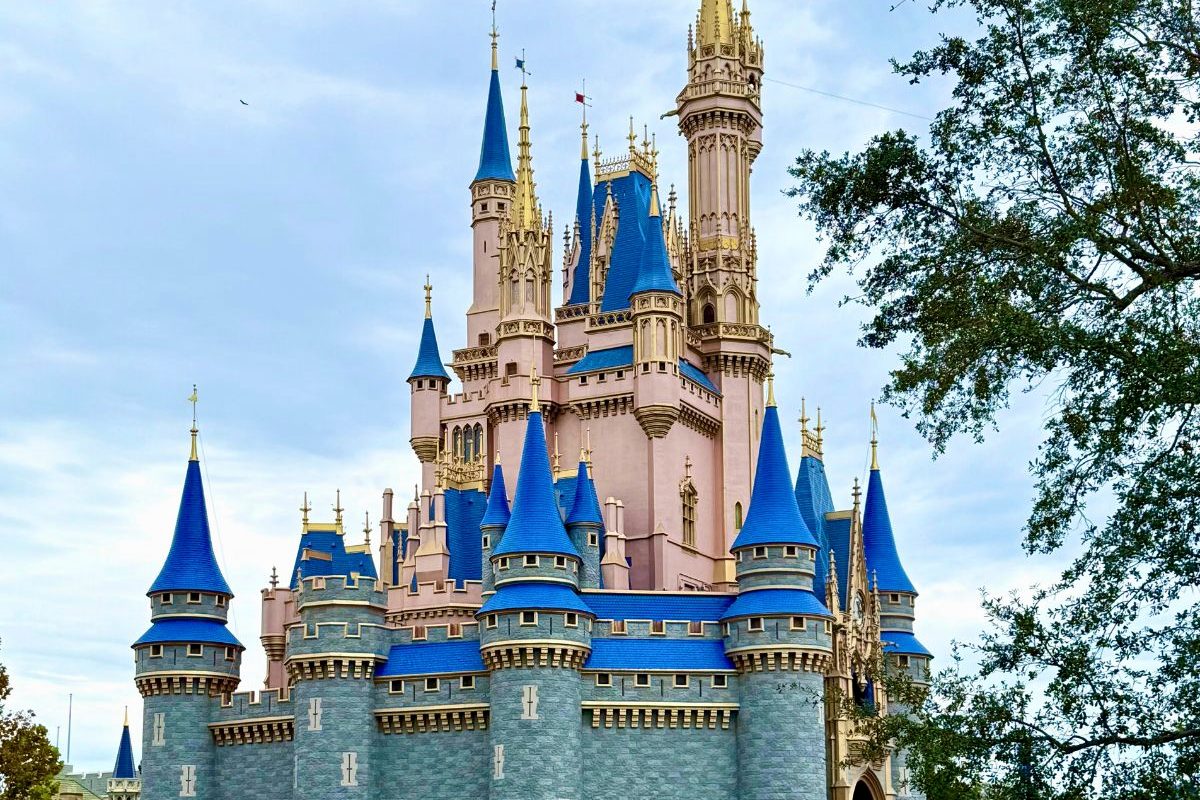
Magic Kingdom is the park most people picture, with Cinderella Castle at the centre and six lands around it. It opened in 1971 as the first of the four parks and it's the gentlest for young children, with more rides a toddler can go on than any other park at the resort, nearly all of them grouped behind the castle in Fantasyland.
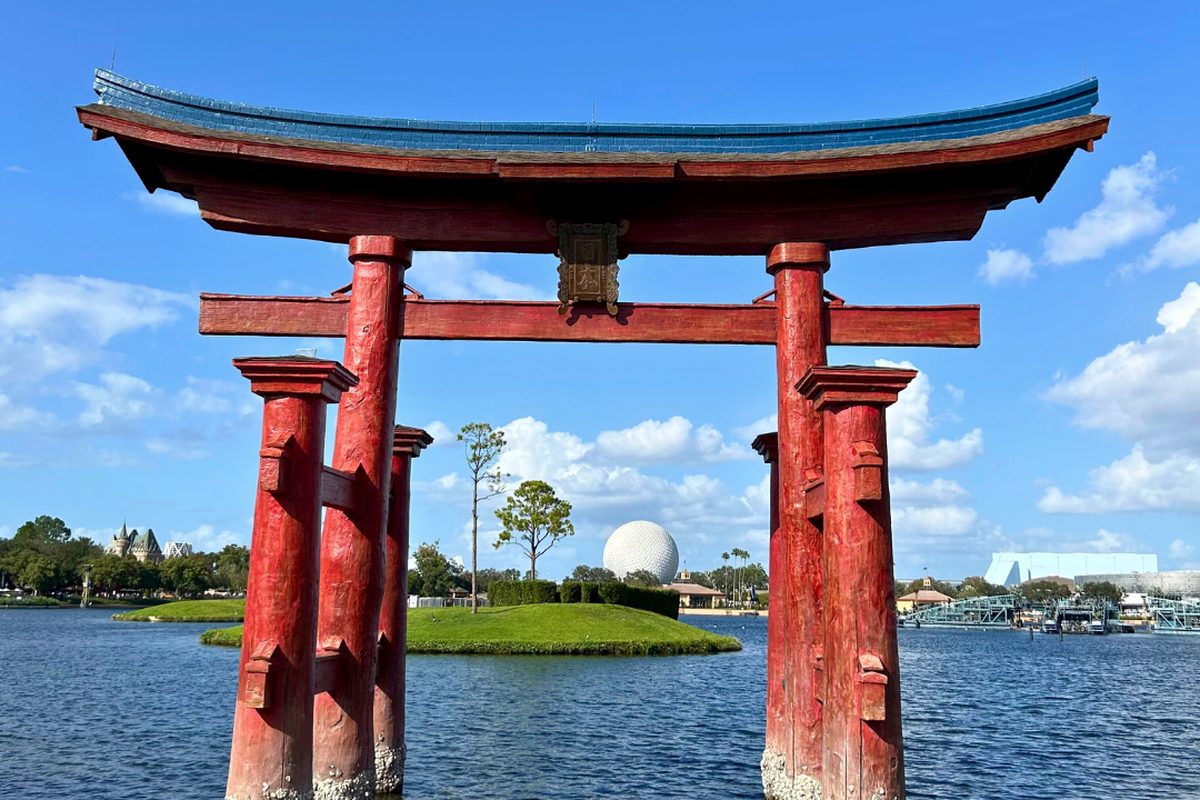
EPCOT is built around the silver Spaceship Earth sphere and falls into two halves, the discovery pavilions and rides at the front and World Showcase, a lake ringed by eleven country pavilions. More of its rides are open to any height than at any other park here, which makes it easier with little ones than its grown-up reputation suggests.
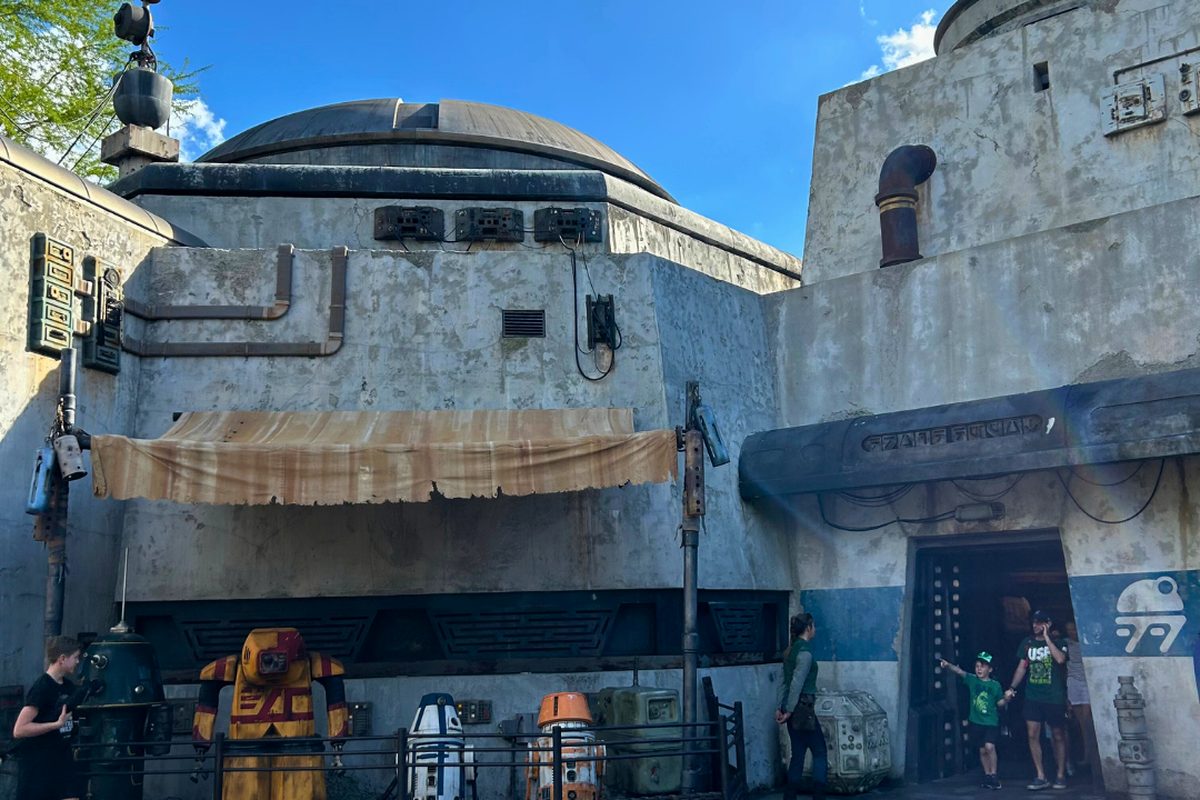
Disney's Hollywood Studios is the smallest park and the most thrill-led, built around Star Wars: Galaxy's Edge and Toy Story Land. The headline rides mostly set a height limit, but it has the strongest run of live shows and character spots of the four parks, so a day here leans on those as much as on the rides.
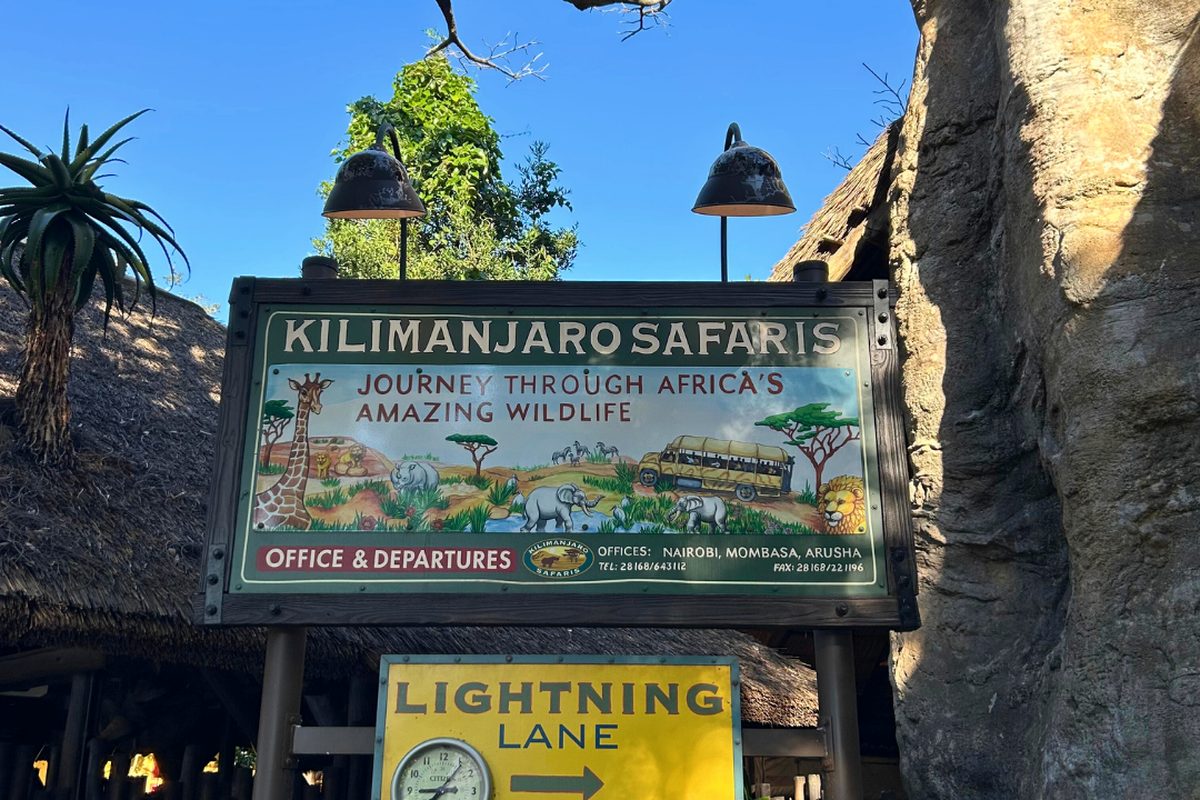
Animal Kingdom is the largest park and the one built around live animals rather than rides, with a safari across an African savanna, walking trails and the carved Tree of Life at its centre. It's the calmest of the four, with no parade or fireworks, and most of what fills a day here has no height requirement.
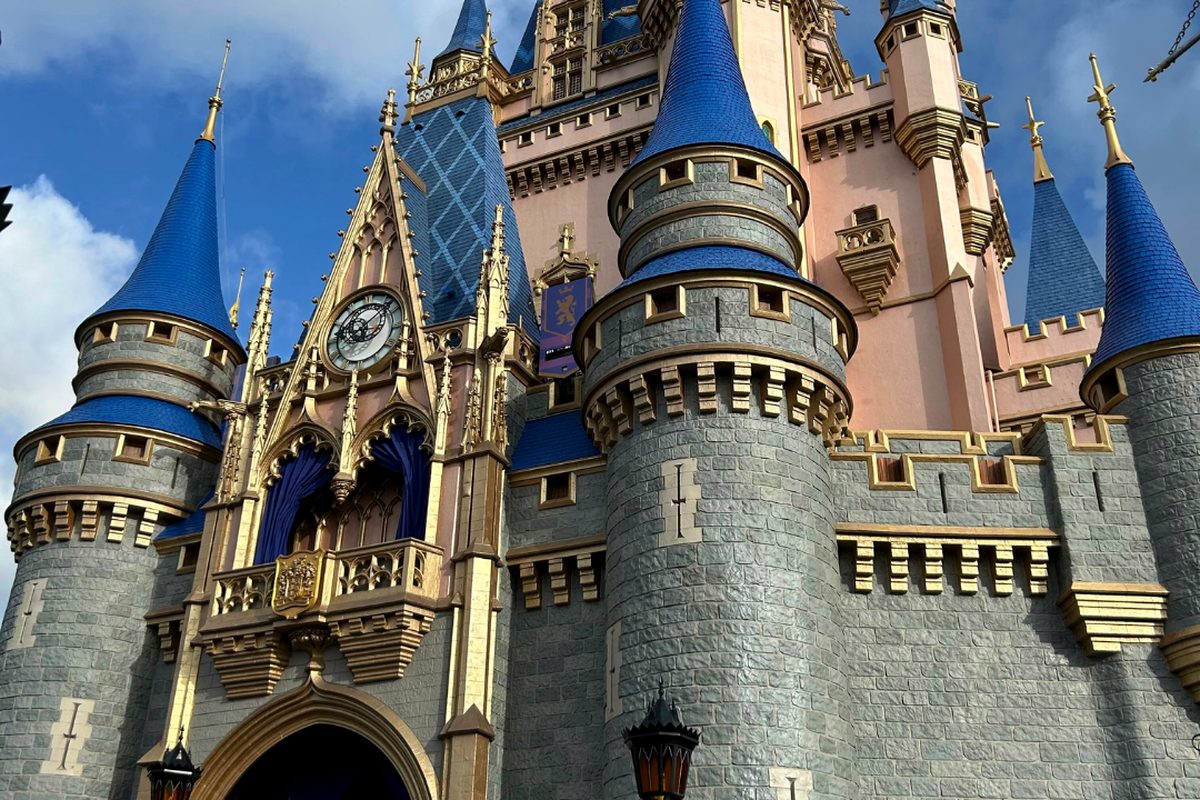

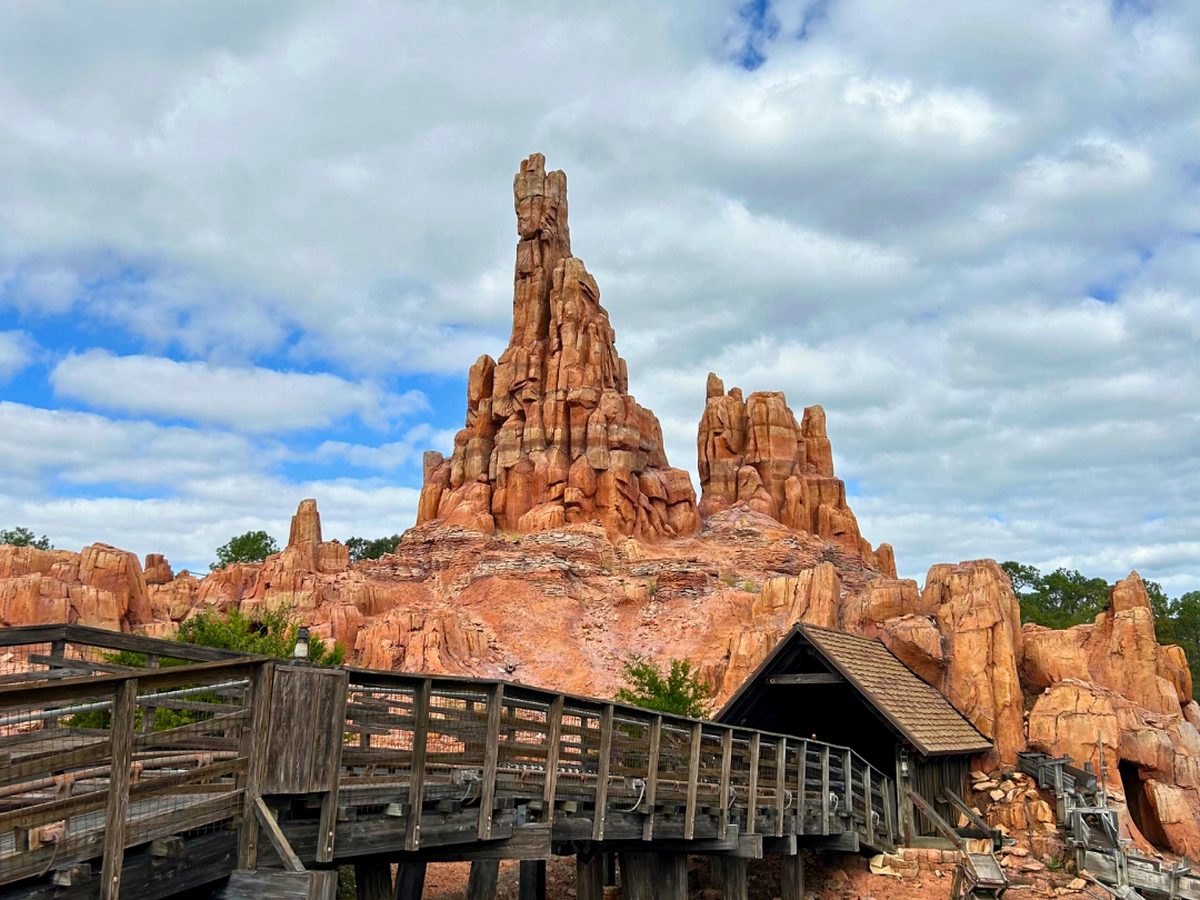
Magic Kingdom
The castle park and the gentlest of the four for young children.
Theme parkEPCOT
Spaceship Earth, the pavilion rides and eleven countries round a lake.
Theme parkHollywood Studios
Star Wars and Toy Story, the headline thrill rides and the strongest shows of the four.
Theme parkAnimal Kingdom
Real animals and a safari, walking trails and the calmest day of the four.
The two water parks
The two water parks, and what each has for young children.
Walt Disney World has two water parks, and each has a large play area built for young children, a lazy river and a wave pool. Blizzard Beach is themed as a half-melted ski resort, with a Frozen-themed area called Tike's Peak for the youngest children. Typhoon Lagoon is themed as a storm-struck beach resort, with one of the largest wave pools in North America and a big children's playground called Ketchakiddee Creek. They tend to open seasonally rather than both at once, so it's worth checking which is open for your dates, and a UK Magic Ticket can include a day at one.
Where to stay
The four price tiers, the hotels in each and the early-entry perk an on-site stay gets you.
Disney's own hotels run in four price tiers, and staying in any of them gets you into a park 30 minutes before it opens to everyone else, every day of your stay. That early half-hour in a near-empty park is often the most useful thing an on-site stay gives a family with young children. On-site guests also get free parking, free Disney transport to the parks and the chance to book dining and Lightning Lane earlier than day visitors.
The Value hotels are the most affordable, with bright, film-themed blocks and food courts rather than restaurants. The Moderate hotels add more grounds, table-service dining and better pools. The Deluxe hotels are the closest to the parks, several of them on the monorail or a short boat ride away, with full restaurants and larger rooms. The Deluxe Villa hotels are Disney Vacation Club properties, which add kitchens and laundry for families who want to self-cater across a longer stay.
Value hotels
The most affordable way to stay on site, with film-themed blocks and food courts. Pop Century, Art of Animation and the three All-Star hotels.
ModerateModerate hotels
More grounds, table-service dining and better pools. Caribbean Beach, Coronado Springs, Port Orleans French Quarter and Riverside, and Fort Wilderness.
DeluxeDeluxe hotels
The closest to the parks, several on the monorail or a short boat ride away. Grand Floridian, Polynesian, Contemporary, Wilderness Lodge, Animal Kingdom Lodge, Beach Club, Yacht Club and BoardWalk Inn.
Deluxe Villa / DVCDeluxe Villa hotels
Disney Vacation Club properties that add kitchens and laundry for a longer self-catering stay. Riviera, Old Key West and Saratoga Springs.
Getting there from the UK
The flight to Orlando, the airport transfer and getting around once you're there.
Almost every UK family flies into Orlando International Airport, the better part of a day's travel once you add the airport at each end, with direct flights from several UK airports. Disney's free airport coach, Magical Express, stopped in 2022, so you arrange the last stretch yourself: a hire car, the shared Mears Connect coach, a private transfer or, for Deluxe and villa guests, a Minnie Van. The airport is about 20 miles (32 km) from Disney, a 25 to 35-minute drive.
A hire car gives you your own schedule and the run of the supermarkets and the wider Orlando area, though you're driving it tired after the flight, and Florida law requires a child seat for younger children. Once you're staying on Disney property, its own buses, boats, monorail and Skyliner gondolas are free and reach the parks and hotels without a car at all.
Tickets and passes
How the tickets are priced, the UK ticket and the paid queue-skip that's always optional.
Walt Disney World prices its tickets by date rather than a flat rate, so the same ticket costs less on a quiet term-time day than in a school holiday, and less again booked early. British families get their own ticket, the Magic Ticket, sold only in the UK and Ireland, which bundles in extras Americans pay separately for, including moving between all four parks from day one and a day at a water park. Under-threes get in free with no ticket, three to nine pay a reduced child rate, and from ten Disney charges the full adult price.
Every ride has an ordinary standby queue that costs nothing. Lightning Lane is the paid way to wait less through a separate lane, booked in the My Disney Experience app, priced per person each day and always optional. With very young children who can't reach the height-restricted headline rides, the free tools such as Rider Switch, which lets one parent wait with a child while the other rides, often matter more than paying to skip the queue. The full tickets and passes guide covers every ticket type, the passes and how to book from the UK with ATOL or ABTA protection.
When to go
What each season is like near Orlando, and how crowds and hurricane season fit in.
Orlando is warm most of the year and hot and humid in summer. From June to August daytime temperatures sit in the low to mid thirties Celsius, with near-daily afternoon thunderstorms that usually pass in half an hour to an hour rather than washing out the day. That stretch is also the UK school-holiday peak, so it's the hottest, wettest and busiest time to go. Hurricane season runs from June to November and peaks between August and October. Orlando sits inland, so a direct hit is rare, but a big storm can close everything for a day or two, which is worth building a little slack into and insuring against when you book.
The cooler, drier months are the easier ones with young children. Late February through April is warm rather than hot, with low rainfall, though Easter brings a crowd bump. November is dry and mild. December to February brings the coolest days, around the low twenties, with chilly evenings that need a layer and pools that can be cold. The most comfortable, least crowded stretches for a family are usually late February to April and late October into November, which fall in UK term time, so a family able to travel outside the school holidays can catch them.
Disney Springs and more to do
The free-to-enter dining and shopping district, and the things to do away from the rides.
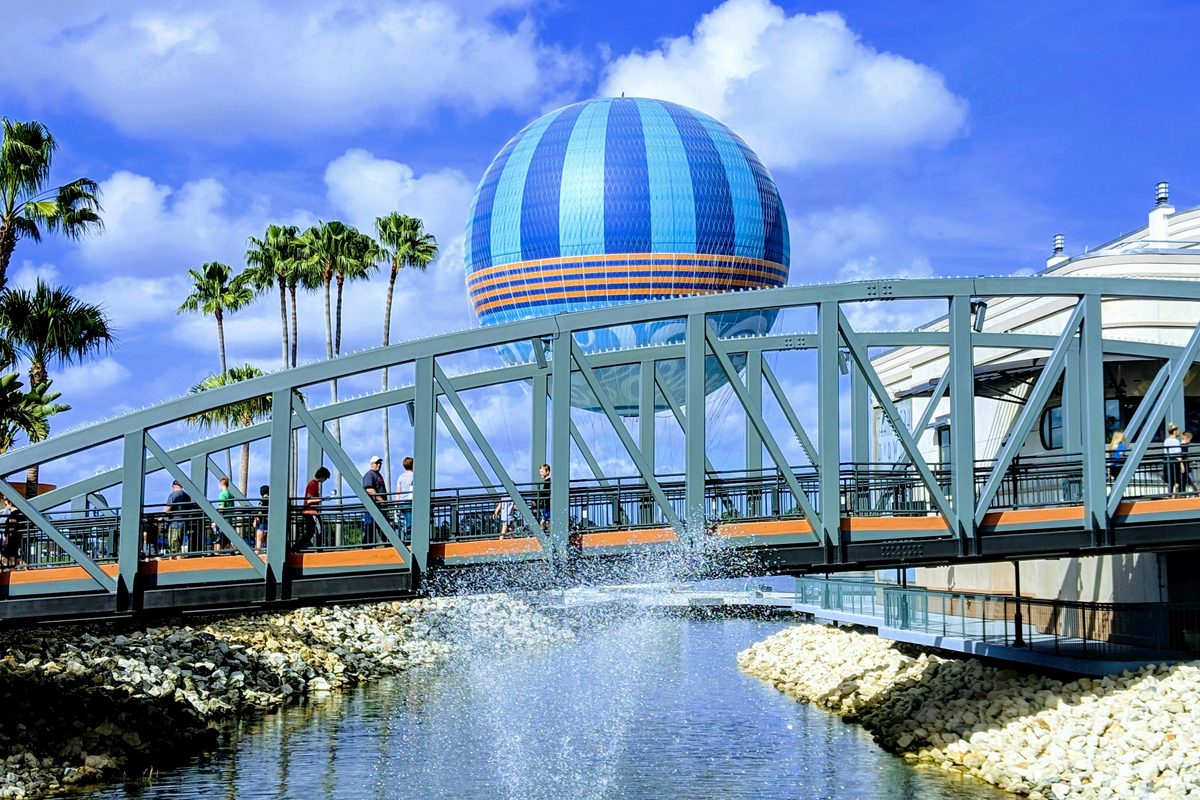
Disney Springs is Walt Disney World's waterfront district of shops and restaurants, a few minutes from the parks. You walk in without a ticket and pay only for what you eat, buy or do, so it makes an easy evening or a break from the parks. For young children there are splash fountains, a carousel, a large LEGO shop and themed restaurants, alongside the grown-up dining and free live music at night.
Beyond the parks and Disney Springs there's more to fill a day, much of it away from the queues. The two water parks are part of it, and so are the mini-golf courses, the marina, pony rides at the stables and evening films by the pool. The full round-up of things to do covers what's a paid treat, what costs nothing and what fills an afternoon.
Questions
A few things families ask before booking, plus useful official links and when this guide was last checked.
Should we do Disneyland Paris or Walt Disney World first?
For most UK families with young children, Disneyland Paris comes first and Walt Disney World later. Paris is a short journey with no jet lag and works as a couple of days, while Florida is a long-haul flight and a bigger holiday that older children tend to get more from. There’s no wrong order, but the practical pull is usually to save the long trip until everyone can manage full days.
Do babies and toddlers need a ticket?
No, under-threes go in with no ticket at all. Watch the top of the range though. The child rate runs from three to nine, and a child who turns ten during the trip pays the full adult price from their birthday, so check each child’s age against your travel dates before you budget.
How many days do we need?
Each of the four parks is a full day, so a trip that wants to see them all needs at least four park days, and most families spread those across a week or two with rest days, a water park and Disney Springs in between. With very young children, a midday break back at the hotel usually matters more than fitting in an extra park.
Is it too hot to visit in summer?
It’s doable, but summer is the hardest stretch with a baby or toddler. If you can only travel in the school holidays, plan for an early start, a long midday break back at the hotel or pool and an evening return. If your dates are flexible at all, a spring or late-autumn week is much easier going.
Do we need to hire a car?
Only if you plan to leave Disney. If you’re staying on Disney property and visiting only Disney you don’t need one, since the buses, boats, monorail and gondolas are free and reach everywhere. Hire a car if you want the supermarkets, meals off-site or a trip to the Gulf beaches or the other Orlando parks, and weigh that against driving it jet-lagged on the first day.
Which water park should we choose?
Often it’s decided for you, since the two tend to take turns being open, so check your dates first. If both are open, Blizzard Beach’s Tike’s Peak is the more contained option for the very youngest, while Typhoon Lagoon suits a mix of ages, with its big wave pool for anyone older in the group.
See more Walt Disney World photos
Every photo of the resort in one gallery, grouped by park and hotel, with each place's own gallery a click further in.
Open the Walt Disney World photo gallery →Useful links
- Walt Disney World: the official UK site for tickets, hotels, park hours and the planning calendar.
- GOV.UK USA travel advice: entry rules, the ESTA and safety updates before you travel.
- Magic Kingdom: our full guide to the gentlest of the four parks for young children.
Last updated 9 July 2026.