Wales with little ones
Wales is really two holidays in one, and they are four hours apart. The south has the beaches: Pembrokeshire and the Gower, Blue Flag sand and Folly Farm for the rain. The north has the mountains, castles and steam trains of Eryri, Anglesey and Llandudno, closer and faster to reach from the Midlands and the north. With young children you pick one region and match it to where you live rather than chase the whole map.
On this page
A family verdict at a glance
The quick read before the detail: who Wales suits, the season to aim for and what to nail down before you book.
Best for
A UK beach week where the sand competes with abroad, plus castles and steam trains, reached without a flight, if you base in one region.
Maybe not for
Not for you if you want warm sea, reliable sun, or to tour the whole country with a small child in the back.
Best ages
Babies to preschoolers everywhere. The mountain walks and the bigger adventures suit older children.
Best regions
Pembrokeshire for the south, Llandudno or Anglesey for the north. Cardiff for an easy city break without a car.
Why families pick it
No flight, Blue Flag beaches, castles that are free for under-fives, little steam trains and a strong rainy-day plan in every region.
Check before you book
An indoor plan for the rain, the tide times for the cut-off beaches, and a cot at the base.
Pick a region, not the country
Wales is small on a map but slow to cross. The north and the south are about four hours apart, joined down the middle by the A470, a winding single-carriageway road that always takes longer than the satnav promises. So a single holiday covers one region, not the lot, and trying to split a week between Pembrokeshire and Eryri turns it into three long drives and three unpackings with a toddler.
Either half is a strong family holiday on its own, and which you choose mostly comes down to where you set off from. The south, Pembrokeshire and the Gower, has the best beaches and Folly Farm, but it is a long drive from most of England, as far from London as a crossing to France. The north, Eryri, Anglesey and Llandudno, is closer and faster to reach from the Midlands and the north on the A55, with its own mix of beaches, castles and steam trains. The drive from home is usually what settles which one to pick.
A quick gut checkIs Wales right for your family?
Worth comparing if
You want a proper UK beach holiday without a flight, you like the idea of castles and steam trains, and you will base in one region and plan around the weather.
Weigh it up if
You need warm sea or reliable sun, you want to see the whole country in a week, or a four-hour drive to the south-west puts you off.
To sort out before booking
An indoor option in case of rain, the tide times for any cut-off beach, a cot at the base and any medicine your child relies on.
The numbers, the basics and the ages
Everything you'd want to skim first: the quick facts, the everyday practicalities and how Wales changes as children grow.
Quick facts for UK families
The basics for a Wales trip
- The south is for beaches, the north for mountains, castles and trains.
- The west coast and the mountains are wet; Anglesey and the east are drier, so book accordingly.
- The sea is cold all year, so the water is for paddling, not swimming, with small children.
- Road signs are in Welsh and English together, so place names are easy to follow.
- The hub towns have full supermarkets; rural west Wales and the mountain villages thin out, so stock up first.
- A car is needed almost everywhere except Cardiff and the main north coast towns.
Wales by age and stage
Babies
A self-catering base near a gentle beach, a carrier for the coast paths and castles, and warm waterproof layers whatever the month.
Toddlers
Sand and rock pools, Folly Farm and the Sea Zoo, a short steam train and a free run round a castle. Base in one region.
Preschoolers
The right age for the bigger steam railways, Bluestone or a Haven park, castle exploring and a paddle in a wetsuit.
Young children
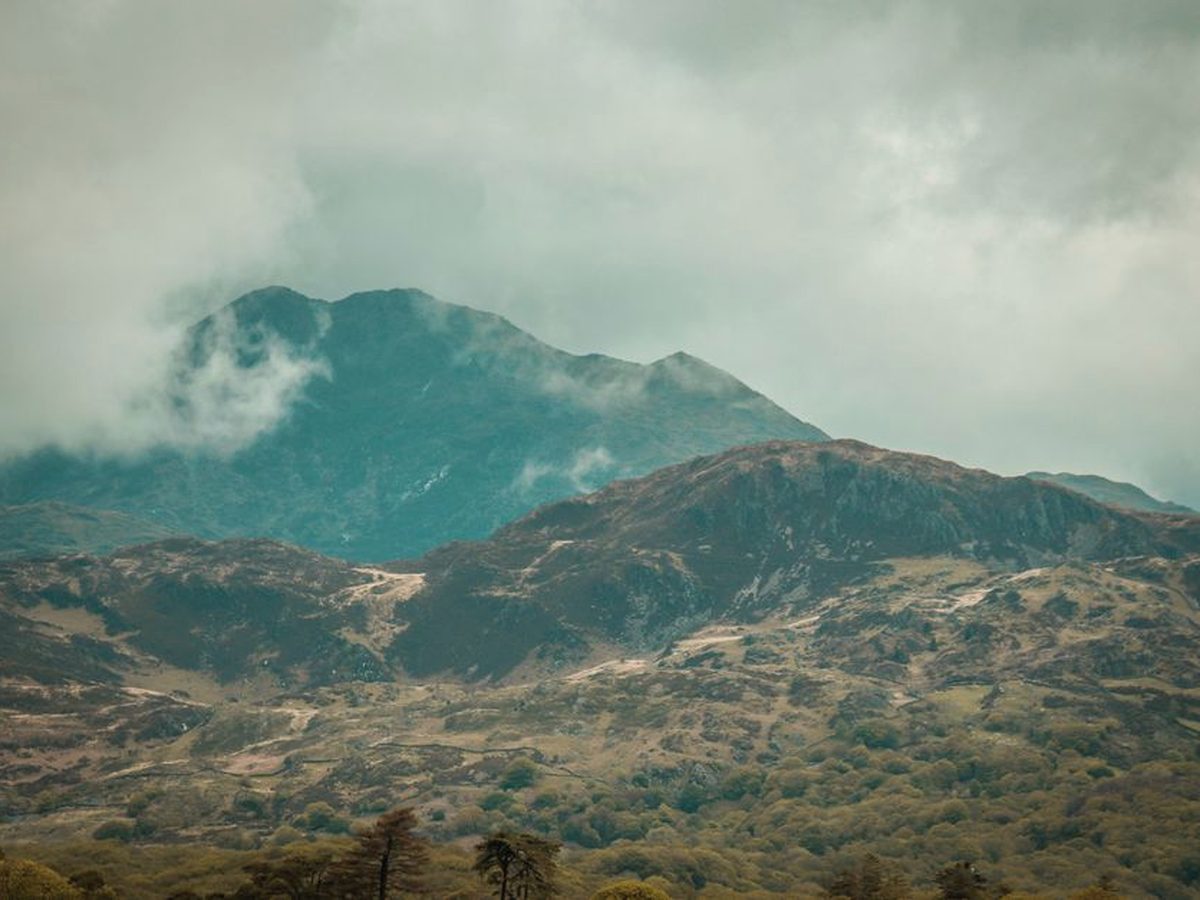
The longer coast walks, the slate caverns, the mountain railway up Yr Wyddfa, and you can start the first proper hill days.
Where to base yourselves
The family regions side by side, an orientation map and the beaches and water with little ones.
Where to stay with young children
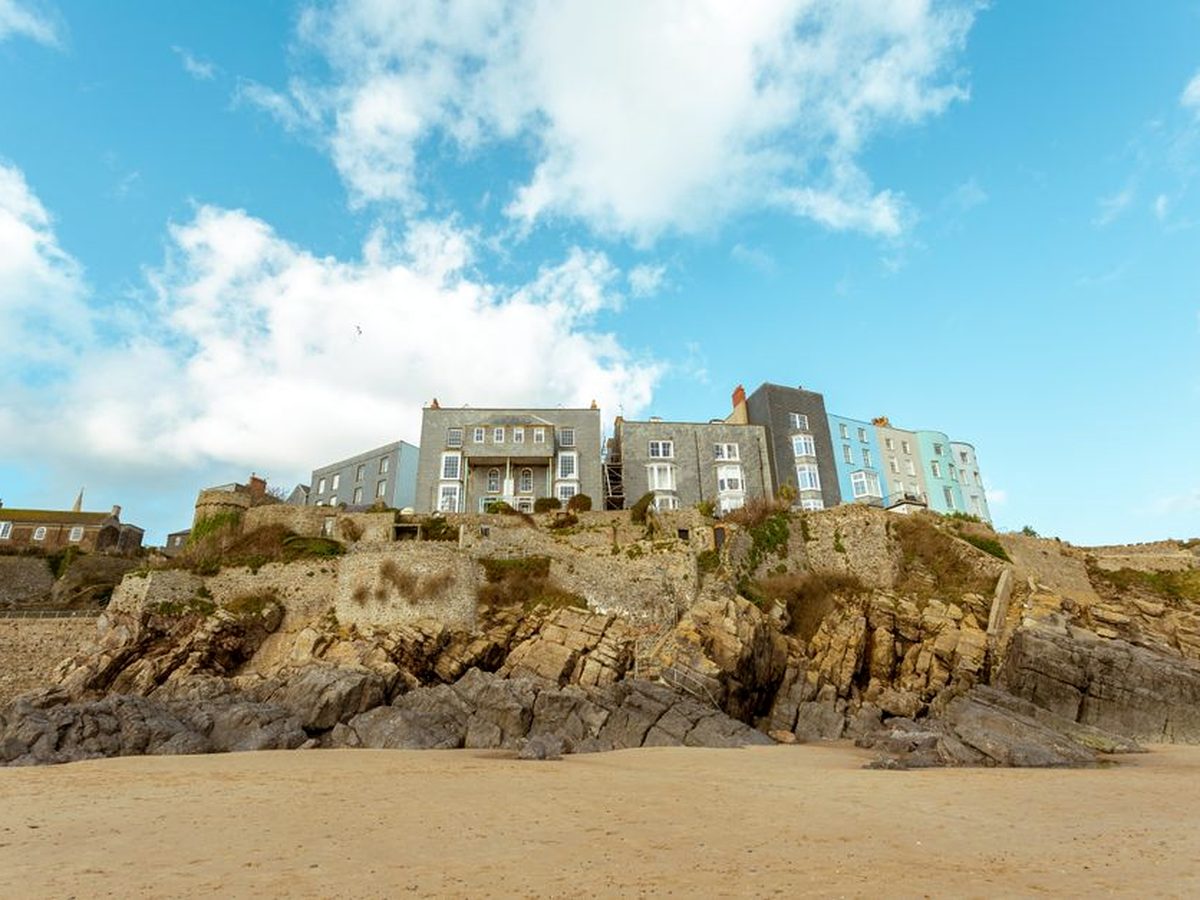
In the south, Tenby is the default Pembrokeshire base: a small walled town with two good beaches beside it, though it is jammed in peak summer and a spot within walking distance of the sand or with its own parking is worth a lot. Saundersfoot nearby is quieter with its own beach, and Bluestone, a self-contained resort inside the national park with an indoor water park and soft play, is less a base than the whole holiday. The Gower is best reached from Mumbles, just outside Swansea, which keeps you off the narrow lanes.
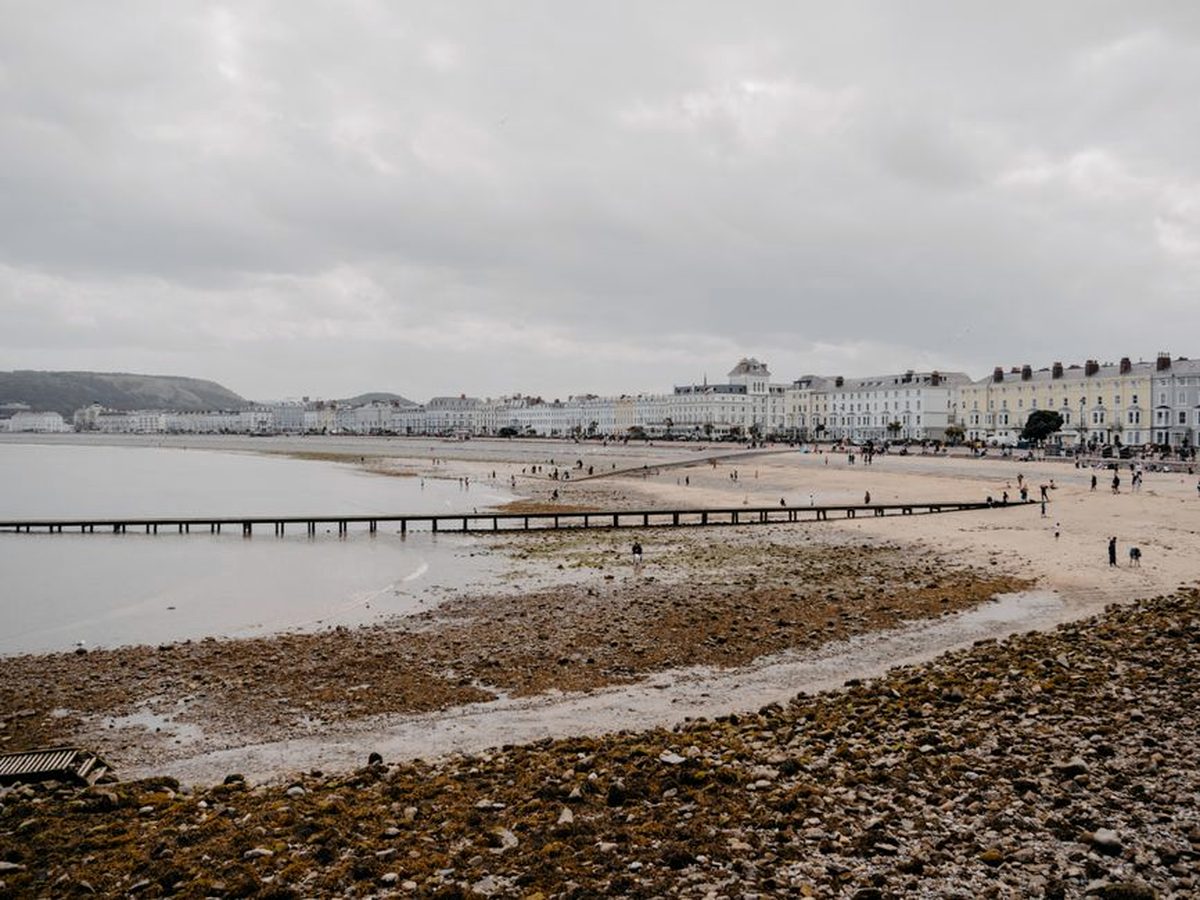
In the north, Llandudno is the best-equipped base: a Victorian promenade resort with two beaches, the Great Orme tram, a train station and the mountains within driving distance. Anglesey suits a flatter beach week, with Beaumaris and Trearddur Bay as easy bases. For the mountains themselves, Betws-y-Coed is the most convenient Eryri village, with cafes, riverside walks and the steam railways close by, while Beddgelert is a small stone village where two rivers meet. Cardiff works as a city base in its own right or as a stop on the way west.
Across both halves, a well-equipped self-catering cottage is the model most families use, because you keep your own mealtimes and bedtimes. Look for one that confirms a cot, a high chair and a stair gate, and that is close enough to a supermarket town to make the first big shop easy.
| Region | In short | The feel | Good for |
|---|---|---|---|
| Pembrokeshire | The all-round beach base | The strongest family beach region in Wales: Blue Flag sand at Tenby South and Saundersfoot, Folly Farm for any weather, and the Bluestone resort. A long drive from most of England. | A classic beach week |
| Gower | Beaches near Swansea | Sandy bays an hour from Cardiff. Caswell Bay is the easy toddler beach; Three Cliffs and Rhossili are the big-view beaches but a walk down with steps and no facilities. | A short beach break in the south |
| Eryri (Snowdonia) | Mountains and steam trains | The mountains and outdoors side: narrow-gauge steam railways, slate caverns, castles and lakes. Wet and steep-sided, so it needs an indoor plan and a carrier over a buggy. | Train-mad toddlers and the outdoors |
| Anglesey | The flatter beach island | Long sandy beaches on a flatter island off the north-west tip, drier than the mountains next door. Benllech is the gentle toddler beach; Sea Zoo for rain. | A north Wales beach week |
| Llandudno and the north coast | The easy Victorian resort | The most accessible part of Wales from the Midlands and north, on the fast A55 and the train line. A proper promenade resort with the Great Orme tram and goats. | A first trip and rainy-day cover |
| Brecon Beacons (Bannau Brycheiniog) | Waterfalls and walking | Upland country in the south: showcaves, a mountain railway, flat canal towpaths for the buggy and dark skies. Not a beach base, best paired with Cardiff. | Walking families and big skies |
| Cardiff and the south | The easy city | A compact capital you can do without a car, with the free St Fagans museum and Techniquest. Under two hours by train from London; a good add-on to a west Wales week. | A city break or a stopover |
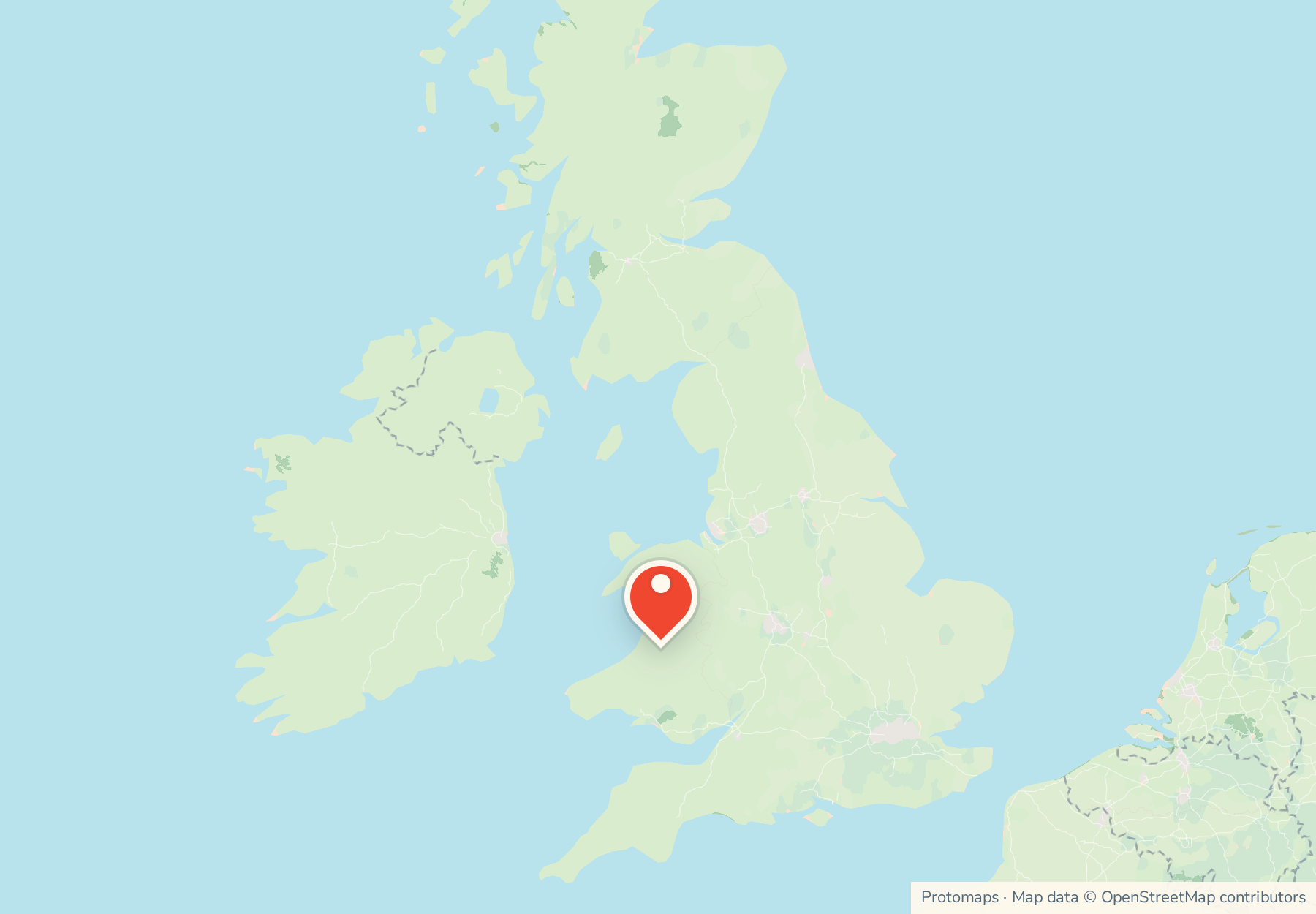
Map of the main family regions
An orientation map of the regions above and the bigger days out. The numbers match the key beneath.
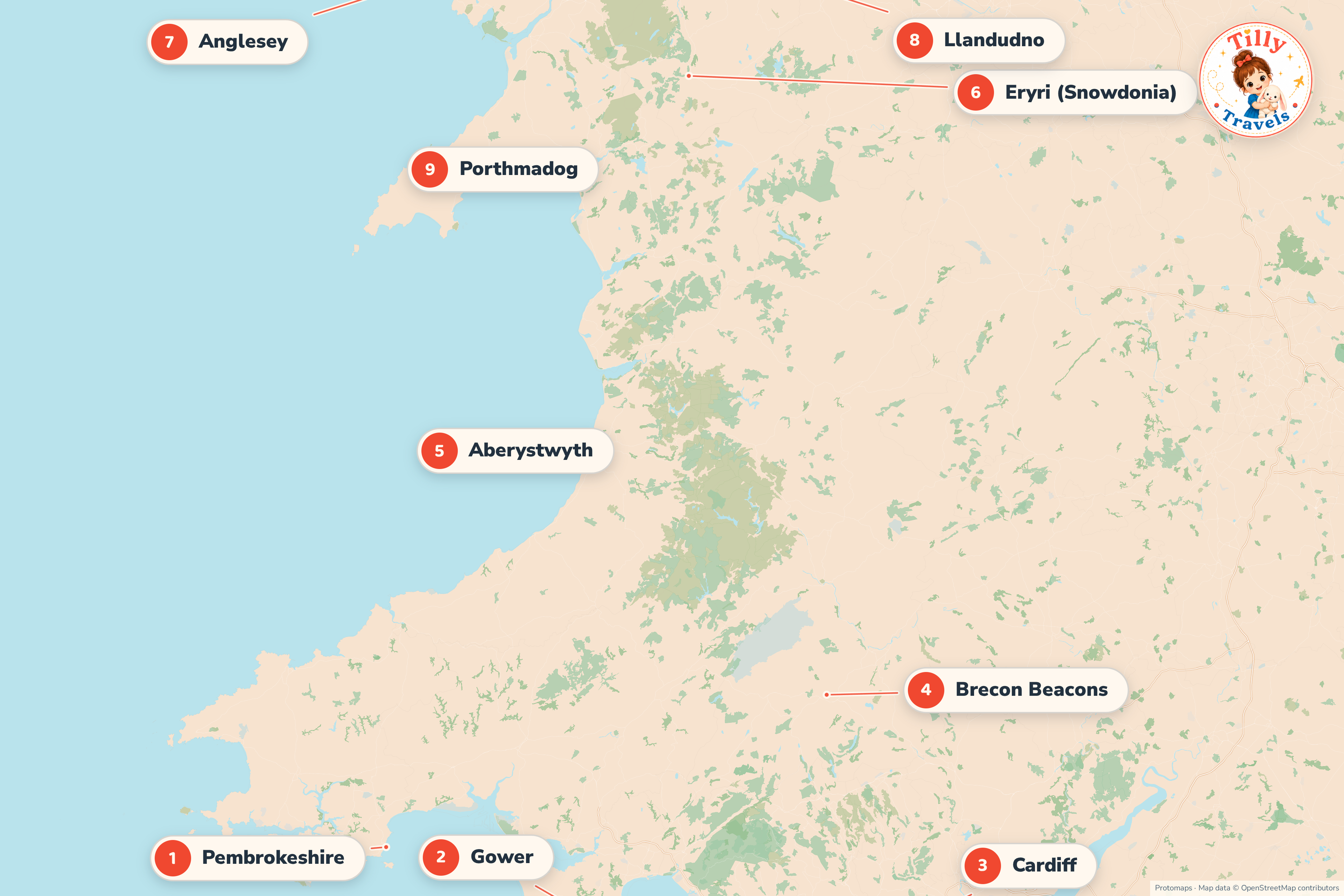
- 1Pembrokeshire The beach region
- 2Gower Beaches near Swansea
- 3Cardiff The easy city
- 4Brecon Beacons Waterfalls and walking
- 5Aberystwyth The mid-Wales coast
- 6Eryri (Snowdonia) Mountains and trains
- 7Anglesey The flat beach island
- 8Llandudno The north coast resort
- 9Porthmadog The steam-railway hub
Beaches and water with little ones
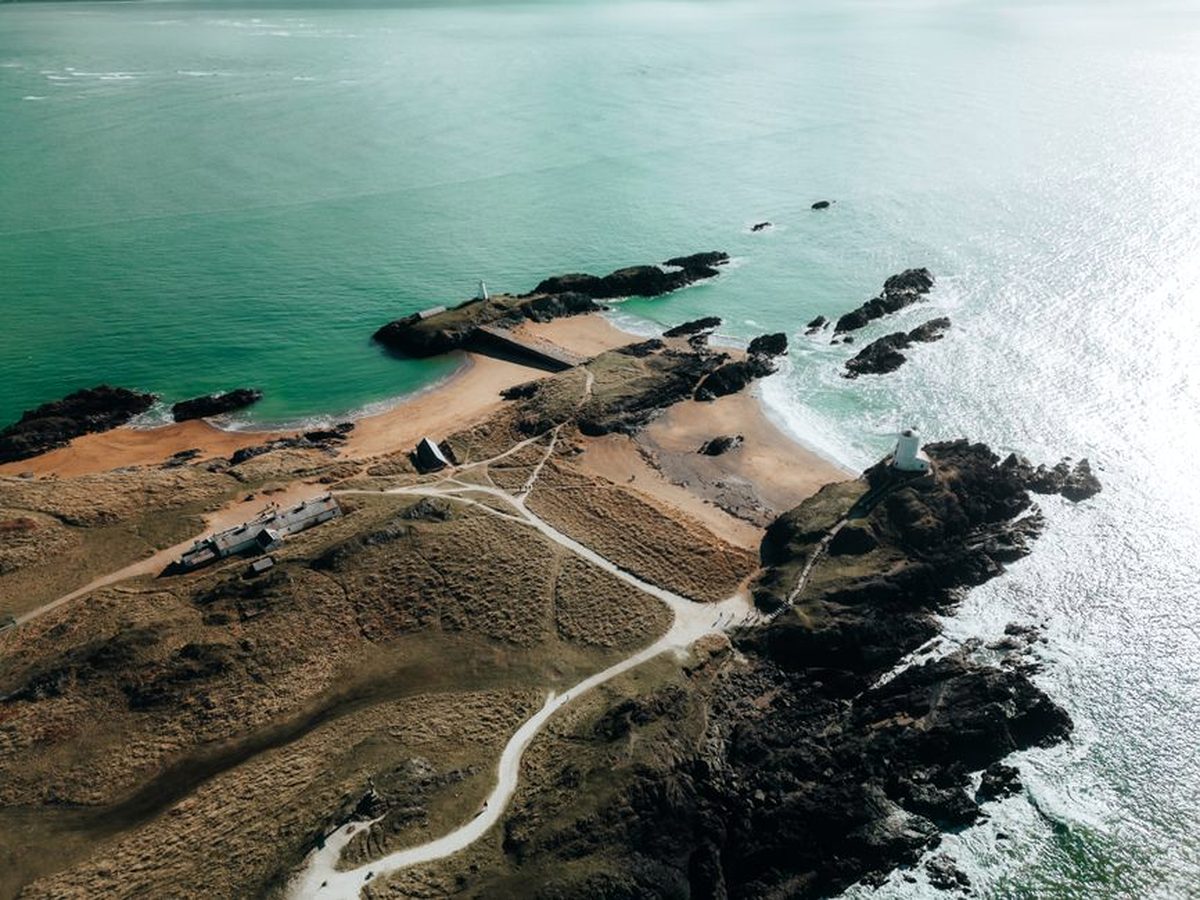
Pembrokeshire has the densest run of Blue Flag sand, the clean-water award you will see on a flag at the beach: Tenby South is long and gently sloping with a boardwalk for the buggy, Saundersfoot has a sheltered harbour and Whitesands has good family facilities at its calmer southern end. The calmest spot in Tenby is the small harbour beach, tucked behind the wall with no waves. Tenby’s North Beach has lost its Blue Flag for water quality more than once, so check the latest bathing-water rating before swimming there. On the Gower, Caswell Bay is the toddler default: a short sandy bay close to Swansea with a car park, cafe and one of the longer lifeguard seasons. In the north, Benllech on Anglesey shelves so gently that you can wade out a long way and still be ankle deep, and Llandudno West Shore has far better sand than the stony main beach. Near Porthmadog, Black Rock Sands lets you drive onto the beach itself, which means the buggy, the picnic and the windbreak stay by the car.
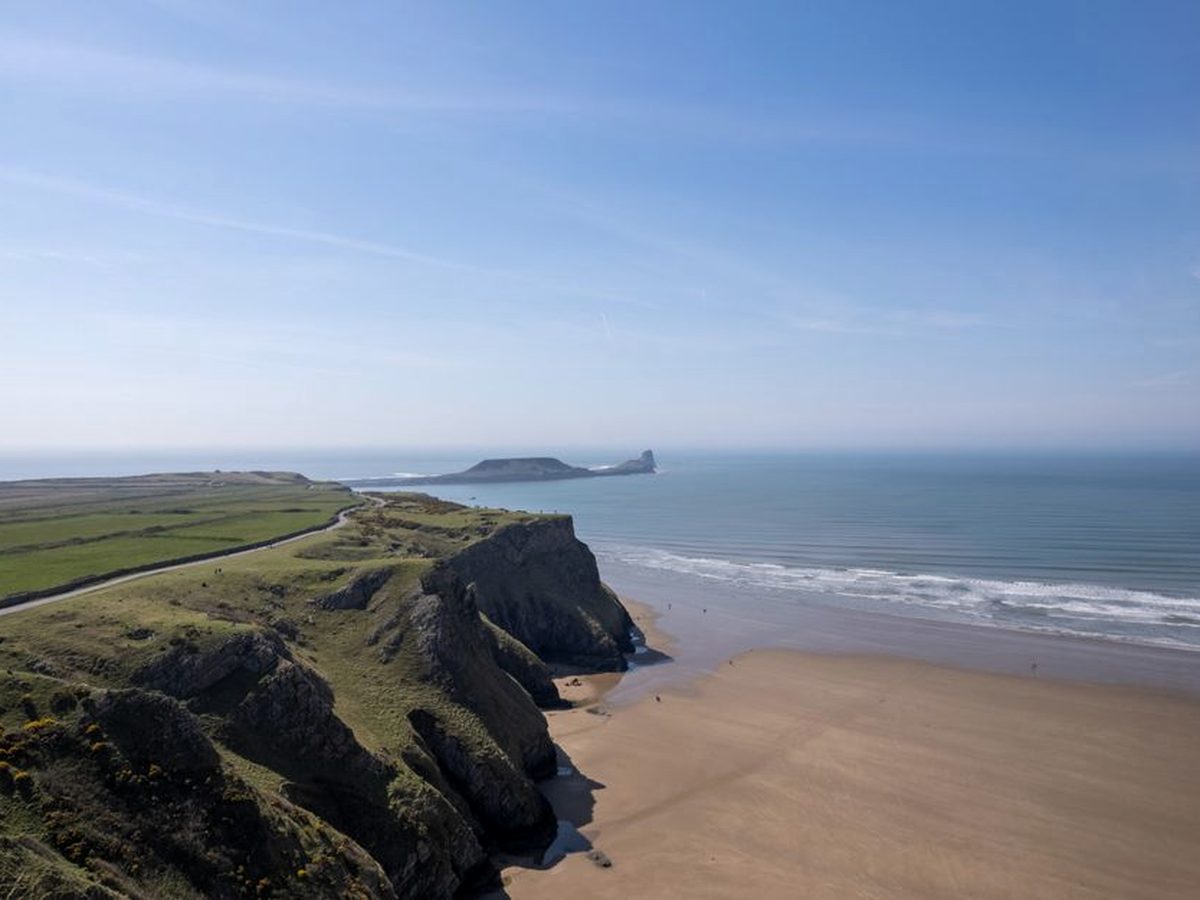
The sea is cold, peaking at around 17 degrees in late summer, so this is paddling, sandcastles and rock pools rather than swimming, and a children’s wetsuit hired from a surf shop makes a real difference. A few of the best-known beaches are hard work with a toddler: Barafundle, Rhossili and Three Cliffs all involve a walk down with steps and no facilities at the bottom, so they suit a child who can walk the route, or an adult carrying them, not a buggy day.
Beach safety is the one part of a Welsh holiday worth taking seriously. Swim only between the red-and-yellow flags, keep toddlers to ankle depth on the surf beaches, and check the tide times before any beach that can cut off.
Weather, wet days and days out
When to go, the rainy-day plan, the days out that suit small children, eating out and where to stock up.
Weather across the year
Welsh weather is mild but wet, and wetter the further west and the higher you go: the Pembrokeshire coast and the Eryri mountains get a lot of rain, while Anglesey, sheltered behind the mountains, is among the drier parts. Expect a shower on any day and have an indoor option ready. The sea-temperature column below is a rough guide to how bearable the water is.
| Month | Daytime high | Overnight low | Rain | Wet days | Sea temp |
|---|---|---|---|---|---|
| January | 8° | 3.5° | 90 mm | 15 | 9° |
| February | 8° | 3° | 67 mm | 12 | 8° |
| March | 9.5° | 4° | 57 mm | 11 | 8° |
| April | 11.5° | 5.5° | 54 mm | 11 | 9° |
| May | 14.5° | 8° | 55 mm | 10 | 11° |
| June | 16.5° | 10.5° | 60 mm | 10 | 14° |
| July | 18.5° | 12.5° | 67 mm | 11 | 16° |
| August | 18.5° | 12.5° | 75 mm | 12 | 17° |
| September | 16.5° | 11° | 71 mm | 12 | 17° |
| October | 13.5° | 9° | 107 mm | 15 | 15° |
| November | 10.5° | 6° | 117 mm | 17 | 13° |
| December | 8.5° | 4° | 107 mm | 16 | 10° |
Typical monthly averages from weather-station records. Sea temperature is the open-water figure, so a sheltered bay can feel a degree or two warmer.
For a family with young children, early June is the best window, before the English schools break up: full facilities, decent weather and lower prices. Mid-September is a close second, with the summer crowds gone and prices down. July and August bring the best weather but the biggest crowds and prices, and Tenby and Eryri in particular get very full.
The rainy-day planWhen it rains
Rain is part of a Welsh holiday, so plan at least one indoor option per region before you go. In Pembrokeshire that is Folly Farm, where half the site is under cover, with Heatherton and Pembroke Castle as back-ups; if you stay at Bluestone, the indoor water park and soft play suit any weather.
In the north, the Anglesey Sea Zoo is fully indoors, Llandudno keeps you dry along the covered seafront and arcades, and Caernarfon and Conwy castles have sheltered rooms and towers to explore. In the south-east, Cardiff is strong in the wet, with the free St Fagans museum (you can fill much of a rainy day there), the National Museum and the Techniquest science centre, all good for little ones. A base with its own pool or soft play means the forecast matters less.
Filling the daysThings to do with little ones
In the south, Folly Farm near Tenby is the big one: a zoo, rare-breed farm, vintage fairground and indoor play under one ticket, and you can keep the receipt for a free return within a week. Bluestone is the self-contained resort option, with a water park geared to younger children. In the north, GreenWood between Bangor and Caernarfon and the Anglesey Sea Zoo are the toddler day-outs, and Zip World Betws-y-Coed has a treetop net and a mini trail aimed at the youngest, while many activities at the other sites start at age five or seven.
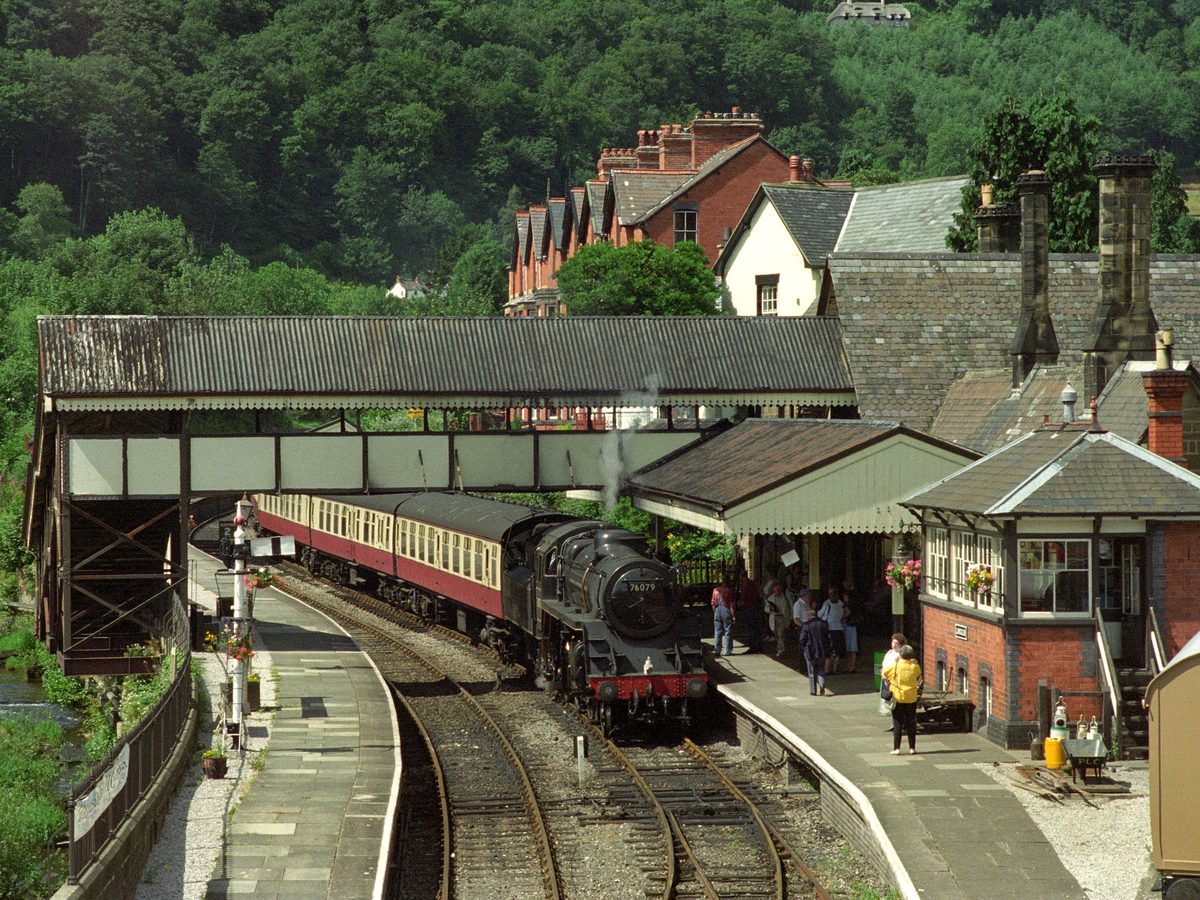
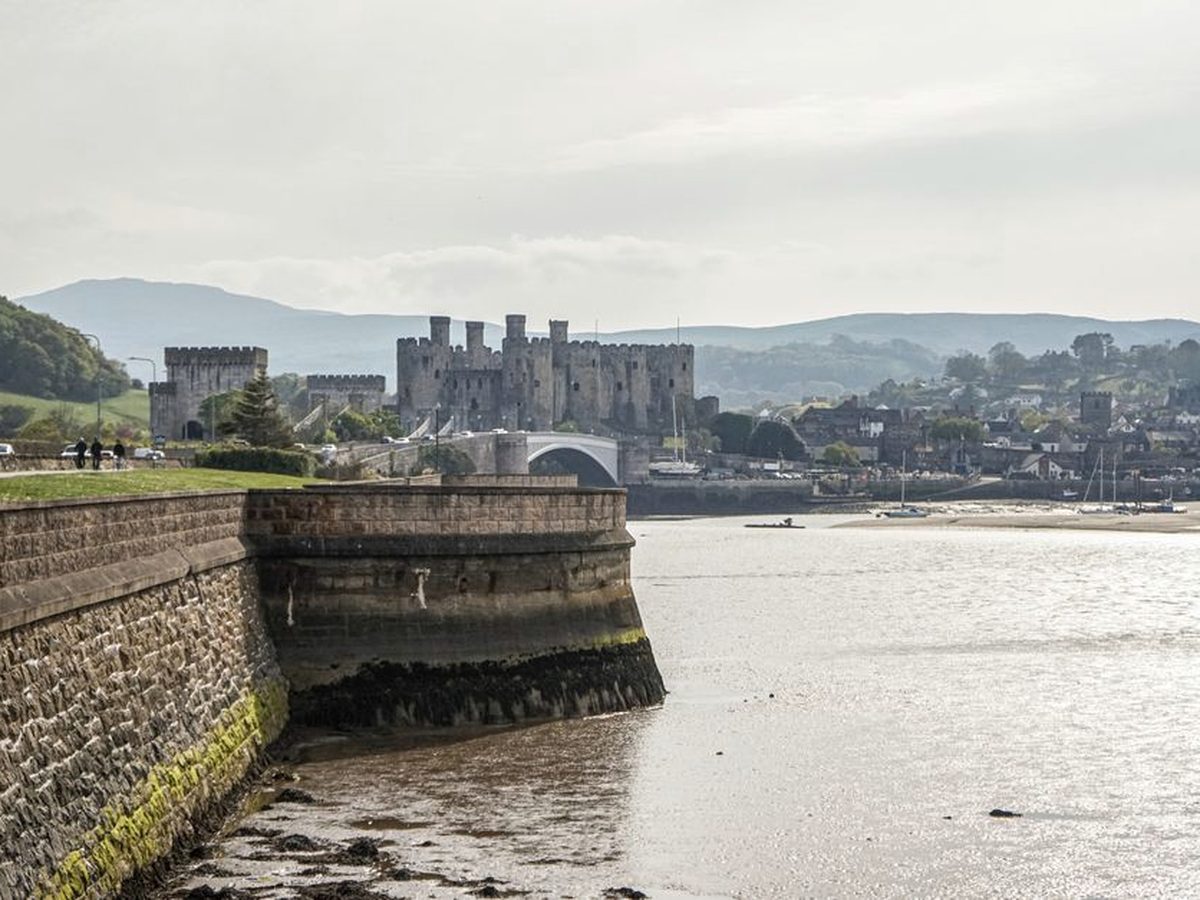
Castles and steam trains are two of the best things to do here with small children. Over 600 castles, free for under-fives at the Cadw sites, and a castle is really a car-free space to run around in, with towers to peer up and staircases children find more exciting than scary; Conwy, Caernarfon and Beaumaris are the biggest and most complete, and the under-twos are happiest in the grass courtyards. The narrow-gauge steam railways, small trains built for the old slate quarries, are slow, gentle and the right length for a toddler: the Ffestiniog and Welsh Highland from Porthmadog, the Talyllyn from Tywyn and the rack railway up Yr Wyddfa from Llanberis. Do part of a line rather than the whole thing; on the Ffestiniog, getting off at Tan-y-Bwlch, about 45 minutes each way, gives you a playground and a woodland walk before the train back, which beats the full run up to Blaenau with a small child. Up on the Great Orme above Llandudno, the Victorian tram and the half-wild goats at the top are a free toddler favourite.
Eating out with children
The resort towns are easy, with cafes, family pubs, children's menus and high chairs the norm: Tenby and Llandudno are the best-served. In rural west Wales and the mountain villages the choice thins and places keep shorter or seasonal hours, so a quick check of opening times before you drive out, and booking ahead in summer, saves a wasted trip.
The simple food suits children: fresh fish and chips in the harbour towns, Welsh cakes (small, flat, lightly spiced fruit scones, sold warm and easy in a small hand) and cawl, a thick lamb and leek broth that makes good toddler food in a bowl. A fold-up seat that clamps onto the edge of a table is worth packing for the smaller places with no high chair, and self-catering makes early bedtimes easier.
Nappies, milk and the big shopSupplies and pharmacies
Shopping is straightforward in the hub towns: Haverfordwest and Carmarthen for the south-west, Caernarfon and Bangor for the north-west, and the towns along the north coast all have full supermarkets. Nappies, wipes, formula and baby food are easy to find there, and most chains will deliver to a self-catering address where the signal allows.
The gaps are the small places: St Davids, Beddgelert, Betws-y-Coed and the like may have only a village shop, and prices run higher. So the sensible move is a big shop in a hub town before you head somewhere remote, and bringing a little more than you think you need. A chemist can be half an hour away in rural areas, so stock the basics before you go.
Getting around, a real week and the admin
Getting around, what a week actually looks like, the health and admin and a list to pack against.
Getting there and around
How you arrive depends on which half you are headed for. The M4 runs into the south-west: Bristol to Cardiff is under an hour, and Cardiff on to Tenby another two. The A55 along the north coast is fast, dual carriageway most of the way, and reaches Llandudno and Anglesey quickly from the Midlands and the north. The A470 between the two is the slow link, single carriageway for much of its length. The train reaches Cardiff from London in under two hours, and Llandudno and Conwy on the north coast are reachable by rail too.
Once there, Cardiff and the main north coast towns work without a car, but everywhere else, the beaches, the parks, the castles and the railways, needs one, because rural buses are sparse and awkward with a buggy. Parking fills early at the popular spots in summer, so arrive in the morning. Underfoot, the promenades, the canal towpaths and trails like the Mawddach near Barmouth are buggy-friendly, and the flat riverside Gelert's Grave loop at Beddgelert, about a mile (1.6 km), is one of the easiest toddler walks in Eryri. Castle interiors, dune-backed beaches, coast paths and the mountains want a carrier; an all-terrain buggy with chunky tyres lets you reach a lot more than a lightweight stroller.
What a real week looks likeA realistic week with little ones
Arrive, settle in and do the big shop in the nearest town, then a gentle first beach or a harbour stroll near the base while everyone finds their feet.
A full morning on the sand: arrive early in summer before the car park fills, build castles and hunt rock pools, then back for the nap.
One main outing with the nap protected: Folly Farm in the south, or a steam train and a castle in the north. Half a day is plenty for a small child.
Hold one day loose for the forecast: a quieter cove and an ice cream if it's fine, an indoor plan if it rains.
A slow morning at the favourite beach, then leave by early afternoon to miss the worst of the Friday traffic home.
Spend a few mornings on the sand, take one big day out at a time with the nap protected, and hold a flexible day back for the forecast. Most of the week is beach time and walks, not a relentless tour.
The practical adminHealth and admin
A&E sits at Haverfordwest (Pembrokeshire), Aberystwyth (the mid-Wales coast), Bangor (the north-west and Anglesey), and Cardiff and Swansea in the south. In rural west Wales and the mountains the nearest one can be 30 to 60 minutes away on slow roads, and the mobile signal is patchy. On a remote stay, carry enough of any regular medicine, a first-aid kit and a tick-removal tool, and know your route to the nearest hospital.
The outdoor risks are worth planning for, none of them a reason to stay in. The sea matters most: keep toddlers to ankle depth on the surf beaches like Freshwater West and Newgale, where rip currents have caused mass rescues, and check the tide times before any beach that cuts off: Worm’s Head and Three Cliffs on the Gower, Llanddwyn on Anglesey and Llandudno West Shore. Never let a child swim in a reservoir, and treat every lake, river and sea as cold and deep; Wales has a drowning rate close to double the UK average. In the mountains, the tops can be much colder, wetter and windier than a sunny valley, so leave Yr Wyddfa on foot for older children and take the railway instead. Ticks live in long grass, bracken and heather and can carry Lyme disease, so cover legs on country walks and check children afterwards. In fields, give cows with calves a wide berth, especially with a buggy.
Before you payBooking checklist
- Match your region to where you set off from: for a beach week, Pembrokeshire in the south or Anglesey and Llandudno in the north.
- Plan at least one indoor option per region for the rain.
- Check the tide times for any cut-off beach, and only swim between the lifeguard flags.
- Pack or hire a children’s wetsuit for the cold sea, and warm waterproof layers whatever the month.
- Book Tenby or Eryri accommodation and restaurants well ahead for July and August.
- Consider Cadw family membership if you plan three or more castle visits.
- Aim for early June or mid-September for the best mix of weather, sea and low crowds.
- Confirm a cot and a high chair at the base, and a base near a supermarket town.
- Bring enough of any medicine your child relies on, plus a tick tool for country walks.
Resort guides in Wales
We've researched these places to stay in Wales for families with young children. Each guide covers what it's like, who it suits and what to check before you book.
Questions, links and the last word
The things families ask most, the official pages worth a bookmark and when this guide was last refreshed.
Common parent questions
Can we really do Wales with a toddler?
Yes, if you treat the drive home as part of the plan. From London or the south-east the south-west is a long haul, as far as a Channel crossing, so an overnight stop on the way down can save a fraught first day. From the Midlands or the north, the A55 puts Llandudno and Anglesey within easy reach for a Friday-to-Friday week. Wherever you set off from, break the journey, time it around a nap, and keep the first afternoon gentle.
Which region suits a first trip?
If it is your first time travelling with a small child, pick the region that asks the least of you. Llandudno is the gentlest start: a flat promenade, a beach, a tram and a station all in one town, with mountains for a day trip if you fancy one. A self-contained resort like Bluestone in Pembrokeshire is the other low-effort option, because everything is on site and you barely touch the car once you arrive. Save the lane-heavy bases like the inner Gower or a remote Eryri village for a trip when you know what your child can handle.
Is the sea warm enough to swim?
Not for proper swimming with a small child, but fine for paddling and rock-pooling if you plan around it. A cheap children's wetsuit, hired from a beach surf shop or bought before you go, keeps a child in the water far longer than bare skin will. Time the paddle for the afternoon once the tide has run over warmed sand, and bring a thermos and a towelling robe for after.
How safe are the beaches?
A lifeguarded beach in season is the safe default. The RNLI patrols the busier Welsh beaches, Tenby South, Whitesands, Rhossili, Caswell and others, roughly from late May to mid-September, with daily cover in the school holidays and weekends-only at the shoulders. Check the RNLI site for this year's dates and which beaches are patrolled before you book, because cover thins out in September. Off-season, or at an unpatrolled cove, there is no one watching the water, so the cautions in the health section below matter more.
Do we need a car?
For almost any trip outside Cardiff and the main north coast towns, yes. The thing to plan for is not the driving but the parking: beach car parks at Tenby, Rhossili and the popular Eryri spots fill by mid-morning in summer, and many take card or a parking app rather than coins, so download the app and arrive early. The lanes to the Gower and the smaller coves are single-track with passing places, slow going with a tired toddler in the back, which is another reason to pick a base near the beach you want most.
What about the weather and rainy days?
Pack as if it will rain at some point, because it usually does. Full waterproofs and wellies for the children, a change of clothes in the car, and a beach is still fine in light rain with the right gear on. For the heavier days, the indoor venues are in the rainy-day section above. Book the popular ones, Folly Farm or the Sea Zoo, the night before, since everyone else has the same idea the moment the forecast turns.
Are the castles and steam trains good for little ones?
Both suit this age well. Under-fives go free at the Cadw castles, but if you plan three or more visits a Cadw family membership pays for itself, so do the sums before the first gate. On the steam railways, a return ticket usually lets a small child travel free on a parent's lap, and an open-sided carriage on a dry day lets a toddler feel the wind and wave at the engine. Keep the ride short and do part of a line rather than the whole length.
What if someone is ill or hurt?
For the everyday stuff, a temperature, an ear infection, a cut that needs more than a plaster, a pharmacy is your first stop and most can give advice and treat minor ailments without an appointment. NHS 111 Wales (call 111 or use the website) will tell you where to go and is the number to know for an out-of-hours worry. A&E distances in the remote west are covered in the health section below; the practical point is to register the nearest pharmacy and minor-injuries unit to your base on arrival, before you need them.
See more Wales photos
Open the photo gallery →Useful links
- Visit Wales: regions, attractions and what's on while you're there.
- RNLI lifeguarded beaches: which beaches are patrolled and the season dates.
- Cadw: the castles and historic sites, prices and family membership.
- Tide Times: check before any cut-off beach or causeway.
- NHS 111 Wales: non-emergency medical advice while you're there.
Last updated 17 June 2026.