Crete with little ones
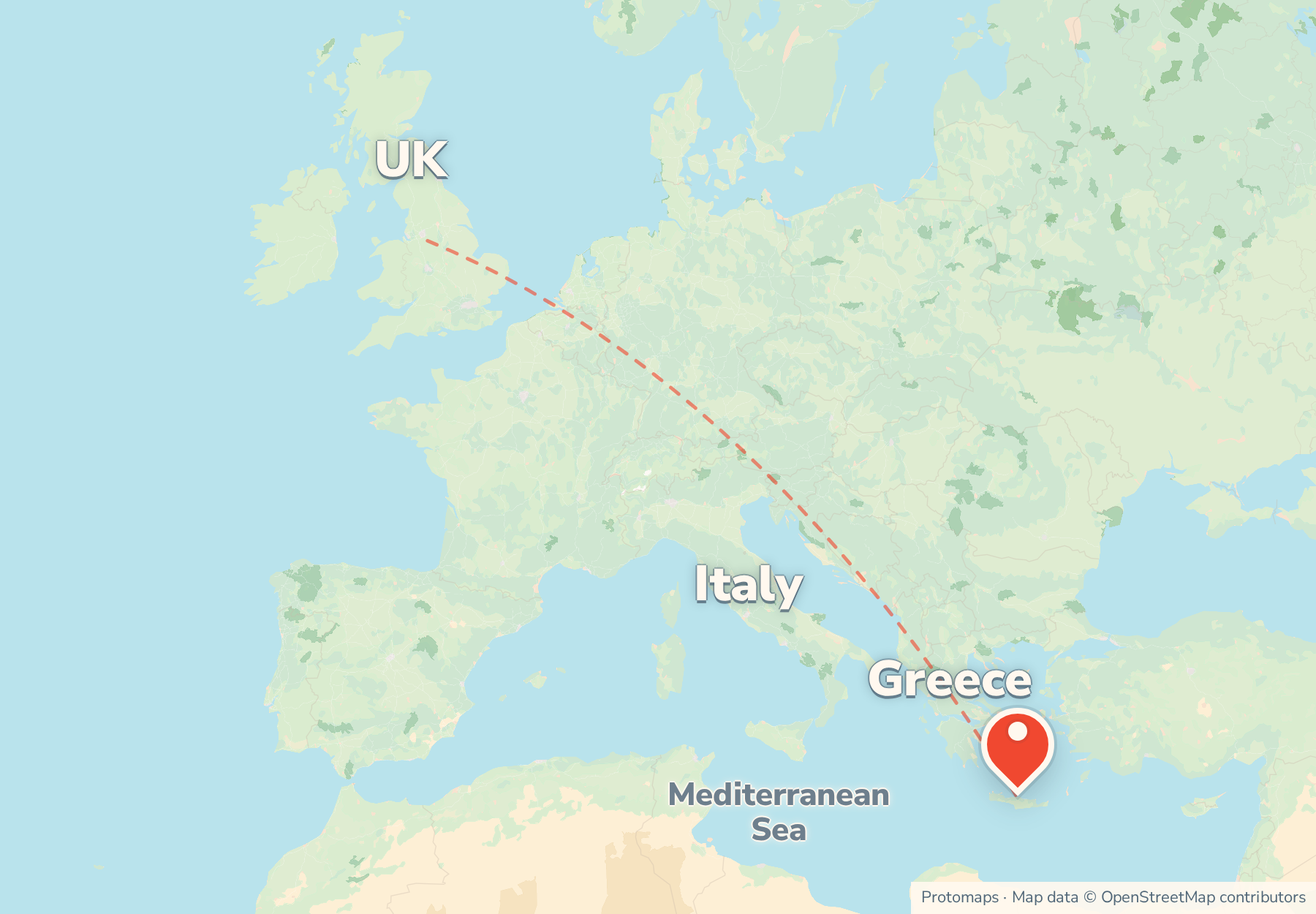
Crete is Greece's biggest island: 161 miles (260 km) end to end, with mountains down the middle, two international airports 87 miles (140 km) apart and a season that runs longer than anywhere else in Greece. It's too big to plan like a small island, so the first choice is west or east.
On this page
A family verdict at a glance
The quick read before the detail: who Crete suits, the season to aim for and what to nail down before you book.
Best for
A long, warm season with sheltered sandy bays, tavernas that fuss over children and towns behind the beaches with hospitals, pharmacies and year-round life.
Maybe not for
Anyone hoping to see the whole island. Touring it with a toddler means hours in the car, so most families pick one end and stay put.
Best ages
Babies and toddlers do well in the shoulder months, when the sea is warm, the heat is gentler and the crowds have thinned.
Best areas
Agii Apostoli or Kalyves in the west; Agia Pelagia, Stalis or the Mirabello gulf in the east; Rethymno if you want both culture and sand.
Why families pick it
A 24 to 25 degree September sea, sheltered coves on both coasts and a wet-weather lineup of aquarium, museum and palace.
Check before you book
That your flight lands at the airport matching your resort. The two airports are far apart and package sites don't check the pairing.
Pick an end before you pick a hotel
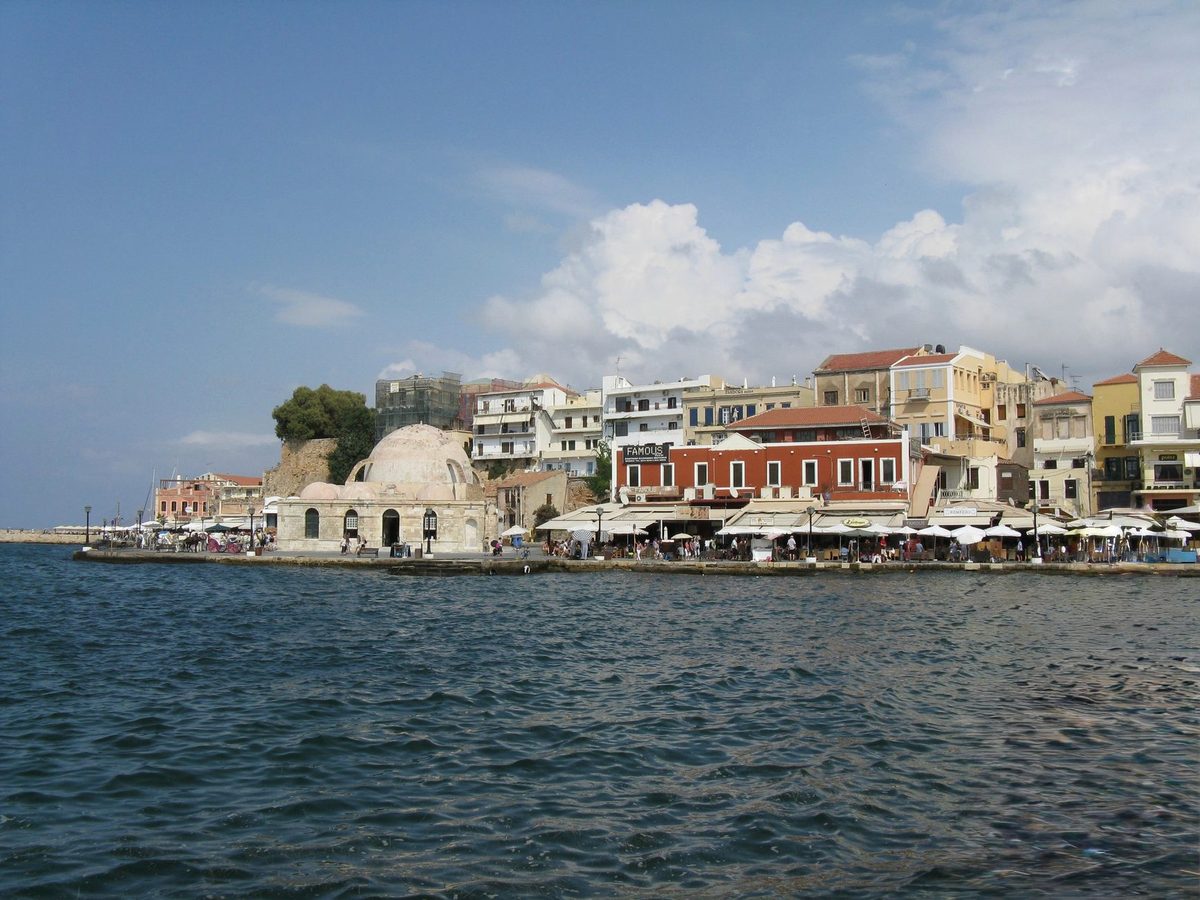
Crete is 161 miles (260 km) east to west, its two main cities are two to two and a half hours apart by car, and nearly everything in between is mountain. The west is reached from Chania: the Venetian harbour, green foothills, sheltered coves and the famous lagoons. The east and centre are reached from Heraklion: the sheltered Gulf of Mirabello, the aquarium, Knossos and the shortest transfers on the island.
Heraklion and Chania both take direct UK flights, often from the same UK airport on different days, and nothing stops a package site selling you an Elounda hotel with a Chania flight, a combination that costs you three hours or more in a transfer each way with a small child. Rethymno, about 75 to 80 minutes from either airport, is the one base where the flight choice doesn't matter.
A quick gut checkIs Crete right for your family?
Worth comparing if
You want Greek warmth with more season than the smaller islands, sheltered sandy bays for small children and proper towns, museums and an aquarium for the days the beach doesn't fill.
Weigh it up if
You're picturing one base from which to see the whole island, or a July or August trip where afternoon wind on the north coast would spoil the second swim.
To sort out before booking
The transfer with a child seat, whether your beach is sheltered from the summer wind, the cot and the air conditioning.
The facts, the basics and the ages
Everything to skim first: the quick facts, the everyday practicalities and how Crete changes as children grow.
Quick facts for UK families
Money, plugs, language and the basics
- Crete is Greece's largest island and its southernmost major one, which is why its season runs longer than the rest of the country's.
- The currency is the euro. Cards are widely accepted, though village tavernas often prefer cash.
- Sockets are the round two-pin European type, so UK plugs need an adapter. The voltage matches the UK.
- The language is Greek. English is spoken throughout the resorts and menus are translated.
- Tap water in the towns is officially safe, and Chania's comes from mountain springs, though many people drink bottled for taste. For feeds, use boiled tap water in towns or low-sodium bottled water.
- Your GHIC card works in Greece for state healthcare, and 112 is the emergency number, the same as the rest of the EU.
- Crete has more Blue Flag beaches than any other region of Greece, the flag marking water quality, safety and facilities.
Crete by age and stage
Babies
June or September, a sheltered bay, a short transfer from the right airport and big hospitals and pharmacies at both ends of the island.
Toddlers
Morning swims in sheltered coves, knee-deep lagoons as the big day out and tavernas where a 9pm toddler raises no eyebrows.
Preschoolers
Old enough for the aquarium's shark tanks, the ten-minute boat to Spinalonga and the dinosaur park.
Young children
The waterparks, the labyrinth park and a first proper look at Knossos come into range. The Samaria Gorge is still a teenagers' day out.
Where to base yourselves
The two ends and the areas between them, an orientation map, and what the beaches and the wind are really like.
Where to stay with young children
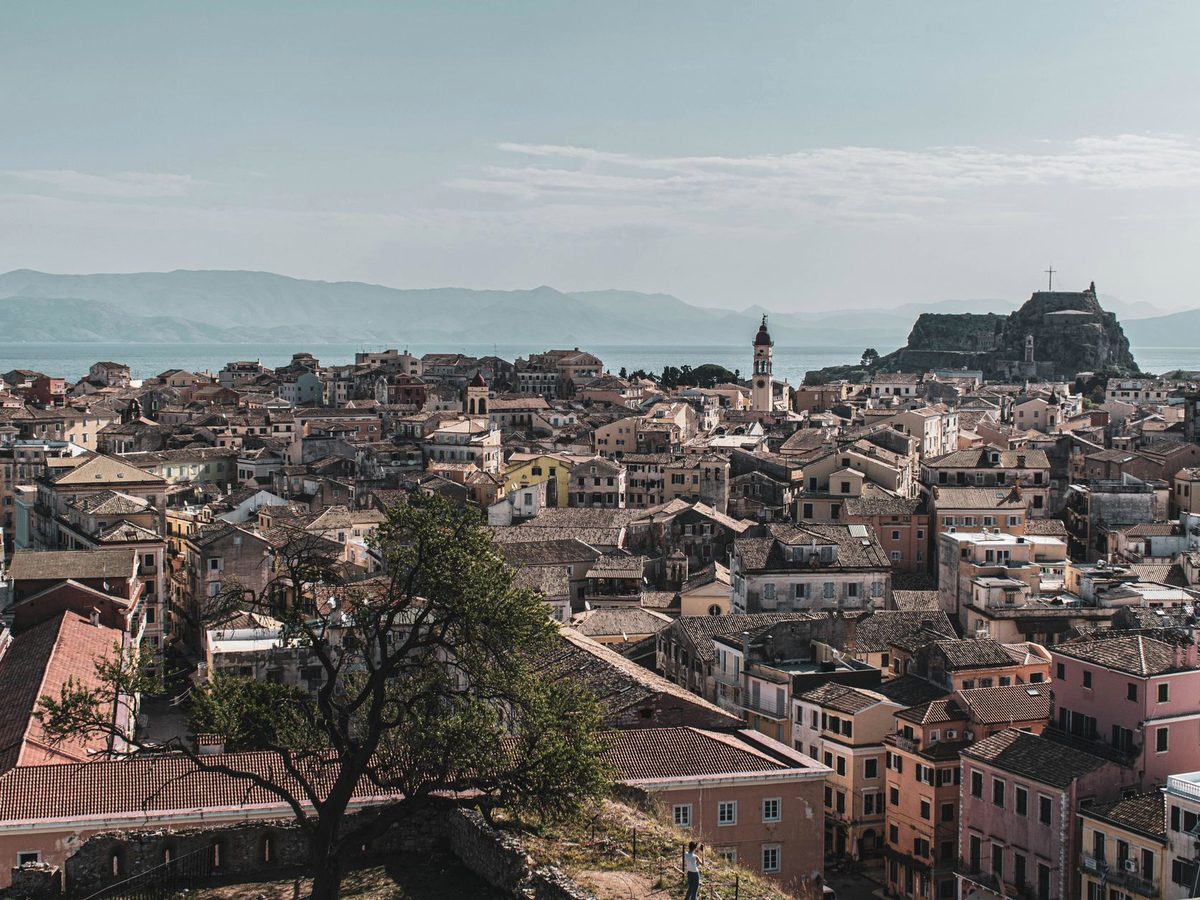
In the west, Chania town itself works as a base in a way few Greek old towns do, because Nea Chora beach, sandy, shallow and lifeguarded in season, is ten minutes' walk from the Venetian harbour. The better toddler water is just west at Agii Apostoli, with small pine-backed sheltered coves between the headlands when the open coast is breezy. The package strip runs from Agia Marina to Platanias, and the two halves differ: the Agia Marina stretch is 2 miles (3 km) of shallow golden sand, while Platanias beach itself mixes pebbles at the waterline and deepens quickly. Further east, Kalyves and Almyrida are low-rise villages inside the shelter of Souda Bay, with Kalyves the calmer of the two. Georgioupolis, where a river meets the sea under eucalyptus trees, has strong currents along its long beach and a record of drownings, so families swim in the lifeguarded sections and the shallow river end, not along the open sand.
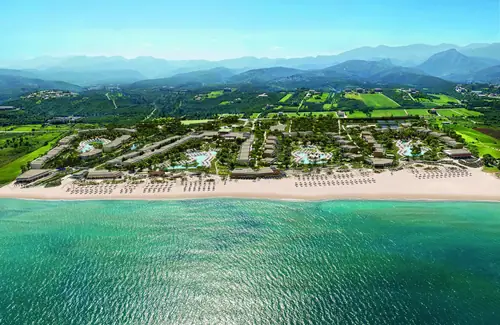
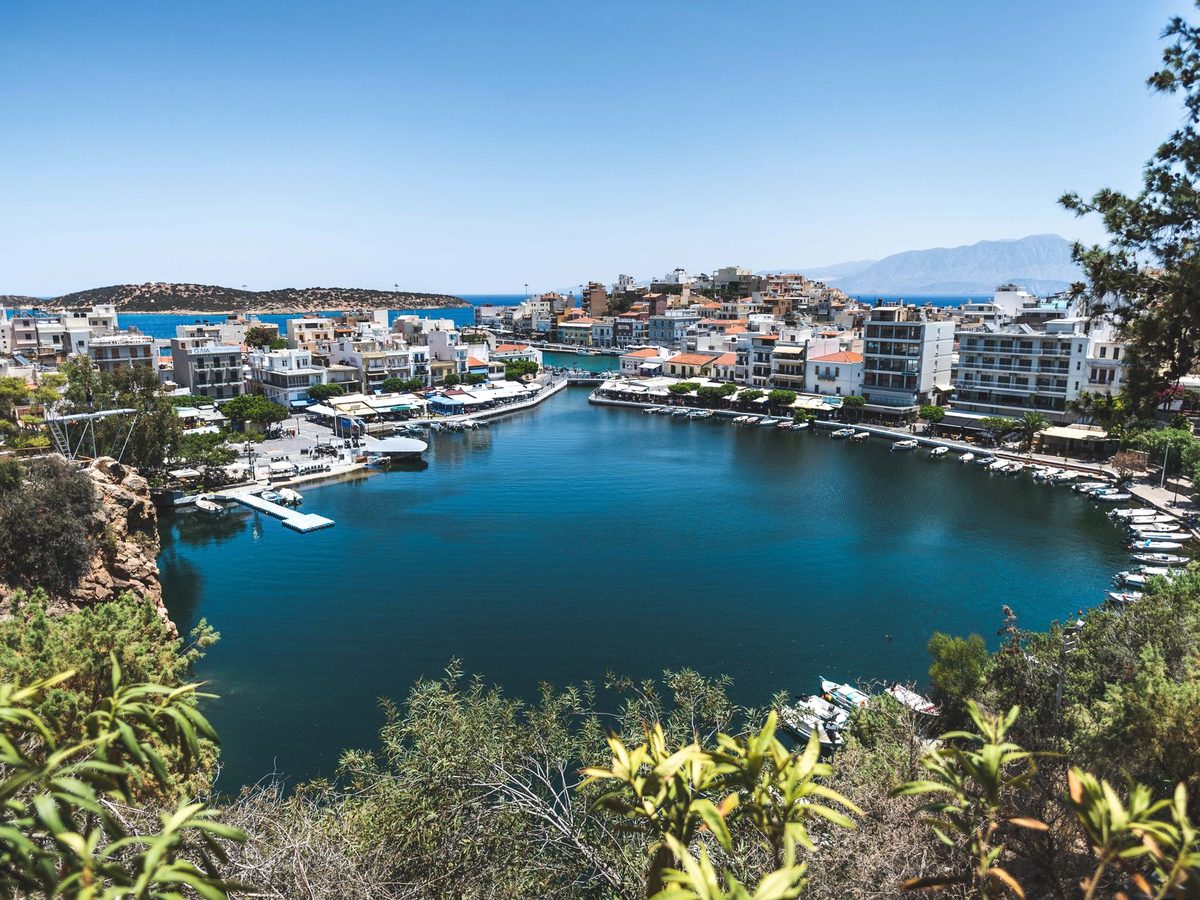
On the Heraklion side, how sheltered the beach is matters most. Agia Pelagia stacks around a horseshoe bay, sheltered from the wind, half an hour from the airport. Gouves is a plain, practical resort with the aquarium on its doorstep, and Analipsi next door keeps a village square and tavernas alongside its big family hotels. Hersonissos and Malia's nightlife is concentrated on specific strips: Stalis between them is a quiet family beach on the same 4-mile (6 km) bay, and the stone villages on the hill behind Hersonissos are taverna country. Furthest east, Agios Nikolaos is a working harbour town with the lifeguarded, Blue Flag Almyros beach a footpath away, and Elounda's hotel enclave sits on water so sheltered by the Spinalonga peninsula that it's nearly wave-free. Elounda's one drawback is the transfer: 50 to 70 minutes, the longest of these bases.
Between the two ends at Rethymno, a preserved Venetian old town sits directly beside kilometres of gently shelving sand, 75 to 80 minutes from either airport. Its beach faces north like the rest, so it gets the same afternoon wind.
| Area | Airport and transfer | The beach | The feel |
|---|---|---|---|
| Chania town and Agii Apostoli | Chania, 20 to 30 min | Nea Chora by the town; sheltered sandy coves at Agii Apostoli | The Venetian harbour and old town with a beach attached. Agii Apostoli's protected coves are the best toddler water near the city. |
| Platanias and Agia Marina | Chania, 30 to 45 min | Agia Marina is long, sandy and shallow; Platanias itself deepens quickly | The west's package strip, with everything on the doorstep. For small children, stay on the Agia Marina stretch. |
| Georgioupolis | Chania, 45 to 50 min | Long sand, but with strong currents; the river end is the safe shallow corner | A river-mouth town shaded by eucalyptus. Swim only in the lifeguarded sections here. |
| Rethymno | Either airport, about 75 to 80 min | A long, gently shelving town beach below a Venetian old town | Culture and bucket-and-spade in one place, between the two ends. |
| Agia Pelagia | Heraklion, about 30 min | A horseshoe bay sheltered from the wind | A village stacked around a sheltered bay, half an hour from Heraklion airport. |
| Hersonissos and Stalis | Heraklion, 25 to 35 min | Long shallow sand at Stalis; lifeguarded | Stalis sits between Hersonissos and Malia, far enough from both strips to ignore them. |
| Agios Nikolaos and Elounda | Heraklion, 50 to 70 min | Sheltered gulf water that's nearly wave-free at Elounda | A working harbour town and an upmarket hotel enclave on the calmest water in Crete. The longest transfer on this list. |
Map of the main family areas
An orientation map of the areas above, both airports and the bigger days out. The numbers match the key beneath.
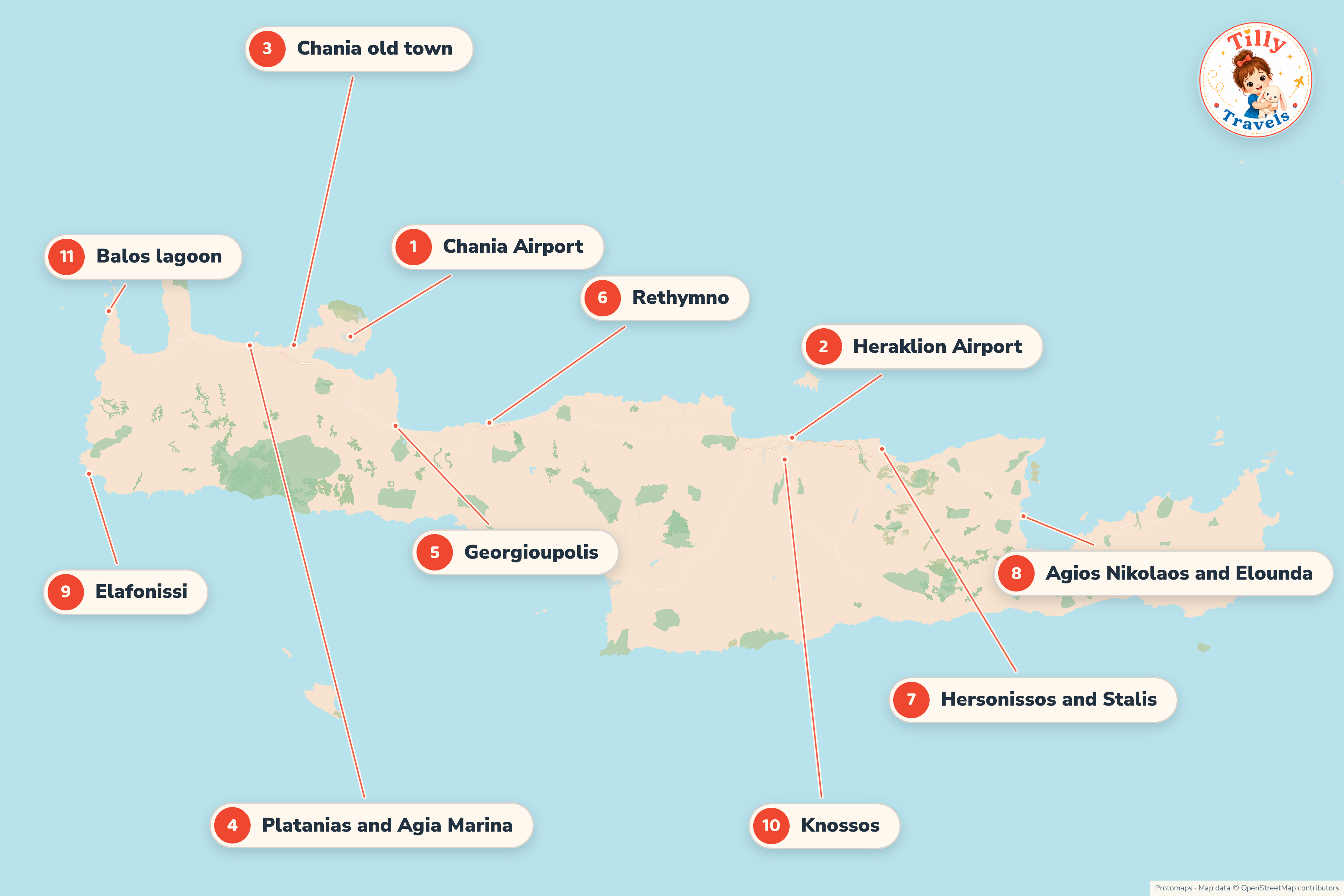
- 1Chania Airport For the west
- 2Heraklion Airport For the centre and east
- 3Chania old town The Venetian harbour
- 4Platanias and Agia Marina The western strip
- 5Georgioupolis River town; swim lifeguarded
- 6Rethymno Old town plus long sand
- 7Hersonissos and Stalis Stalis is the family middle
- 8Agios Nikolaos and Elounda The calmest gulf
- 9Elafonissi The pink-sand lagoon day
- 10Knossos The Minoan palace
- 11Balos lagoon Boat, not buggy
Wind, mornings and lagoons
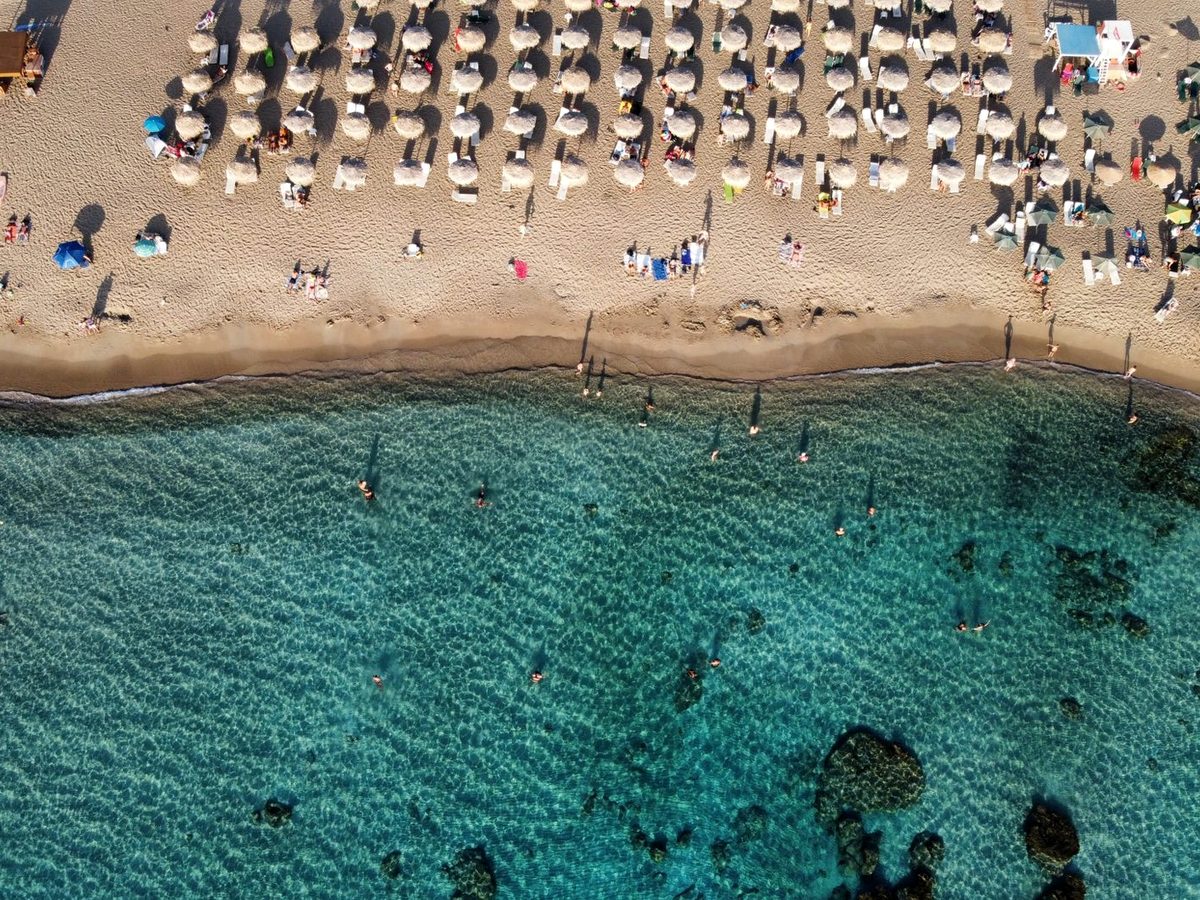
The meltemi, a dry north wind, blows from mid-May to mid-September, almost daily in July and August, building mid-morning and easing at sunset. Nearly all the resorts face north into it, so afternoons bring chop and wind-blown sand while mornings stay calm. In practice that means sea in the morning, the pool or the old town after the nap, and a preference for the naturally sheltered spots, Agii Apostoli's coves, Souda Bay at Kalyves, the Mirabello gulf and Agia Pelagia's horseshoe. Lifeguards staff the busy beaches from June to the end of September, and the flags follow the usual system: red means stay out.
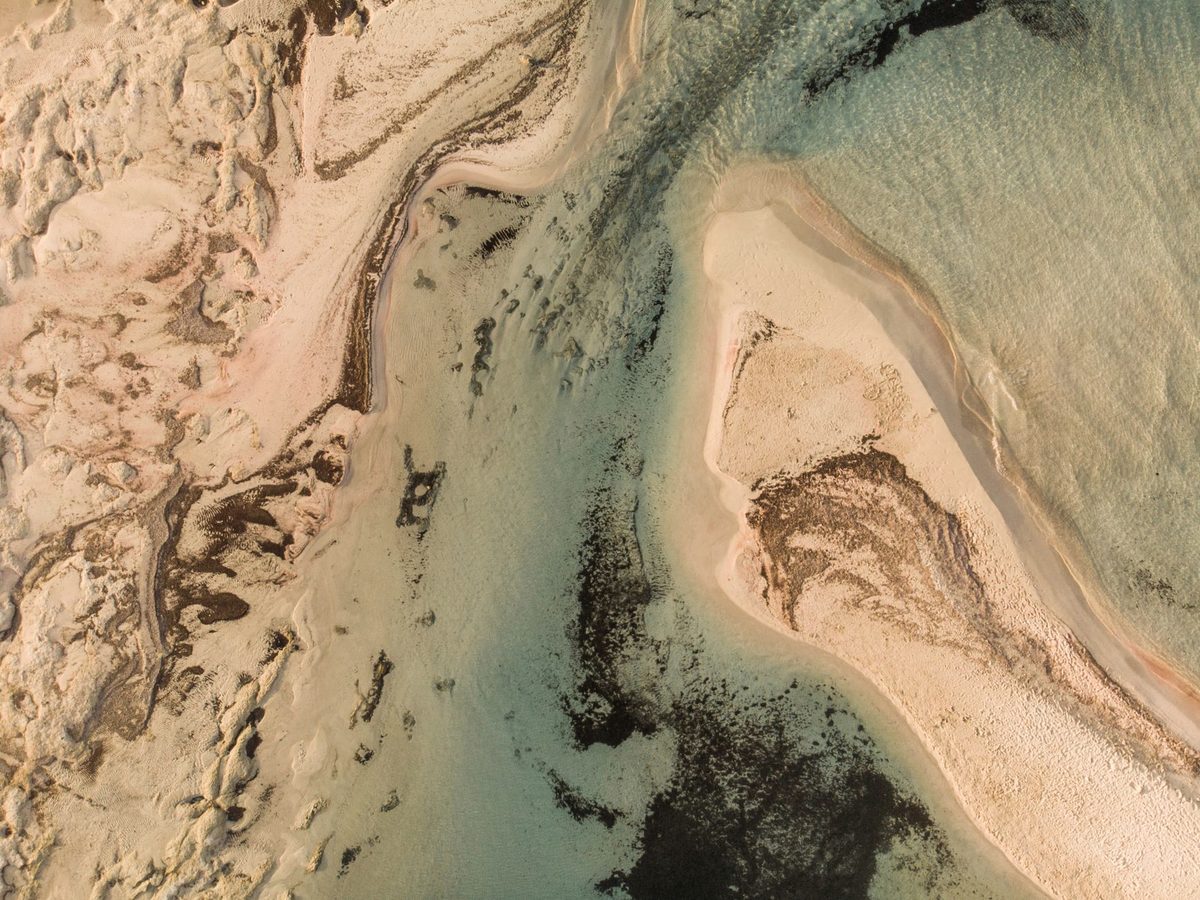
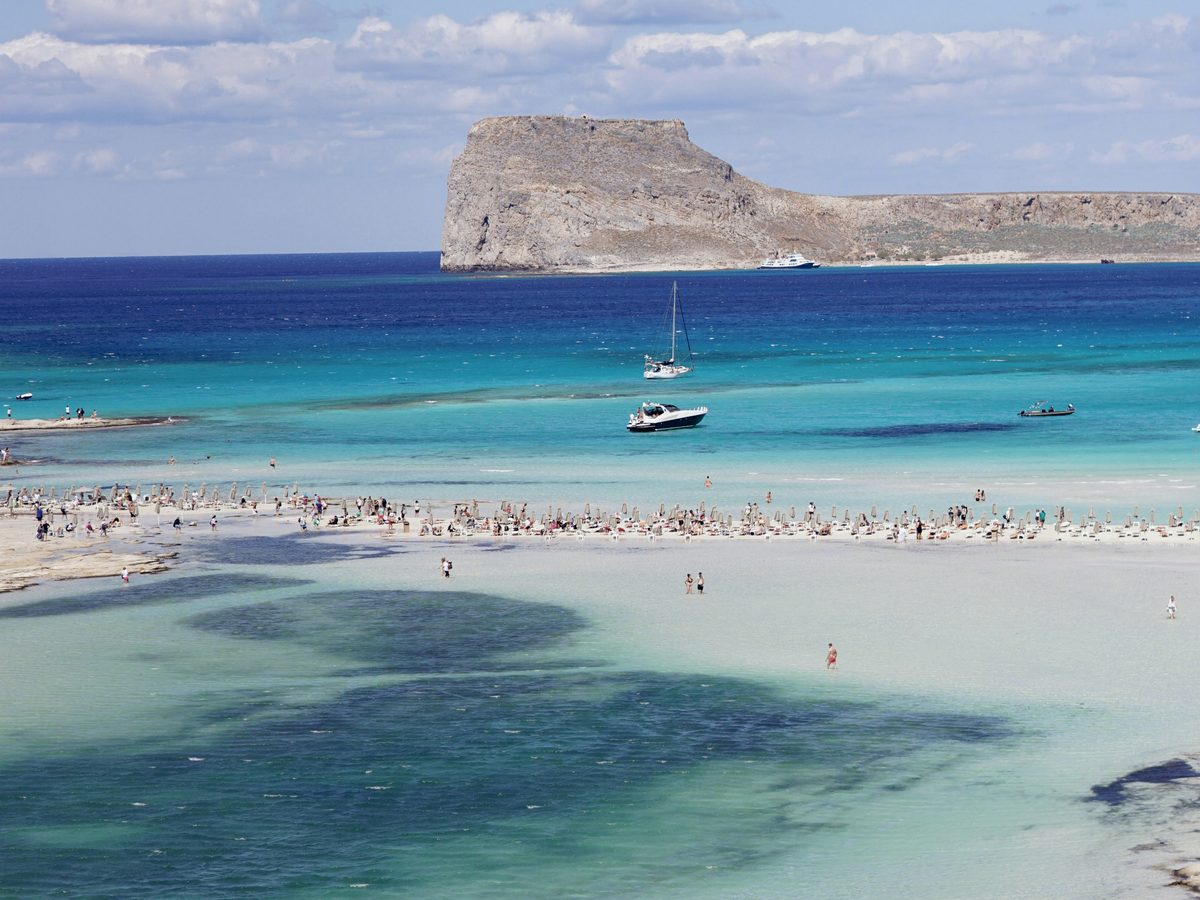
Elafonissi and Balos are both worth the journey if you plan around the crowds. Elafonissi's knee-deep, pink-tinged lagoon is shallow and warm, ideal for toddlers, at the end of 1.5 to 2 hours of winding road from Chania; leave by eight and be gone before the midday crowds. Balos is the same idea with harder logistics: the path down is a steep, shadeless 30 to 40 minutes that defeats buggies, so families go by boat from Kissamos instead, a full seven-hour day. Both are also covered by 2026 nature-protection rules that ban sunbeds and umbrellas, so bring your own shade and don't expect facilities. Skipping both for a sheltered cove near your base is a fair call.
Weather, days out and the daily shop
When to go, the days out that suit little ones, eating out and keeping stocked up while you're there.
Weather, May to October
The figures below are typical north-coast averages rather than a forecast; the south coast runs warmer. Crete sits furthest south of the big Greek islands: April is already springlike, and hardy swimmers carry on into November, when the sea still holds around 20 degrees.
| Month | Daytime high | Overnight low | Rain | Wet days | Sea temp |
|---|---|---|---|---|---|
| January | 15.5° | 9.5° | 91 mm | 11 | 17° |
| February | 16° | 9° | 70 mm | 8 | 16° |
| March | 17.5° | 9.5° | 52 mm | 6 | 16° |
| April | 20.5° | 12° | 22 mm | 3 | 17° |
| May | 24° | 15.5° | 11 mm | 2 | 20° |
| June | 27.5° | 19.5° | 4 mm | 0 | 23° |
| July | 29.5° | 22.5° | 1 mm | 0 | 26° |
| August | 29.5° | 22.5° | 2 mm | 0 | 27° |
| September | 27° | 20° | 13 mm | 1 | 26° |
| October | 24° | 17° | 54 mm | 4 | 23° |
| November | 20.5° | 13.5° | 63 mm | 6 | 21° |
| December | 17.5° | 10.5° | 87 mm | 10 | 19° |
Typical monthly averages from weather-station records. Sea temperature is the open-water figure, so a sheltered bay can feel a degree or two warmer.
With young children the shoulder months are easiest. The sea is at its 24 to 25 degree peak in September with mid-twenties days and space on the sand, and June gives the same comfort before the heat builds. July and August work best for families who embrace the morning-swim rhythm and an air-conditioned siesta.
Filling the daysThings to do with little ones
CretAquarium at Gournes, by Gouves, is the strongest small-child outing on the island: indoor, air-conditioned, buggy-friendly with ramps and baby change, sized for an hour or two and free under five. It works for both a heatwave afternoon and the rare wet day. Dinosauria Park next door does animatronic dinosaurs that delight most three-year-olds and startle some, and Aquaworld at Hersonissos is a tiny rescue aquarium where staff help small children hold tortoises and iguanas, an hour at most. The Labyrinth Park near Hersonissos adds a giant maze, pony rides and a mini farm, with under-fours free.
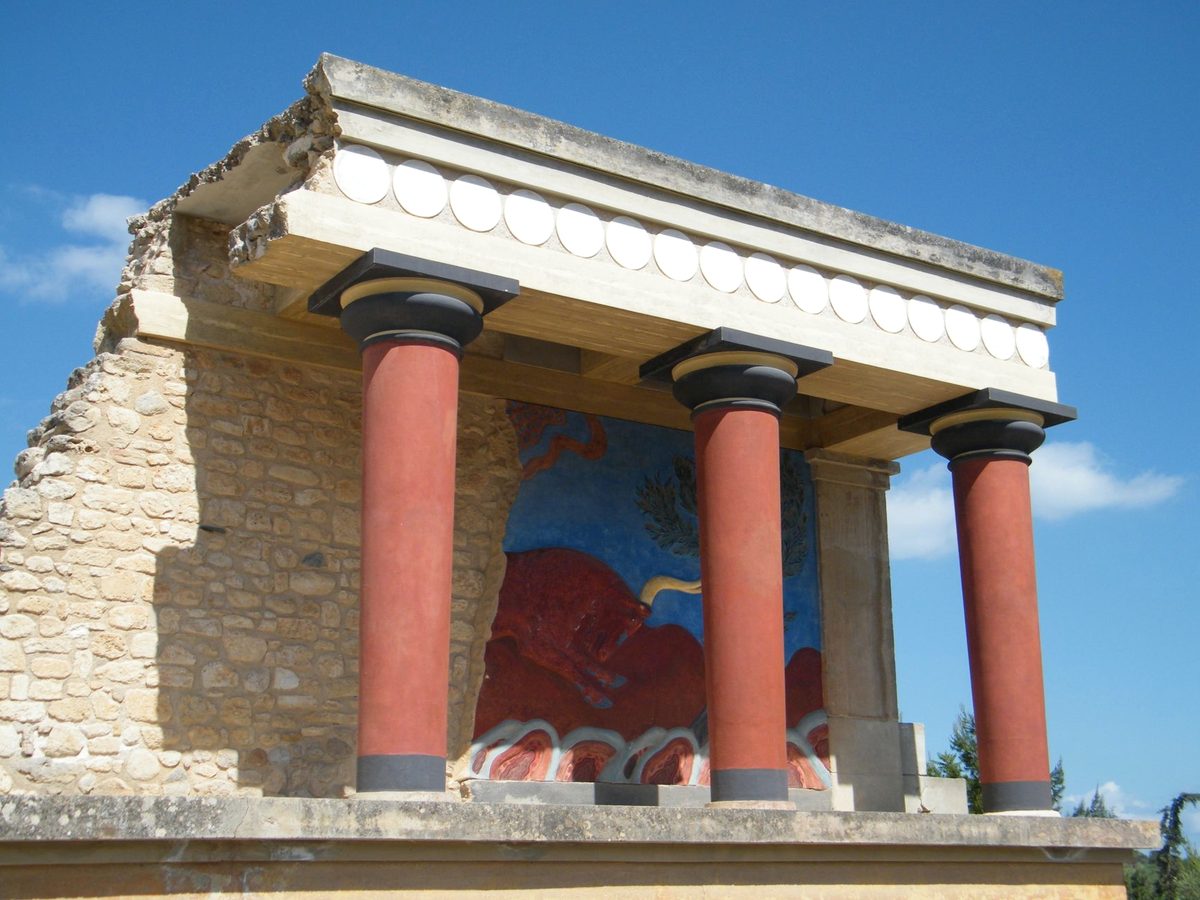
Knossos is a shadeless archaeological site with uneven surfaces where buggies don't work, now on timed online tickets. Go at eight with a carrier, give it an hour and leave as the coach parties arrive, or save it for an older trip. The archaeological museum in Heraklion is the air-conditioned alternative, with lifts and ramps, best treated as a one-hour visit. The Samaria Gorge, advertised on every excursion board, is a 10-mile (16 km) mountain hike with no halfway exit, not a day out with young children whatever the leaflet photos suggest.
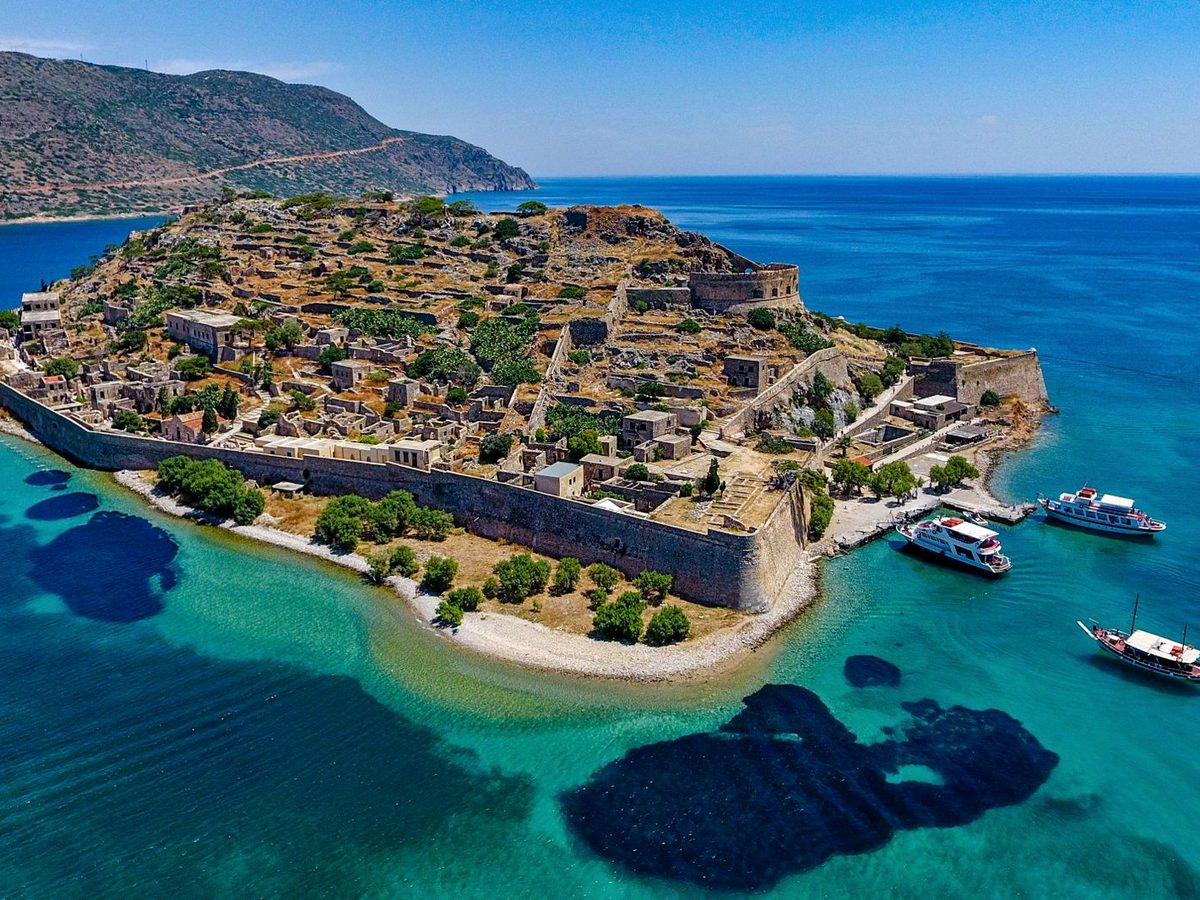
For boats, the easiest at this age is Spinalonga: ten minutes across from Plaka, sailings every half hour so you control the length of the day, and a fortress island with one walkable perimeter path. Island entry is €20 for adults (last checked 11 June 2026), with children reduced. Glass-bottom boats run short trips from Agios Nikolaos, Hersonissos and Chania, and Lake Kournas near Georgioupolis fills a gentle half day: pedalos, terrapins to spot, a shallow sandy edge for paddling and tavernas looking over the water. Mountain villages suit a morning coffee and a wander, and the Theriso gorge near Chania is a gorge you drive through under plane trees, scenery with zero walking, which suits a sleeping baby.
Eating out with children
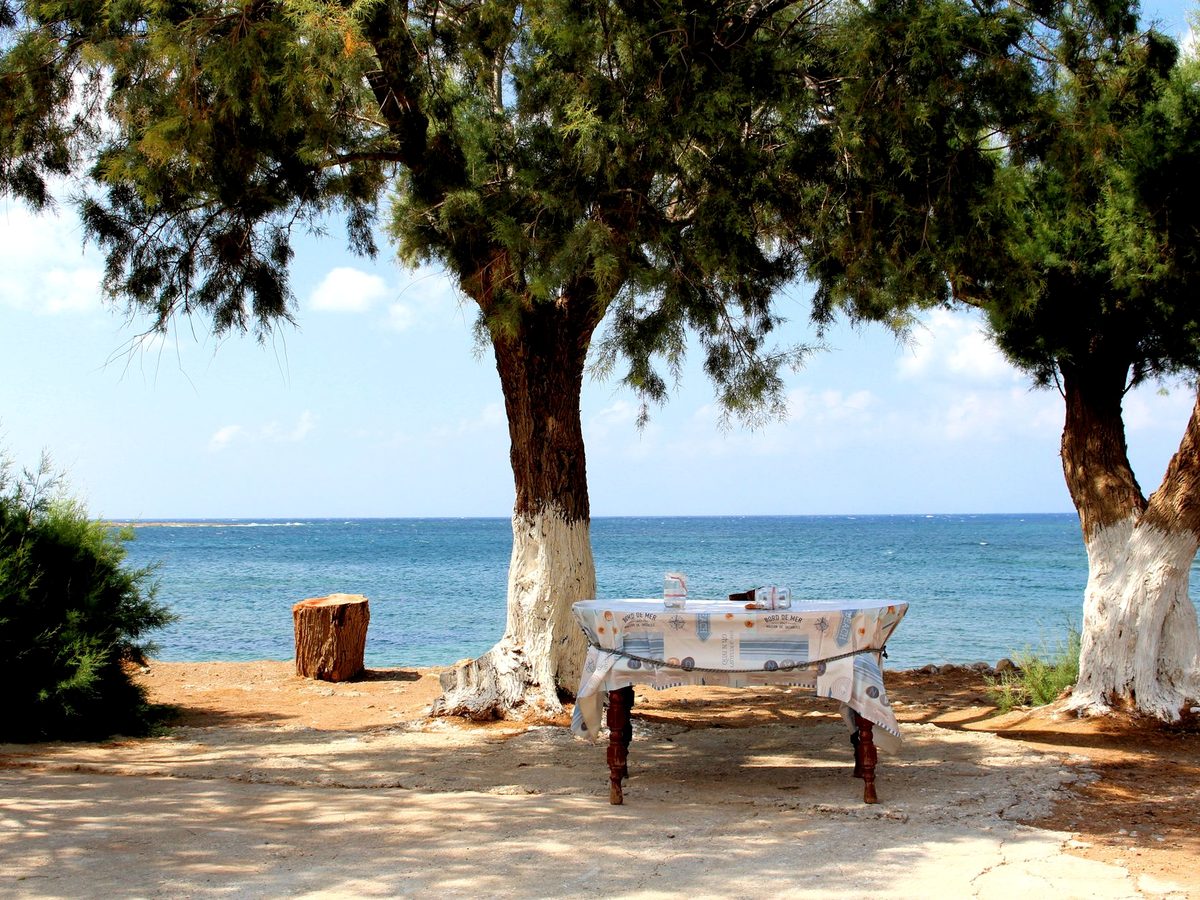
Cretan tavernas welcome children as the rest of Greece does, and the time difference helps: a half-seven taverna table is half-five on an unadjusted toddler body clock. Highchairs are common but not guaranteed, so a folding clip-on seat is worth packing. Small appetites do well here: dakos, the barley rusk with grated tomato and soft cheese, kalitsounia, the little Cretan cheese pies, thick yoghurt with honey, plain grilled chicken and chips.
Two local things to expect. Most tavernas bring a kerasma after the bill: free raki for the adults and fruit or a sweet for the table, a hospitality tradition rather than a tourist act. Fresh fish is priced by the kilo and weighed before cooking, so ask for the weighed price before you say yes, because a whole bream at a smart harbour can cost more than the rest of the meal.
Milk, nappies and pharmaciesSupplies and the first-day shop
Sklavenitis, Greece's biggest chain, and the Cretan chains Chalkiadakis and SYN.KA cover the big shops alongside Lidl and AB, and resort areas are exempt from Greece's Sunday closing, so holiday-zone supermarkets open seven days. Nappies are easy: Pampers is everywhere and the Greek brand Babylino is well made and often cheaper. Formula needs one piece of translation: Aptamil is sold in Greece as Almiron, the same Danone family under its Greek name, alongside NAN, Frisolac and HiPP. Pharmacies are the main formula counter, carry the specialist milks and can order overnight. Ready-made cartons are scarce beyond small pharmacy bottles, so bring enough of your own if your baby is particular.
The pharmacies, marked by the green cross, run a duty rota for nights and Sundays posted on every door. The children's paracetamol is Depon syrup and Nurofen for children is stocked too, both dosed by weight. One packing note: children's sunscreen costs noticeably more here than in UK supermarkets, so bring the holiday's supply with you.
Getting around, a real week and the admin
Getting from the airport, what a real week looks like, the health and document checks, and a checklist before you book.
Getting there and around
Direct UK flights run roughly April to October to both airports and stop over winter. Transfers range from 15 minutes at Gouves to over an hour at Elounda, so check the transfer against the airport you're flying into before you book anything. Greek law requires proper child seats, with under-threes in a child seat always, while taxis are legally exempt, so pre-book the transfer with the right seat specified or bring your own. Local hire firms are generous with seats, often including the first free.
Driving here is workable with one local habit to expect: on the main north-coast road, slower traffic pulls half onto the hard shoulder so faster cars can overtake across the centre line. Expect roadworks along that road for years as it's upgraded, allow more time than the map suggests everywhere else, and treat inland routes as mountain driving. The KTEL buses run frequently and cheaply along the north coast between the cities, with folded buggies travelling in the hold.
What a real week looks likeA realistic week with little ones
Land, transfer, a swim and an early taverna dinner. Greek dinner hours mean the kitchen is open whenever your toddler is hungry.
The sea in the morning while it's calm, lunch and a nap, then the pool or the old town once the afternoon wind picks up.
CretAquarium, the short boat to Spinalonga or a lagoon day at Elafonissi with car naps each way.
A slow morning and a final swim before the flight home.
With young children, the morning sea, the pool, naps, tavernas and one aquarium or boat day will comfortably fill a Crete week.
The practical adminHealth, documents and the boring bits
Check the GOV.UK Greece advice before booking and travelling. Passports follow the standard European pair of rules: issued less than ten years before arrival and valid three months beyond departure, children's included. Carry a GHIC each, which covers Greek state healthcare, plus travel insurance for everything else, including the private clinics that resort reps tend to call first.
The emergency number is 112. Both ends of the island have major hospitals, in Heraklion and Chania, with general hospitals at Rethymno and Agios Nikolaos. Day to day the risks are familiar: strong sun from late spring, with babies under six months kept out of it entirely; mosquitoes on summer evenings, with repellents in every supermarket and DEET fine for babies over two months; and the sea rules above, flags and lifeguarded sections.
Before you payBooking checklist
- Match the airport to your end of the island before comparing hotels.
- Check the transfer time and book it with the right child seat.
- Ask whether your beach is sheltered from the summer afternoon wind.
- Confirm the cot and the air conditioning with the hotel.
- Book Knossos timed tickets online if you're going.
- Pack a clip-on highchair seat and the holiday's sunscreen.
- Bring enough formula, asking for Almiron if you need more.
- Aim for June or September if you can travel outside school holidays.
- Confirm the cancellation terms and your travel insurance.
- Recheck the GOV.UK Greece advice and every passport before you go.
Resort guides in Crete
We've researched these places to stay in Crete for families with young children. Each guide covers what it's like, who it suits and what to check before you book.
Questions, links and the last word
The questions that come up most, the official links worth bookmarking and when this guide was last checked.
Common parent questions
Which end of Crete should we pick?
Chania for the west, with the Venetian harbour, sheltered coves at Agii Apostoli and the lagoon day trips. Heraklion for the east and centre: the sheltered Mirabello gulf, the aquarium, Knossos and the shortest transfers. Rethymno suits families who can't choose, since it works from either airport. Don't plan to see it all: the two ends are a good two and a half hours apart by car.
Does it matter which airport we fly into?
Yes. Crete has two international airports 87 miles (140 km) apart and most UK airports serve both, often on different days. Check which airport your package uses before you book the hotel, because the wrong pairing adds hours to the transfer.
When's the best time to go with a toddler?
September, if term times don't bind you. The sea is at its warmest, the air is in the mid-twenties and the crowds have gone. June is the early-summer equivalent. October still gives warm days and a swimmable sea in exchange for some rain risk.
What's this meltemi wind?
A dry northerly that blows on summer afternoons, almost daily in July and August, building mid-morning and easing around sunset. The south coast keeps smaller waves when it blows, because the mountains shelter it.
Is Elafonissi doable with a toddler?
Yes, as a planned early day rather than a whim, as the beaches section explains. There are toilets, snack bars and paid parking; what there aren't, under the 2026 nature rules, are sunbeds, so take your own shade.
Is Knossos worth it with little ones?
As an hour, not a morning, and best with a baby asleep in a carrier. With a free-roaming toddler the museum and the aquarium are easier wins. The things-to-do section covers the early window and the timed tickets.
Can we buy our usual formula and nappies?
Yes, with one piece of translation: ask for Almiron, the name Aptamil goes by in Greece. The supplies section above covers the brands stocked and the pharmacy ordering. Pampers and the Greek brand Babylino cover the nappies.
What about Hersonissos and Malia's party reputation?
It's contained to a couple of well-known streets in each town. Stalis between them has long, shallow, lifeguarded sand just over a mile (about 2 km) from either one, and the hillside villages behind Hersonissos are stone-alley tavernas rather than clubs. Malia's old town, five minutes from its strip, is bougainvillea lanes and a good lunch.
See more Crete photos
Open the photo gallery →Useful links
- GOV.UK Greece travel advice: passport rules, entry requirements and health updates before you travel.
- CretAquarium: opening times and tickets for the island's best small-child day out.
- Hellenic Heritage e-tickets: the official timed tickets for Knossos and the museums.
- Visit Greece: the official tourism site, including beach and event listings.
Last updated 11 June 2026.