The Costa Dorada with little ones
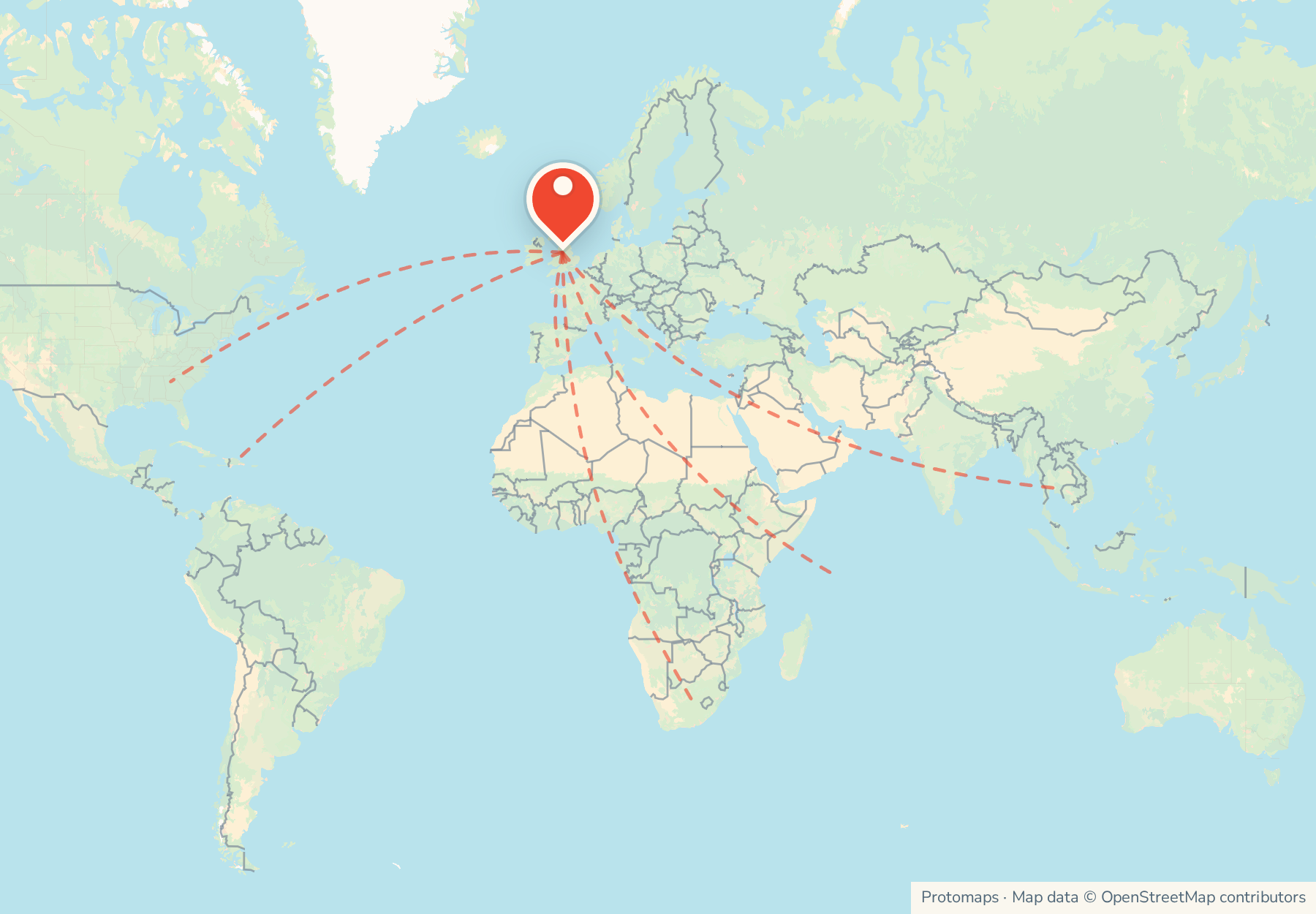
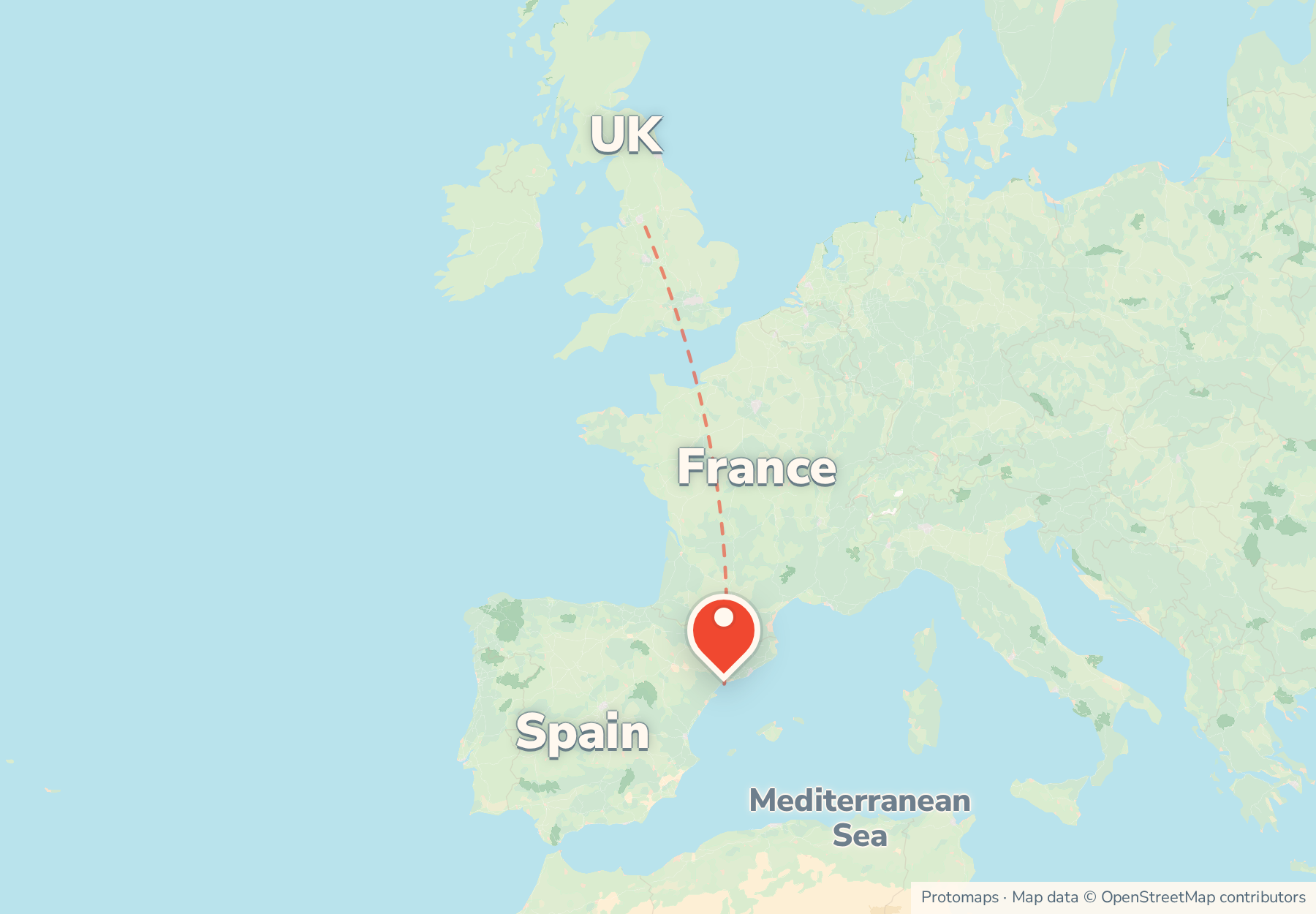
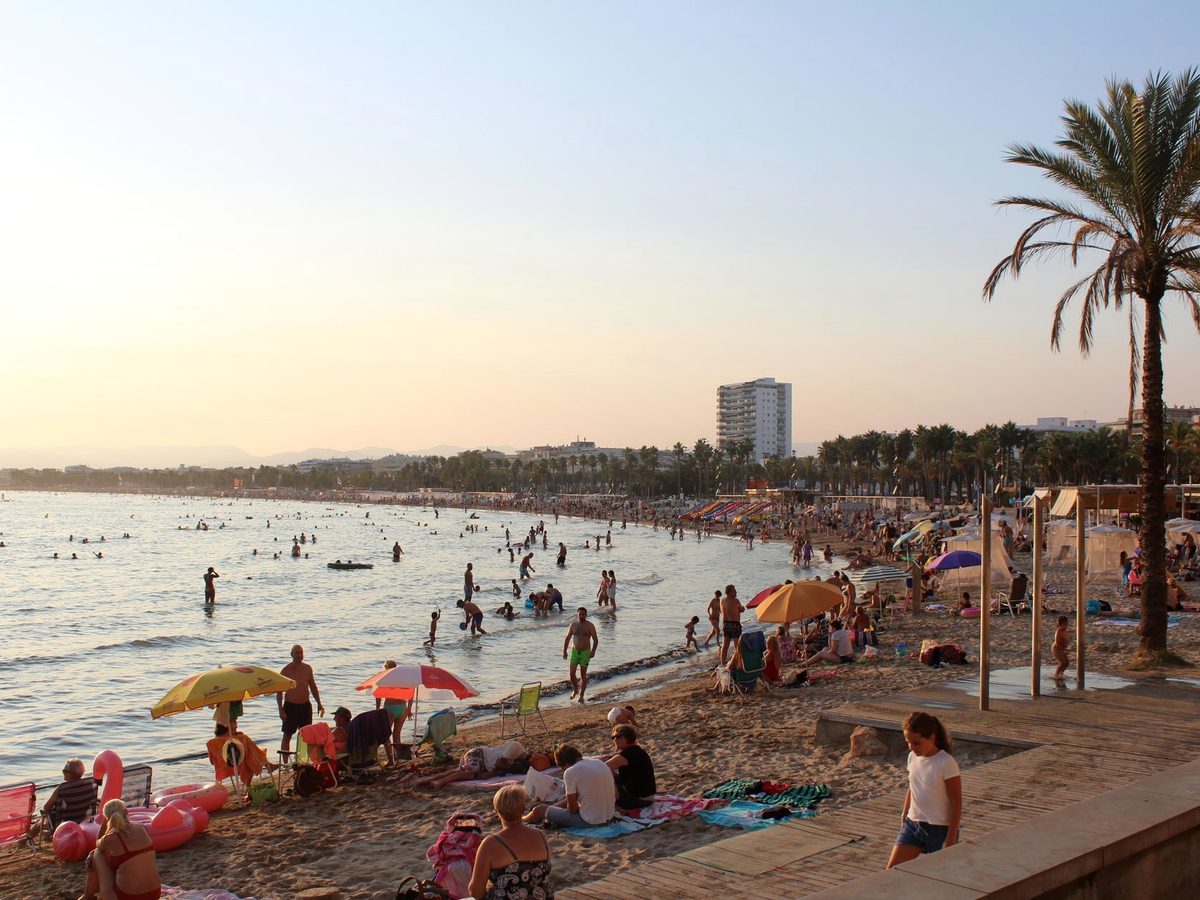
The Costa Dorada is Catalonia's family coast, and officially so. Salou, Cambrils and La Pineda all hold the Catalan government's family-tourism certification, on long fine golden sand with calm shallow water at every main beach. The flight is about two and a quarter hours from London, nearer three from Scotland, and the transfer from Reus airport is fifteen minutes. PortAventura sits directly behind the beaches.
On this page
A family verdict at a glance
The quick read before the detail: who the Costa Dorada suits, the season to aim for and what to nail down before you book.
Best for
Gently shelving golden sand and three family-certified resorts joined by one flat promenade.
Maybe not for
August crowd-haters or winter trips: the peak is packed and the coast half-closes from November to March.
Best ages
It suits babies through to young children, with June and September the easiest months.
Best areas
La Pineda for the gentlest base, Salou for everything on tap, Cambrils for the harbour and the food.
Why families pick it
The short hop: sand by lunchtime on arrival day, with Spain's most-visited theme park next door when you want it.
Check before you book
The cot and the air conditioning, the tourist tax in the budget and park tickets bought online.
The certified family coast
Four neighbouring resorts here hold the Catalan government's family-tourism seal. Salou, Cambrils, Vila-seca-La Pineda and Calafell all carry the Destinació de Turisme Familiar certification, which covers children's menus, high chairs, mini clubs and family services, and Salou was the first town in Catalonia to earn it. The substance behind the badge is the sand, long fine and golden, shelving gently into calm shallow water at every one of the main beaches.
The geography helps too. Three small resorts with three personalities sit on one short stretch, joined by a flat seafront path you can push a buggy along for 4 miles (6 km), with the Roman city of Tarragona 15 minutes one way, the flamingos of the Ebro Delta an hour the other and PortAventura directly behind.
A quick gut checkIs the Costa Dorada right for your family?
Worth comparing if
You want the shortest possible journey to gentle sand, with a big day out on tap and Spanish prices.
Weigh it up if
You're set on August but allergic to crowds, or you want somewhere that works in winter.
To sort out before booking
The hotel zone in Salou, the cot and air conditioning, and park tickets online rather than at the gate.
The numbers, the basics and the ages
Everything you'd want to skim first: the quick facts, the everyday practicalities and how the Costa Dorada changes as children grow.
Quick facts for UK families
Money, plugs, language and the basics
- The Costa Dorada is the Tarragona coast of Catalonia, with Salou, Cambrils and La Pineda the family core and Barcelona 62 miles (100 km) north.
- The currency is the euro and cards are accepted almost everywhere; the buses prefer the local travel cards.
- Sockets are the round two-pin European type, so UK plugs need an adapter. The voltage matches the UK.
- Signs read Catalan first, platja rather than playa; everyone speaks Spanish and resort English is routine.
- The clocks run one hour ahead of the UK, including the change dates.
- Tap water is safe but hard and chlorinated; use low-mineral bottled water for drinking and formula, the standard Spanish practice.
- Your GHIC card covers state healthcare, including a 24-hour health centre in Salou; 112 is the emergency number.
- Catalonia charges a tourist tax per night, paid at the hotel, with children exempt; the worked figure is in the questions below.
The Costa Dorada by age and stage
Babies
A short flight, gentle sand and a flat, traffic-free promenade for the pram miles.
Toddlers
Knee-deep water on every main beach, the fishermen's park at Cambrils and the tourist trains when legs give out.
Preschoolers
SésamoAventura from about two and a half, the Aquopolis splash pools and gladiator stories at Tarragona.
Young children
The bigger coasters arrive with the centimetres, plus the high-ropes course from age three and parent-driven tandem karts.
Where to base yourselves
The three resorts side by side, an orientation map of the coast and what the beaches are really like underfoot.
Where to stay with young children
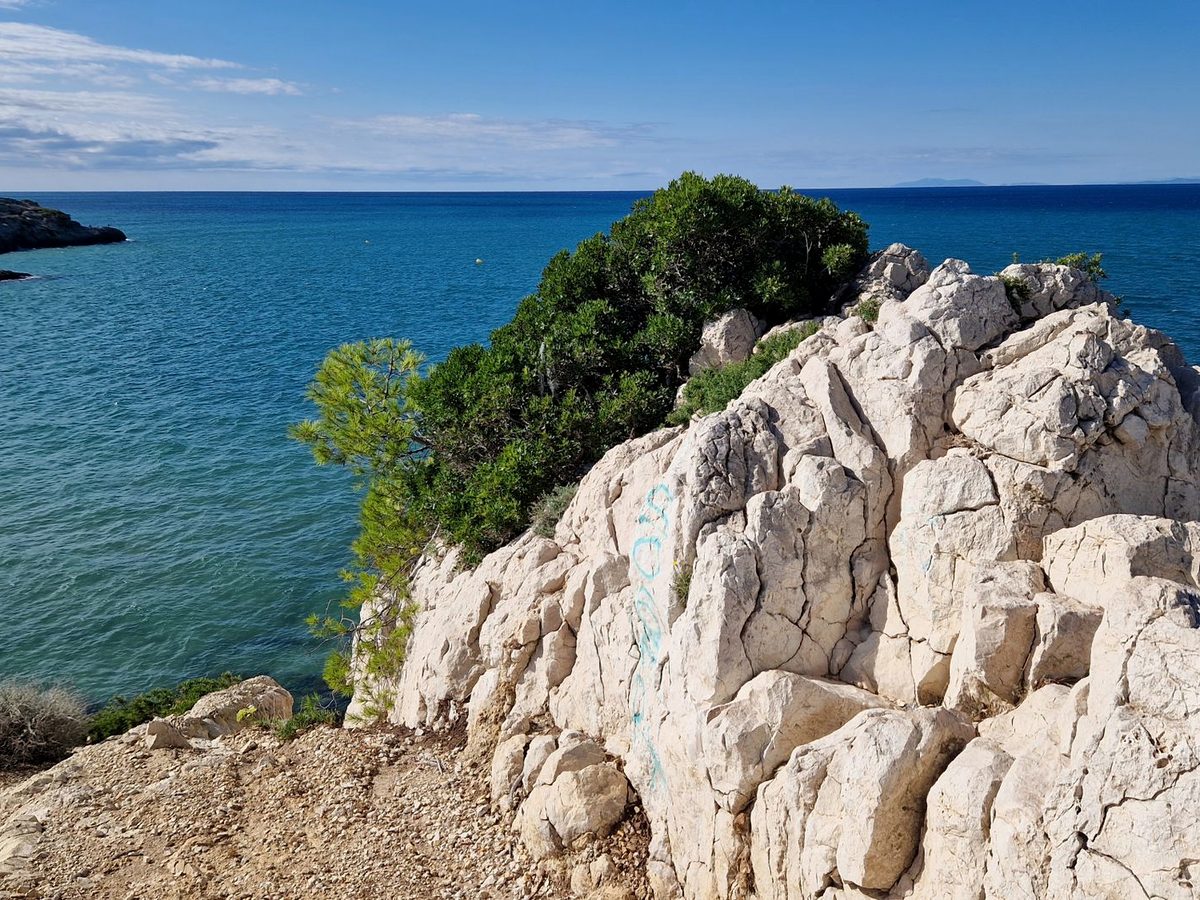
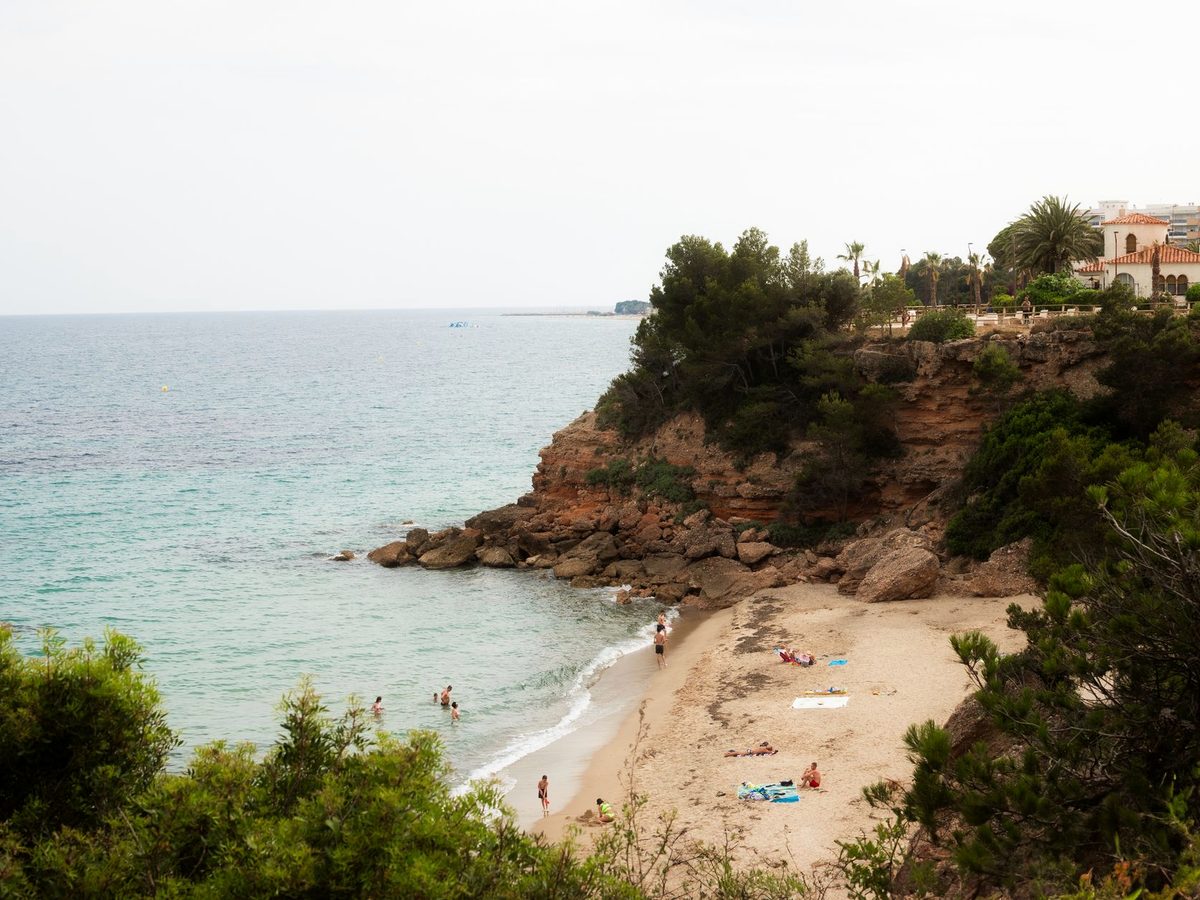
Salou is the package hub and carries the infrastructure: the long gently shelving Llevant beach behind the landscaped Passeig Jaume I promenade, freshly resurfaced in 2025, plus the small central Capellans cove and the quieter Ponent stretch running towards Cambrils. The booking detail that matters is the nightlife. The bar strip around Carrer Carles Buïgas runs late and loud in season, so families book the eastern end of Llevant, the Cap de Salou or the Ponent side. Out on the Cap, pine-backed coves like Cala Crancs and Platja Llarga sit ten minutes from the strip and feel a world from it.
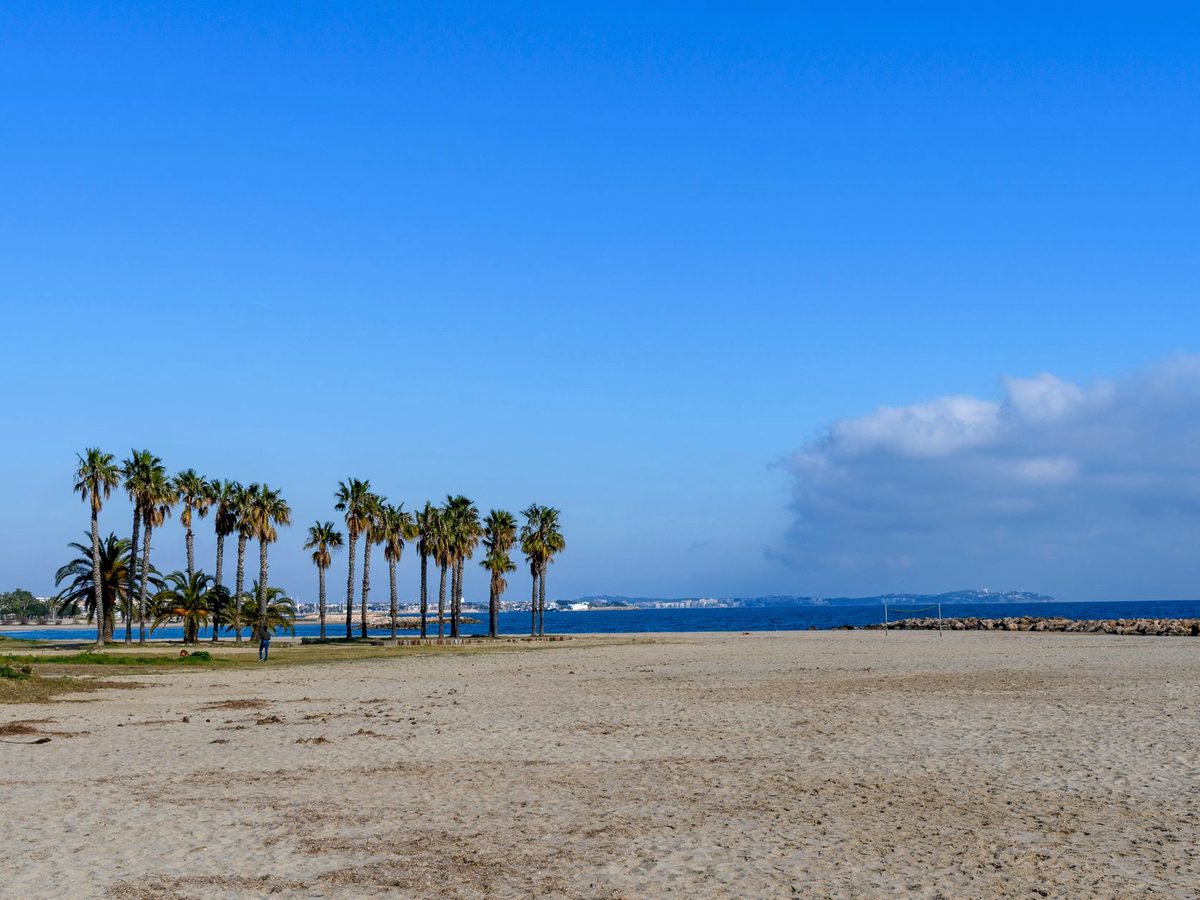
La Pineda is the toddler specialist: 2 miles (3 km) of flat fine sand, a Blue Flag flown since 1999, a barrier-free promenade emerging from a year of rebuilding works and a low-rise, aparthotel-led resort with quiet evenings. The Aquopolis waterpark sits right on the seafront. PortAventura, while adjacent on the map, is a bus or taxi ride rather than the pleasant walk some hotels imply. Cambrils completes the trio as the harbour town: a working fishing port whose boats still land the catch on weekday afternoons outside the May and June closed season, a market hall from 1926, two Michelin-starred restaurants for the one night you book a babysitter, and shallow town beaches with a palm-shaded playground directly on the sand. It's quieter, more Catalan and connected to Salou by the flat seafront path, so basing in one and strolling to the other is a daily option rather than an excursion.
Beyond the trio, Miami Platja is villa country with pine-fringed coves, Tarragona works as a city base for history-first families, and the northern beaches at Altafulla and Torredembarra pair calm sand with a castle skyline and a dune boardwalk. Wherever you base, the resorts more or less close down from November to March; this is a season coast, not a winter one.
| Area | Transfer | The beach | The feel |
|---|---|---|---|
| Salou | 15 to 20 min | Llevant's long, gently shelving sand behind the landscaped promenade | The package hub: maximum infrastructure, packed in August. Book away from the Carles Buïgas bar strip. |
| La Pineda | About 20 min | 2 miles (3 km) of the flattest sand on this coast, Blue Flag since 1999 | Low-rise, quiet and aparthotel-led, with the waterpark on the promenade and the gentlest sand. |
| Cambrils | 20 to 25 min | Shallow town beaches with a palm-shaded playground on the sand | The harbour town for food: fishing boats, a daily market hall and the best restaurant row on this stretch. |
| Miami Platja | About 30 min | A long strand plus ten pine-fringed coves below low cliffs | Villa and apartment territory: quiet, spread out and best with a car. |
| Tarragona | About 20 min | Urban beaches, with L'Arrabassada the calm Blue Flag pick | The Roman city: a sightseeing base for families who want history over hotel pools. |
Map of the main family areas
An orientation map of the areas above, the airport and the two big days out. The numbers match the key beneath.
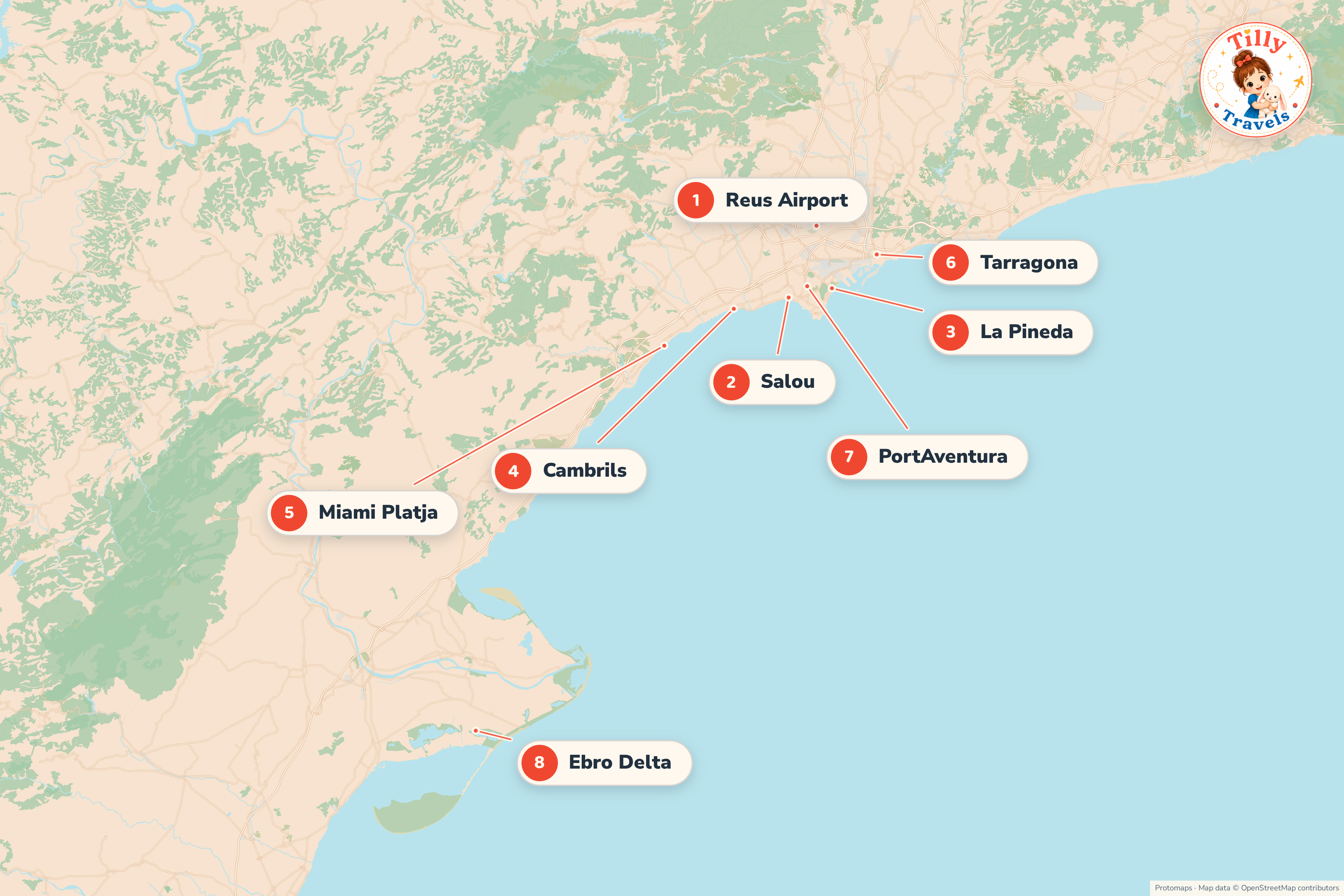
- 1Reus Airport 15 minutes inland
- 2Salou The package hub
- 3La Pineda The quiet flat one
- 4Cambrils The harbour town
- 5Miami Platja Villas and coves
- 6Tarragona The Roman city
- 7PortAventura The park behind the beach
- 8Ebro Delta Flamingos and punt boats
Beaches, gradients and flags
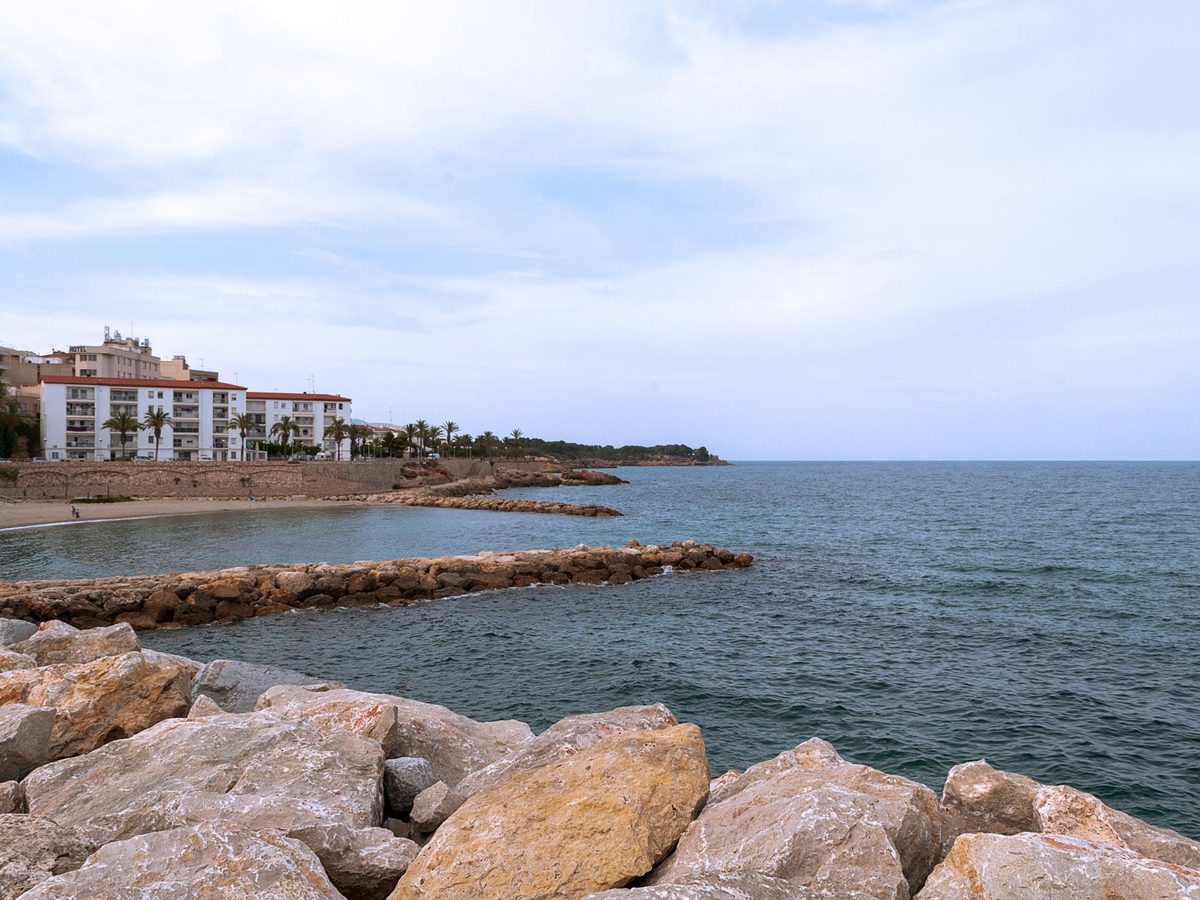
The selling point here is the gradient. Llevant, La Pineda and Cambrils' Regueral all shelve gently into calm, shallow water, La Pineda the flattest of the main beaches, and further up the coast Calafell's sand earned the local nickname platja biberó, the feeding-bottle beach. Lifeguards cover the main beaches from late spring to mid-October, Spanish flags are legally enforceable and red means out of the water, and Salou's Llevant has a fully adapted bathing point with amphibious chairs. August fills these beaches properly, and Cala Crancs and the quieter Cambrils ends have more room.
On flags, Salou's odd-looking gap has its explanation in the questions below. Catalonia publishes live beach conditions, including jellyfish sightings, for hundreds of monitored beaches, and stings here follow the normal Mediterranean pattern of good and bad years rather than anything coast-specific. Posidonia seagrass washes up south of Salou; the toddler beaches are cleared mechanically.
Weather, days out and the daily shop
When to go month by month, the outings that suit small children, eating out and where to stock up.
Weather, April to October
The figures below are official Spanish met-office averages from the Reus station, and the current decade runs slightly warmer. The headline for parents is that high summer here is gentler than southern Spain, peaking around 29 rather than 31 with an afternoon sea breeze, while the autumn turn comes earlier and wetter than further south.
| Month | Daytime high | Overnight low | Rain | Wet days | Sea temp |
|---|---|---|---|---|---|
| January | 15° | 5° | 26 mm | 3 | 14° |
| February | 16° | 5.5° | 27 mm | 3 | 13° |
| March | 18° | 8° | 52 mm | 5 | 14° |
| April | 20° | 10.5° | 53 mm | 6 | 15° |
| May | 23.5° | 13.5° | 27 mm | 3 | 18° |
| June | 27° | 18° | 29 mm | 3 | 22° |
| July | 30° | 21.5° | 14 mm | 2 | 26° |
| August | 30° | 21.5° | 29 mm | 3 | 27° |
| September | 27.5° | 18.5° | 56 mm | 4 | 25° |
| October | 24° | 14.5° | 81 mm | 4 | 22° |
| November | 19° | 9.5° | 61 mm | 5 | 18° |
| December | 16° | 6.5° | 24 mm | 3 | 16° |
Typical monthly averages from weather-station records. Sea temperature is the open-water figure, so a sheltered bay can feel a degree or two warmer.
June gives you the table's numbers with the prices and crowds a month short of peak. September matches the sea at 24 to 25 degrees but starts the storm season, which in this part of Spain occasionally arrives all at once; October's odds and the PortAventura exception are in the questions below. UV runs very high in summer, so the standard kit applies: hats, suits, factor 50 and shade through the middle of the day.
Filling the daysThings to do with little ones
PortAventura is the obvious one. Spain's most-visited theme park sits directly behind Salou and La Pineda, and the tickets and ride heights are in the questions below; the short version is that SésamoAventura gives a two-to-four-year-old a real day, and under-fours enter free. Aquopolis on the La Pineda seafront is the gentler, cheaper water day, with a toddler zone of shallow pools and small slides and online tickets well below the gate price. A beach morning runs naturally into a waterpark afternoon. The dolphin shows that older write-ups mention ended in 2022, when the animals left.
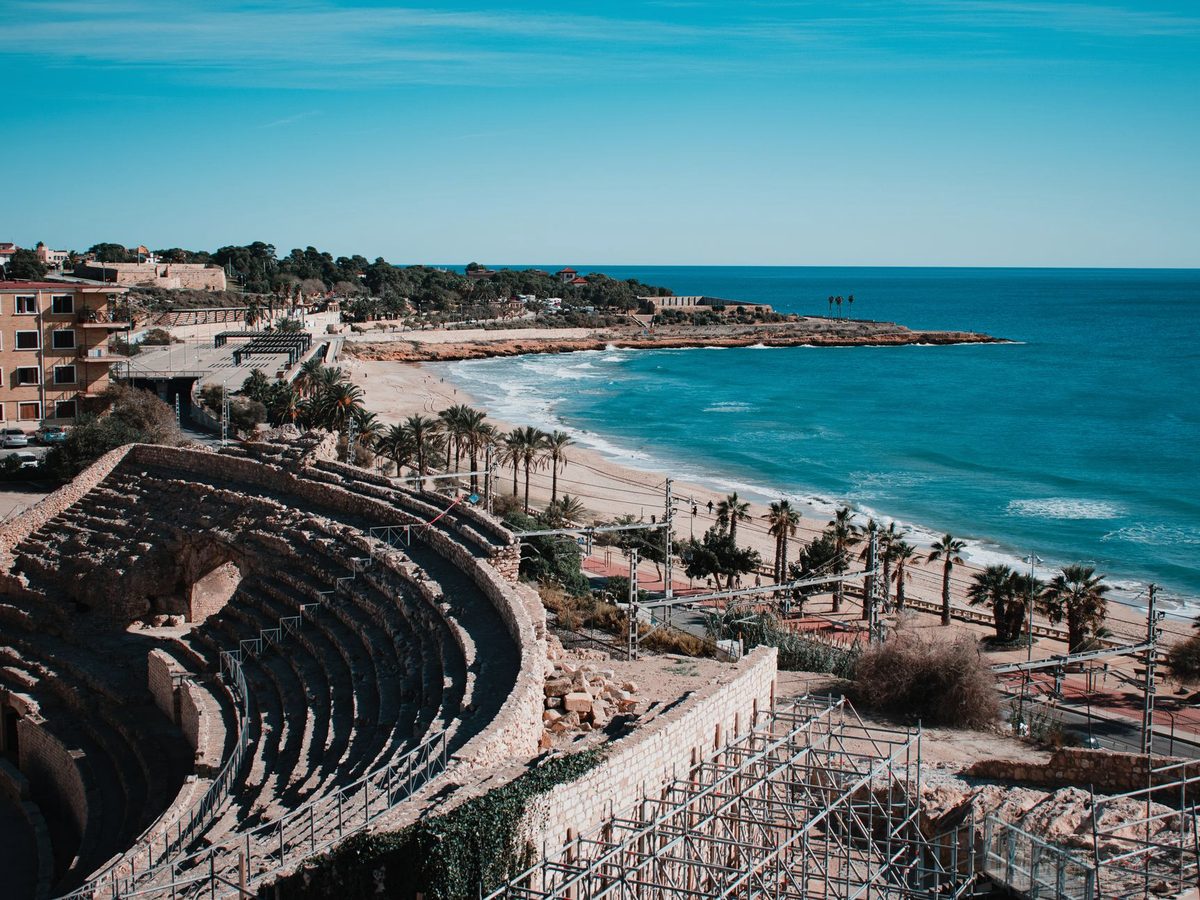
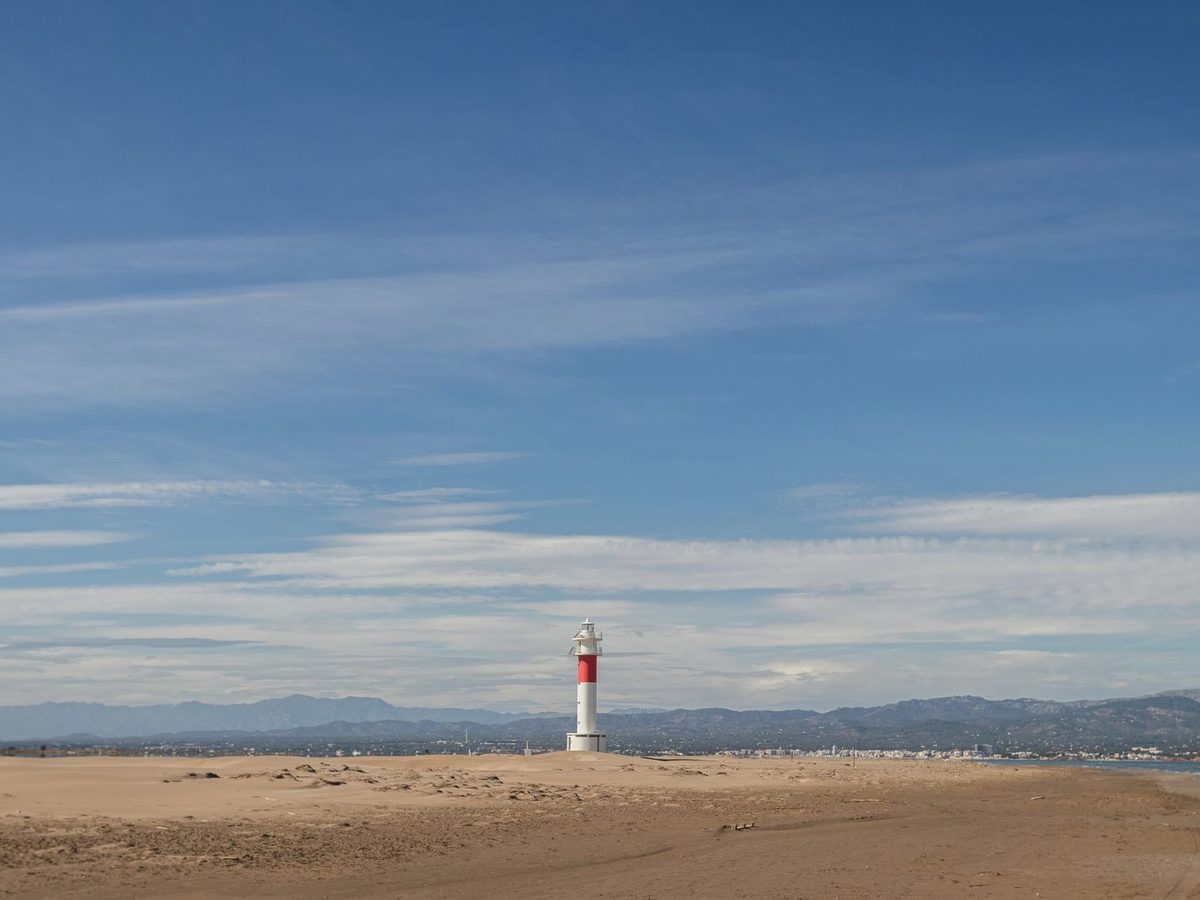
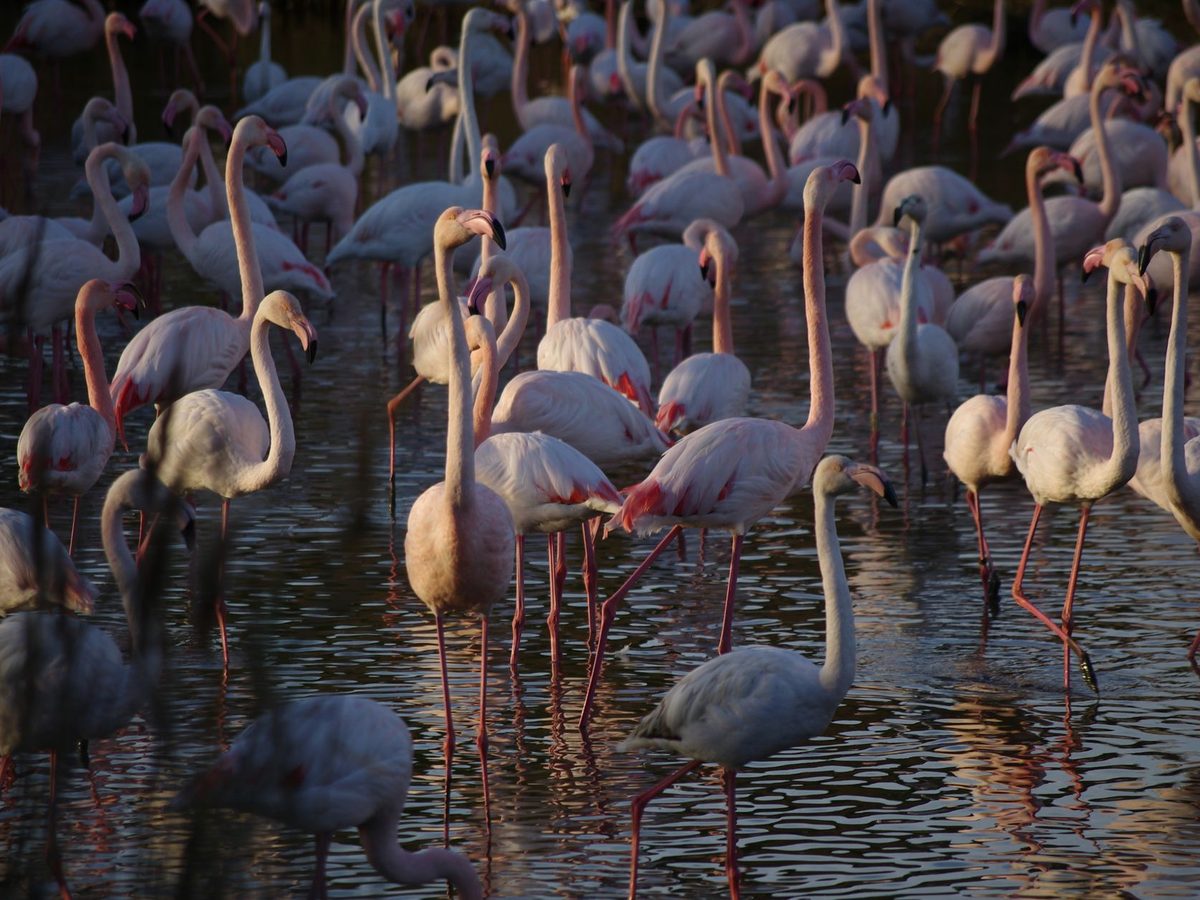
Tarragona, 15 minutes north, fits a family morning despite the UNESCO billing: the amphitheatre sits above the sea, currently with its stands closed so the visit is the arena floor, the vaulted circus tunnels are cool and dark, under-12s enter free and the clifftop Balcó del Mediterrani gives the view for nothing. The old town's cobbles want a big-wheeled buggy or a carrier, and the flat fishing quarter of El Serrallo does lunch by the boats. On summer evenings the city's castells teams rehearse their human towers in public for free, and in 2026 the Tour de France rolls out of Tarragona on 5 July with the Roman monuments free that day. The other direction, an hour south, the Ebro Delta is the different sort of day out: flamingos year-round at the lagoons, flat-bottomed punt boats, a 90-minute river cruise with toddler fares and rice paddies that are flooded in spring and green by July.
The everyday list stays local. Parc Samà, ten minutes inland from Cambrils, is a shaded 19th-century garden with an aviary, deer and flat paths, under-sevens free, and one of the calmest mornings on this coast for little ones. Cambrils' Parc del Pescador puts three play areas next to the port for the late-afternoon wind-down, the tourist road trains in both resorts rescue tired legs, and the weekly markets, Salou on Mondays and Cambrils on Wednesdays, fill a slow morning. Salou's illuminated fountain is free but plays its full show late; seeing it lit on a normal evening stroll is the realistic toddler version. For older siblings, the in-town high-ropes course takes children from age three on its lowest circuit and the karting track runs solo kids' karts from five, with parent-driven tandems for younger ones; the spa at La Pineda is adults-and-older-children territory, one parent's afternoon off.

Eating out with children
Spanish family-dining culture holds here with a Catalan accent: children are welcome everywhere and late, the menú infantil is standard in the resorts and high chairs are usual without being guaranteed, so ask for a trona when booking. Resort kitchens open from about seven, earlier than the Spanish norm, and the beach chiringuitos cover lunch with sandy feet. Cambrils is the standout for food: fideuà, the noodle cousin of paella, suits toddlers as well as anything in Spain, the port row does grilled fish at family-friendly volume and the two starred kitchens are adult outings.
Catalonia runs pricier than most of Spain for the menú del día, though Salou's tourist places still field cheaper lunch versions. The Catalan twist is pa amb tomàquet, bread rubbed with tomato, which most toddlers eat happily.
Milk, nappies and pharmaciesSupplies and the first-day shop
The chains cover the coast: Mercadona, Lidl and the Catalan Esclat in Salou, a bigger spread in Cambrils including the area's one Aldi, open Sundays, and in La Pineda a beachfront Charter supermarket open to 11pm every day, which solves the arrival-night scramble. Both towns hold official tourist status, so seasonal Sunday opening is the norm rather than the exception. Nappies run Dodot, the Spanish Pampers, with Mercadona's well-regarded own brand at half the price; formula is Almirón, Aptamil's sister, in pharmacies and Carrefour, and Mercadona now carries Nidina and Hero Baby as backstops. Hero Baby also rules the jar-and-pouch aisle.
Pharmacies under the green cross hold the medicines: Apiretal for children's paracetamol, Dalsy for ibuprofen, both dosed by weight, with a dozen pharmacies in Salou on a duty rota and a 24-hour one in Cambrils. Bring anything your child depends on, and use low-mineral bottled water for feeds.
Getting around, a real week and the admin
Transfers and hire cars, what a week actually looks like, the health and document checks and a list to pack against.
Getting there and around
Reus is the season airport, small and quick, with Jet2 flying from a dozen-plus UK airports and the transfer done in a quarter of an hour; Barcelona is the year-round alternative, an hour and a quarter down a motorway that lost its tolls in 2021, with coaches and private transfers covering the gap. Spanish law requires child seats for under-135-centimetre children in the back, taxis included, so book the seat with the transfer or bring your own.
The train question has its own answer in the questions below; the short version is that the beachfront railway is gone. Day to day the Plana buses connect La Pineda, Salou, Cambrils, PortAventura and Tarragona cheaply, children up to 16 travel free with the T-16 card, under-fours needing none, and the flat seafront path covers the rest by buggy or hired bike, child seats included, cheaply by the day. A hire car is optional: it pays off only for the Delta day and the hill towns, and August beach parking fills by mid-morning, which limits its usefulness.
What a real week looks likeA realistic week with little ones
A 15-minute transfer means the first day counts: beach by lunchtime, one big supermarket shop and dinner on the front.
Sand in the morning, lunch and a nap, then the promenade or a park until an early dinner; the fountains light up after dark.
PortAventura for the Sesame Street land if your children are past two, or Aquopolis straight off the La Pineda promenade.
Tarragona's Roman city one way, or the Ebro Delta's flamingos and punt boats the other.
A final swim and an unhurried pack.
The beach, the promenade, one park day and one day out fill a Costa Dorada week with young children without strain.
The practical adminHealth, documents and the boring bits
Check the GOV.UK Spain advice before booking and travelling. Passports need to be issued within the last ten years and valid three months beyond departure, children's included. Carry a GHIC each plus travel insurance: the state system here is unusually convenient, with CAP Salou running 24 hours a day year-round and reinforced in summer, while the region's children's hospital is Joan XXIII, about 6 miles (10 km) away in Tarragona. The private tourist clinics that hotels call bill your insurer, not your GHIC.
The emergency number is 112. The everyday hazards are the mild Spanish-coast set: high summer UV wanting hats, suits and shade for babies, beach flags to obey, and the autumn storm season for late bookings. Catalonia's recent drought restrictions applied to the Barcelona basins rather than this Ebro-fed coast, and the FCDO has no advisories for any part of Spain.
Before you payBooking checklist
- Check the hotel's position relative to the Carles Buïgas bar strip before booking Salou.
- Confirm the cot and the air conditioning for July and August.
- Book the transfer with a child seat, or bring your own; the runs are short.
- Buy PortAventura and Aquopolis tickets online, never at the gate.
- Budget the tourist tax: about €28 for two adults' week at a four-star, children exempt.
- Going in August? Plan beach mornings and book restaurants ahead.
- Pack the standard sun kit and a clip-on high chair for the port lunches.
- Bring formula to bridge the first days and buy low-mineral bottled water for feeds.
- Confirm the cancellation terms and your travel insurance.
- Recheck the GOV.UK Spain advice and every passport before you go.
Resort guides in Costa Dorada
We've researched these places to stay in Costa Dorada for families with young children. Each guide covers what it's like, who it suits and what to check before you book.
Questions, links and the last word
The things families ask most, the official pages worth a bookmark and when this guide was last refreshed.
Common parent questions
Is PortAventura worth it with a toddler?
From about two and a half, yes. Under-fours go free on age rather than height, and online tickets run well below gate prices. SésamoAventura, the Sesame Street land, is the draw at this age: a toddler playground, no-minimum rides like the magic tree and the little train, and a kids' coaster from a metre tall with an adult. Staff measure strictly, no rider-swap policy is published, and the park is large, so bring your own buggy. Staying at a park hotel turns one night into two park days, which works out cheaper than day tickets for park-keen families.
Why doesn't Salou have a Blue Flag?
Because the council stopped applying after 2023, not because anything failed: Salou's beaches hold ISO and Q quality certifications instead, and Catalonia's bathing water tests excellent across the board. La Pineda next door has flown its flag since 1999 and Cambrils holds five. Plenty of hotel websites still claim Salou flags that no longer exist.
Can we get around by train?
Less than older guides suggest. The coastal line through central Salou and Cambrils closed in 2020, so there's no beachfront station any more: today's station is Salou-PortAventura on the edge of town, with a direct Barcelona train for about €10 (last checked June 2026), and Cambrils' is just over half a mile (1 km) inland. The replacement tram won't run before 2029. Day to day, the cheap Plana buses do the work, with children riding free on the T-16 card.
Salou, La Pineda or Cambrils?
By temperament. La Pineda is the quietest and flattest of the main beaches, with the waterpark on the doorstep. Salou has the most of everything, restaurants, playgrounds, the promenade and the crowds that follow. Cambrils is quieter, more Catalan and food-led: a real fishing port with its long-standing billing as the coast's gastronomic capital, and calm shallow beaches, connected to Salou by a flat 4-mile (6 km) seafront path, so basing in one and strolling to the other works.
What's the Catalonia tourist tax?
A per-person, per-night charge that doubled in April 2026: €1.80 a night at a four-star outside Barcelona, plus VAT, capped at seven nights, with under-17s exempt. A week for two adults at a four-star comes to about €28 (last checked June 2026; rates rise again in 2027), paid at the hotel. Salou, Cambrils and Vila-seca have all declined the optional municipal surcharge for 2026.
Can we buy our usual formula and nappies?
Under Spanish names: Pampers is Dodot, with Mercadona's own brand the budget pick, and Aptamil's sister brand Almirón is in pharmacies and Carrefour, while Mercadona now carries Nidina and Hero Baby if you're caught short. Children's paracetamol and ibuprofen are Apiretal and Dalsy, pharmacy-only. Use low-mineral bottled water for feeds; the tap water is safe but Ebro-fed, hard and heavily chlorinated.
Is October half term worth booking?
It's the gamble end of the season here. Early October often holds at 22 degrees with a swimmable sea, but September and October are this coast's wettest months, hotels start closing from mid-month and the bar is set by PortAventura rather than the beach: its Halloween season runs to mid-November and is toddler-friendly by day. For a pure beach week, the Canaries are the safer October; for a park-plus-pool week, this works.
What about the crowds in August?
Real, and plannable. UK, Spanish and French holidays overlap, Llevant fills by mid-morning and car parks follow, so it is beach before half ten, the pool or a shaded park through the afternoon and back to the sand after four. June and September give you the same beaches at a fraction of the density for less money.
See more Costa Dorada photos
Open the photo gallery →Useful links
- GOV.UK Spain travel advice: passport rules, entry requirements and health updates before you travel.
- Costa Daurada tourist board: the official regional site, with beaches and family information.
- PortAventura World: official tickets, dates and the ride height requirements.
- ATM Camp de Tarragona: bus fares, including the free children's T-16 card.
Last updated 12 June 2026.