Devon with little ones
Devon is the one English county with two full coastlines, and that is the thing to get right: the open Atlantic surf of the north, or the sheltered, shallow water of the south and the English Riviera. In between sits Dartmoor, with its ponies and shallow rivers, and around Torbay, a dense cluster of family attractions.
On this page
A family verdict at a glance
The quick read before the detail: who Devon suits, the season to aim for and what to nail down before you book.
Best for
A British seaside-and-countryside week with a real choice of coast, Dartmoor on the doorstep and a big cluster of family attractions.
Maybe not for
Anyone wanting guaranteed heat, or to see all of Devon in one trip. It is a big county, and trying to cover it means long days in the car.
Best ages
Toddlers and preschoolers, who get the most from the farms, the steam train and the moor. Babies do well on the sheltered south coast.
Best areas
The English Riviera for facilities, East Devon for an easy first trip, the South Hams for scenery, North Devon for big surf-coast sand.
Why families pick it
Two coasts to choose from, open moorland alongside the beaches, and prices that mostly sit below Cornwall's.
Check before you book
Which coast suits your child, the tide times for beach days, an all-terrain buggy for the hilly towns.
Two coasts, and which one to pick
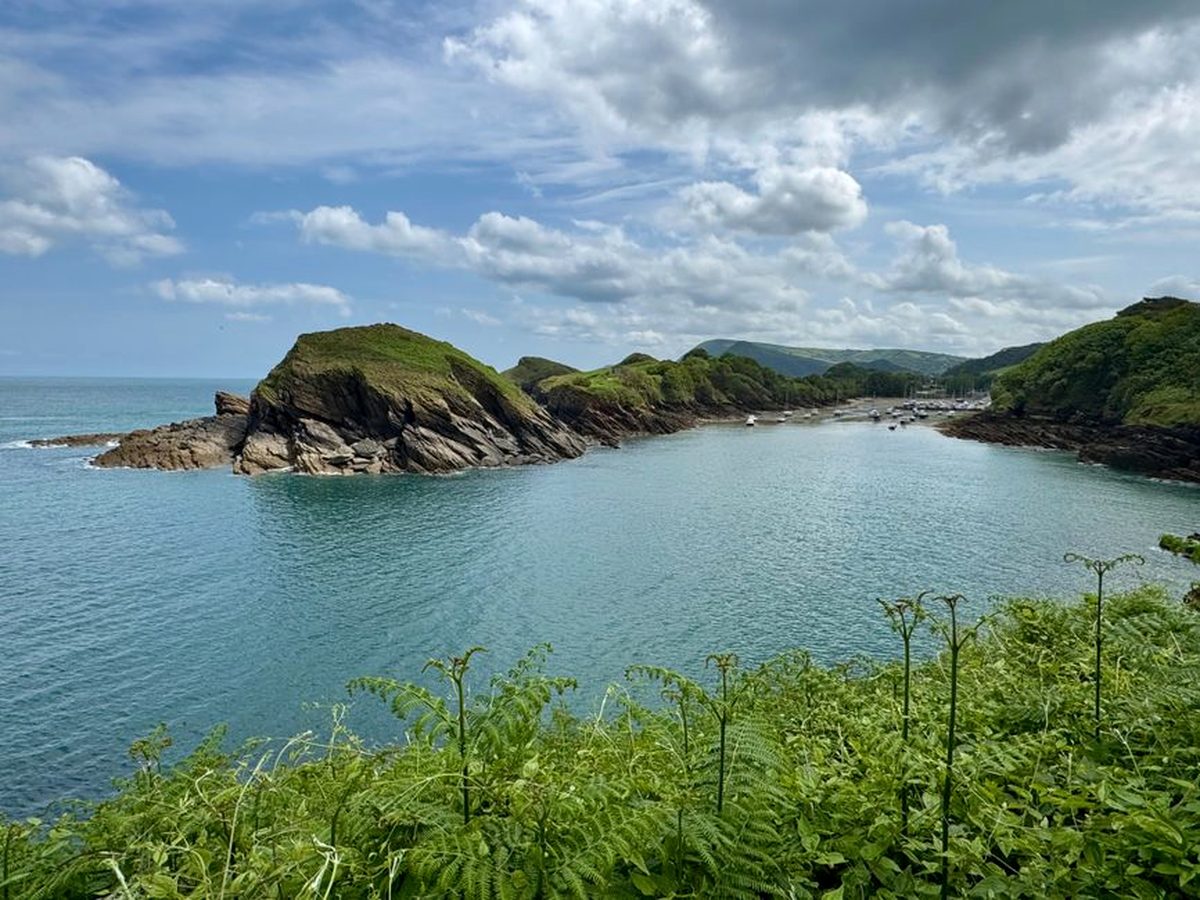
Devon has two complete coastlines and they make for two different holidays. The north faces the open Atlantic: big swells, high cliffs and the surf beaches of Woolacombe, Croyde and Saunton, further from the motorway. The south and east face the sheltered English Channel: calmer water, a milder feel, the wooded estuaries of the South Hams and the packed family resorts of the English Riviera around Torbay.
The county is big enough that doing both in one trip with young children means spending most of it in the car, so most families settle on one coast. For the youngest, that is usually the south, where the water is calm and shallow for paddling and the facilities are denser. North Devon suits a toddler who is confident on a big open beach and adults who want surf and space. Dartmoor sits in the middle and is a day out from either.
A quick gut checkIs Devon right for your family?
Worth comparing if
You want a British holiday with a choice of coast, beaches and wild moorland in one trip, and a drive most of England can do in a morning.
Weigh it up if
You need reliable warmth, you want to see the whole county in a week, or you have set your heart on Cornwall's cliffs and don't mind the longer drive.
To sort out before booking
Which coast suits your child, the tide times for your beach days, a buggy that copes with hills and sand, and enough of any medicine your child takes.
The numbers, the basics and the ages
Everything you'd want to skim first: the quick facts, the everyday practicalities and how Devon changes as children grow.
Quick facts for UK families
The basics for a Devon trip
- Devon is the big county in the south-west of England, between Cornwall and Dorset, with two coasts and two national parks.
- It's a big place. Woolacombe in the north and Salcombe in the south are about two hours apart by road.
- The south coast has a large tidal range, so some beaches shrink fast at high water and a couple cut off entirely. Check the times.
- The towns have the big supermarkets, but Salcombe and the moor villages are thin, so do the big shop in Kingsbridge or Exeter on the way in.
- The south is milder and sunnier than most of England, though it is still the British south-west and rain comes in any month.
- Most resort attractions run from around Easter to the end of October, then much of the coast goes quiet.

Devon by age and stage
Babies
The sheltered south coast, a base near a flat beach and a hospital, and a cottage checked for stairs and a cot. The Atlantic north is harder going this young.
Toddlers
Farm parks built around small children, a steam train and ferry, ponies on the moor and shallow sand to dig. Short days, one outing at a time.
Preschoolers
The right age for Pennywell Farm, rock pools, fossil hunting on the Jurassic Coast and a first paddle in a Dartmoor river.
Young children
Now they can manage big Woolacombe beach days, the surf coast, longer moor walks and the bigger rides at Crealy.
Where to base yourselves
The coasts and bases side by side, an orientation map and which beaches work with little ones.
Where to stay with young children
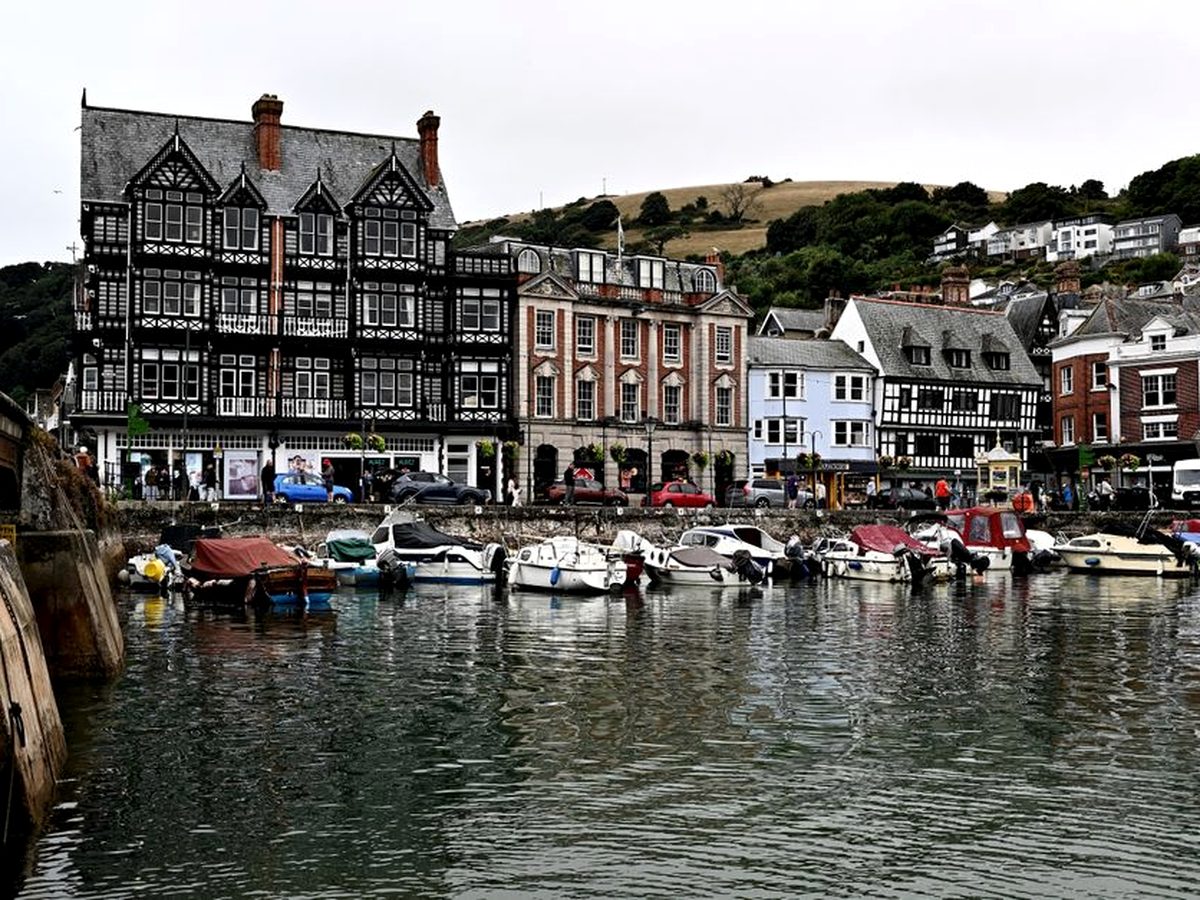
The English Riviera, the sheltered arc of Torbay running through Torquay, Paignton and Brixham, is the most straightforward base for a first family trip. It has the most family attractions in the county, with the zoo, a steam railway, a waterpark, piers and a string of flat, shallow beaches, and it is the one part of Devon that works for a week without a car. It is a traditional, budget British seaside area rather than a scenic one, and reviews are mixed on that, so it suits families who want everything on tap more than those after unspoilt views.
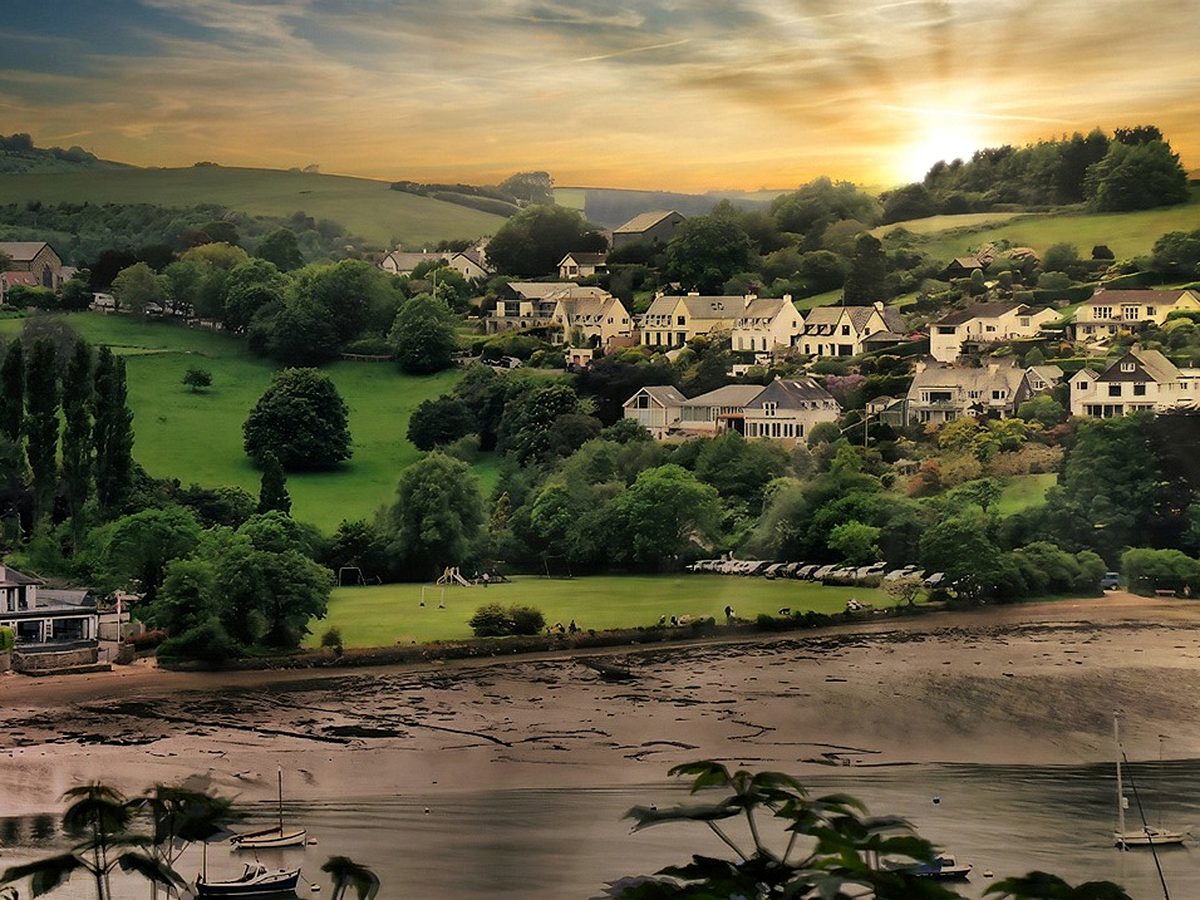
The South Hams, around Salcombe, Dartmouth and Bigbury, is the priciest part of Devon, with wooded estuaries, clear water and coves out of the swell. The trade-off is logistics: steep towns, cobbles at Dartmouth, narrow single-track lanes and Salcombe cottage prices among the highest in England, so it tends to suit a long weekend more than a budget fortnight. East Devon, around Exmouth and Sidmouth, is the easiest and most convenient choice, with a long flat beach, the Jurassic Coast fossils, the Donkey Sanctuary and Exeter's hospital all close by.
North Devon is the surf coast: Woolacombe's 3 miles (5 km) of Atlantic sand, Croyde's surf village, and holiday parks with big indoor pools for the wet days. It is further from the motorway and the surf is no place for a free-range paddle, so it suits confident toddlers and mixed-age families more than the very youngest. The Dartmoor edge, around Tavistock and Bovey Tracey, is the base for families who want the moor itself as the holiday, with the coast a day trip away and Pennywell Farm close at hand.
| Area | The beach | The feel | Good for |
|---|---|---|---|
| English Riviera (Torbay) | Sheltered, shallow golden sand | Torquay, Paignton and Brixham around one calm bay, with the county's biggest cluster of family attractions: a zoo, a steam railway, a waterpark, piers and twenty-odd beaches, mostly flat. Budget seaside rather than scenery. | A first Devon trip that wants everything on tap |
| South Hams | Sheltered cove and estuary sand, but tide-dependent | Salcombe, Dartmouth and Bigbury: wooded estuaries and clear water, with steep towns, narrow lanes and the highest prices in the county. | Scenery, if you will pay for it and manage the hills |
| East Devon | Long flat sand at Exmouth, pebble at Sidmouth | The flattest, most low-key coast, close to Exeter and its hospital, with the Jurassic Coast fossils and the Donkey Sanctuary nearby. | An easy, convenient first trip |
| North Devon | Big Atlantic surf sand | Woolacombe and Croyde: big open beaches and surf, holiday parks with indoor pools, further from the motorway, with surf that needs lifeguards and the flags. | Confident toddlers and big beach days |
| Dartmoor edge | No beach; moor, tors and rivers | Tavistock, Ashburton and Bovey Tracey: ponies, granite tors and shallow river paddling, with the coast a day trip away and Pennywell Farm on the doorstep. | Families who want Dartmoor at the heart of the trip |
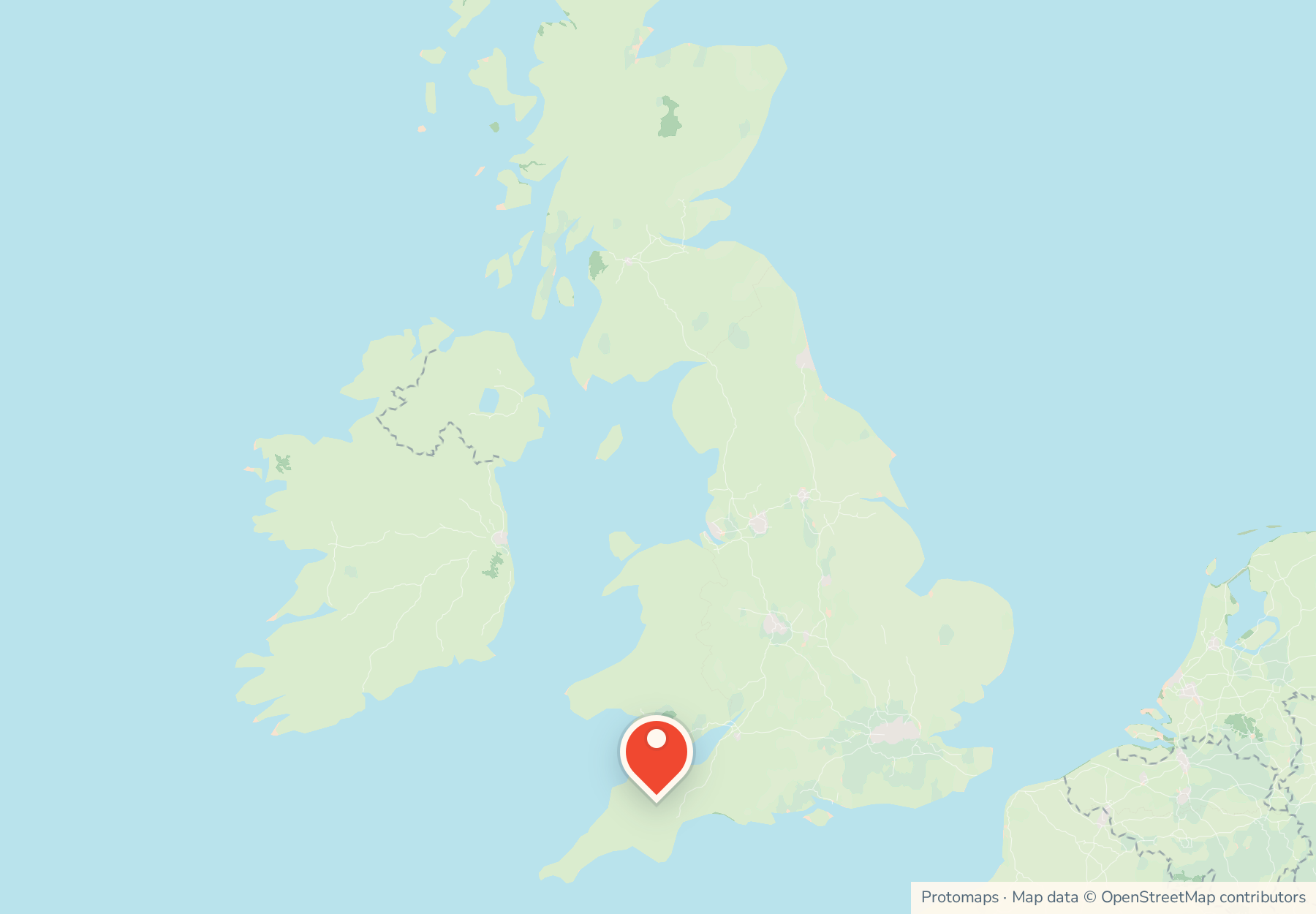
Map of the main family areas
An orientation map of the coasts and bases above, Dartmoor and the bigger days out. The numbers match the key beneath.
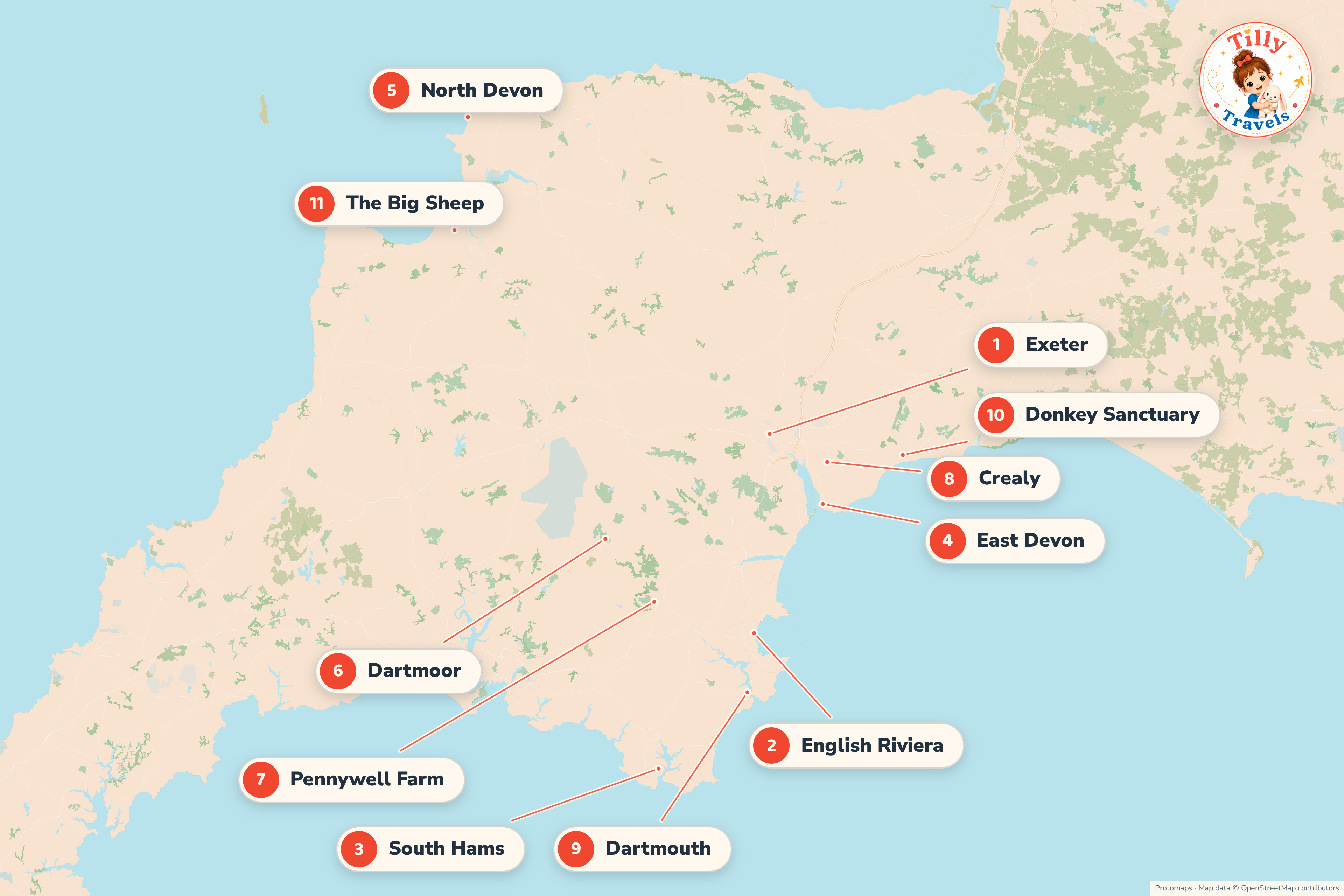
- 1Exeter Gateway off the M5 and the train
- 2English Riviera Torquay and Paignton
- 3South Hams Salcombe and Dartmouth
- 4East Devon Exmouth and Sidmouth
- 5North Devon Woolacombe and Croyde
- 6Dartmoor Ponies, tors and rivers
- 7Pennywell Farm The top day out for little ones
- 8Crealy Theme park near Exeter
- 9Dartmouth Steam railway and ferry
- 10Donkey Sanctuary Free, near Sidmouth
- 11The Big Sheep North Devon farm park
Beaches that work with little ones
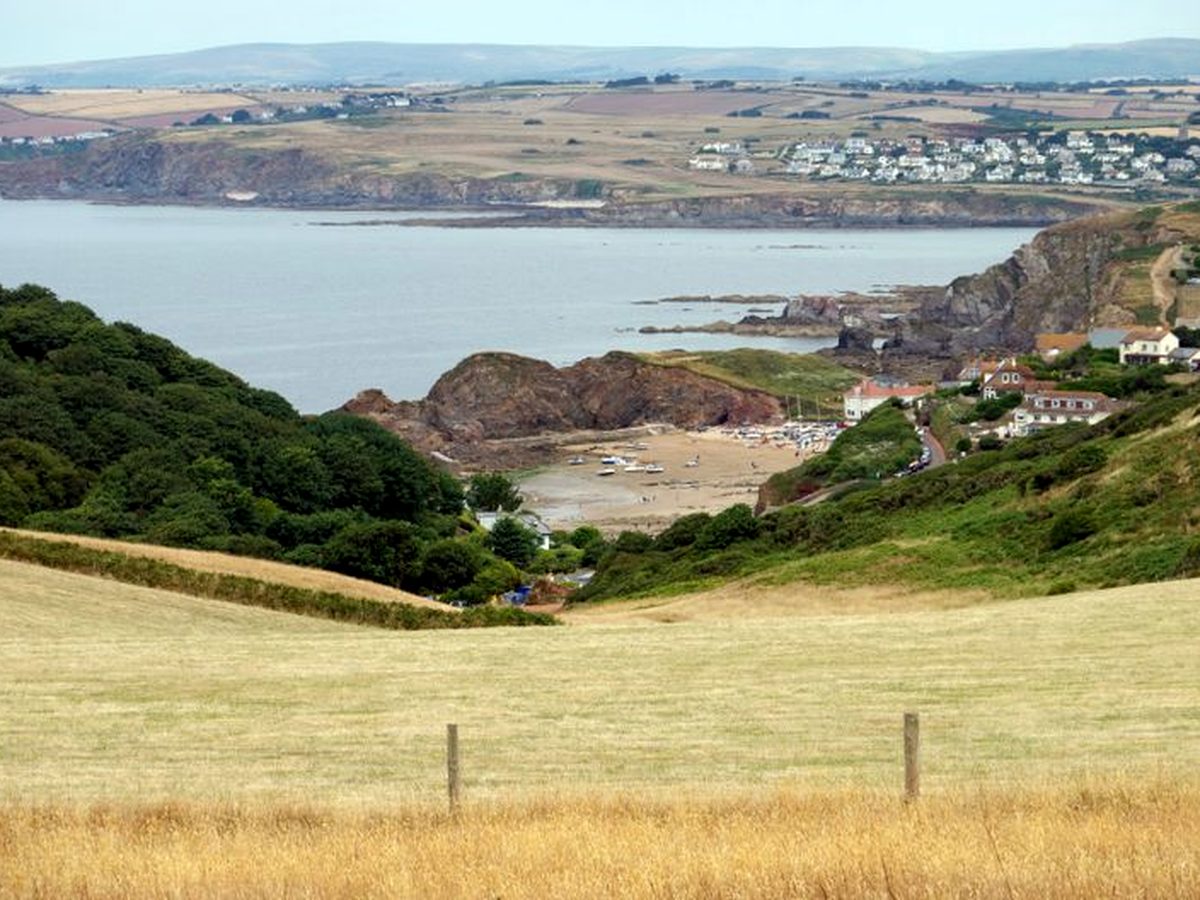
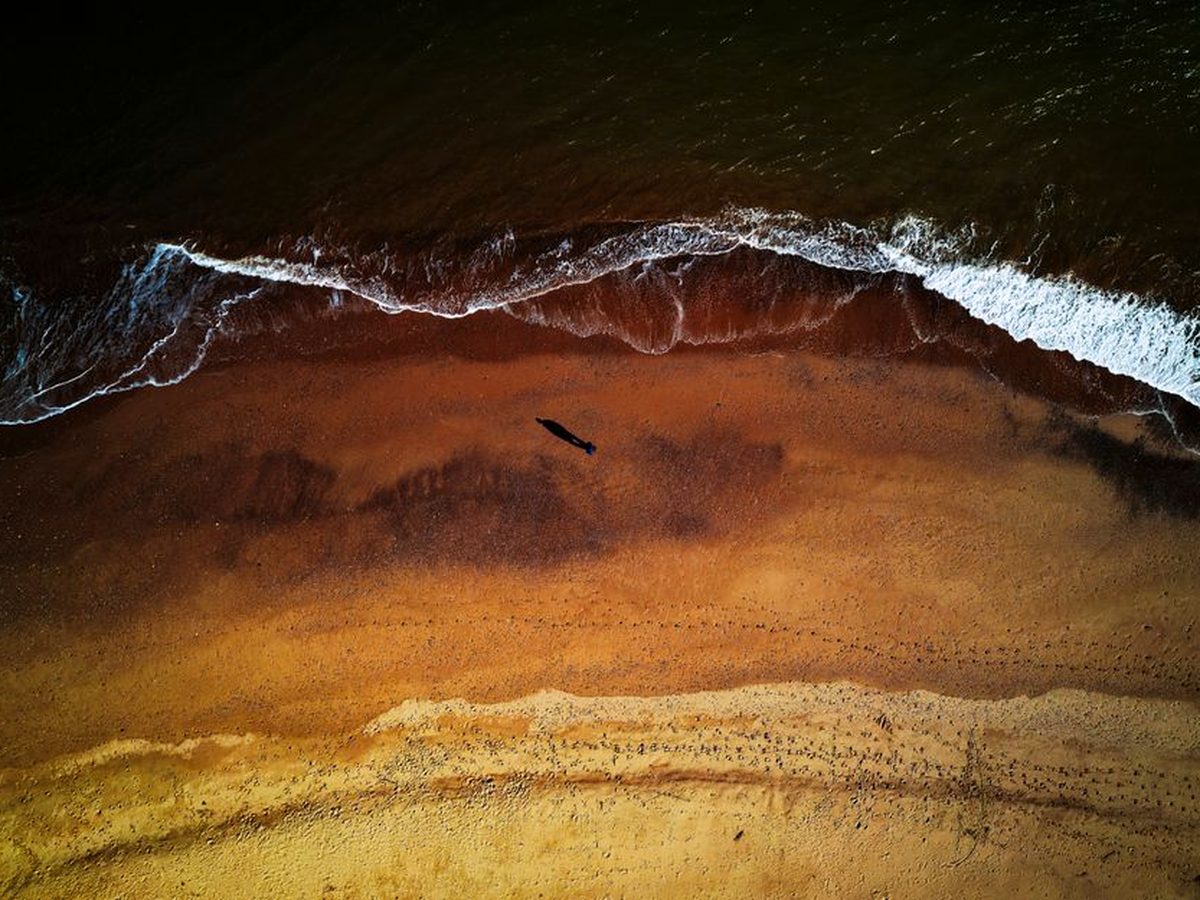
Which coast you are on decides whether the sea is safe to paddle in. On the sheltered south, Blackpool Sands near Dartmouth is the calm first-day choice, with a café and facilities right by the car park, though it is fine shingle rather than sand so small feet need beach shoes and the shelf is steep. Bigbury has shallow lagoons at low tide and the Salcombe coves are gentle, but the Salcombe sand fills fast on a rising tide, so arrive low or falling. Burgh Island off Bigbury is cut off twice a day by the sea, reached at high water by a sea tractor, so check the causeway times before you walk across. Over on the east coast, Exmouth has 2 miles (3 km) of flat sand and the Jurassic Coast fossils start at its edge.
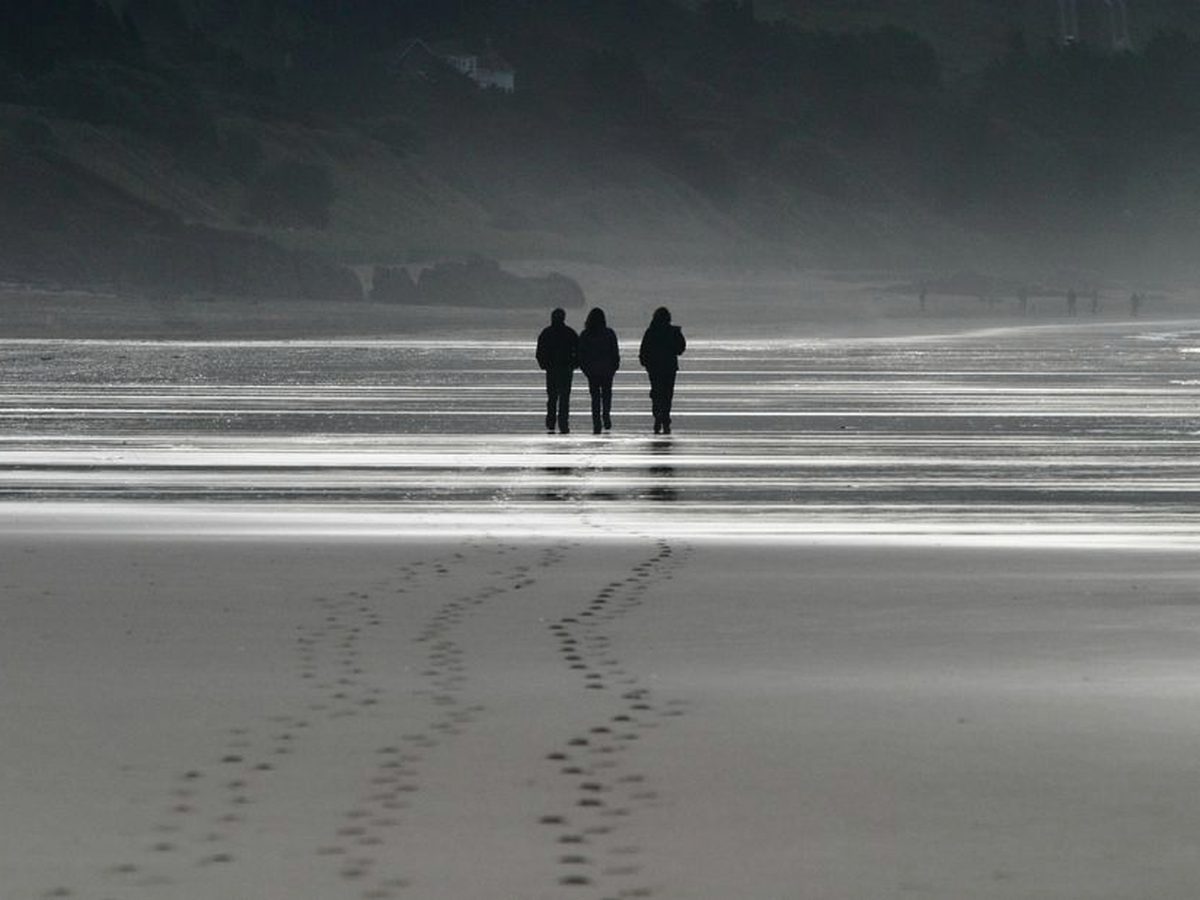
The north coast is the surf coast. Woolacombe is 3 miles (5 km) of superb flat sand with two streams for toddlers to splash in, but the Atlantic sea is for swimming between the red and yellow flags when the RNLI lifeguards are on, not for a free-range paddle. Croyde, with its strong and repeated rip currents, is not a toddler paddling beach in normal surf. Two rules hold all over the county. Swim between the flags, and only while lifeguards are on through the summer season. Never put a child on an inflatable when the orange windsock is up, because the offshore wind takes them out faster than an adult can swim.
Weather, wet days and days out
When to go, the rainy-day plan, the days out that suit small children, eating out and where to stock up.
Weather, May to October
The figures below are regional averages rather than a forecast. The south of Devon is milder and sunnier than most of England, which is where the English Riviera name comes from, but it is still the British south-west, so a wet day or two in a week is normal and the north coast catches more Atlantic rain than the south.
| Month | Daytime high | Overnight low | Rain | Wet days | Sea temp |
|---|---|---|---|---|---|
| January | 9.5° | 4° | 132 mm | 15 | 10° |
| February | 10° | 4° | 99 mm | 13 | 9° |
| March | 11° | 5° | 86 mm | 12 | 9° |
| April | 13.5° | 6° | 69 mm | 10 | 10° |
| May | 16° | 8.5° | 64 mm | 9 | 12° |
| June | 19° | 11° | 63 mm | 9 | 15° |
| July | 21° | 13° | 67 mm | 8 | 17° |
| August | 21° | 13° | 76 mm | 10 | 17° |
| September | 19° | 11.5° | 70 mm | 9 | 17° |
| October | 16° | 10° | 130 mm | 14 | 16° |
| November | 12.5° | 6.5° | 129 mm | 15 | 14° |
| December | 10.5° | 4.5° | 145 mm | 16 | 12° |
Typical monthly averages from weather-station records. Sea temperature is the open-water figure, so a sheltered bay can feel a degree or two warmer.
The sea never gets properly warm, peaking around 17 degrees in late summer, so a wetsuit or thermal swim vest is worth it for any child who wants to stay in longer than a quick dip. Early September brings the warmest sea once the school holidays end, and late June and the back half of May are quieter and cheaper before they begin.
The rainy-day planWhen it rains
A Devon week in summer will usually catch a wet day, so it is worth knowing the indoor options before you need them. The biggest is Woodlands near Dartmouth, billed as the south-west's largest indoor play, with separate zones for babies and toddlers and a lot under cover when the rain sets in. The north coast has its own big all-weather farm parks, the Big Sheep near Bideford and the Milky Way near Clovelly, both with large indoor play and dedicated baby and toddler areas.
Closer to Exeter, Crealy has a soft-play barn alongside its rides, and Plymouth's National Marine Aquarium is a solid half-day with lifts, baby-changing and a café. Exeter's free museum, the Royal Albert Memorial Museum, has exploration bags for small children and taxidermy animals they tend to love, and is one of the better free wet-day hours in the county. Most towns also have a soft-play centre for when nothing else will do.
Filling the daysThings to do with little ones
Pennywell Farm near Buckfastleigh is built around small children rather than retrofitted for them, and has been voted Devon's best family attraction three times in recent years. There is a toddler village of ride-on tractors, slides and a sandpit, a handful of free included rides, and an animal session every half hour through the day, from bottle-feeding goat kids to pig racing. Paignton Zoo by the Riviera is a full day across 80 acres, with a petting ranch that works best for the youngest, though the site is hilly so strong arms help. Crealy near Exeter is a small theme park with gentle toddler rides and a soft-play barn, and a glamping resort next door if you want to spread it over two days.
The Dartmouth Steam Railway pairs a real steam train along the coast with a short ferry across the Dart, bookable as one round trip, which works for any toddler who loves trains and boats; arrive early, as the queues build. The free Donkey Sanctuary near Sidmouth is an easy couple of hours with the rescued donkeys, a small playground and flat, buggy-friendly paths.
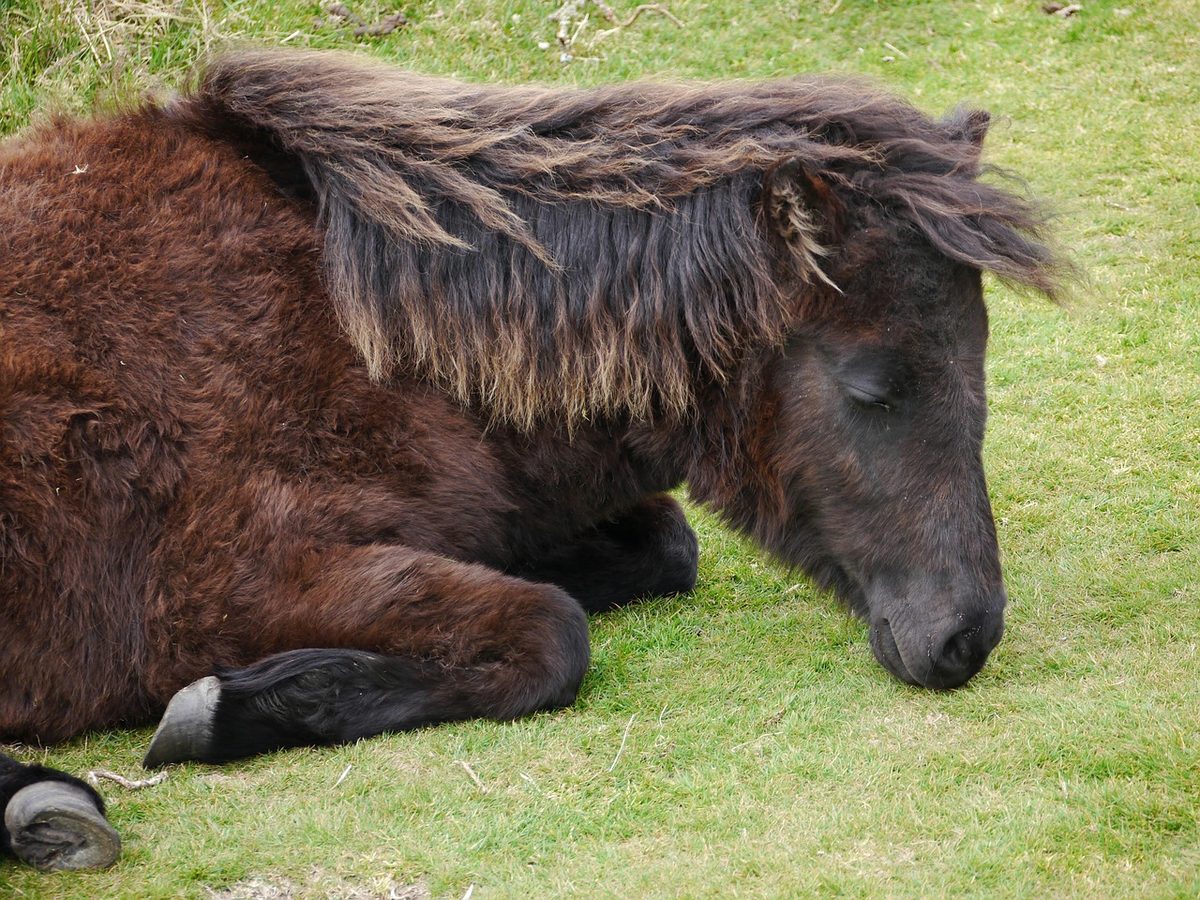
Dartmoor is wild moorland in the middle of the county, not a managed attraction. Ponies graze around the car parks at Haytor and Dartmeet, the shallow river sections take a warm-day paddle when the water is low, and the level old tramway path at Haytor suits a sturdy buggy in the dry. Keep to the marked paths and off the bright-green bog, keep your distance from the ponies, and check the moor's forecast separately from the coast, because mist can drop quickly.

Eating out with children
Devon runs on family pubs with gardens, beach cafés and fish and chips, and feeding small children is easy in the tourist areas, where most pubs have a garden, high chairs and a children's menu. Rural village pubs can close midweek and Sunday lunch books up well ahead in summer, so a quick call before driving out to a remote one is worth it with young children.
The fish and chips are good, with the Rockfish chain in the harbour towns, and you can eat them on the Dartmouth embankment looking over the river. A high chair is common but not guaranteed at smaller places, so a fold-up seat that clamps onto the edge of a table is worth packing.
Nappies, milk and the big shopSupplies and pharmacies
Shopping is straightforward, with the big supermarkets in the larger towns: Exeter, the Torbay towns, Exmouth, Barnstaple and Plymouth are all well covered. The gaps are rural. Salcombe has delis and farm shops but little in the way of a full supermarket, so the big shop is a 7-mile (11 km) run to Kingsbridge, and the Dartmoor villages are thin too, which means stocking up in Exeter or Newton Abbot before heading onto the moor.
Nappies, wipes, formula and baby food are all easy to find in the supermarkets and Boots in the main towns, in the usual UK brands, so there is nothing to import. Village shops are less reliable for them, so it is worth bringing enough for the first few days rather than hunting on arrival.
Getting around, a real week and the admin
The drive and getting around, what a week actually looks like, the health and admin and a list to pack against.
Getting there and around
Most families drive, down the M5 to Exeter and on from there. The one delay to plan around is the summer-Friday queue on the M5 between Tiverton and Exeter, which can add the best part of an hour on changeover days; crossing before late morning or travelling early on the Saturday avoids the worst of it. The train is a genuine alternative to Torbay and Exeter, with direct services from London in around two hours and no parking or motorway at the other end, and the local Riviera Line on to Paignton runs right along the sea wall.
On the ground a car is needed everywhere except the English Riviera, where the beaches, pier, zoo and seafront are walkable or a short bus and the train links the bay. The South Hams lanes are narrow and single-track in places, North Devon thins out beyond Barnstaple, and Dartmoor has almost no buses, so a car is the practical choice for all of them.
Underfoot, the Riviera and Exmouth seafronts are flat and easy with a pushchair, and the old-railway Tarka Trail near Barnstaple is level and surfaced for buggies and bikes. The historic towns are the hard work: Dartmouth's cobbles and Salcombe's hills defeat a lightweight stroller, and Dartmoor paths waterlog after rain, so an all-terrain buggy or a carrier is worth having anywhere off the main seafronts.
What a real week looks likeA realistic week with little ones
Shop on the way in, settle into the cottage or park, and take a gentle first beach hour nearby. Early dinner at a pub with a garden.
Sand in the morning while the tide is right, lunch and a nap, then the playground or an ice cream on the front late on.
Up to Haytor or Dartmeet for ponies and a paddle in the shallow river, on a warm day with the water low. Pub lunch, home before bedtime.
Pennywell Farm or Paignton Zoo in the morning, one a day and no more, then nothing demanding afterwards.
A slow morning and a final paddle, with the drive home started before the Friday queue builds on the M5.
Alternate a beach day with a busy one, keep to a single big outing at a time, and let a Dartmoor day or a wet-weather indoor day be the change of pace.
The practical adminHealth and admin
Full A&E sits at Exeter, Torbay, Barnstaple and Plymouth, with minor injury units in towns like Kingsbridge, Totnes and Newton Abbot for cuts and sprains. The gap worth knowing is the remote South Hams: from the Salcombe area, anything serious once the Kingsbridge unit has closed for the day means Derriford in Plymouth, about an hour on winding lanes, so families in remote cottages should know the route before they need it.
Day to day the risks are the ordinary outdoor ones. On the beaches it is rip currents on the surf coast and beaches that cut off on a rising tide, both covered by swimming between the flags and checking tide times. On Dartmoor it is boggy ground, fast-rising rivers after rain, and ponies that bite and kick, so keep to paths, off the bog and away from the animals, and check the moor forecast separately from the coast. The sea is cold enough to chill a small child quickly even in August, the south-coast cliffs shed rockfalls so stay off their base, and the summer sun still burns, so the usual hats, high-factor cream and shade apply. Bring enough of any regular medicine for the whole trip.
Before you payBooking checklist
- Decide which coast suits your child: sheltered south for babies and calm paddling, surf north for confident toddlers.
- Pick one base and stay there rather than trying to see the whole county.
- Note the tide times for your beach days, and the Burgh Island causeway if you are near Bigbury.
- Pack a buggy that copes with hills, cobbles and sand, or a carrier.
- Confirm a cot, and ask a cottage about stairs and step-free access.
- Do the big shop in Kingsbridge or Exeter if you are heading somewhere rural.
- Aim for early September, late June or May for value and a warmer sea.
- Plan the drive to dodge the Friday M5 queue around Exeter.
- Pack a wetsuit or swim vest for more than a quick paddle.
- Bring enough of any medicine your child relies on for the whole trip.
Resort guides in Devon
We've researched these places to stay in Devon for families with young children. Each guide covers what it's like, who it suits and what to check before you book.
Questions, links and the last word
The things families ask most, the official pages worth a bookmark and when this guide was last refreshed.
Common parent questions
North Devon or South Devon, which should we pick?
It comes down to the water and your child's age. South and East Devon face the sheltered English Channel, so the sea is calmer and the resorts denser, which suits babies and nervous paddlers. North Devon faces the open Atlantic, with big surf beaches like Woolacombe for confident toddlers who love space. The county is too big to do both well in one trip, so base on one, with Dartmoor a day out from either.
Do we need a car?
For most of Devon, yes. The English Riviera (Torquay and Paignton) works for a week without one, with the beaches, zoo, pier and seafront walkable or a short bus, and the train reaching Exeter and Torbay. Everywhere else, the buses are too thin to rely on with small children, the South Hams lanes are narrow, and North Devon and Dartmoor need a car.
Which beach is best for a toddler?
On the sheltered south, Blackpool Sands near Dartmouth is the calm first-day pick, with facilities by the car park, though it is fine shingle rather than sand so pack beach shoes. Bigbury and the Salcombe coves are gentle on a low or falling tide. On the north coast, Woolacombe is superb sand but the sea needs lifeguards and the flags; Croyde, with its rip currents, is not a paddling beach in normal surf.
When is the best time to go with little ones?
The first week or two of September is the standout, with the warmest sea of the year and the summer crowds gone. Late June and the back half of May are the next best. July and August are warmest but the busiest and dearest.
Is Dartmoor worth it with a toddler?
Yes, in good weather. Ponies graze around the car parks at Haytor and Dartmeet, the shallow river sections take a paddle on a warm day, and the level Haytor tramway path suits a sturdy buggy when it is dry. Keep off the bright-green bog, keep your distance from the ponies, and check the moor's forecast separately from the coast.
Is there enough to do if it rains?
Yes. Woodlands near Dartmouth is the biggest indoor play in the south-west, the Big Sheep and the Milky Way cover the north, Crealy near Exeter has a soft-play barn, and Plymouth's National Marine Aquarium and Exeter's free RAMM museum both make good wet-day hours. Plan for at least one wet day in a week.
How does Devon compare to Cornwall?
Devon is closer for most of England, has two distinct coasts and Dartmoor within one county, and the English Riviera packs in more family attractions than anywhere in Cornwall. Self-catering tends to run cheaper too, the South Hams aside. Cornwall has the more rugged, remote coast and a stronger pull if you are mainly there for the scenery and the longer drive is worth it.
What if someone is ill or hurt?
Exeter (the RD&E), Torbay, Barnstaple and Plymouth (Derriford) all have full A&E, and there are minor injury units in towns like Kingsbridge, Totnes and Newton Abbot for cuts and sprains. The gap to know about is the remote South Hams: from the Salcombe area, anything serious after the Kingsbridge unit closes means Derriford in Plymouth, about an hour on winding lanes.
See more Devon photos
Open the photo gallery →Useful links
- Visit Devon: areas, attractions and what's open while you're there.
- RNLI lifeguarded beaches: which Devon beaches are patrolled, and when.
- Dartmoor National Park: where you can go, ponies, bogs and military firing times.
- Dartmouth Steam Railway: timetables for the train, ferry and river cruise.
- Pennywell Farm: opening dates, Toddler Time sessions and tickets.
Last updated 16 June 2026.