Orlando with little ones
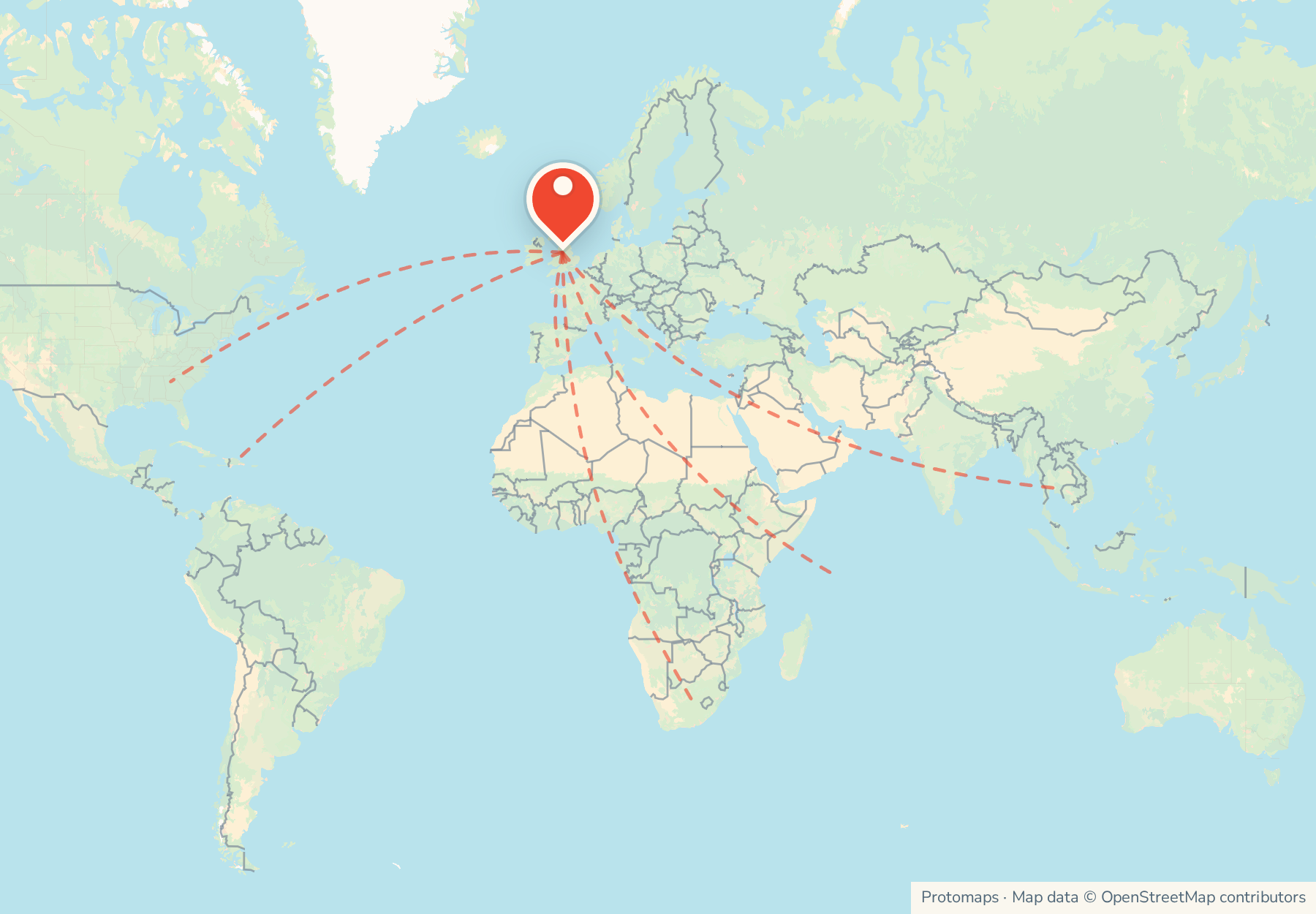
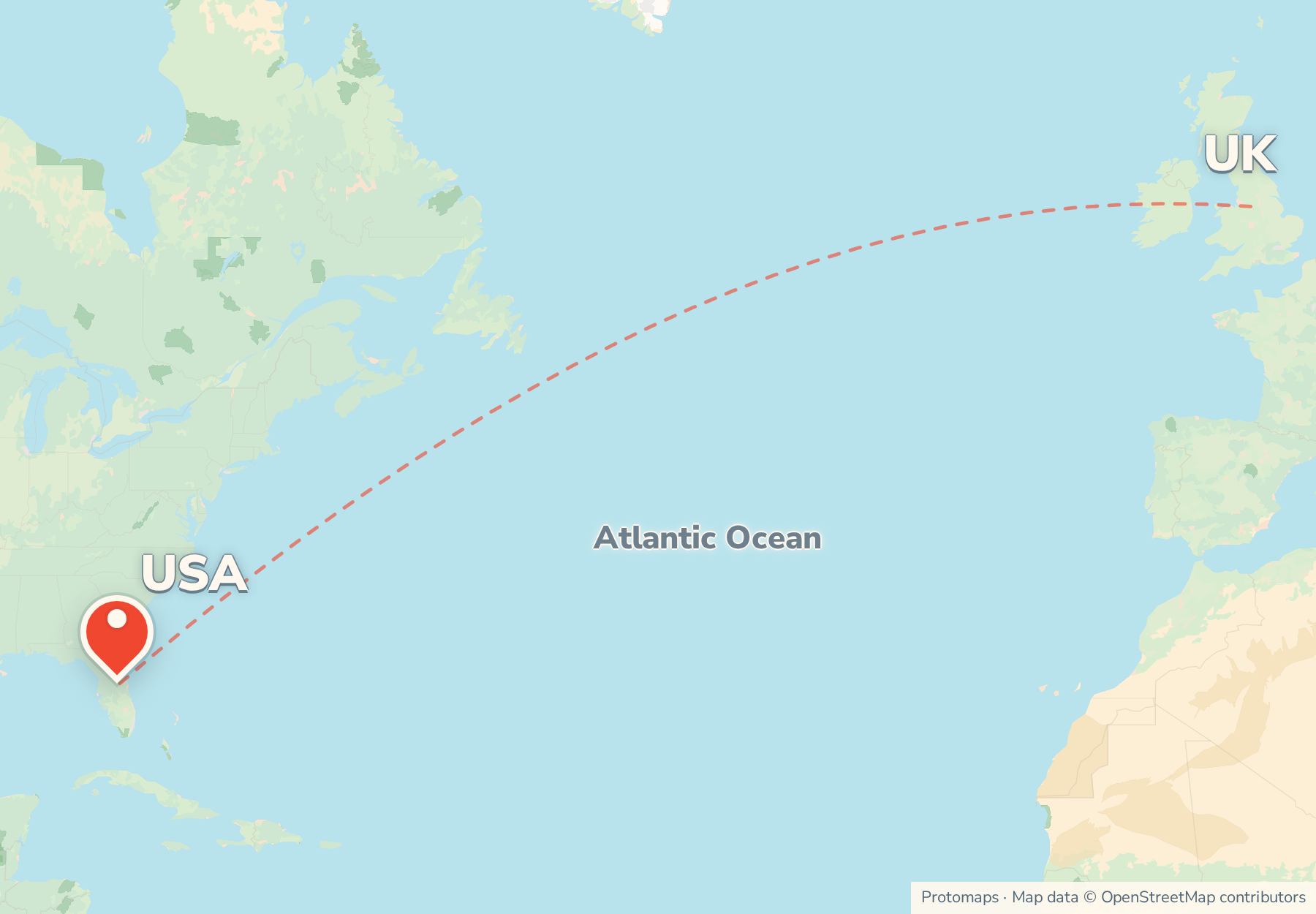
An Orlando holiday is a different kind of trip from a European beach week. There's a nine-hour flight, a five-hour time change, an entry permit for every traveller, a hire car and a villa with its own pool, and days built around the theme parks. Orlando sits inland at the centre of Florida, with Disney, Universal and a run of smaller parks made for young children, and a beach on either coast within a drive when you want one.
On this page
A family verdict at a glance
The quick read, whether the parks are worth it yet and the paperwork to sort before you pay a deposit.
Best for
You want the parks while a three or four year old still believes every word of it, with a villa pool to retreat to and a beach week to finish.
Maybe not for
Anyone hoping for a low-effort holiday. The flight, the time change, the driving and the cost are all more than a European trip.
Best ages
Around three to four works well. Old enough to take it all in, young enough that Disney and Universal charge nothing under three.
Where to be
A villa with a pool in Kissimmee or Davenport for the parks. Cocoa Beach on the Atlantic is the closest, for a day by the sea, and the calmer Gulf coast, Clearwater, Anna Maria or Siesta Key, is worth the longer drive for a few nights at the end.
Why families do it anyway
The parks suit small children, you get a daily pool break at the villa, and going in term time avoids the crowds and the worst of the heat.
Check before you book
ESTAs for everyone including the baby, insurance bought on booking day, the villa's pool fence and the car seat plan.
Is it worth it at this age?
Children under three enter Disney World and Universal free, eat free at Disney buffets and ride almost everything in Fantasyland, where more than twenty Magic Kingdom attractions have no height limit at all. A three or four year old meets Mickey and believes it. The parks are also well equipped for babies, with a Baby Care Center in each Disney park for feeds, changing and a cool break, and parent-swap schemes that let each adult ride the bigger rides on a single queue.
Against that, the trip costs a UK family of four well into five figures, the child won't remember it, summer heat is hard on small bodies and a toddler can manage perhaps half a park day. There's also a tier of parks built for this age group, covered further down, where the queues and the heat are far easier. A common compromise is to go just before the third birthday, treat it as a short first visit to the parks with a beach week attached, and save the full Disney trip for when everyone can queue.
Before you book anythingThe paperwork and the insurance
Get three things in place before you pay a deposit. Every traveller needs their own passport and their own ESTA, the US travel authorisation, and that includes babies. It costs about $40 each, paid once (last checked June 2026), lasts two years (or until your passport expires, whichever comes first) and takes minutes online, but apply only through the official site, esta.cbp.dhs.gov, because copycat sites charge several times the price for the same form. UK passports just need to be valid for the length of the stay.
Travel insurance matters more here than anywhere in Europe. Your GHIC card means nothing in America, and US healthcare bills run to thousands of pounds for small things and six figures for big ones, so a policy with generous medical cover for every member of the family is part of the cost of the trip. Buy that insurance on the day you book, not the week you fly. Once a hurricane has a name, new policies won't cover it, and booking-day cover is what protects an autumn trip.
The essentials and the time change
The quick facts, the everyday money-and-plugs details and how the five-hour clock change plays out.
Quick facts for UK families
Money, plugs and the everyday
- The currency is the US dollar and cards are accepted everywhere, though tips are expected in cash or added at the till.
- Restaurant tipping runs 15 to 20 per cent and is expected, so build it into the meal budget.
- Shelf and menu prices exclude sales tax, which is added at the till and runs 6.5 to 7.5 per cent depending on county.
- US sockets take flat two-pin plugs at 120 volts. Phone and tablet chargers cope fine with an adapter; UK hairdryers mostly don't.
- The emergency number is 911.
- Tap water is safe to drink and fine for making up feeds once boiled, the same as at home.
- Supermarkets are enormous and cheap for nappies and snacks. The exception is formula, which is covered below.
Jet lag, in your favour and against
Flying west is the easy direction with small children. A toddler who wakes at six in Orlando is waking at eleven on their body clock, so the first few days bring five o'clock starts. That gets you breakfast early and into a park for opening, with the morning done by lunch. Most children settle into local time within four or five days.
The return is the hard part. The flight home is overnight, about eight and a half hours in the dark with children who may or may not sleep, and you land in a UK morning five hours ahead of everyone's body clock. Plan nothing for the first two days home, and keep the last day quiet so nobody starts the flight exhausted.
Where to base yourselves
Villas or a resort hotel, an orientation map of the parks and beaches, and the pool-safety rule that matters most.
Where families stay
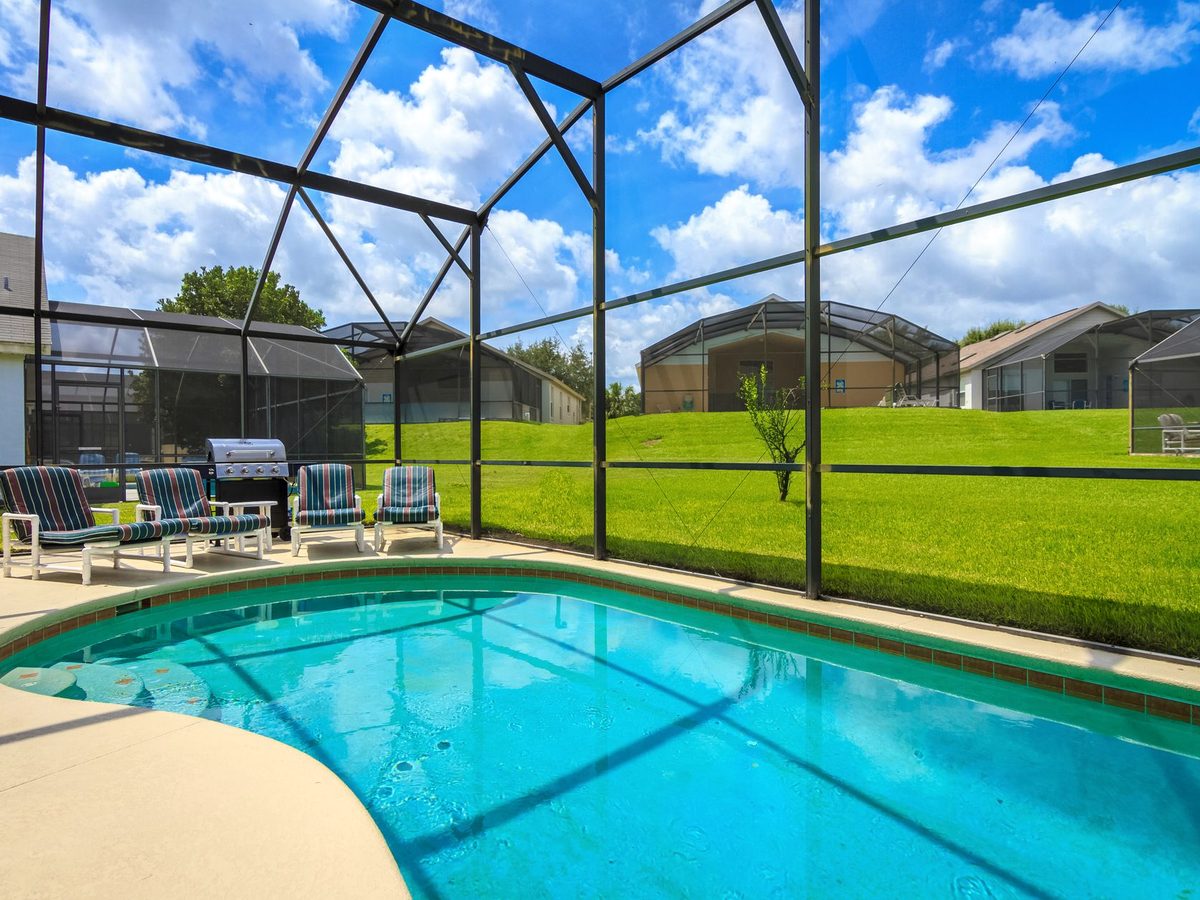
The classic UK way to do Orlando is a villa: a four-bedroom house with its own pool in Kissimmee, ten to fifteen minutes from the Disney gates, or Davenport and ChampionsGate a little further out, where the houses are newest and many sit in gated communities with clubhouses and splash parks. A villa gives you bedrooms with doors, a washing machine, a kitchen for formula, weaning and fussy eaters, and a pool for the middle of the day, and usually works out cheaper per person than a Disney hotel. It also commits you to a car, since villas have no shuttles.
The alternative is staying at a Disney resort hotel, which costs more for less space but buys park transport, early entry and the option of doing the whole trip without driving. International Drive's hotels sit between the two. Most families do a twin-centre, Orlando first for the parks, then a week on the Gulf coast to wind down before flying home.
Map of the parks, villas and beaches
An orientation map of central Florida, with the parks and villa areas around Orlando, the Atlantic beaches to the east and the calmer Gulf beaches further west. The numbers match the key beneath.
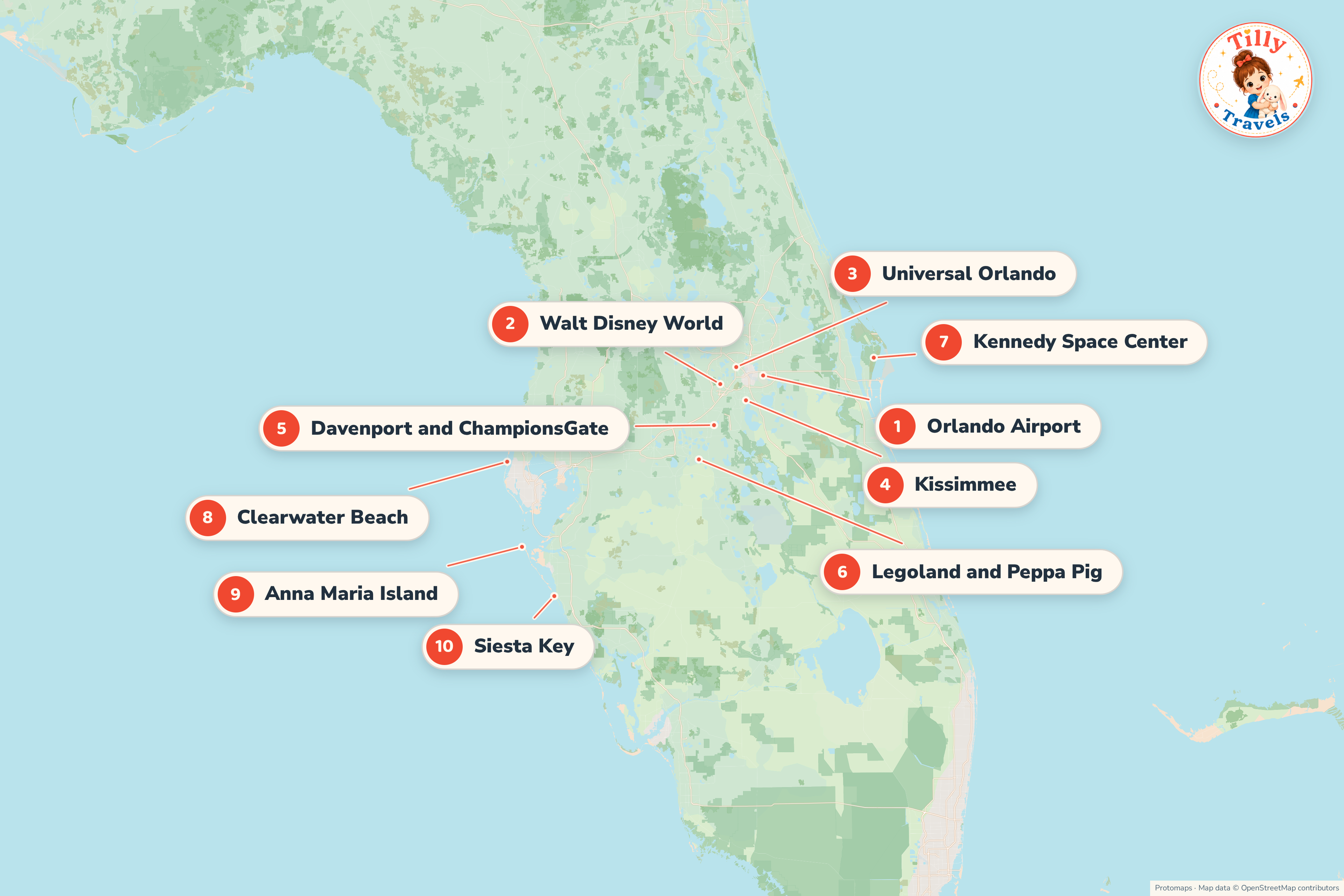
- 1Orlando Airport Where the direct UK flights land
- 2Walt Disney World The four Disney parks
- 3Universal Orlando Including the new Epic Universe
- 4Kissimmee The classic villa country
- 5Davenport and ChampionsGate Newer villa communities
- 6Legoland and Peppa Pig Parks for younger children
- 7Kennedy Space Center With Cocoa Beach nearby
- 8Clearwater Beach Gulf-coast sand
- 9Anna Maria Island Calm and low-rise
- 10Siesta Key Fine white sand
The villa pool, seriously
Drowning is the leading cause of death of young children in Florida, and on this holiday the biggest danger is the villa's own pool. Florida law requires newer pools to have at least one safety feature, but that's a construction rule, not a promise about your villa: many houses offer a pool fence or door alarms only if you ask the management company for them. Ask at booking, in writing, for a fenced pool or door alarms, and treat the patio doors as the hazard, because a toddler who can open them has the pool to themselves. The screen enclosure doesn't replace watching the water.
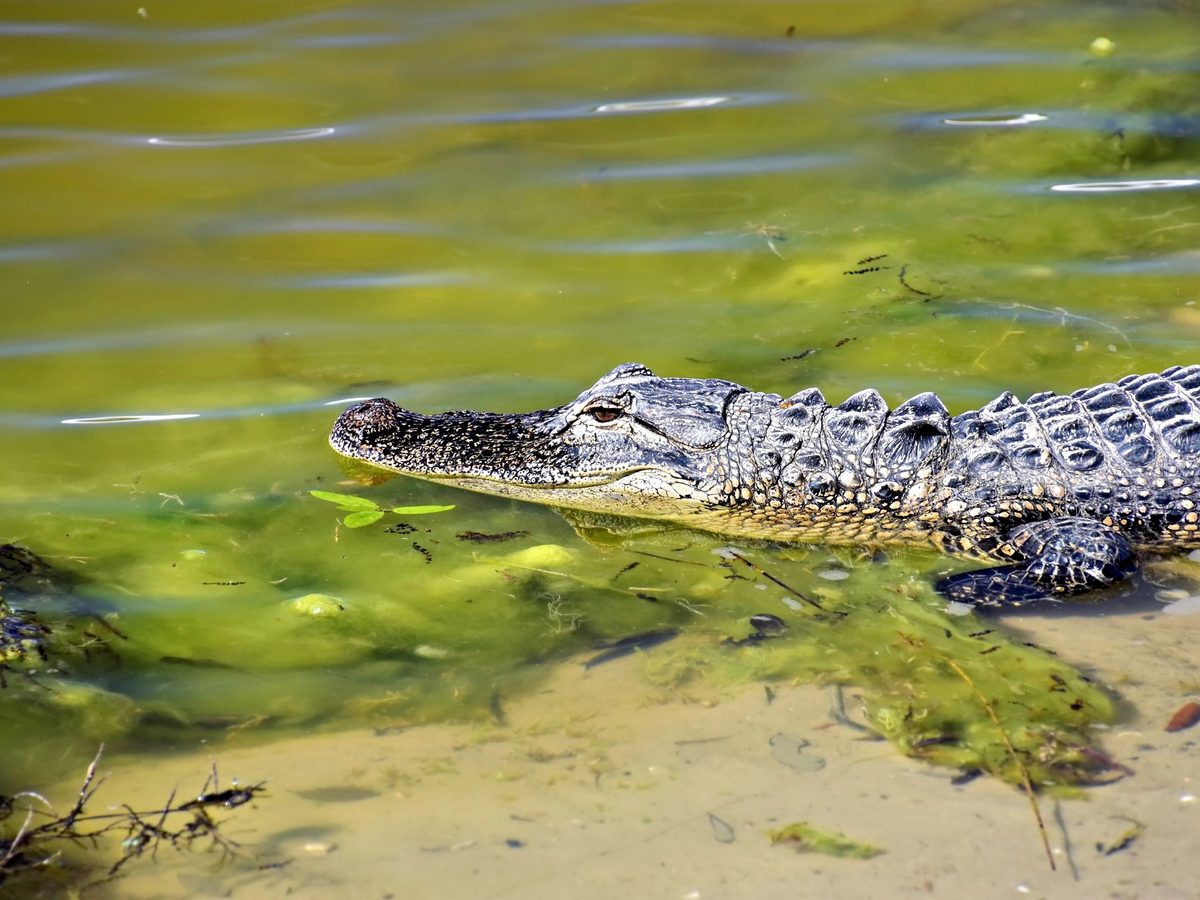
One more rule covers the rest of the state's water: alligators live in fresh water in every Florida county, including the ponds and lakes behind villa estates, so nobody paddles or swims in lakes, ponds or canals, ever. Keep swimming to pools and the sea.
The parks and the beach
The parks with a toddler, the smaller parks worth knowing and the Gulf beach week to finish.



The parks with little ones
Walt Disney World is the reason most families come, and for young children it means the Magic Kingdom above all. Fantasyland alone can fill two toddler mornings, and a Baby Care Center sits just off Main Street for feeds, changes and ten minutes in the air conditioning. The other three Disney parks, Epcot, Hollywood Studios and Animal Kingdom, suit older children more. The four parks, the on-site hotels and the ticket detail are covered in full in the Disney portal here on Tilly Travels.
Universal Orlando makes more sense once children pass a metre or so. Its parks, Universal Studios, Islands of Adventure and the new Epic Universe, lean towards bigger rides, so a toddler will watch more than ride. SeaWorld Orlando sits between the two, with animal exhibits and coasters for older children and a Sesame Street Land of small rides and a splash pad for the little ones.
The smaller parks do more for young children than their billing suggests. Legoland Florida, over near Winter Haven, is pitched at twos to twelves, with more shade, shorter queues and lower prices than the big resorts. The Peppa Pig Theme Park next door is a half-day for two-to-fives, with small rides, playgrounds and a splash pad. Busch Gardens Tampa, about an hour and a half west, pairs a safari-style animal park with big coasters, so it splits between younger and older siblings. Kennedy Space Center, an hour east, fills a day for a space-mad preschooler, with Cocoa Beach right there for afterwards.
Tickets are date-based and cheaper the longer you stay, and most UK families buy the 14-day UK Magic Ticket rather than paying at the gate. Bring your own pushchair or rent one, and it waits in a marked bay while you queue. Rider Switch at Disney and Child Swap at Universal let both adults ride anything on a single wait, with Universal keeping many of its waiting rooms inside the queue. Disney's paid queue-skipping, Lightning Lane, is priced per person, per park, per day, and at this age is worth it mainly for Peter Pan's Flight and Seven Dwarfs Mine Train. Book character meals around sixty days out. Children under three need no ticket anywhere.
The second actThe beach week
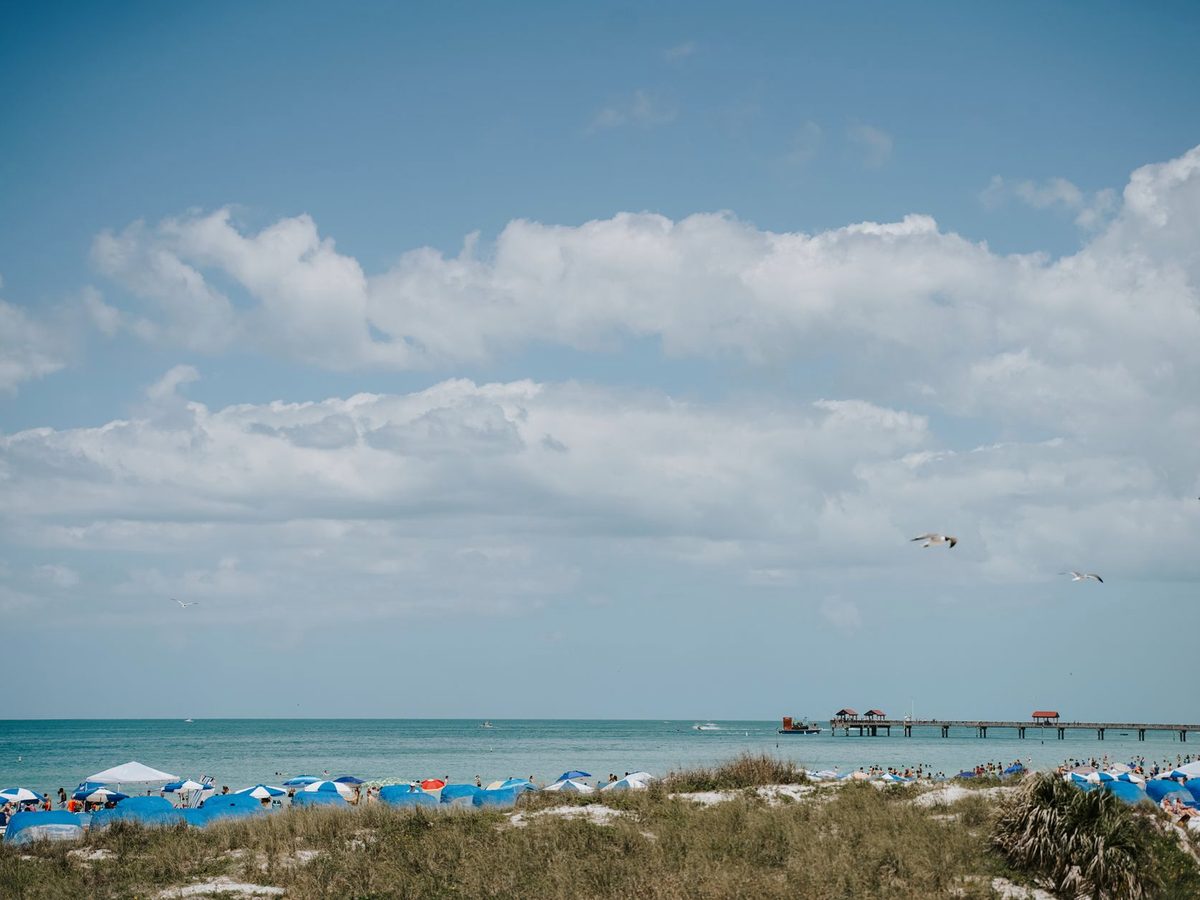
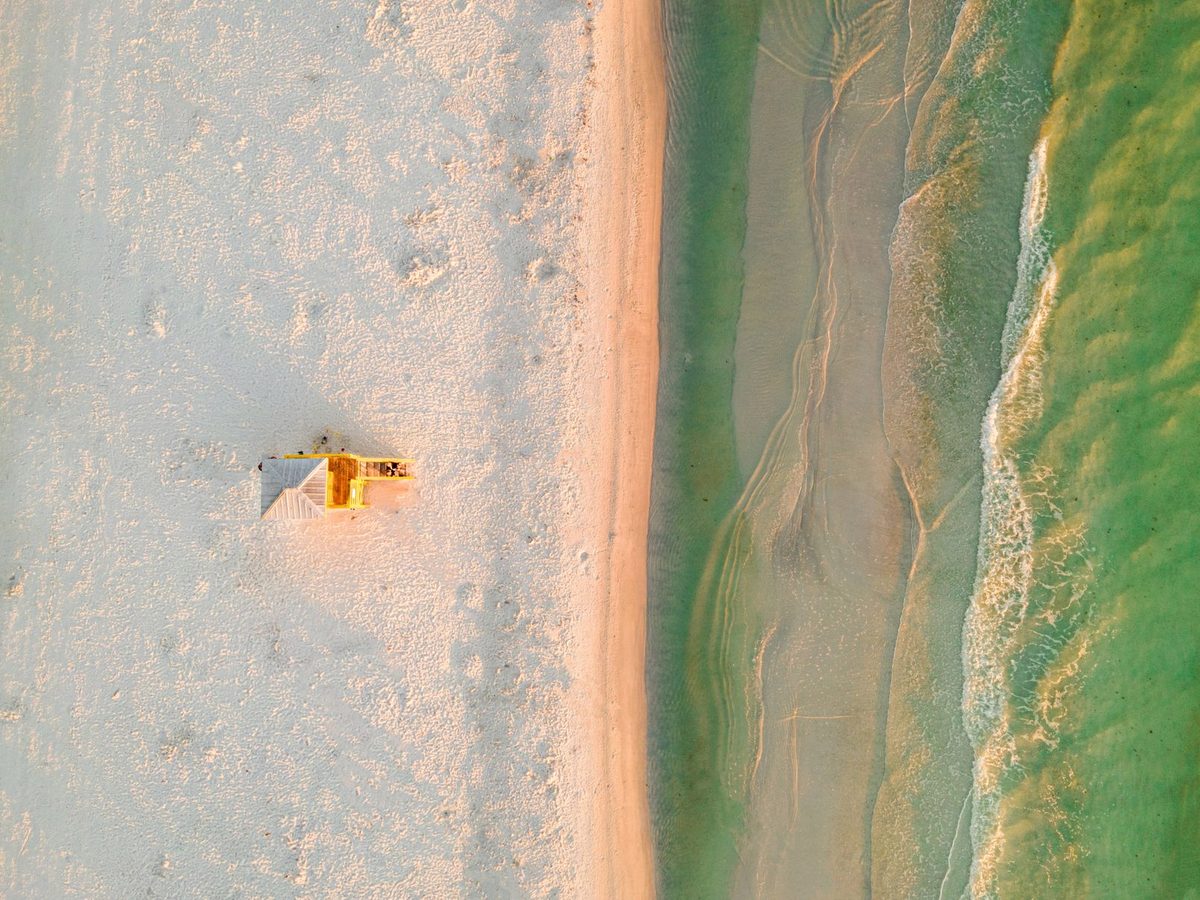
Orlando is inland, so a beach is a drive whichever way you go, and the two coasts are not alike. The Atlantic beaches are the closer ones. Cocoa Beach is about an hour east and pairs with Kennedy Space Center for a day, but the Atlantic has real surf and wave energy, so a small child needs holding in the water. The Gulf coast is further west, roughly an hour and three quarters to Clearwater and up to three hours to Anna Maria Island or Siesta Key, and the water there is calm, warm and shallow, with fine white sand. That calmer water is why many families finish the holiday with a few nights on the Gulf rather than driving over and back in a day.
Weather, driving and a real day
When to go and what hurricane season means, driving on the right, the daily shop and what a park day looks like.
Weather, and what hurricane season really means
The weather here changes a lot by season. The figures below are typical patterns rather than a forecast.
| Month | Daytime high | Overnight low | Rain | Wet days |
|---|---|---|---|---|
| January | 22° | 10.5° | 55 mm | 5 |
| February | 24° | 12.5° | 43 mm | 5 |
| March | 26.5° | 14.5° | 64 mm | 5 |
| April | 29° | 17.5° | 64 mm | 5 |
| May | 31.5° | 20.5° | 98 mm | 7 |
| June | 33° | 23° | 205 mm | 14 |
| July | 33.5° | 24° | 201 mm | 14 |
| August | 33.5° | 24.5° | 206 mm | 15 |
| September | 32° | 23.5° | 185 mm | 12 |
| October | 29.5° | 20° | 70 mm | 6 |
| November | 25.5° | 15.5° | 51 mm | 5 |
| December | 23° | 13° | 55 mm | 5 |
Typical monthly averages from weather-station records.
Hurricane season runs from June to November and peaks from August to October. Orlando sits inland, so direct hits are rare, but a big storm can shut the parks for a day or two, as Hurricane Milton did in October 2024. The booking-day insurance covered above is the main protection, alongside checking your airline and operator's storm flexibility policies and keeping a buffer day in the plan. The summer pattern is more predictable. A hot, humid day often brings a heavy afternoon thunderstorm, then a clear evening. With young children that lines up with nap time, so you can plan the afternoon around it.
The best windows for little ones, late February to April and late October to November, are exactly the ones school families can't use.
On the right, in a big automaticDriving and getting around
Plan on a car unless you're staying on Disney property for the whole trip. The driving itself is easy, wide roads and automatics everywhere, with three unfamiliar rules worth learning before you land: you may turn right on a red light after stopping unless signed otherwise, four-way stop junctions work strictly first-come-first-go, and traffic in both directions must stop for a school bus with its lights flashing.
Florida's car seat law requires children up to age three to be in a child seat and four-to-fives in a seat or booster, which is looser than the UK rules, so follow UK habits rather than the local minimum. Hiring seats means a daily charge per seat with no choice of model, while most airlines check your own car seat free, and a UK ISOFIX seat usually fits American LATCH anchors. Around Orlando the toll roads are cashless, so skip the hire company's pricey toll package and pick up a Visitor Toll Pass from the vending machine at Orlando airport (Terminal A, Level 1), which bills tolls at the proper rate with no service fees.
Formula, nappies and the first shopShopping for small people
A supermarket run is one of the first jobs at a villa, and Publix, Walmart and Target sit within a short drive of every villa community. Nappies, called diapers here, are cheap in bulk and Pampers and Huggies are everywhere, so pack a day or two's worth and buy the rest there. Baby food, wipes and swim nappies are all easy.
Formula is the exception. American shelves carry Similac and Enfamil rather than Aptamil or Cow and Gate, the recipes and even the preparation instructions differ, and switching brands mid-trip is a gamble with a baby's stomach. Bring enough of your own formula for the whole trip: airlines allow it in hand luggage above the usual liquid limits, and a checked bag takes a fortnight's tins without trouble.
What a real day looks likeA realistic park day with little ones
Everyone wakes at five or six on Florida time for the first few days, so have breakfast at the villa and be at a park for opening, when queues are shortest and it's coolest.
Two or three hours of rides and characters is a full morning for a toddler. The Baby Care Center is there for feeds, changing and a cool break.
Back to the villa pool or an air-conditioned break from roughly midday to four. In summer the afternoon thunderstorm usually falls in this window.
Either back into a park for the cooler evening hours and fireworks, or a supermarket dinner at the villa. Don't try to do both every day.
Two or three park days like this, spaced with villa and pool days, work better than five hard ones in a row.


The admin and the questions
The health and document checks, a booking checklist and the things families ask most.
Health, documents and the boring bits
Check GOV.UK's USA travel advice before booking and travelling. The entry checklist is the ESTA for everyone, passports valid for the length of the stay and comprehensive medical insurance. In the parks and on the beaches the everyday risks are heat and sun: summer UV here reaches extreme levels and small children burn in minutes, so high-factor cream, hats, UV swimwear and the midday break are the routine, with plenty of fluids in the humidity. The emergency number is 911, pharmacies inside Publix, Walgreens and CVS handle the small stuff, and urgent-care clinics see visitors quickly, with your insurance details to hand.
Before you payBooking checklist
- Apply for ESTAs for every traveller, including the baby, on the official site.
- Buy comprehensive travel insurance the day you book.
- Ask the villa company in writing for a pool fence or door alarms.
- Decide on car seats: bring your own free on the airline or book hire seats early.
- Plan around the calendar: spring and late autumn windows if you can.
- Pack the whole trip's formula and any medicines your child relies on.
- Book character meals about 60 days out if you want them.
- Sort the Visitor Toll Pass at the airport rather than the hire desk's toll package.
- Budget for tips and sales tax on top of menu prices.
- Keep the first two days home empty for the jet lag.
Common parent questions
Is Orlando worth it with young children?
For a lot of families, yes, as long as you go in knowing what you're paying for. A child of three or four takes the parks completely at face value, which is a large part of the appeal. They won't remember a day of it afterwards, so this is a holiday for the photos and for you as much as for them.
Do babies really need an ESTA?
Yes. A newborn needs one just as much as an adult, on their own passport, and it takes about ten minutes online. Apply only at the official site, esta.cbp.dhs.gov, because the lookalike sites that top the search results charge several times over for exactly the same authorisation.
Can we manage without a car?
Realistically only if you stay on Disney property and never leave it, using the resort transport for everything. The moment you choose a villa, a car stops being optional, because nothing around it is within walking distance, not even the supermarket.
What's the deal with formula in America?
Bring the whole trip's worth from home. The UK brands aren't sold in America and the US ones are made up to different instructions, so a mid-trip switch risks an unsettled tummy for no good reason. Airlines let you carry formula over the usual hand-luggage liquid limit, and the rest goes in the hold.
When should we go?
If you have the choice, spring or late autumn. The months that suit a toddler best fall in term time, and the school holidays land in the hottest, wettest part of the year when prices peak too. That's the case for going before school starts, while you still can.
What about hurricanes?
The thing that actually protects the trip is the travel insurance, bought on the day you book rather than nearer the flight, because a policy won't cover a storm that already has a name. Closed parks are the usual disruption rather than any danger, since Orlando is well inland, and a spare day in the plan absorbs it.
Which beach for toddlers?
There are two, on opposite coasts. The Gulf coast to the west is warmer and calm enough for a toddler to paddle in, so it tends to be where the holiday winds down. Cocoa Beach on the Atlantic is far closer for a day trip, but its water carries real surf, so treat it as a paddle by the shore rather than a swim.
Are the parks doable with a pushchair?
Comfortably, and you can rent one on the day if you'd rather not fly with yours. It waits in a marked parking area while you're on the ride rather than in the queue with you, and Universal lets you bring a stroller wagon where Disney won't.
See more Orlando photos
Open the photo gallery →Useful links
- GOV.UK USA travel advice: entry rules, ESTA guidance and safety updates before you travel.
- The official ESTA site: the only place to apply, at the real price.
- Walt Disney World: tickets, park hours and dining reservations.
- Visitor Toll Pass: the no-fee way to handle Orlando's cashless tolls in a hire car.
Last updated 19 June 2026. Prices and entry rules here move quickly, so treat figures as a guide and check the official sites as you book.