The Isle of Wight with little ones
The Isle of Wight is a short ferry from the south coast of England, small enough to drive across in under an hour, with flat-sand beaches and a cluster of family attractions close together. Sandown and Shanklin have some of the flattest, most gently shelving sand in the country, small children tend to love the crossing, and the south coast catches more sun than most of England.
On this page
A family verdict at a glance
The quick read before the detail: who the Isle of Wight suits, the season to aim for and what to nail down before you book.
Best for
An easy British seaside week with flat sandy beaches and a run of classic attractions, reached by a short ferry.
Maybe not for
Anyone wanting guaranteed heat, a beach with no tide to watch, or a trip with no ferry to book and budget for.
Best ages
Toddlers and preschoolers, who get the most from Blackgang Chine, the steam railway and the sand. Babies do well too, especially out of peak heat and crowds.
Best areas
Sandown and Shanklin for sand and facilities, a holiday park for a first trip, Ventnor or West Wight for a quieter week.
Why families pick it
Plenty of free days out, a manageable spread of beaches and attractions, and flat sand that's safe for early paddling.
Check before you book
The ferry price for your dates, the tide times for beach days, and a cot and high chair at your accommodation.
Getting there, and which ferry to take
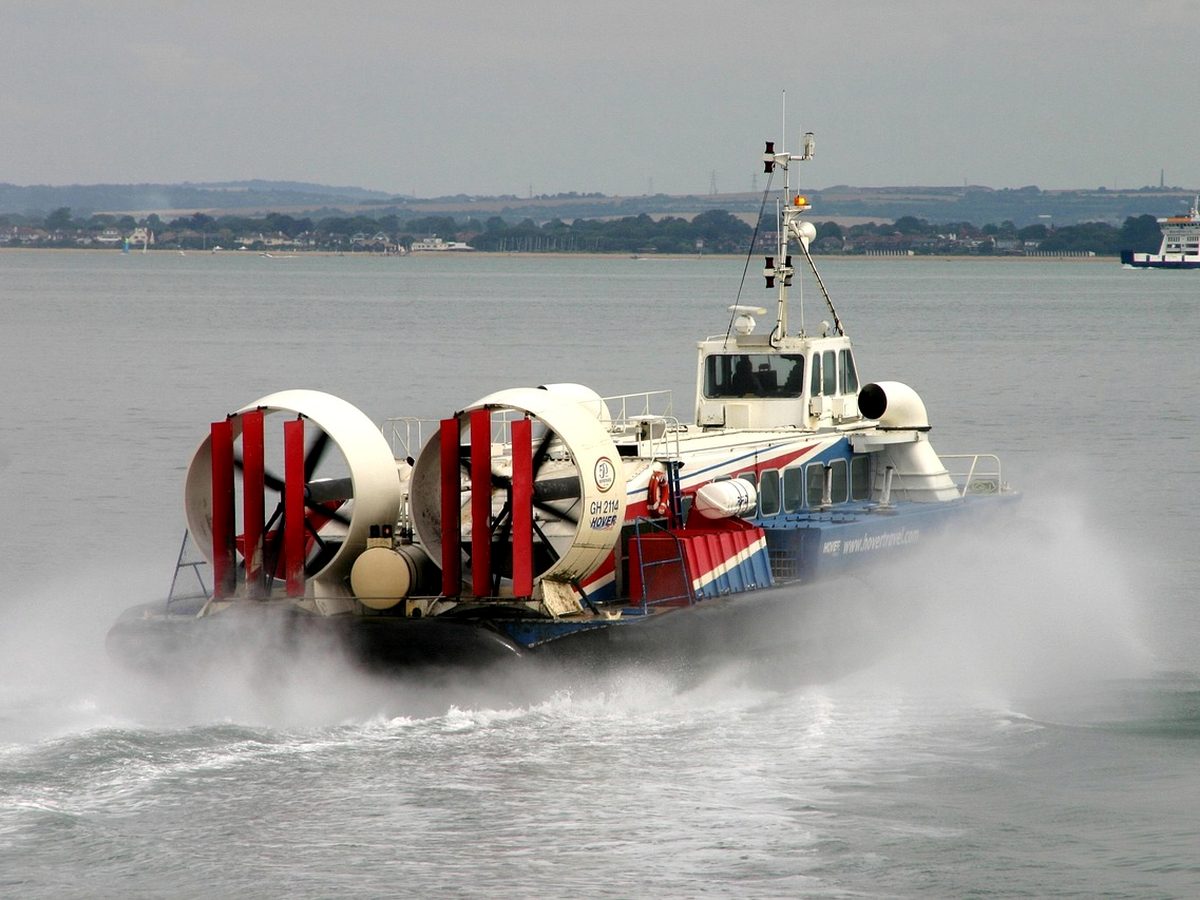
Three operators run the routes. Wightlink and Red Funnel both run car ferries, from Portsmouth to Fishbourne and Lymington to Yarmouth, and from Southampton to East Cowes, taking roughly 40 to 60 minutes. Both also run fast foot-passenger catamarans, and Hovertravel runs the ten-minute hovercraft from Southsea to Ryde, the world's only year-round scheduled passenger hovercraft service.
The ferry makes the biggest difference to the cost of the trip. Fares rise with demand like flight prices, peaking on school-holiday Fridays and bank holidays, so booking weeks ahead for summer is much cheaper. A car ferry is charged per vehicle rather than per person, so a full car costs the same as a couple, and under-fives travel free as foot passengers on all the routes. Many holiday parks bundle a discounted crossing with the accommodation, which is worth pricing against booking the two separately.
A quick gut checkIs the Isle of Wight right for your family?
Worth comparing if
You want a short British seaside break with flat sandy beaches, a settled base for a week of small outings, and a journey most of England can manage in a day.
Weigh it up if
You need reliable warmth, you'd rather not plan around tide times, or a peak-August ferry price would stretch the budget further than a cheap flight.
To sort out before booking
The ferry for your dates, a base near the beach you want, and a cot at the accommodation.
The numbers, the basics and the ages
Everything you'd want to skim first: the quick facts, the everyday practicalities and how the island changes as children grow.
Quick facts for UK families
The basics for an island trip
- The Isle of Wight sits off the south coast across the Solent, about 23 miles (37 km) wide, with a population of roughly 140,000.
- The widest cross-island drive, Ryde to Yarmouth, is about 35 to 45 minutes. You won't spend much of the day in the car.
- Newport in the centre has the big supermarkets; the south and far west are thinner for shopping.
- Most attractions and holiday parks run from around Easter to the end of October, then the island goes quiet.
The Isle of Wight by age and stage
Babies
A car ferry for the kit, a base near a flat beach, and a cot confirmed. Most attractions let under-ones in free, so the cost is low even if the day is short.
Toddlers
Flat sand to dig, a steam train and a hovercraft to ride, animals to meet and paddling pools that cost nothing, with little time spent in the car between them.
Preschoolers
The right age for Blackgang Chine's rides and walk-throughs, fossil hunting at the beach and the chairlift at the Needles, with the legs for the steep cliff paths.
Young children
The bigger rides at Robin Hill and Blackgang, the Red Squirrel Trail by bike and a proper go at the dinosaur coast all come into range.
Where to base yourselves
The areas side by side, an orientation map of the island and which beaches work with little ones.
Where to stay with young children
Sandown and Shanklin, the pair of resorts on the south-east coast, are the easiest base for a first family trip. They share a long sweep of flat golden sand, sit on the old tube-train line that now runs as the Island Line, and have the highest concentration of family accommodation, amusements and cafes on the island. Sandown is largely flat from the High Street to the beach, which suits a pushchair; Shanklin splits between the flat Esplanade and the steep, stepped Old Village above it, with a cliff lift bridging the two.
Ryde, in the north-east, is where the hovercraft and the fast catamaran land, with a 24-hour Tesco and a wide flat beach at low tide. It feels more like a working town than a resort, and it suits families arriving on foot who want the train and buses on the doorstep. Cowes and East Cowes on the north coast are the sailing end of the island, handy for Osborne House and the Southampton car ferry, but the beach is shingle rather than sand.
Ventnor and the south are the steepest, streets dropping to the sea, with a free seafront paddling pool, a milder microclimate under the downs and Blackgang Chine close by, though the hills and parking take some managing with a buggy. Freshwater and West Wight are the quiet, rural end, near Tapnell Farm and the Needles, with sheltered Colwell Bay the best beach for small children out this way. For many first-time island families a holiday park makes the most sense of all, with an indoor pool, playgrounds and entertainment behind the gate and a discounted ferry usually bundled in.
| Area | The beach | The feel | Good for |
|---|---|---|---|
| Sandown and Shanklin | Wide flat golden sand, very gentle slope | The classic bucket-and-spade pair, joined by a clifftop walk and the old tube-train line. Seafront amusements, the most family accommodation on the island. | A first family trip, with everything close |
| Ryde | A huge flat sandy beach at low tide | Where the hovercraft and fast catamaran land, with a 24-hour Tesco and the long Victorian pier. More town than resort. | Arriving without a car |
| Cowes and East Cowes | Shingle, no real sand | The island's sailing town, with Osborne House nearby and the Red Funnel car ferry from Southampton. The beach is shingle, not sand. | If you're more into boats than beaches |
| Ventnor and the south | A small beach and a free seafront paddling pool | Steep streets running down to the sea, a milder microclimate and Blackgang Chine a short drive west. Steep, and a fair way from the ferry. | Walking toddlers and a slower week |
| Freshwater and West Wight | Colwell Bay is sheltered and sandy; Freshwater Bay is shingly | The quietest, most rural end, near Tapnell Farm and The Needles. Fewer facilities, more space. | Camping, glamping and arriving via Lymington |
| Holiday parks | Varies by park; several have a beach path | Indoor pools, playgrounds and on-site entertainment, usually with a discounted ferry deal if you book the crossing together. | A first island trip with little ones |
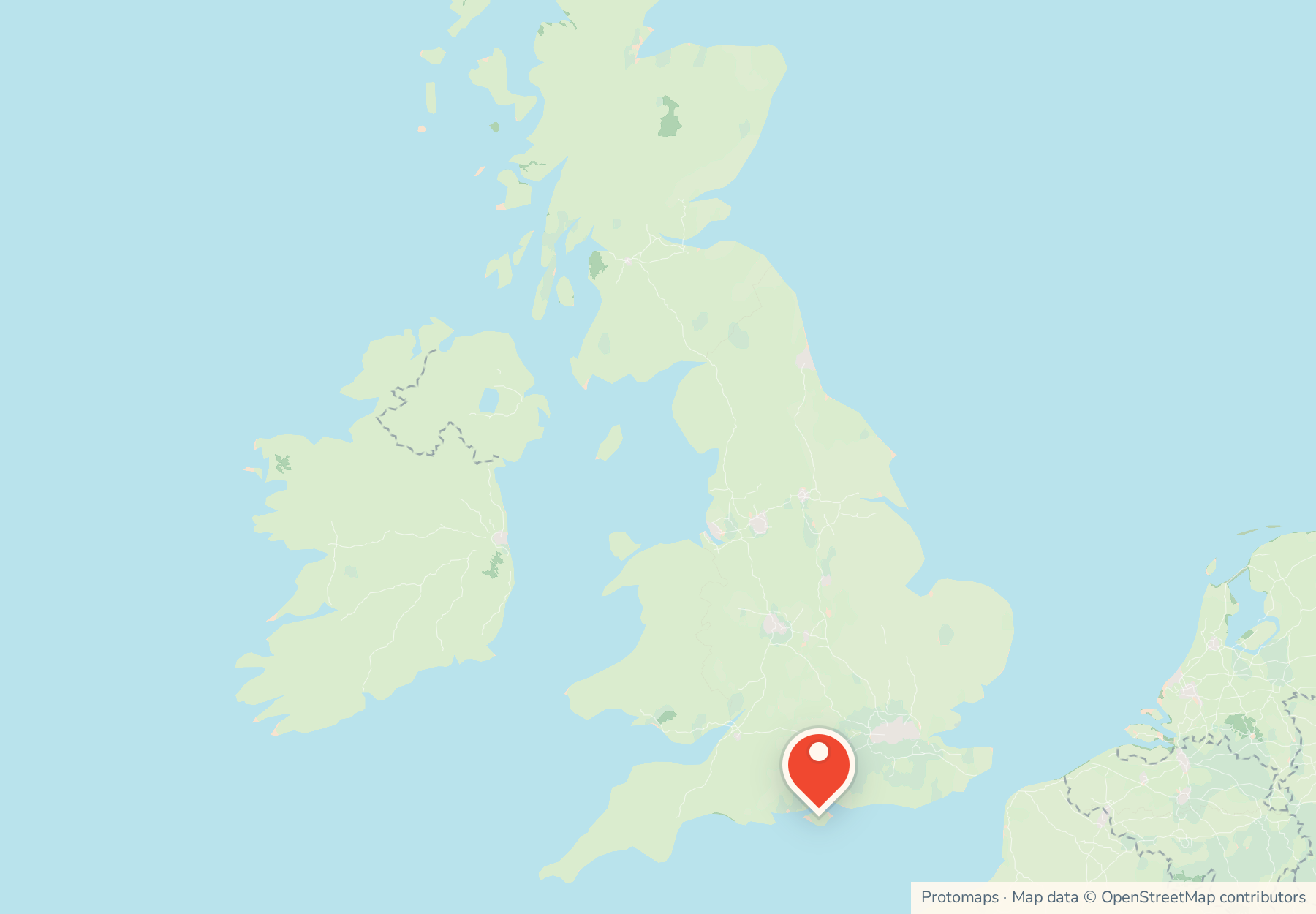
Map of the main family areas
An orientation map of the areas above, the ferry landings and the bigger days out. The numbers match the key beneath.
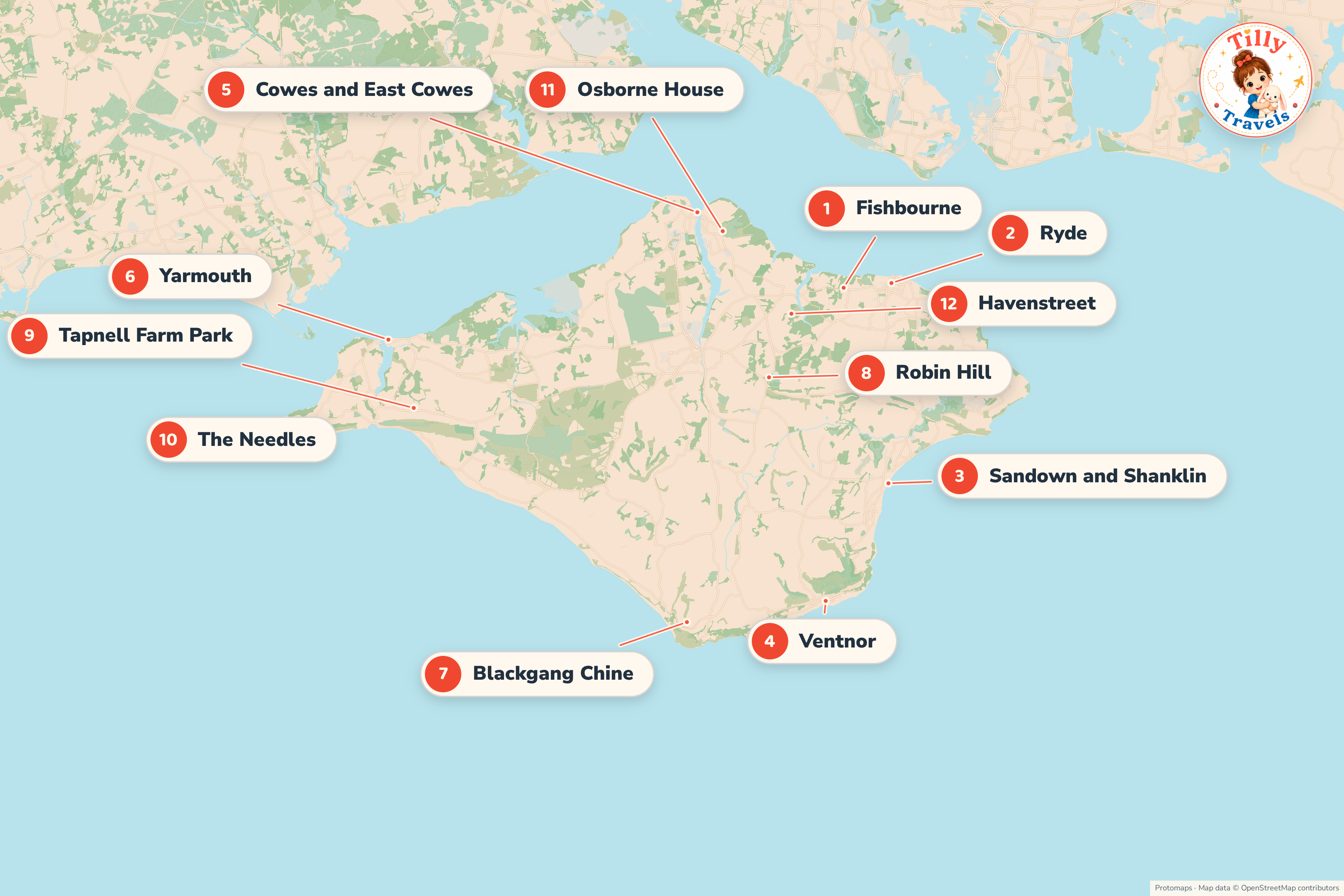
- 1Fishbourne Portsmouth car ferry landing
- 2Ryde Hovercraft and fast-cat landing
- 3Sandown and Shanklin The main family beaches
- 4Ventnor Mild microclimate, paddling pool
- 5Cowes and East Cowes Sailing town, Southampton ferry
- 6Yarmouth Lymington ferry, West Wight
- 7Blackgang Chine Britain's oldest theme park
- 8Robin Hill Country adventure park
- 9Tapnell Farm Park Best for the very youngest
- 10The Needles Chairlift and coloured sands
- 11Osborne House Queen Victoria's home
- 12Havenstreet The steam railway
Beaches that work with little ones
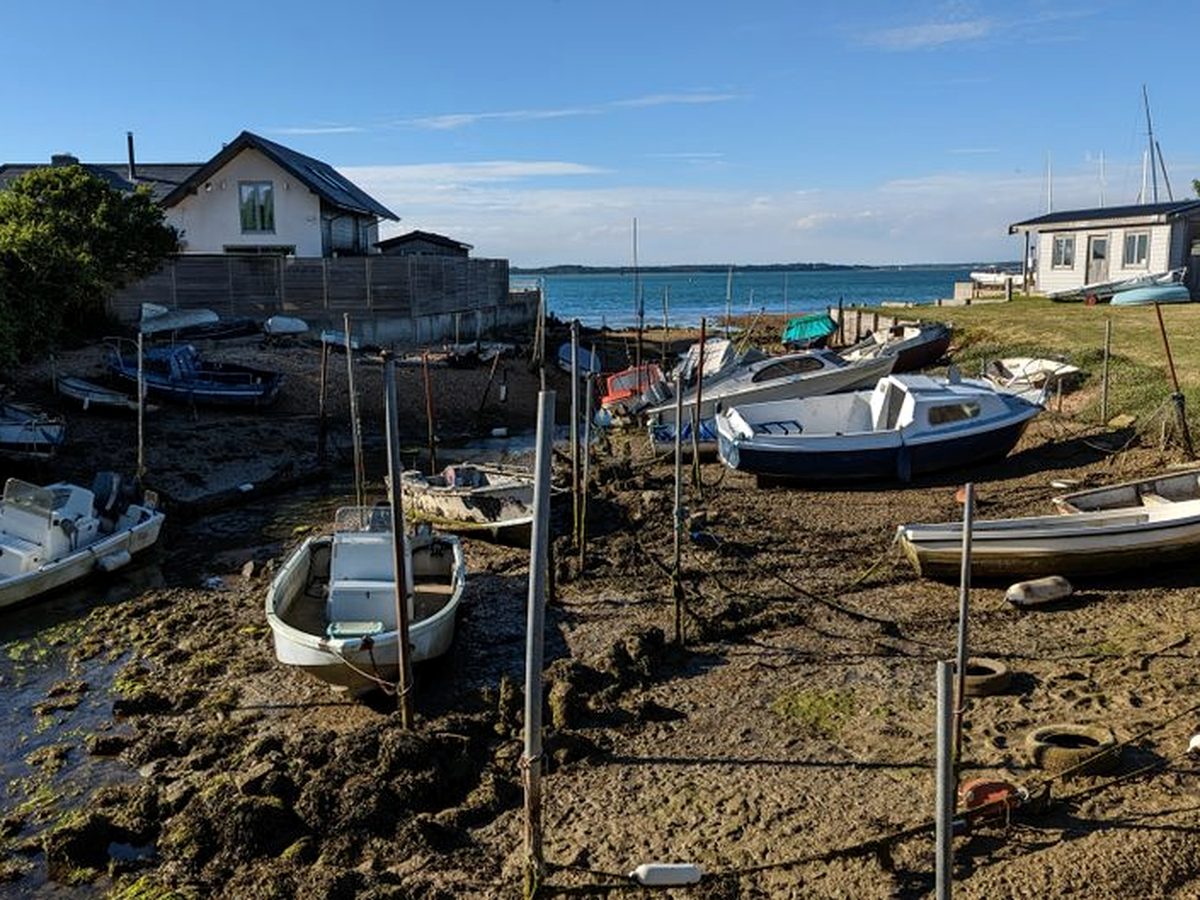
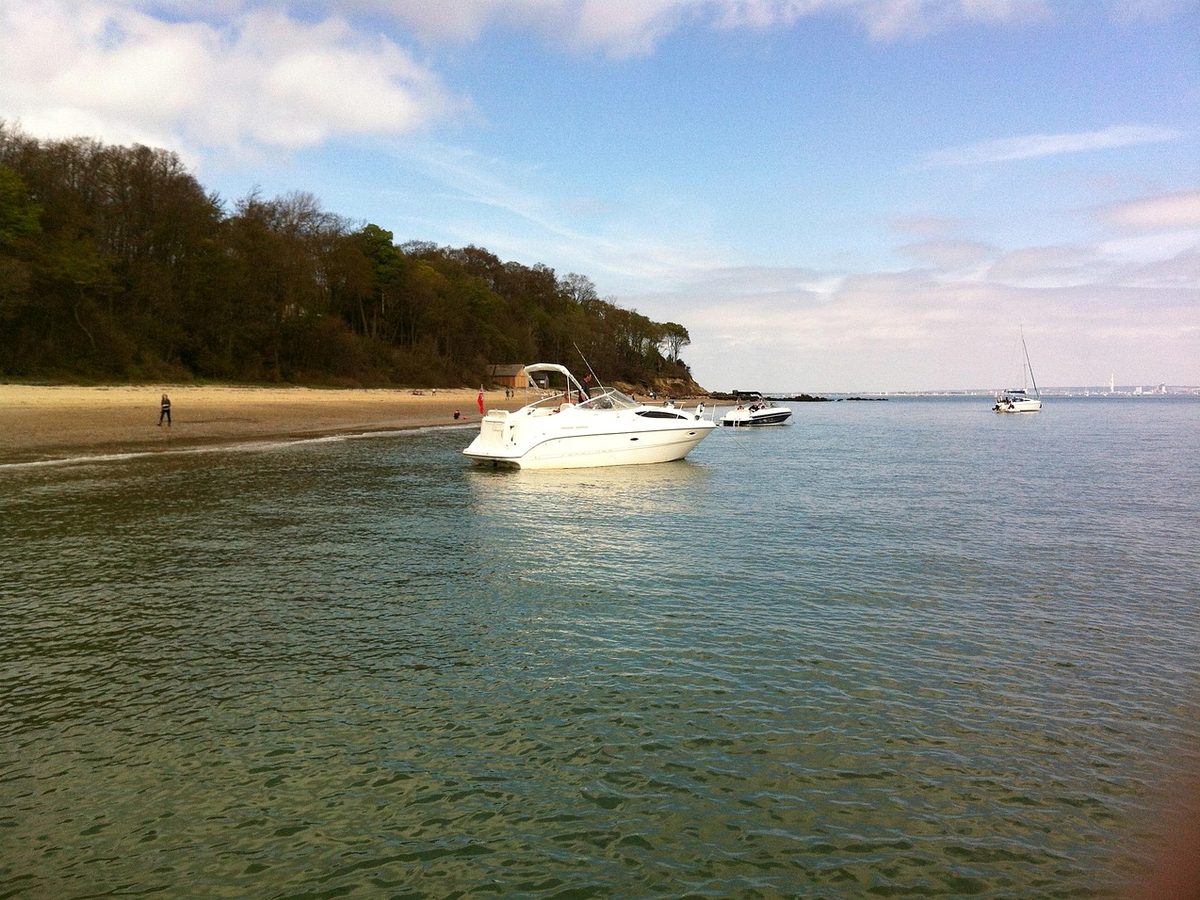
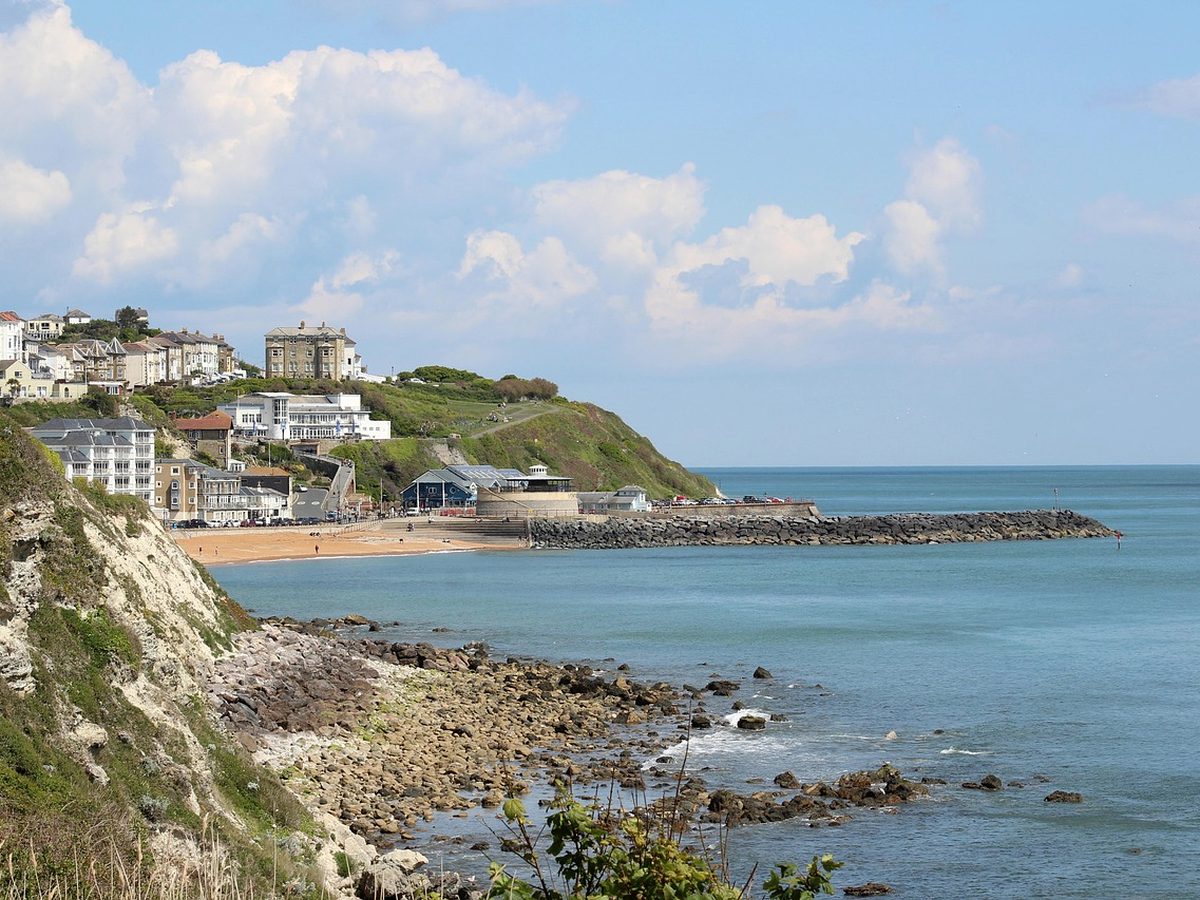
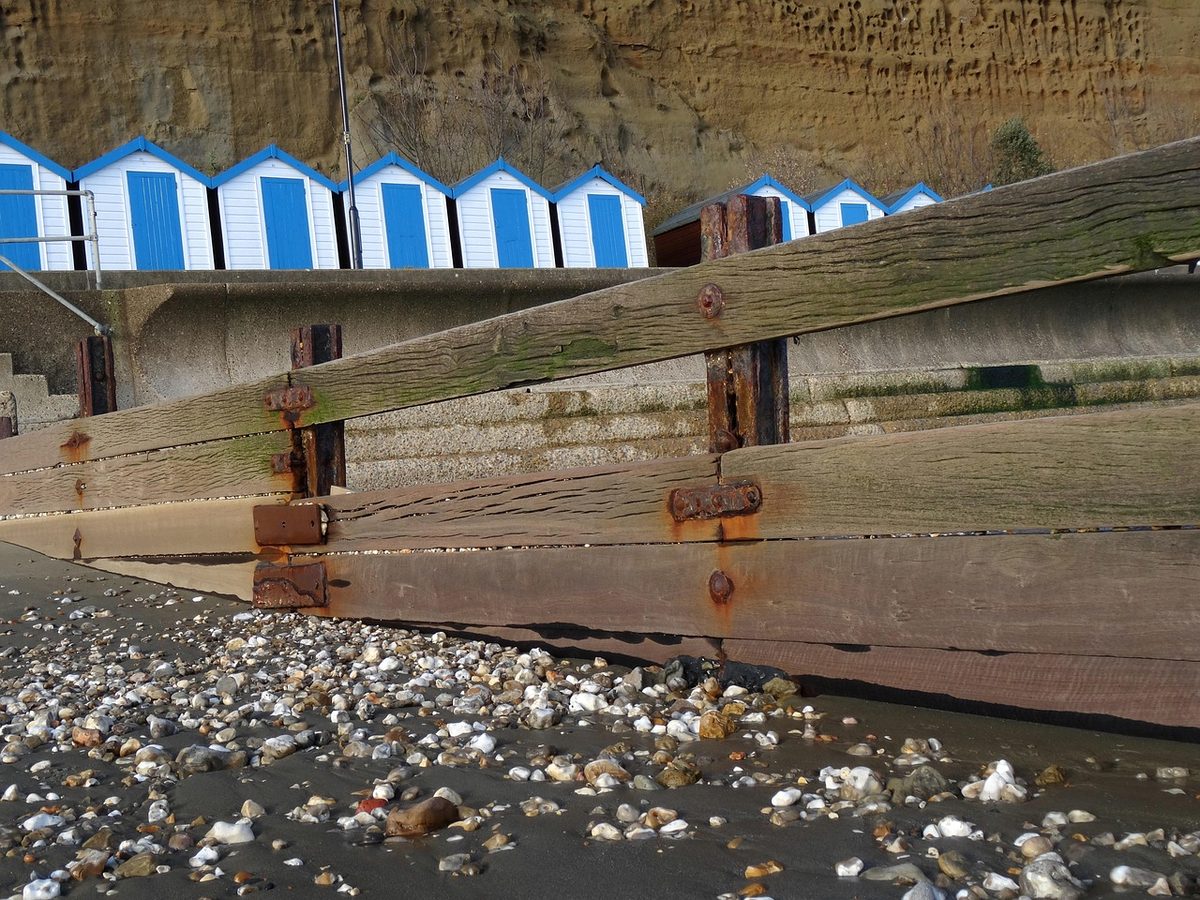
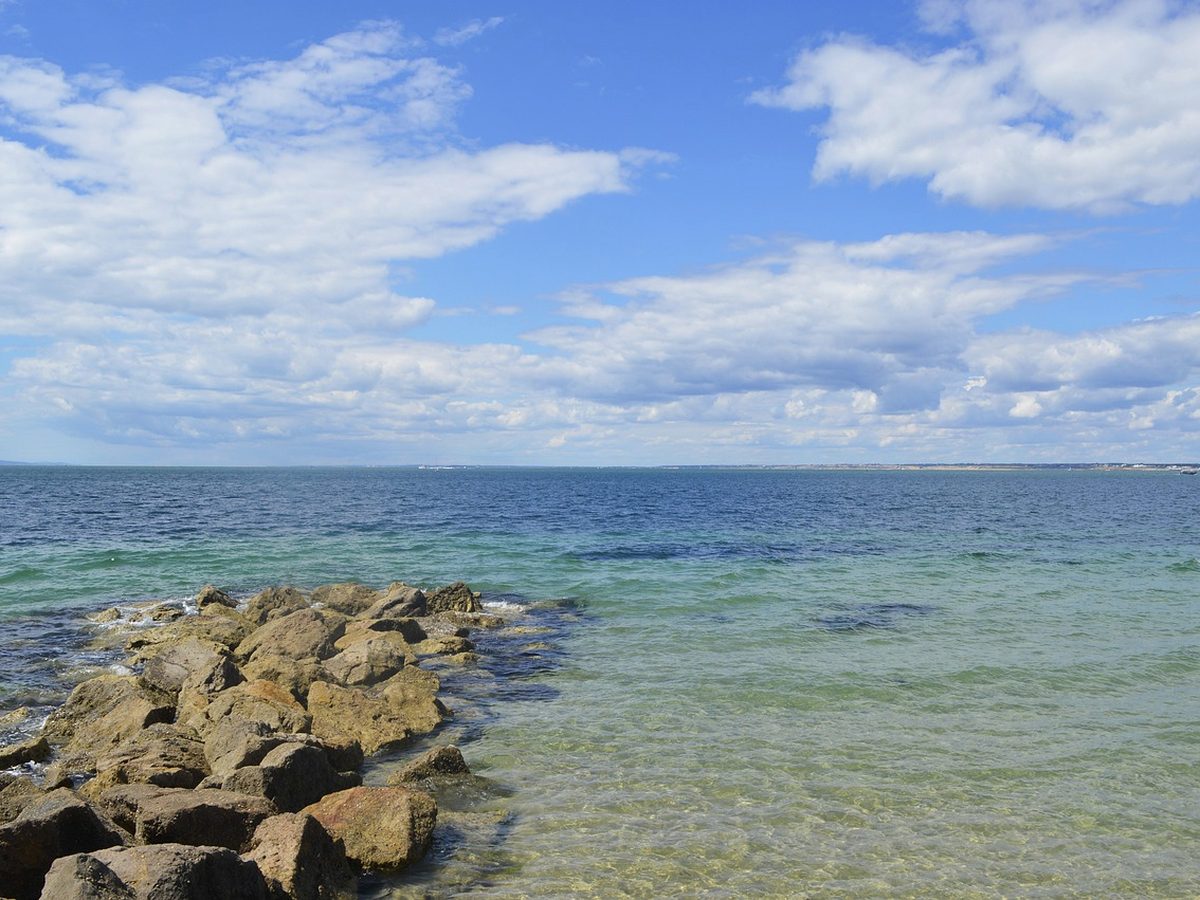
The toddler beaches are on the east coast. Sandown has wide flat golden sand that shelves so gradually you can wade a long way out before it reaches an adult's waist, with the town and its facilities right behind it. Shanklin next door is the same sand, fractionally quieter. Appley at Ryde has a playground just off the beach, and Ryde's main sands stretch for hundreds of metres at low tide. Colwell Bay is the sheltered, sandy choice on the west side, and Yaverland just north of Sandown adds rock pools and fossils to a calm beach.
Compton Bay on the south-west coast is the exception. It has red cliffs and the best surf on the island, but no lifeguards and a real tidal cut-off risk under the cliffs, so it suits a fossil-hunting walk rather than a paddle with little ones. The tide has a large range and an unusual double pattern, so a beach can shrink a lot at high water; check the day's times before you set off. RNLI lifeguards patrol the main beaches, most reliably Sandown and Shanklin, through the summer, though cover at the smaller beaches varies year to year, so keep your own watch on anyone in the water.
Weather, wet days and days out
When to go, the rainy-day plan, the days out that suit small children, eating out and where to stock up.
Weather, May to October
The figures below are long-term Met Office averages for Shanklin rather than a forecast. The island is one of the sunniest places in England, recording close to 2,000 hours of sunshine a year, comfortably ahead of London and most of the south coast. That tilts the odds towards a few good beach days in a week, but it is still England, so expect a wet day or two.
| Month | Daytime high | Overnight low | Rain | Wet days | Sea temp |
|---|---|---|---|---|---|
| January | 8.5° | 4° | 105 mm | 13 | 9° |
| February | 8.5° | 3.5° | 74 mm | 11 | 8° |
| March | 10.5° | 4.5° | 60 mm | 10 | 8° |
| April | 13° | 6° | 54 mm | 9 | 10° |
| May | 16° | 9° | 52 mm | 8 | 13° |
| June | 18.5° | 11.5° | 54 mm | 8 | 16° |
| July | 20.5° | 13.5° | 52 mm | 8 | 18° |
| August | 20.5° | 14° | 67 mm | 8 | 19° |
| September | 18.5° | 12° | 72 mm | 9 | 18° |
| October | 15° | 9.5° | 113 mm | 13 | 16° |
| November | 11.5° | 6.5° | 118 mm | 14 | 13° |
| December | 9.5° | 4.5° | 119 mm | 14 | 10° |
Typical monthly averages from weather-station records. Sea temperature is the open-water figure, so a sheltered bay can feel a degree or two warmer.
With little ones the easiest weeks are usually late May, early June or September, mild enough for the beach and well short of peak prices and crowds. The sea never gets warm by Mediterranean standards, topping out around 19 degrees in August, so a wetsuit or thermal swim vest helps children who want to stay in for longer than a quick dip.
The rainy-day planWhen it rains
Sunny as the island is, a week usually includes a wet day, and the indoor attractions fill up fast when it comes. The best of them for the youngest is Tapnell Farm Park in the west, where most of the play is undercover and there's a dedicated area for nought to fours, with soft play, animals and indoor barns.
For soft play there are venues in Sandown, Newport and at several family pubs that let you finish a meal while children play. The animal attractions work in poor weather too, with a lot under cover: Wildheart Animal Sanctuary near Sandown for big cats and primates, Monkey Haven near Newport, and Amazon World with its included soft play. Dinosaur Isle at Sandown is a proper wet-day hour for any child who likes big models, and there are public pools with fun sessions at Newport, Sandown, Ryde and Freshwater. Both cinemas run cheap junior film mornings in the holidays.
Filling the daysThings to do with little ones
Blackgang Chine, above the south coast near Chale, opened in 1843 and is the oldest theme park in Britain. Don't expect a modern theme park. The theming is eccentric and low-key, with dinosaur tableaux, a crooked house, a maze and immersive walk-throughs, and the rides are tame. Children under a metre tall go in free and the ticket lasts seven days, so a week's stay can take in two visits. It suits three to eight-year-olds best, the paths are steep enough that a carrier beats a buggy for the youngest, and a couple of the darker walk-throughs can frighten sensitive toddlers, so it is worth knowing which to skip.
Robin Hill near Newport is a gentler country park with a woodland playground, a little train, water-play and falconry across 88 acres, and the same under-a-metre-free and seven-day-ticket arrangement. Tapnell Farm Park in the west is the most deliberately toddler-focused of all, with jumping pillows, small animals and indoor barns for a wet day. The Isle of Wight Steam Railway from Havenstreet suits children from about eighteen months up, with plenty to take in from the noise and the steam, and lets up to three children travel free with each adult.
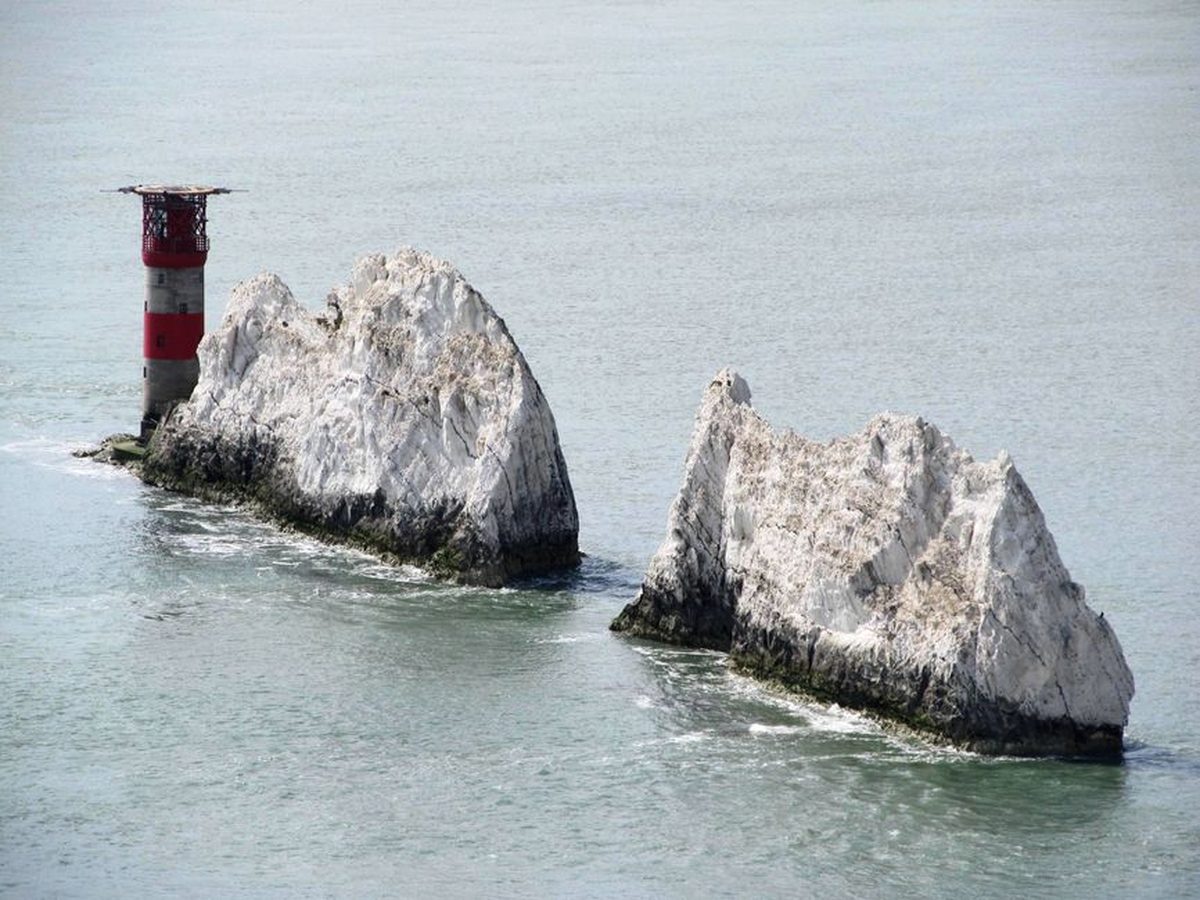
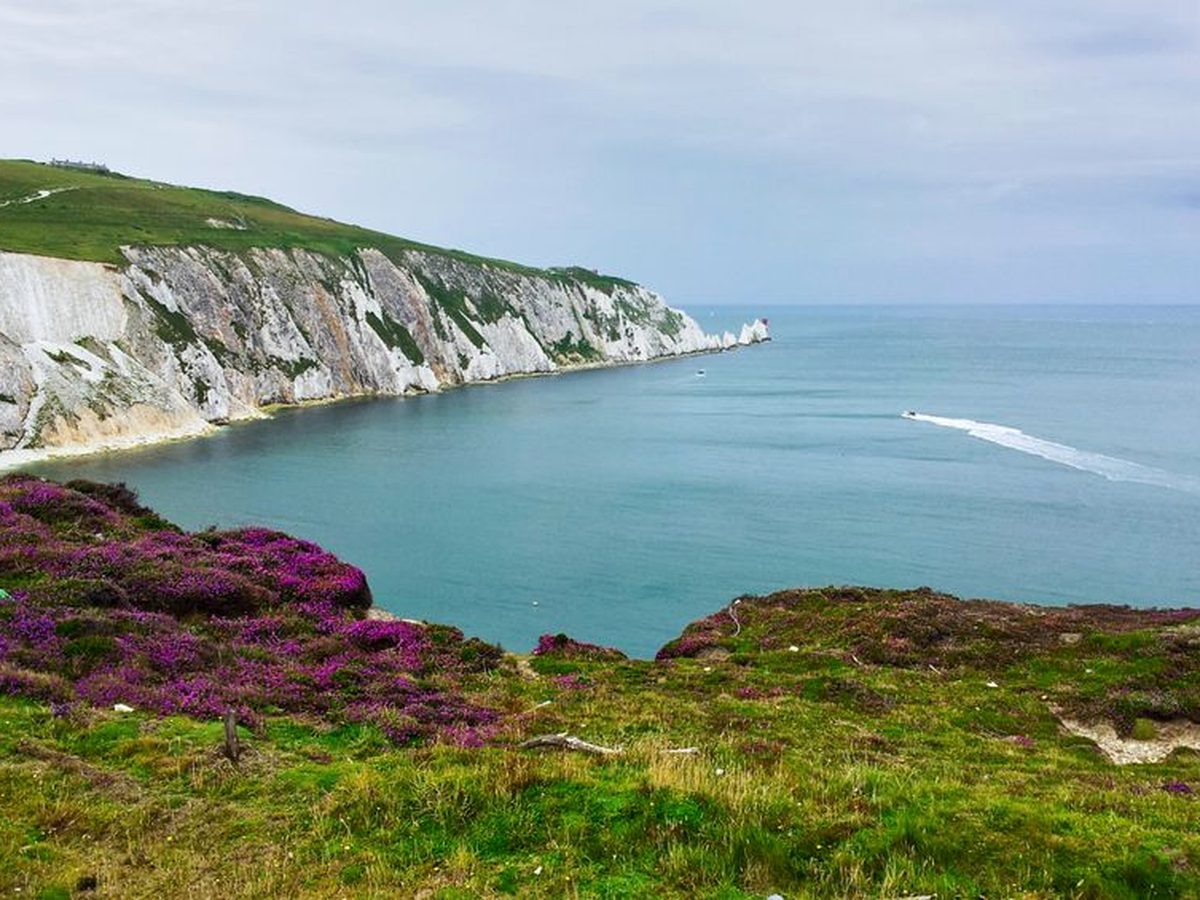
Out west, the Needles at Alum Bay pairs a chairlift down to the beach with the coloured-sand cliffs, run as a seaside fair rather than a heritage site; the chairlift has only a lap bar, so it doesn't suit a child who can't sit still, and the walk to the National Trust viewpoint nearby is free and looks out over the same stretch. Carisbrooke Castle has donkeys working a Tudor well wheel, Osborne House has Queen Victoria's child-sized Swiss Cottage and grounds to run in, and the Isle of Wight Donkey Sanctuary near Ventnor is free, with no booking and open daily, an easy two or three hours among over a hundred rescued donkeys.
Eating out with children
Eating out is mostly family pubs with gardens, seafront cafes and fish and chips. Several pubs are pitched squarely at families, with outdoor play or indoor soft play that lets you finish a meal, among them the Caulkheads near Sandown, the Fighting Cocks in the Arreton Valley with its big jumping pillow, and the Wight Mouse Inn near Blackgang, a handy lunch stop on a Blackgang day.
High chairs are common but not guaranteed at smaller places, so a fold-up seat that clamps onto the edge of a table is worth packing. Local fish and seafood is easy to find, ice cream lines the Sandown and Shanklin fronts, and garlic is an island speciality if you fancy the Garlic Farm near Newchurch for the novelty. With a kitchen and the car to bring the shopping over, cooking most evenings comes easily and saves a fair bit over a week.
Nappies, milk and the big shopSupplies and pharmacies
The big supermarkets sit in the main towns. Newport in the centre is the place for a big shop, with Asda, Sainsbury's, Morrisons, Lidl and more, and Ryde has a 24-hour Tesco. Sandown, Shanklin and Freshwater are well enough covered for daily basics, while Ventnor, the south and the far west run to smaller shops only, so a rural base is worth stocking up for on the way in.
Nappies, wipes, formula and baby food are all easy to find in the supermarkets and at the Boots pharmacies in Newport and Ryde. If you're taking the car, bring a week of nappies and any sun cream from the mainland to save money and guarantee your brand, and buy the fresh food once you're there.
Getting around, a real week and the admin
The ferry and getting around, what a week actually looks like, the health and admin and a list to pack against.
Getting there and around
Portsmouth and Southampton both have direct trains from London in around 75 to 90 minutes and sit close to their ferry terminals, and Lymington is reached by a branch line through the New Forest. By road, London to either Portsmouth or Southampton is about an hour and a half with a fair run. Which crossing you pick follows where you're staying: Portsmouth to Fishbourne for the east coast, Southampton to Cowes for the north, Lymington to Yarmouth for the quiet west.
On the island a car makes the youngest years easier, with short drives between everything and parking at the attractions, though the roads narrow in the south and west. Without a car, the Island Line train runs from Ryde Pier Head down to Shanklin through Sandown, the buses are low-floor and reach most attractions in season, and the open-top routes are a bonus in summer. Pushchairs usually fold into the bus luggage bay, and taxis can't promise a child seat without booking ahead.
Underfoot, the seafront esplanades at Sandown, Ryde and Ventnor are flat and easy with a pushchair, and the Red Squirrel Trail along an old railway is flat and surfaced for buggies and bikes alike. The steep paths down to the beach at Shanklin, the cliff paths at Blackgang and the hills above Ventnor are carrier territory, and the Shanklin cliff lift saves the 45-metre climb from the Esplanade.
What a real week looks likeA realistic week with little ones
Cross on an afternoon sailing, settle in, and take the first beach hour at Sandown or Ryde. Fish and chips on the seafront.
Sand while the tide is out, lunch and a nap through the middle of the day, then the playground or the Ventnor paddling pool late on.
One paid attraction a day is plenty at this age. Blackgang Chine or Robin Hill in the morning, then nothing more demanding than an ice cream.
The Donkey Sanctuary, the steam railway, a fossil hunt at Yaverland and the paddling pools fill whole days for little more than the parking.
A slow morning and a final paddle, with the homeward sailing booked for after the lunchtime checkout rush rather than first thing.
Leaving a free afternoon or two in the week, for the paddling pool and the playground, keeps the week from feeling packed.
The practical adminHealth and admin
For minor illness, a pharmacy, or NHS 111 and the urgent treatment centre at St Mary's in Newport, open 8am to midnight daily, comes before A&E. St Mary's is the island's only hospital and only A&E, with a maternity unit and children's services. It handles the great majority of what families need, and serious cases that require major trauma or specialist children's surgery are transferred to the mainland by air ambulance or ferry.
Day to day, the real risks are the ordinary seaside ones. The tide can cut off beaches under cliffs, so check times and set off on a falling tide for any walk beneath them, and the soft south-coast cliffs shed rockfalls, so stay off their base. The sea is cold enough to chill a baby quickly even in August, so a wetsuit and short dips are the safe approach. The sun is strong in summer, so the usual hats, high-factor cream and midday shade apply.
Before you payBooking checklist
- Price the ferry for your exact dates early, and decide whether the car comes too.
- Check whether a holiday park's bundled ferry beats booking the crossing separately.
- Pick a base for the beach you want: flat sand on the east coast, quieter shores in the west.
- Note the tide times for your beach days before you go.
- Confirm a cot and, if you need it, a high chair at the accommodation.
- Pack a wetsuit or swim vest if anyone wants more than a quick paddle.
- If you're taking the car, load up on nappies and sun cream on the mainland.
- Aim for May, June or September to dodge the peak crowds and prices.
- Avoid the festival weekend in June and book early around Cowes Week in August.
- Bring enough of any medicine your child relies on for the whole trip.
Resort guides in Isle of Wight
We've researched these places to stay in Isle of Wight for families with young children. Each guide covers what it's like, who it suits and what to check before you book.
Questions, links and the last word
The things families ask most, the official pages worth a bookmark and when this guide was last refreshed.
Common parent questions
Which ferry should we get?
Match it to your nearest port. From Portsmouth, Wightlink runs to Fishbourne with a car or the catamaran to Ryde on foot. From Southampton, Red Funnel goes to East Cowes with a car or the Red Jet to West Cowes on foot. From Lymington, Wightlink crosses to Yarmouth for the west. The Southsea to Ryde hovercraft is the quickest of the lot but takes foot passengers only. Each operator has a fare finder, so it pays to price the same dates on more than one.
Do we need to take the car across?
You can do without one from a base in Ryde, Sandown or Shanklin, where the Island Line train and the buses reach the seafront, the resorts and most of the bigger attractions in season. The car is worth its ferry fare once you want West Wight, the Needles or a holiday park out of town, or you're carrying a cot and a week of nappies. Hiring on the island for a day or two is the middle path if you'd rather not bring your own.
Which beach is best for a toddler?
Sandown and Shanklin, for the flat sand and the shallow water that lets little ones wade out a long way before it deepens, with lifeguards through the summer. Colwell Bay is the sheltered alternative in the west. Steer clear of Compton Bay with paddlers, since its red cliffs come with real surf, no lifeguards and a tide that can cut the beach off.
When is the best time to go with little ones?
Aim for the shoulder weeks. May half-term and early June bring the longest sunshine hours of the year at lower prices, and September keeps the warmest sea once the schools go back. The two dates to plan around are the Isle of Wight Festival in mid-June, busy and best avoided, and Cowes Week in early August, when sailing crowds push ferry and room prices up.
Is there enough to do if it rains?
Plenty. Beyond Tapnell Farm Park, the wet-day list runs to soft play in Sandown and Newport, Wildheart Animal Sanctuary and Monkey Haven for under-cover animals, Dinosaur Isle for the model-loving age, public pools with fun sessions, and cheap junior film mornings at both cinemas. Book the popular indoor places ahead on a wet morning, when everyone has the same idea.
Is it expensive?
It hinges almost entirely on the crossing. Booked weeks ahead it sits alongside a budget overseas package, and left until a peak-August weekend it can outstrip what you pay to stay. Set against that, the island is unusually generous on free days out, from the Donkey Sanctuary and the paddling pools to fossil hunting on the beach, so the in-resort spend can stay low.
Is the hovercraft alright with a baby?
It's a ten-minute crossing from Southsea to Ryde with under-fives free, and small children tend to enjoy the noise and the spray. It takes pushchairs but lands on the beach rather than a pier, so you walk up a ramp at the Ryde end; keep little ones in the pram or by the hand there. The car ferries are the calmer choice if your child finds noise hard.
What happens if someone is ill or hurt?
For the everyday things, start with a pharmacy, or call NHS 111 first, which can direct you to the urgent treatment centre at St Mary's in Newport, open 8am to midnight daily and open to visitors, rather than heading straight for A&E. St Mary's is the one hospital and the one A&E on the island, so it's where anything more serious goes, with the rare major-trauma or specialist children's case moved to the mainland. Pack a full trip's worth of any regular medicine so a gap doesn't mean a crossing back.
See more Isle Of Wight photos
Open the photo gallery →Useful links
- Wightlink: Portsmouth and Lymington car and foot ferries, with a best-fare finder for your dates.
- Red Funnel: the Southampton car ferry and the Red Jet to Cowes.
- Hovertravel: the Southsea to Ryde hovercraft, fares and timetables.
- RNLI lifeguarded beaches: which Isle of Wight beaches are patrolled, and when.
- Visit Isle of Wight: attraction opening dates and what's on while you're there.
Last updated 16 June 2026.