Scotland with little ones
Scotland is the size of a small country, so with young children you pick one region and explore it rather than chase the whole map. Edinburgh and Aviemore are the two to start with: a city that's easy with small children in the rain, and the Highland town with the most toddler activities close together. You come for the scenery, the wildlife and the long summer evenings, and one region holds more than enough for a week.
On this page
A family verdict at a glance
The quick read before the detail: who Scotland suits, the season to aim for and what to nail down before you book.
Best for
Big scenery and wildlife with a brilliant rainy-day city, reached without a flight, if you base in one region rather than touring.
Maybe not for
Anyone wanting warmth, a touring road trip with a small child in the back, or to dodge the midges and the long drives entirely.
Best ages
Toddlers and preschoolers in Edinburgh and Aviemore. The islands and the far north are better once children are older.
Best regions
Edinburgh for the city and the rain, Aviemore for the easiest Highland base, Loch Lomond for a quick taste from either city.
Why families pick it
No flight, free big-city museums, reindeer and ospreys, long light evenings, and white-sand beaches and mountains within a short drive.
Check before you book
A midge plan for the west in summer, a cot at the base, warm waterproof layers whatever the month, and indoor options for the wet days.
Pick a region, not the country
Scotland's mainland runs more than 400 miles (645 km) north to south, with a national park bigger than Luxembourg and hundreds of islands, so a single holiday covers one or two regions, not the lot. Treat it like France: pick an area, base in it, and explore outward, rather than driving the length of the country with a toddler in the back.
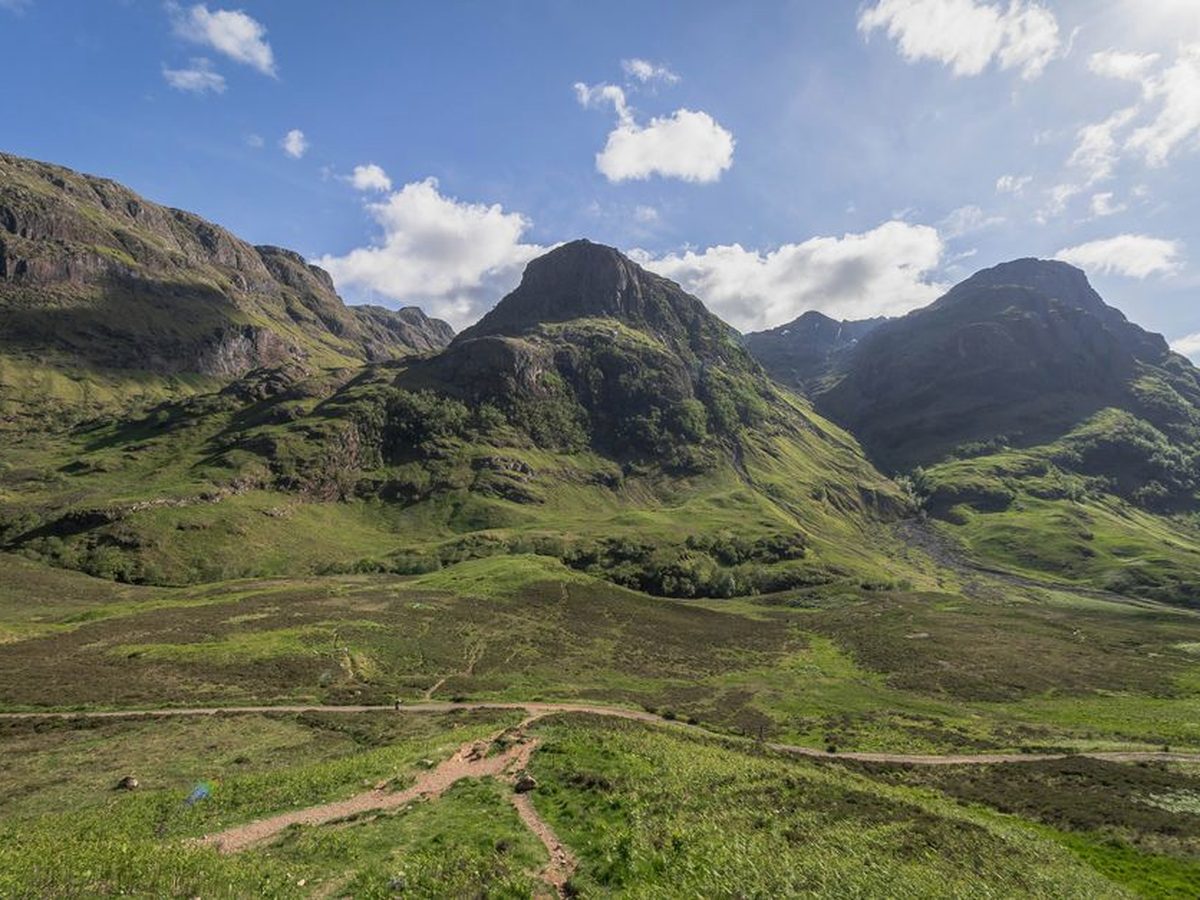
With young children, two regions stand out. Edinburgh handles a rainy day well, with free museums, the castle and the zoo, and trains and the sleeper running into the centre so you can manage without a car. Aviemore, in the Cairngorms, is the Highland family capital, with the reindeer, the wildlife park and Landmark Forest close together on the drier eastern side. Loch Lomond is the quick taste of the Highlands from either city. The islands, the west coast and the NC500 are better once children are older or on a repeat trip, with their long drives, single-track roads and summer midges.
A quick gut checkIs Scotland right for your family?
Worth comparing if
You want big scenery, wildlife and a great city without a flight, and you're happy to plan around the weather.
Weigh it up if
You need warmth or a beach holiday, you want to tour the whole country, or the midges and the long drives put you off.
To sort out before booking
A midge repellent for the west in summer, a cot, warm layers, a tick tool for country walks and any medicine.
The numbers, the basics and the ages
Everything you'd want to skim first: the quick facts, the everyday practicalities and how Scotland changes as children grow.
Quick facts for UK families
The basics for a Scotland trip
- The west is wetter and midgier; the east and the Cairngorms are drier, so book the drier east for a first trip.
- Summer evenings stay light very late in the north, which is good for long days out but hard on early bedtimes.
- The cities and towns have full supermarkets; the Highlands and islands thin out, so stock up before remote stretches.
- A car is needed everywhere except Edinburgh and Glasgow, and Highland roads are often single-track.
- Most Highland and island ground needs a carrier, not a buggy; the cities and lochside paths take a pram.
Scotland by age and stage
Babies
An Edinburgh base for the free museums and easy logistics, a carrier for the rough Highland ground, and warm layers for cool changeable days.
Toddlers
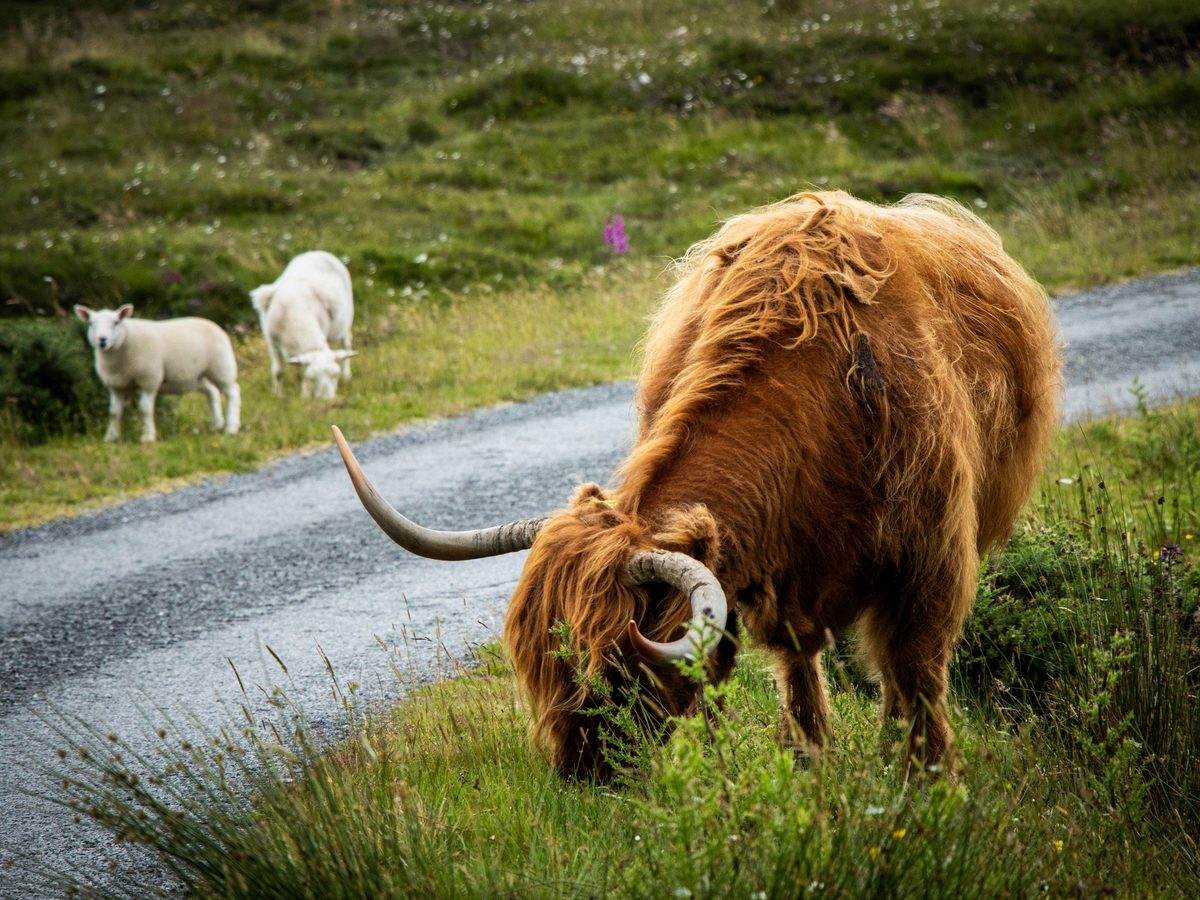
Reindeer, ospreys and Highland cows, free city museums with playgrounds, loch cruises and a paddle at Loch Morlich.
Preschoolers
The right age for Edinburgh Zoo and Castle, Landmark Forest, Blair Drummond Safari and a first steam-train and ferry ride.
Young children
The islands, the mountain railway up Cairngorm and longer hill walks, Skye and the first proper touring trips all come into range, as does the Jacobite steam train over the Glenfinnan Viaduct on the west coast.
Where to base yourselves
The family regions side by side, an orientation map and the beaches and water with little ones.
Where to stay with young children
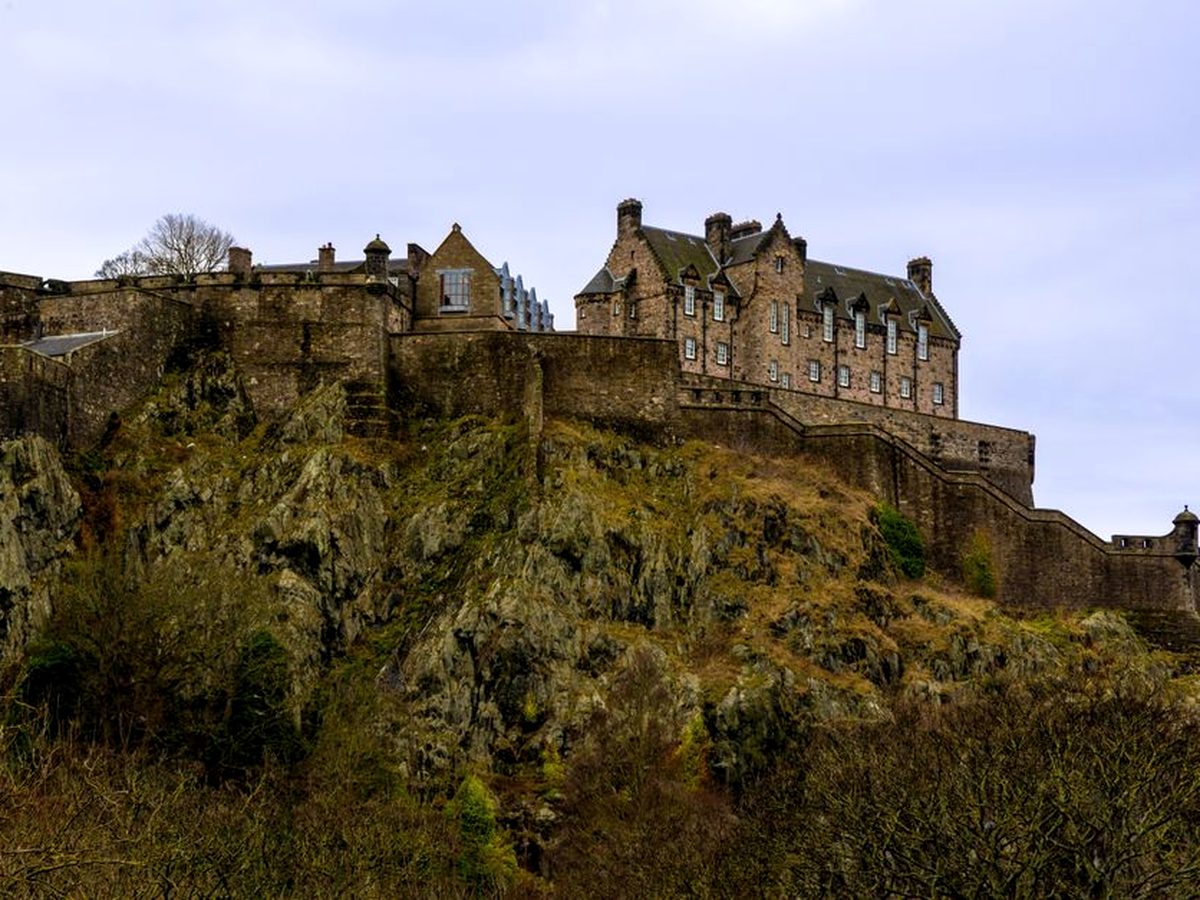
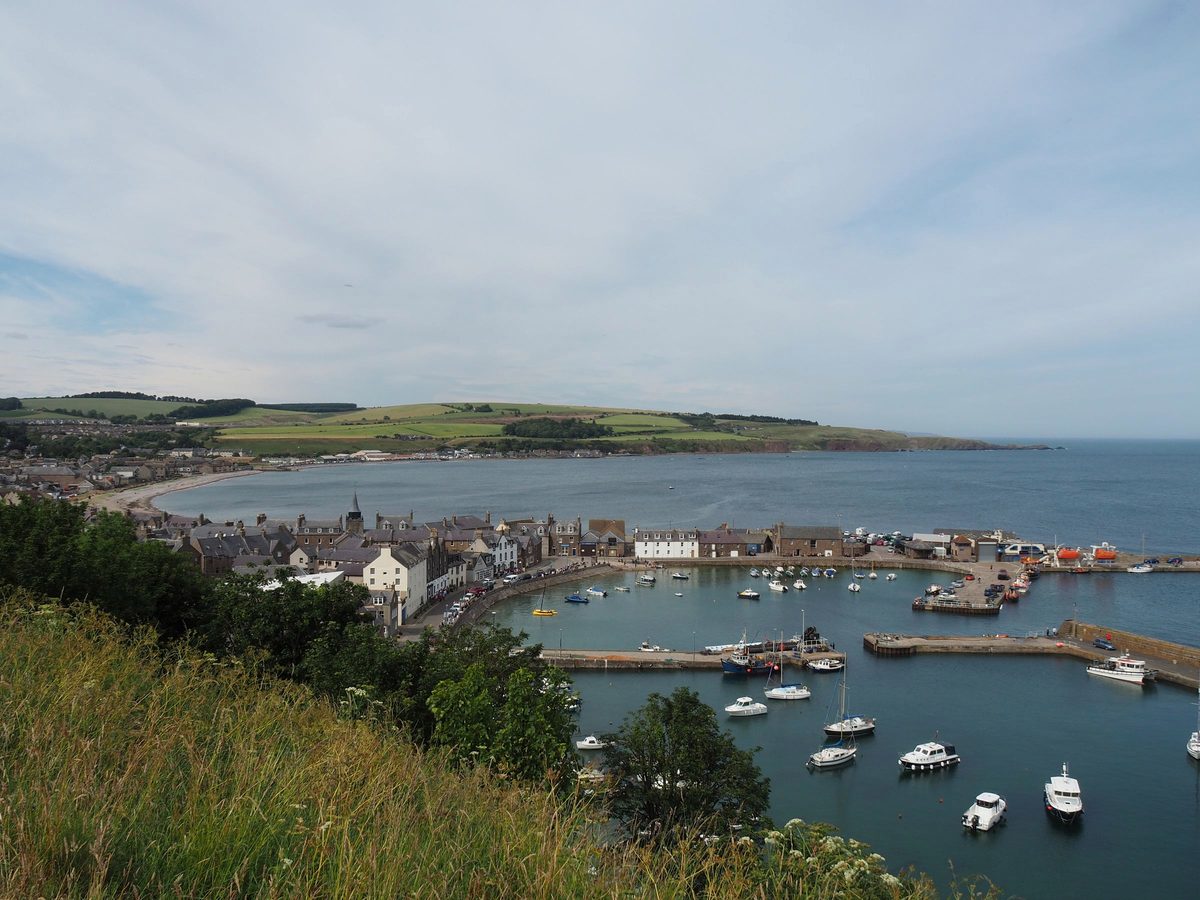
Edinburgh suits a first trip better than anywhere, and handles a wet day with a small child better than any city in Britain: the National Museum of Scotland and the city's other galleries are free, the castle and the zoo are a short hop, and the train and the overnight sleeper run into Waverley so you need no car. Glasgow is the bigger city, with free museums like Kelvingrove, parks everywhere and half an hour to Loch Lomond, making it the city base nearest the Highlands. Fife and the East Neuk, just across the bridges, are the quiet, drier choice, with sheltered fishing-village beaches, St Andrews and the Deer Centre.
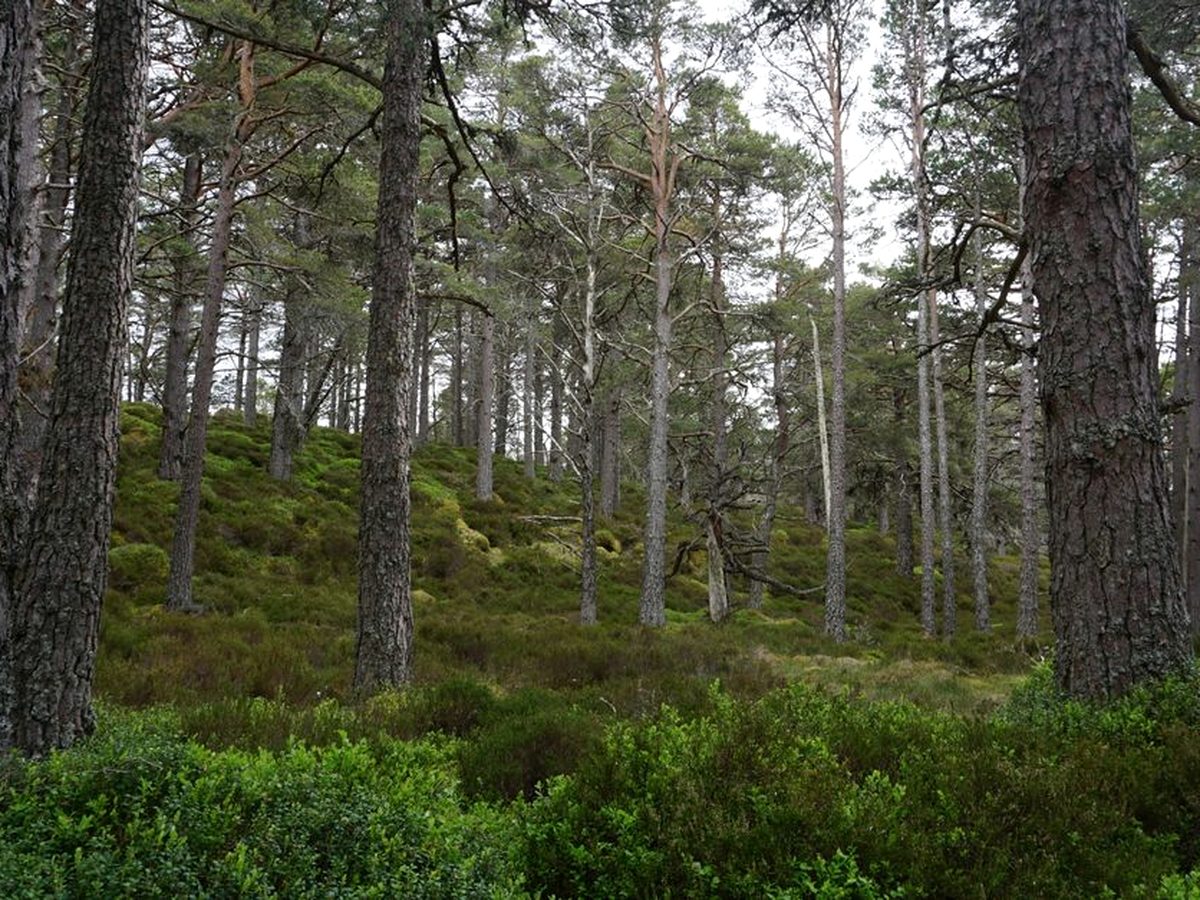
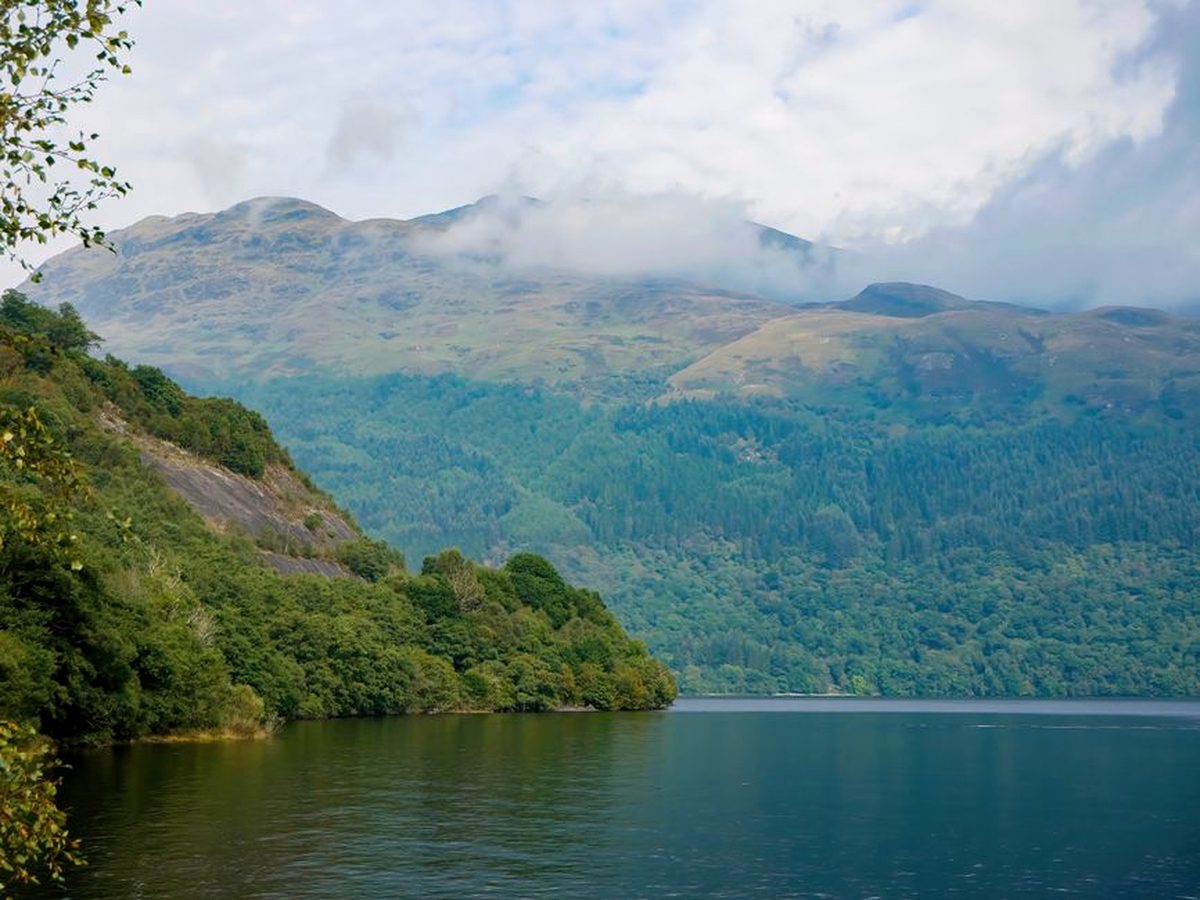
Loch Lomond and the Trossachs is the nearest national park to both cities, an easy first taste of the Highlands with loch cruises, forest walks and Blair Drummond Safari, though the west shore gets midges. Aviemore in the Cairngorms is the Highland family capital, with the densest cluster of toddler activities anywhere in the Highlands, the reindeer, the wildlife park, Landmark Forest and Loch Morlich beach, all on the drier east side.
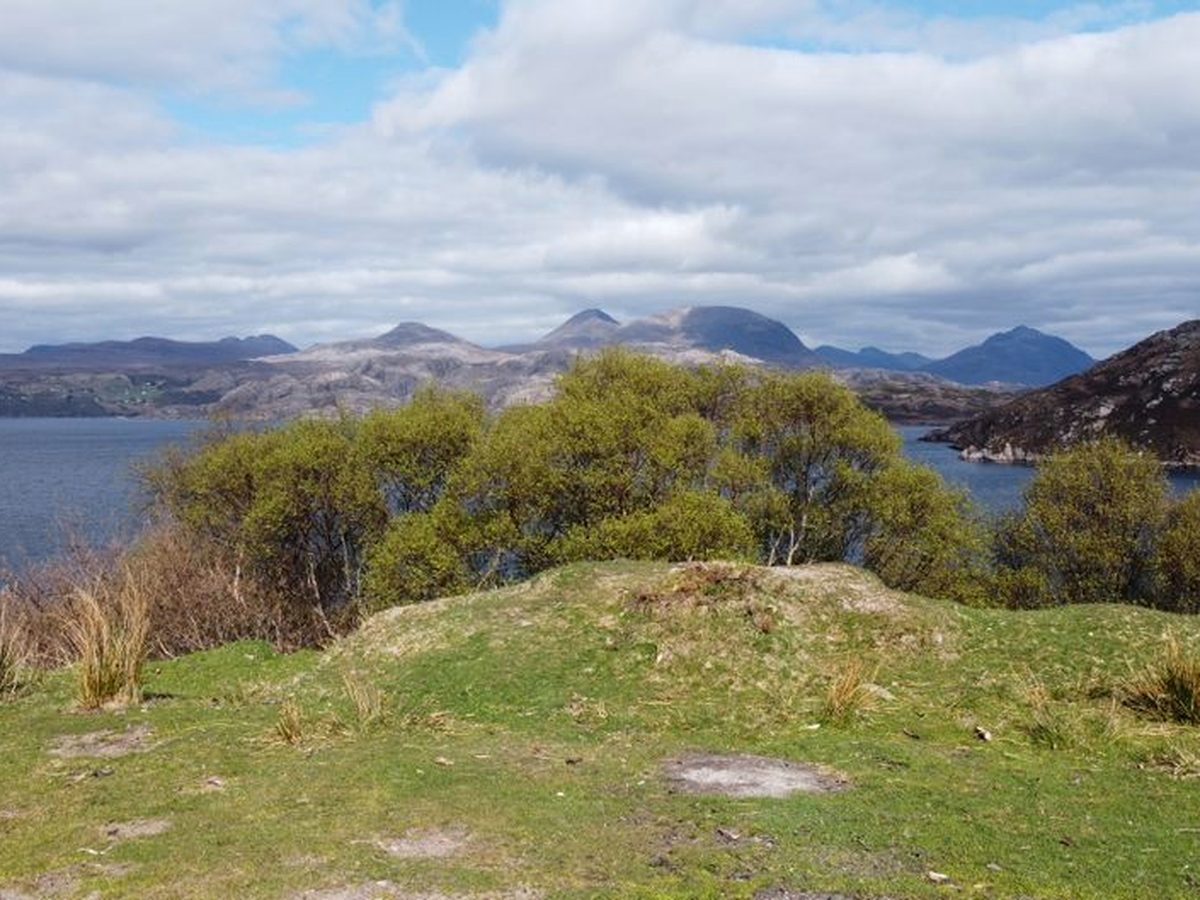
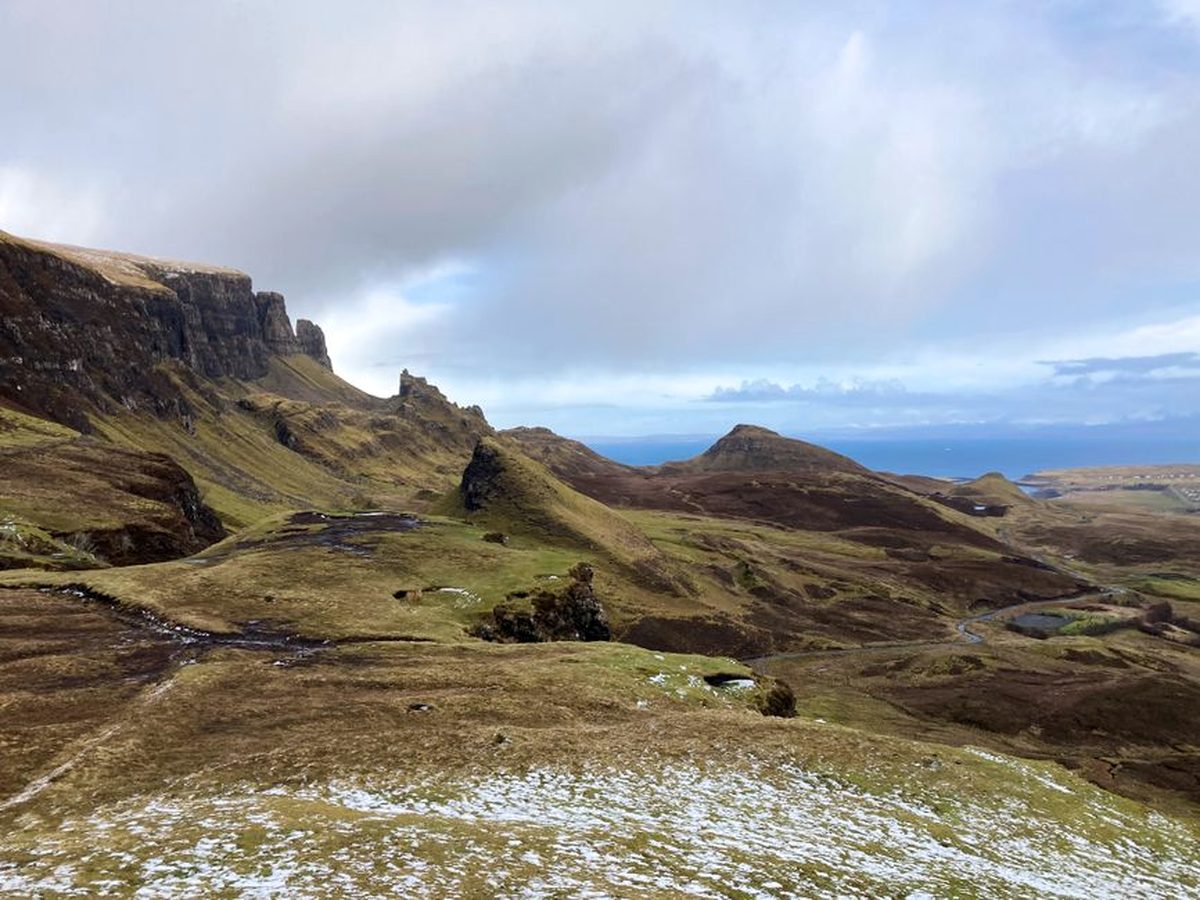
Argyll, Skye and the far north are the remote end: white-sand beaches, island ferries and mountains meeting the sea, but long single-track drives, summer midges and ground where you'll need a carrier, not a buggy. They're the regions to save for when children are a little older or for a repeat visit, not a first trip with a baby.
| Region | In short | The feel | Good for |
|---|---|---|---|
| Edinburgh and the Lothians | The easy first-timer base | Free museums, the castle, the zoo, and trains and the sleeper right into the centre. You can do a week here without a car, indoors or out. | A first trip and rainy-day cover |
| Glasgow | The big city, near the lochs | Free museums including Kelvingrove, parks everywhere, and half an hour from Loch Lomond and the gateway to the west. | A city base near the Highlands |
| Fife and the East Neuk | The accessible east coast | Sheltered fishing-village beaches, St Andrews and the Deer Centre, drier than the west and with fewer visitors. | Quiet beaches near Edinburgh |
| Loch Lomond and the Trossachs | The nearest Highlands | The closest national park to both cities: loch cruises, Blair Drummond Safari and forest walks, with midges on the west shore. | A first taste of the Highlands |
| Aviemore and the Cairngorms | The Highland family capital | The densest run of toddler activities in the Highlands: Landmark Forest, the reindeer, the wildlife park and Loch Morlich, on the drier east side. | The easiest Highland base with little ones |
| Argyll, Skye and the far north | The remote west and north | White-sand beaches, island ferries and mountains meeting the sea, but long single-track drives, midges and carriers over buggies. | Older toddlers and repeat visits |
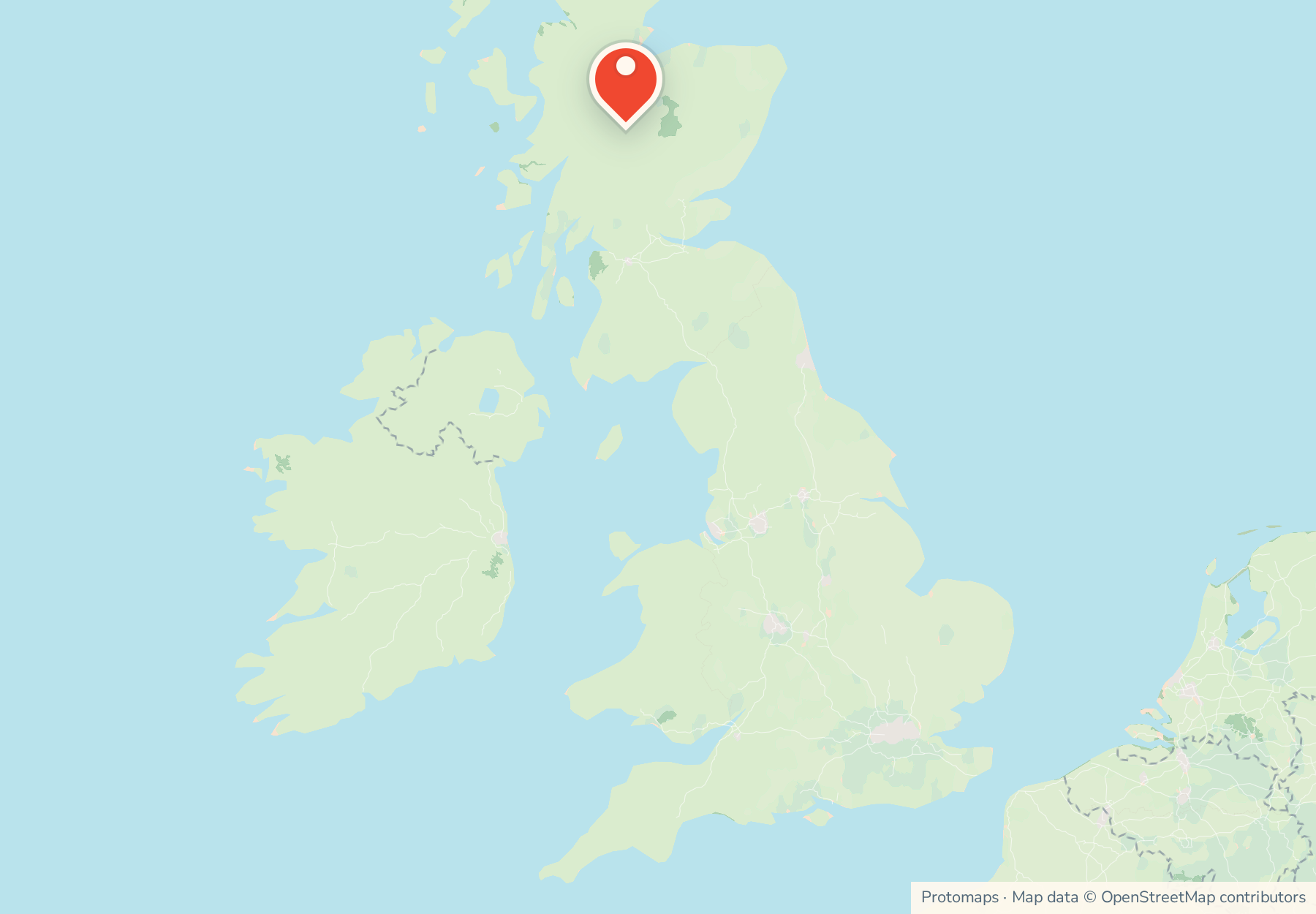
Map of the main family regions
An orientation map of the regions and cities above and the bigger days out. The numbers match the key beneath.
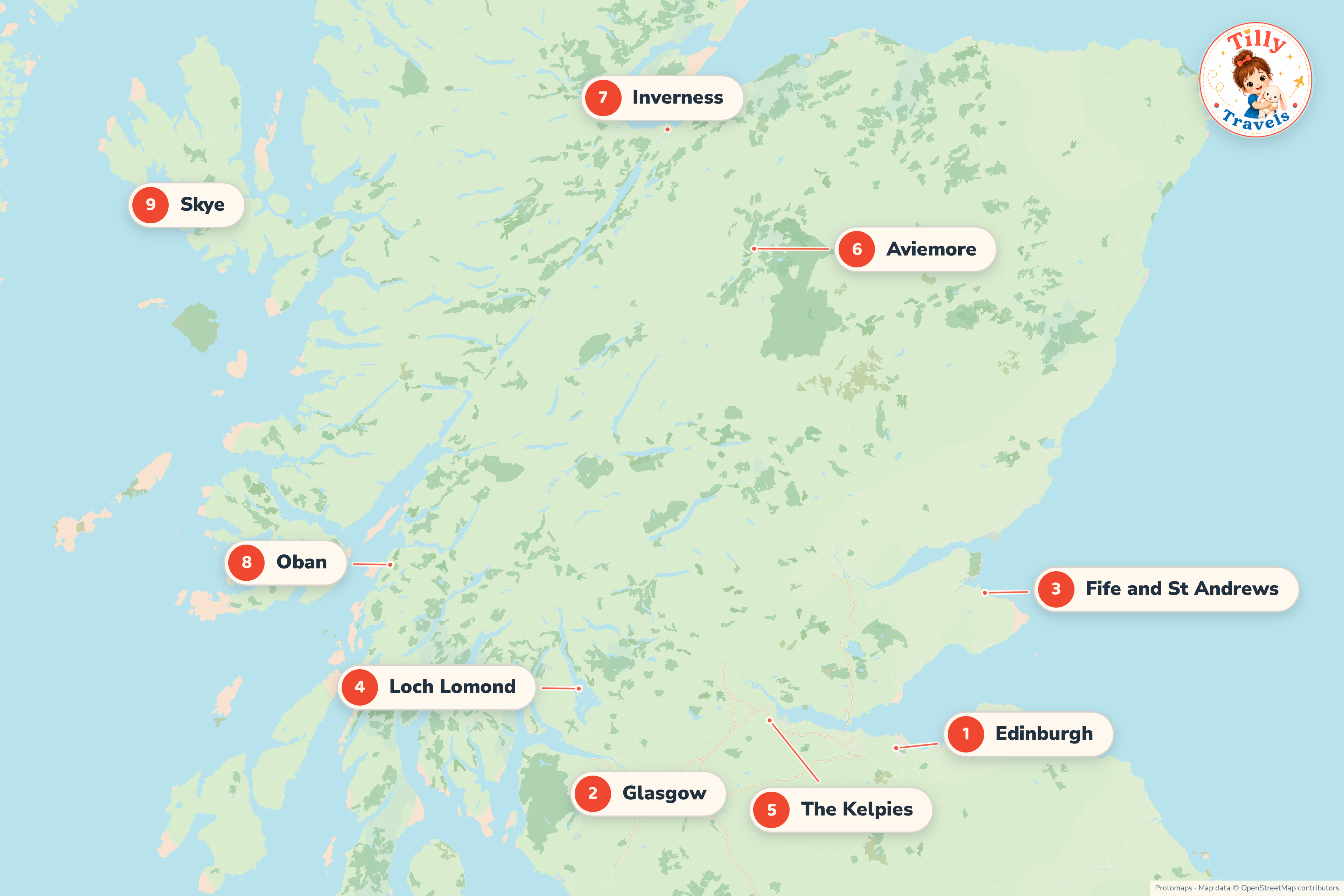
- 1Edinburgh The first-timer city
- 2Glasgow Big city near the lochs
- 3Fife and St Andrews The east coast
- 4Loch Lomond The nearest Highlands
- 5The Kelpies Falkirk, between the cities
- 6Aviemore The Cairngorms family base
- 7Inverness Loch Ness and the north
- 8Oban Argyll and the island ferries
- 9Skye The remote western isle
Beaches and water with little ones
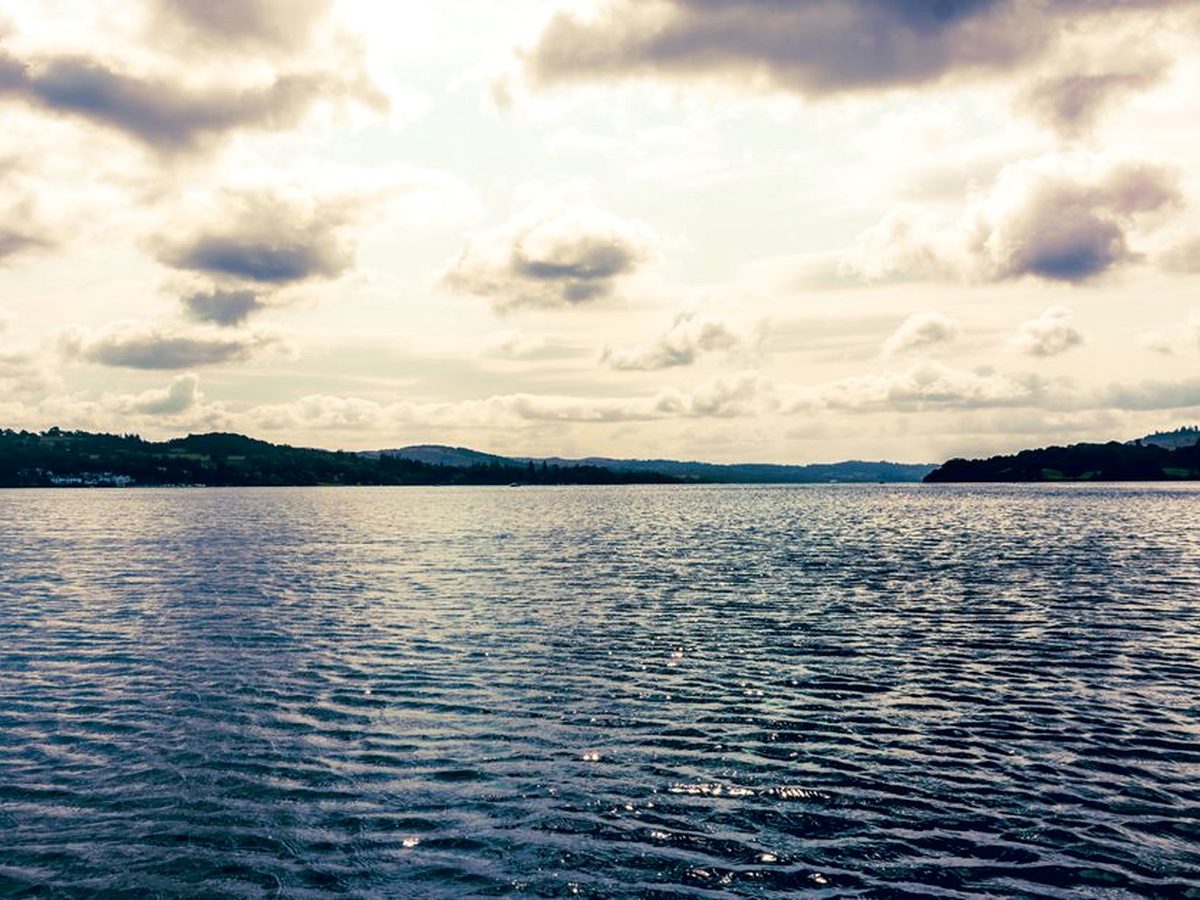
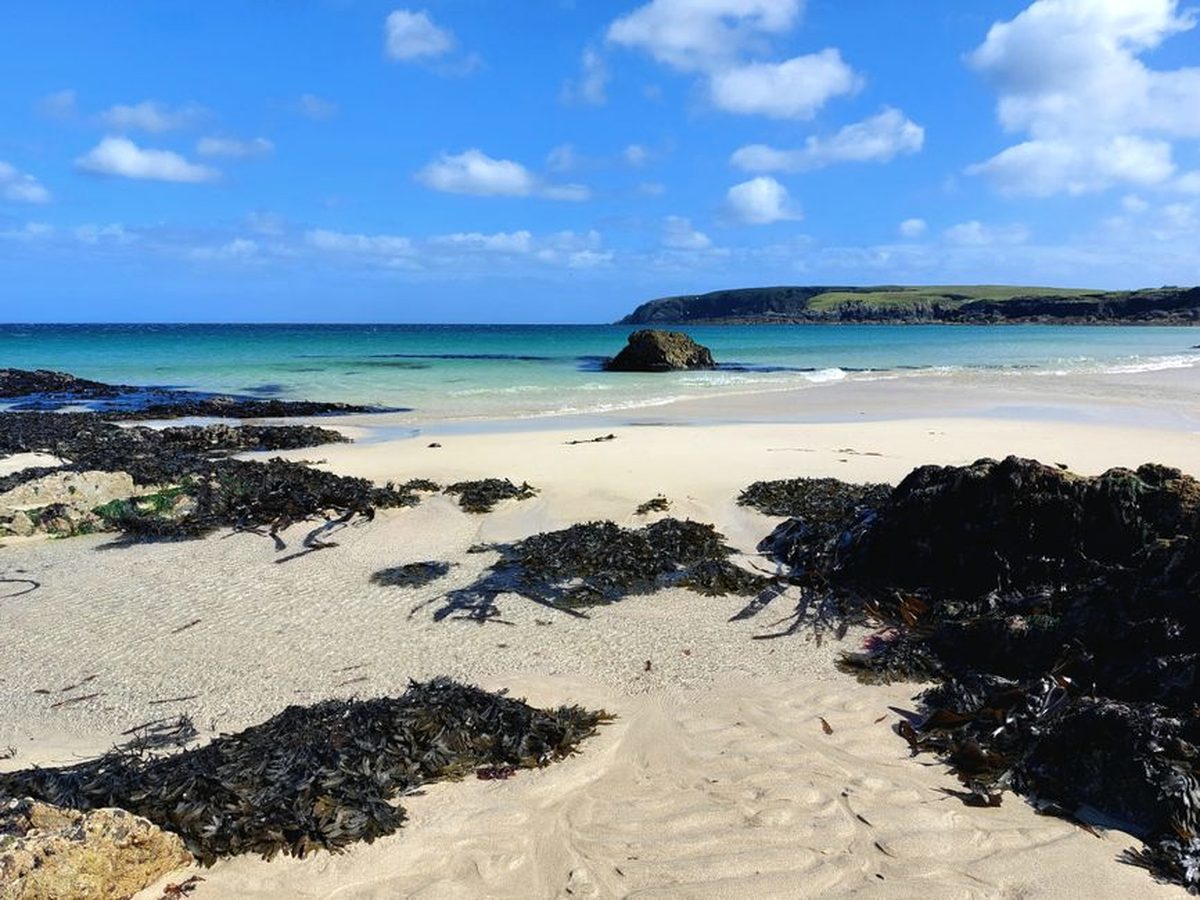
Scotland has white-sand beaches with clear, pale-blue water in the Hebrides and on the west coast, along with gentler sheltered sand in Fife's East Neuk. The water is cold: the sea and the lochs sit around 14 degrees even in August, so this is paddling and sandcastles rather than swimming for a small child, and a wetsuit helps for anyone who wants more than a quick splash. Loch Morlich near Aviemore has a freshwater beach in a mountain setting that is a toddler favourite on a warm day.
Scotland has the UK's highest accidental drowning rate. The lochs are cold and drop away steeply close to the shore, and cold-water shock can catch even strong swimmers, so keep paddling to shallow, supervised edges and never let a small child near deep water unwatched. In warm spells, watch for posted blue-green algae warnings on the lochs and keep out of any water with a scum on it.
Weather, wet days and days out
When to go, the rainy-day plan, the days out that suit small children, eating out and where to stock up.
Weather across the year
Scotland's weather is cool and changeable, wetter in the west and drier in the east. Expect rain on any day and have indoor options for half the trip. Summer daylight runs very long: in June the far north has eighteen hours of usable light, which is good for long days out but means a blackout blind is essential for toddler sleep.
| Month | Daytime high | Overnight low | Rain | Wet days |
|---|---|---|---|---|
| January | 7° | 1.5° | 73 mm | 13 |
| February | 7.5° | 1.5° | 61 mm | 11 |
| March | 9.5° | 2.5° | 52 mm | 10 |
| April | 12° | 4.5° | 46 mm | 9 |
| May | 15° | 6.5° | 50 mm | 11 |
| June | 17.5° | 9.5° | 69 mm | 11 |
| July | 19.5° | 11° | 72 mm | 11 |
| August | 19° | 11° | 75 mm | 11 |
| September | 17° | 9.5° | 55 mm | 11 |
| October | 13° | 6.5° | 83 mm | 13 |
| November | 9.5° | 3.5° | 74 mm | 13 |
| December | 7° | 1.5° | 75 mm | 13 |
Typical monthly averages from weather-station records.
With young children, late May to mid-June is the best window, with long days, wildflowers, low midges and prices below peak, and September is a close second as the crowds thin and the heather turns. July and August are warmest but the busiest, with Edinburgh packed for the festivals. Midges bite from late May to September and are worst in the still, damp west Highlands and islands, so pack repellent if you are heading there in summer. A breeze and the drier east keep them well down.
The rainy-day planWhen it rains
Rain is a near-certainty on a Scottish trip, and a wet day in Edinburgh is no disaster, with the free National Museum of Scotland, the indoor parts of the zoo, Dynamic Earth and Camera Obscura all within reach, and across the Forth in Fife the Deep Sea World aquarium a short train ride out. Glasgow matches it with the free Kelvingrove and Riverside museums and the Big Explorer indoor play floor at the Glasgow Science Centre.
In the Highlands the plan matters more, because a downpour is harder to wait out. Landmark Forest near Aviemore has indoor play and a covered tower, the wildlife park works in most weather, and there are soft-play centres and pools in Aviemore and Inverness. A holiday base with its own pool or soft play is worth seeking out for the Highland half of a trip, and a couple of indoor days planned in from the start take the pressure off the forecast.
Filling the daysThings to do with little ones
A lot of the trip is the free city days out. The National Museum of Scotland in Edinburgh is free, big and largely indoors, with hands-on galleries for small children, and Glasgow's Kelvingrove, with a Spitfire hanging from the ceiling, is its equal. The Kelpies and the Falkirk Wheel between the cities pair giant sculptures and a boat lift with parkland and splash play that are free to wander even without the paid boat trip. Edinburgh Zoo has its penguin parade, and the castle and Camera Obscura suit an older toddler; Camera Obscura has stairs, so take a carrier.
For wildlife and the outdoors, Blair Drummond Safari Park near Stirling is a flat drive-through with a play area; the Cairngorm reindeer at Glenmore and the Highland Wildlife Park near Aviemore are where toddlers get close to real animals; and Landmark Forest Adventure Park is an all-in-one day with dinosaurs and play. The Highland Folk Museum at Newtonmore, near Aviemore, is a free open-air museum with room to run. A loch cruise on Loch Lomond or Loch Ness and a paddle at Loch Morlich round out the Highland side without any hard walking.
Eating out with children
The cities are easy, with cafés, family pubs and high chairs the norm. In the Highlands and islands the choice thins and rural places can keep short or seasonal hours, so a quick check before driving out to a remote café or inn saves a wasted trip, and booking ahead helps in summer.
Children eat well on the simple things here: fish and chips in the harbour towns, soup and a roll, and tablet and shortbread. A fold-up seat that clamps onto the edge of a table is worth packing for the smaller places that have no high chair, and self-catering takes the pressure off the early Highland bedtimes.
Nappies, milk and the big shopSupplies and pharmacies
Shopping is straightforward in the cities and towns, with the full range of supermarkets and a Boots in Edinburgh, Glasgow, Inverness, Aviemore and the larger places. Nappies, wipes, formula and baby food are all easy to find there.
The Highlands and islands are where it thins out: a village shop may be the only option for many miles, and prices on the islands run higher, so the sensible move is a big shop in a town before any remote stretch and taking your own supplies to the isles. Add insect repellent to that shop in summer if you're heading west.
Getting around, a real week and the admin
Getting around, what a week actually looks like, the health and admin and a list to pack against.
Getting there and around
The train reaches Edinburgh from London in about four and a half hours, with under-fives free, and the overnight Caledonian Sleeper saves a whole travel day to the Highlands, though its cabins are pricey and tight with a toddler who needs to share the bed. Fly for Inverness and the far north, and a long drive up the M6 or A1 works from the North of England but is a real haul from the south.
Once there, Edinburgh and Glasgow run well without a car, and ScotRail's Kids for a Quid makes day trips cheap. Everywhere else a car is the practical choice, because Highland and island buses are sparse and awkward with a buggy, and the island ferries (mostly CalMac) need their car spaces booked weeks ahead in summer. Highland roads are frequently single-track with passing places, so distances take longer than the map suggests.
Underfoot, the cities and the lochside and forest trails are buggy-friendly, but the islands, the hills and the longer walks are rough, steep or boggy, so you'll need a carrier. For a flat Highland walk that takes a buggy, the loop round Loch an Eilein in Rothiemurchus near Aviemore is on hard-packed paths, and the West Loch Lomond Cycle Path runs level beside the water. Edinburgh's Old Town is steep and cobbled in places, and Camera Obscura and the castle have stairs, so a carrier is worth having there too.
What a real week looks likeA realistic week with little ones
Arrive (the sleeper saves a travel day to the Highlands), settle in, and keep it gentle: a city park or a lochside walk near the base.
A free museum and a playground in Edinburgh or Glasgow, with the castle or the zoo for an older toddler. Indoors if it rains.
Blair Drummond Safari near Stirling, the Highland Wildlife Park or the Cairngorm reindeer, one big outing with the nap protected.
A loch cruise, a forest trail or a paddle at a beach or Loch Morlich on a warm, breezy day when the midges stay down.
A slow morning and a final play, with the drive or the sleeper home.
Give it a few days in Edinburgh for the city and the rain and a few in Aviemore for the Highlands, take one big wildlife outing at a time, and plan around the nap and the late, light evenings.
The practical adminHealth and admin
Full A&E sits in Edinburgh, Glasgow and Inverness. In the Highlands and islands distance is the planning point: from Skye or the far north the nearest emergency department can be well over an hour away on single-track roads, with patchy mobile signal, so on a remote trip carry enough of any regular medicine, a first-aid kit and a tick tool and save your route to the nearest hospital offline.
The outdoor risks are worth planning for, none of them a reason to stay in. For midges, the repellent most people use here is Smidge; check the age guidance on the label before using it on a baby, and favour breezy or bright times outdoors. Ticks live in long grass, bracken and heather and can carry Lyme disease, so cover legs and check children after any such walk, removing ticks promptly. The water is cold and drops away steeply close in. Summer evenings stay light very late in the north, so a blackout blind keeps bedtimes on track.
Before you payBooking checklist
- Pick one or two regions, not the whole country: Edinburgh and Aviemore are the easy first combination.
- Favour the drier east and the cities for a first trip; weigh the west for its scenery against its rain and midges.
- Pack a blackout blind for the light summer evenings.
- Carry Smidge and a pram net for the west in summer, and a tick tool for any country walk.
- Book the sleeper or island ferry car spaces well ahead, and use ScotRail's Kids for a Quid.
- Plan indoor options for half the trip, and a Highland base with a pool or soft play.
- Confirm a cot, and pack warm and waterproof layers whatever the month.
- Aim for late May to mid-June or September for the best mix of weather, light and low midges.
- Keep small children to shallow, supervised water; treat the lochs and sea as cold and deep.
- Bring enough of any medicine your child relies on for the whole trip.
Resort guides in Scotland
We've researched these places to stay in Scotland for families with young children. Each guide covers what it's like, who it suits and what to check before you book.
Questions, links and the last word
The things families ask most, the official pages worth a bookmark and when this guide was last refreshed.
Common parent questions
Can we really see Scotland with a toddler?
You see a region of it, not the country. To put the distances in perspective, Edinburgh to the far north-west is roughly London to the south of France, and the last stretch is single-track. Two or three hours is about the most a young child will take in the car in a day, which keeps you inside one region anyway. Base yourself in that region and explore outward from it.
Which region suits a first trip?
Edinburgh and a few days in Aviemore. Edinburgh gives you the city and the wet-weather cover, Aviemore the Highlands without the long western drives. The two are about three hours apart by car, or you can take the train between them, which suits a child who naps badly in the car. If you only have a long weekend, do one of the two rather than both.
How bad are the midges?
Bad enough to plan around in the west in summer, but not everywhere and not a disease risk. They're rare in Edinburgh and Glasgow, on windy coasts and on the drier Cairngorms side, so the cities-and-east plan sidesteps the worst of them. They bite at dawn and dusk and stay down in any breeze or bright sun, so a midday outing is usually fine and the evening is when you want repellent, long sleeves and a net over the pram hood. The Smidge website runs a daily Highland forecast you can check before a trip.
Is the open water dangerous?
Treat every loch, river and sea as cold and deep. Keep small children paddling at a shallow, supervised edge; it's not a swimming holiday for them. The practical kit is wellies or old trainers for the rocky loch shores, a change of clothes in the bag, and a wetsuit if an older child wants more than a quick splash. If a child does go in over their depth, the danger is the cold shock that makes you gasp, not the depth alone, which is why you stay within arm's reach.
When is the best time to go with little ones?
Late May to mid-June, then September, for the gap before and after the school-holiday and festival crush. If you can only travel in the school holidays, go anyway and just book early: July and August are warm and the long days are on your side, you'll only be sharing them with more people and more midges in the west. Avoid the first half of August in Edinburgh itself unless you're going for the festival, because the city fills up and beds get scarce.
Do we need a car, and what about ticks?
In Edinburgh and Glasgow, no; everywhere else, yes, because Highland and island buses are sparse and awkward with a buggy. On ticks, the one piece of kit to pack is a fine-tipped tick tool from any pharmacy, plus long trousers tucked into socks for walks through bracken or heather. A quick check over everyone at bath time after a country walk catches almost all of them, and a tick lifted off promptly rarely causes any problem.
Is it expensive to get there?
The train to Edinburgh from London is around four and a half hours, with under-fives free and ScotRail's Kids for a Quid once you're there. The overnight Caledonian Sleeper saves a day to the Highlands but cabins are pricey and tight with a toddler who has to share the bed. Fly for Inverness and the far north. A long drive works from the North of England but is a serious haul from the south.
What if someone is ill or hurt?
In Edinburgh, Glasgow or near Inverness you're close to a full A&E, so it's no different from home. On Skye or in the far north plan for the gap: save the route to the nearest hospital offline before you set off, since signal drops out on the single-track stretches, and pack enough of any regular medicine for the whole trip because a remote pharmacy may not stock it. A GP practice or minor injuries unit covers the everyday scrapes and bugs.
See more Scotland photos
Open the photo gallery →Useful links
- VisitScotland: regions, attractions and what's on while you're there.
- Smidge midge forecast: the daily Highland midge map for the summer.
- ScotRail: trains around Scotland and the Kids for a Quid fare.
- CalMac Ferries: the west-coast island ferries; book car spaces ahead.
- NHS Inform: tick, Lyme and open-water safety advice.
Last updated 17 June 2026.