Mallorca with little ones
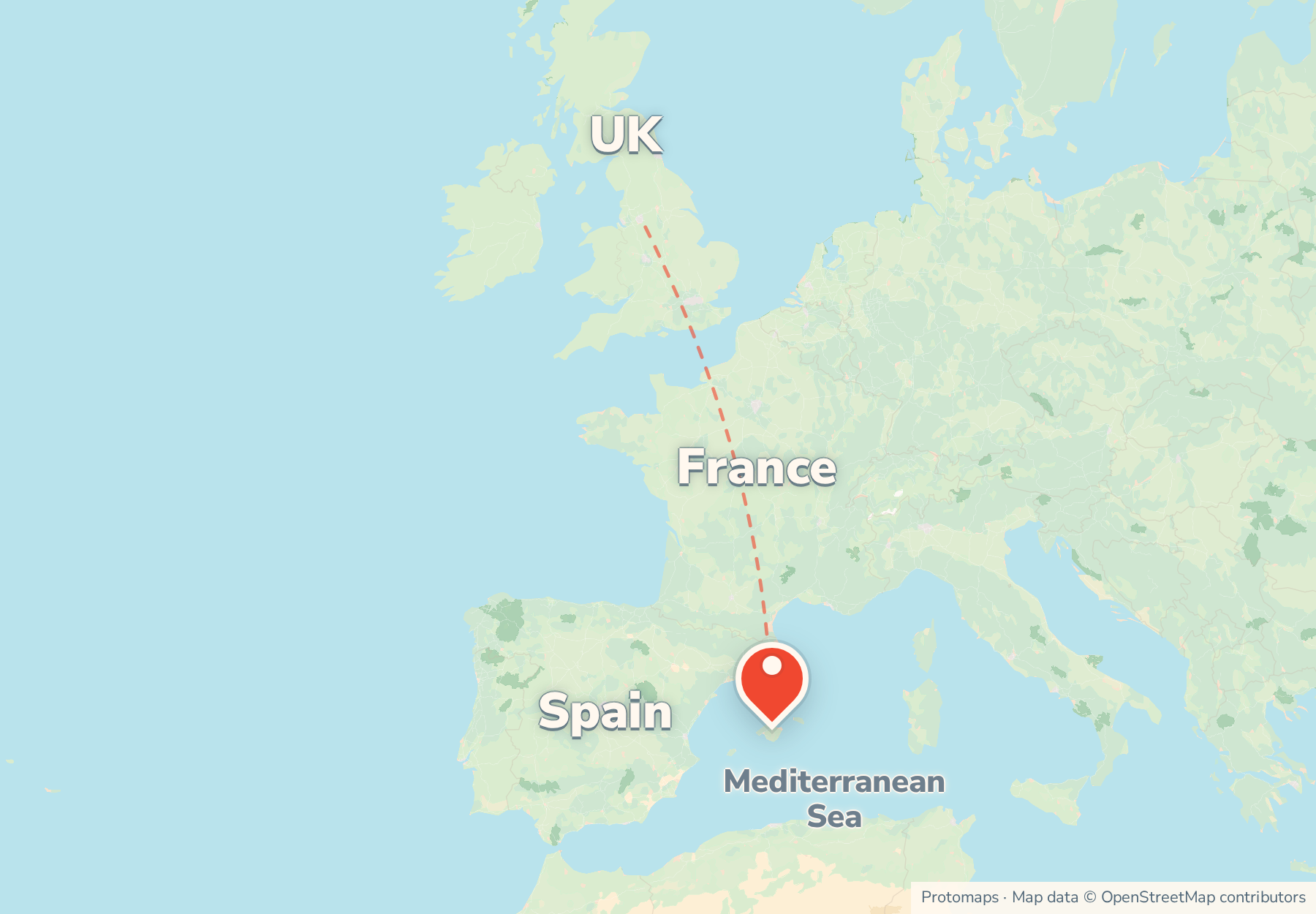
At about two and a half hours, Mallorca is the shortest of the main Spanish sun gateways from the UK, and along its northern bays the sand shelves so gently that a two-year-old can paddle a long way out. It's a summer island rather than a winter one, with a season from Easter to October.
On this page
A family verdict at a glance
The quick read before the detail: who Mallorca suits, the season to aim for and what to nail down before you book.
Best for
A short hop to reliable summer sun, shallow sheltered water for small children and a real city and mountains when you want a change from the beach.
Maybe not for
Winter sun. Mallorca isn't a winter-sun island, and August packs the resorts to capacity.
Best ages
June and September suit babies and toddlers best. The peak summer suits children who can handle heat and crowds.
Best areas
The northern bays from Puerto Pollensa to Can Picafort for the water, Palmanova and Santa Ponsa for short transfers.
Why families pick it
Calm sheltered sea, flat promenades for the buggy and everything from waterparks to a vintage train within reach of the beach.
Check before you book
The transfer time to the northern bays, the cot, the air conditioning and a heated pool outside high summer.
A short flight, a summer season
The short flight is Mallorca's biggest practical advantage for families. It's under three hours from anywhere in the UK, which with a baby or a lap-bound toddler is a different experience from the four and a half hours to the Canaries. The time difference is one hour, small enough that it barely affects bedtimes.
Mallorca is a summer island, so the calendar is the constraint. The resorts run from Easter to late October, and through the winter most resort hotels, restaurants and hire desks close. February half term here is a mild city break to Palma, not a beach holiday.
A quick gut checkIs Mallorca right for your family?
Worth comparing if
You want the shortest flight to a summer beach week, shallow calm water for paddlers and the option of a city morning or a mountain train ride part-way through the week.
Weigh it up if
You're tied to August, when the island is at its hottest and busiest, or you're hoping for out-of-season warmth, which you won't find in the Mediterranean.
To sort out before booking
The transfer, especially the hour to the northern bays, a child seat for it, the cot, the air conditioning and a heated pool if you're travelling in spring or autumn.
The numbers, the basics and the ages
Everything you'd want to skim first: the quick facts, the everyday practicalities and how Mallorca changes as children grow.
Quick facts for UK families
Money, plugs, language and the basics
- Mallorca is the largest of Spain's Balearic islands, about 62 miles (100 km) across, with Palma as its capital.
- The currency is the euro and cards are accepted almost everywhere.
- The Balearic Sustainable Tourism Tax adds roughly one to four euros per person per night in summer depending on the accommodation, paid at the hotel; under-16s are exempt and the rate halves from the ninth night.
- Sockets are the round two-pin European type, so UK plugs need an adapter. The voltage matches the UK.
- Spanish and Catalan are the official languages. English is spoken throughout the resorts.
- Tap water is officially drinkable but hard and often desalinated near the coast, so most people drink bottled. Use bottled or boiled water for making up feeds.
- Your GHIC card covers state healthcare here, and 112 is the emergency number.
- The Serra de Tramuntana, the mountain range along the north-west coast, is a UNESCO World Heritage landscape.
Mallorca by age and stage
Babies
The short flight matters most at this age. June or September, a cot confirmed, air conditioning and a resort on the flat northern bays.
Toddlers
Paddling-depth water for a long way out, flat promenades and ice cream within reach. The northern bays suit this stage best of all.
Preschoolers
Old enough for Palma Aquarium's shark tunnel, the smaller waterparks and the Sóller train.
Young children
They can manage the bigger waterparks, the Caves of Drach, boat trips and full mountain days out.
Where to base yourselves
The resort coasts side by side, an orientation map of the island and what the beaches are really like underfoot.
Where to stay with young children
From Puerto Pollensa round through Puerto Alcúdia and Playa de Muro to Can Picafort runs a 10-mile (16 km) arc of white sand with flat promenades behind it. Puerto Pollensa is the quieter, more grown-up end, known for its traffic-free Pine Walk along the seafront, though tree roots make it a slightly bumpy buggy ride in stretches. Puerto Alcúdia is the family heartland, with purpose-built hotels and everything within pushing distance, and Playa de Muro next door has the same sand with dunes, pines and more space. The price of all this is the transfer, at about an hour from the airport.
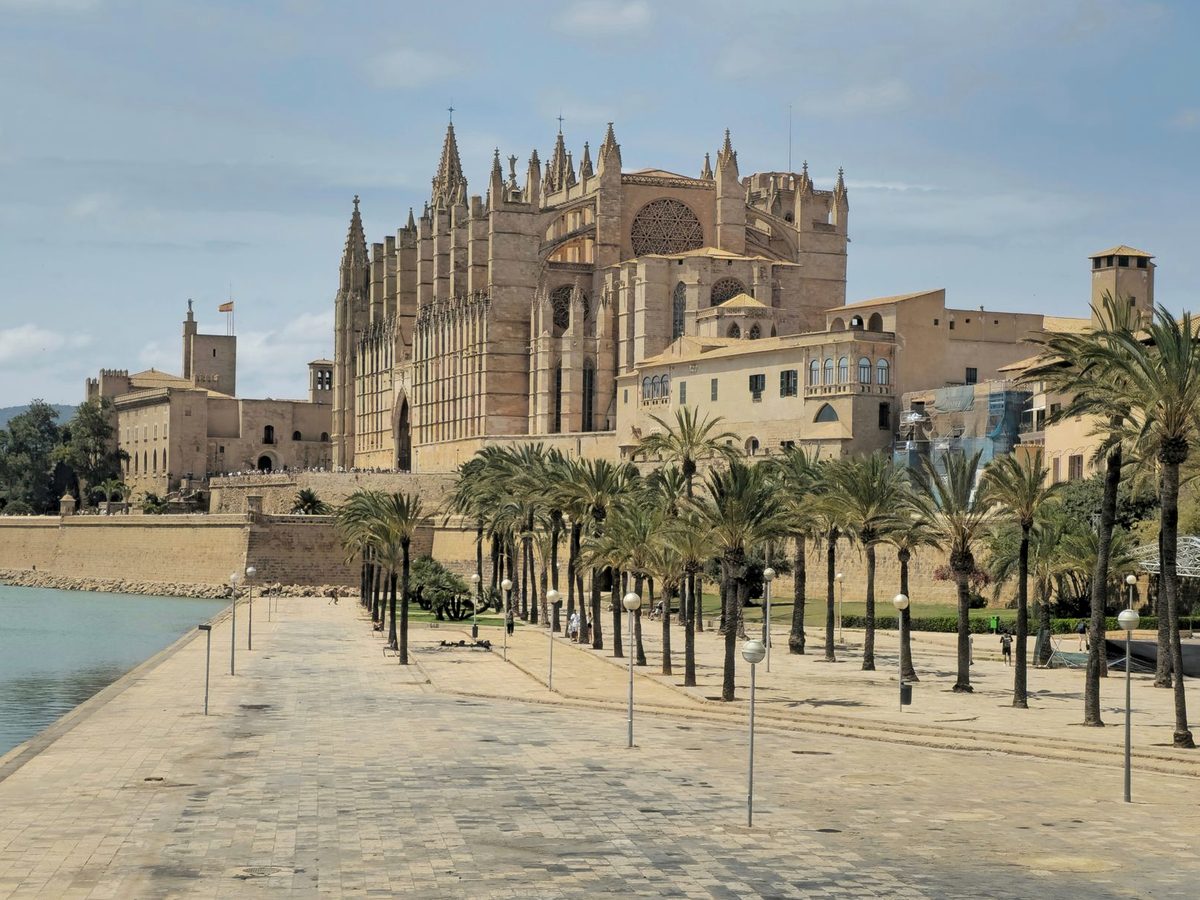
The south-west is the short-transfer alternative. Palmanova and Santa Ponsa are long-standing British family resorts, twenty to thirty-five minutes from the plane, with wide beaches and big practical hotels. Magaluf next door has changed, with years of investment moving it upmarket, and by day the beach is as family-friendly as any on the coast, but its strip is still lively at night, so most families with little ones settle in Palmanova and visit Magaluf for Katmandu Park. Palma itself sits twenty minutes away, which makes a cathedral-and-aquarium morning an easy outing.
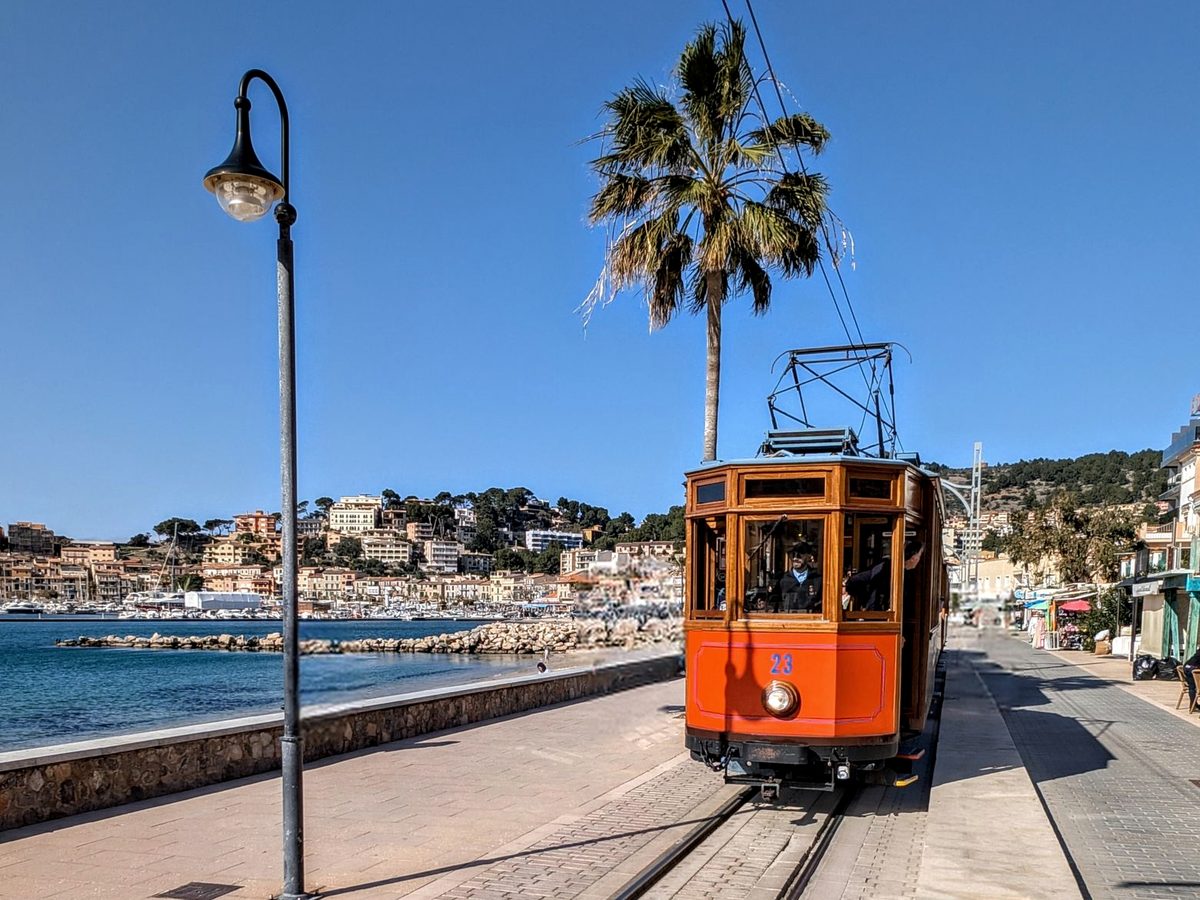
Further out, Cala d'Or on the south-east coast is whitewashed villas around small sandy coves, better suited to children who can manage steps and busier sand. Cala Millor and Sa Coma on the east coast are flat, sandy package territory with good value and calm seas. Port de Sóller is a sheltered horseshoe bay under the Tramuntana mountains, with the vintage tram along the front, stronger on scenery and lighter on facilities than the big bays.
| Area | Transfer | The beach | The feel |
|---|---|---|---|
| Puerto Pollensa | About 60 min | Calm, gently shelving bay | The quieter UK-family favourite, with the pine-shaded, traffic-free Pine Walk along the seafront. |
| Puerto Alcúdia | About 45 to 55 min | Long, shallow sand | The family heartland: purpose-built hotels, a flat promenade and restaurants everywhere. |
| Playa de Muro | About 50 min | 3 miles (5 km) of gently shelving white sand | The gentlest stretch for young children, with dunes and pines behind and more space in peak weeks. |
| Can Picafort | About 50 min | Shallow and calm | The smaller, cheaper end of the same bay, with a palm-lined pedestrian seafront. |
| Palmanova and Santa Ponsa | About 20 to 35 min | Wide, shallow sandy beaches | Practical south-west resorts, long popular with British families, with short transfers. |
| Cala d'Or | About 50 to 70 min | Small sandy coves | Whitewashed villas around small sandy coves, though the coves are busy and reached by steps in places. |
| Cala Millor and Sa Coma | About 60 min | Long, flat sand | East-coast package country, with calm seas and good value. Sa Coma is the quieter of the two. |
| Port de Sóller | About 40 min | Sheltered horseshoe bay, sand and pebble | The mountain option: a calm bay under the Tramuntana with the vintage tram along the front. |
Map of the main family areas
An orientation map of the areas above, the airport and the city. The numbers match the key beneath.
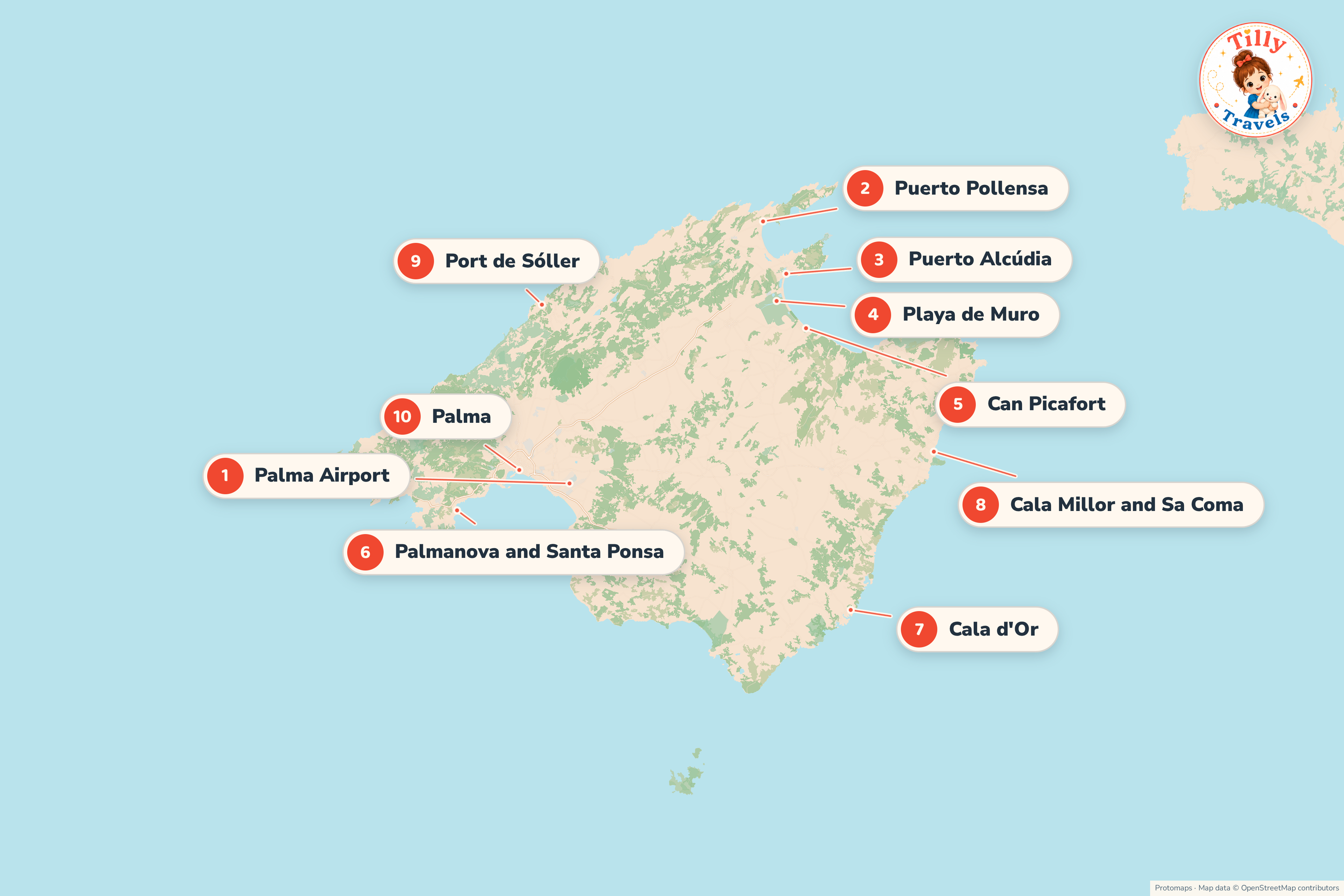
- 1Palma Airport Big and busy in summer
- 2Puerto Pollensa The quieter northern bay
- 3Puerto Alcúdia The family heartland
- 4Playa de Muro 3 miles (5 km) of shallow sand
- 5Can Picafort The quieter end of the bay
- 6Palmanova and Santa Ponsa Short-transfer south-west
- 7Cala d’Or South-east coves
- 8Cala Millor and Sa Coma East-coast value
- 9Port de Sóller The mountain bay
- 10Palma The capital, a city morning out
The shallow northern bays
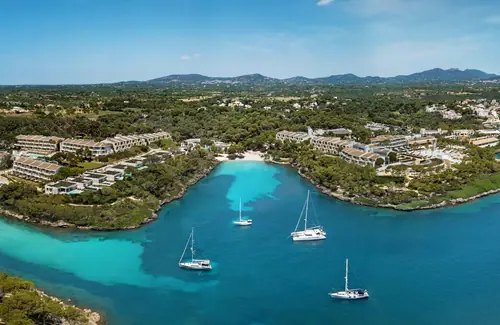
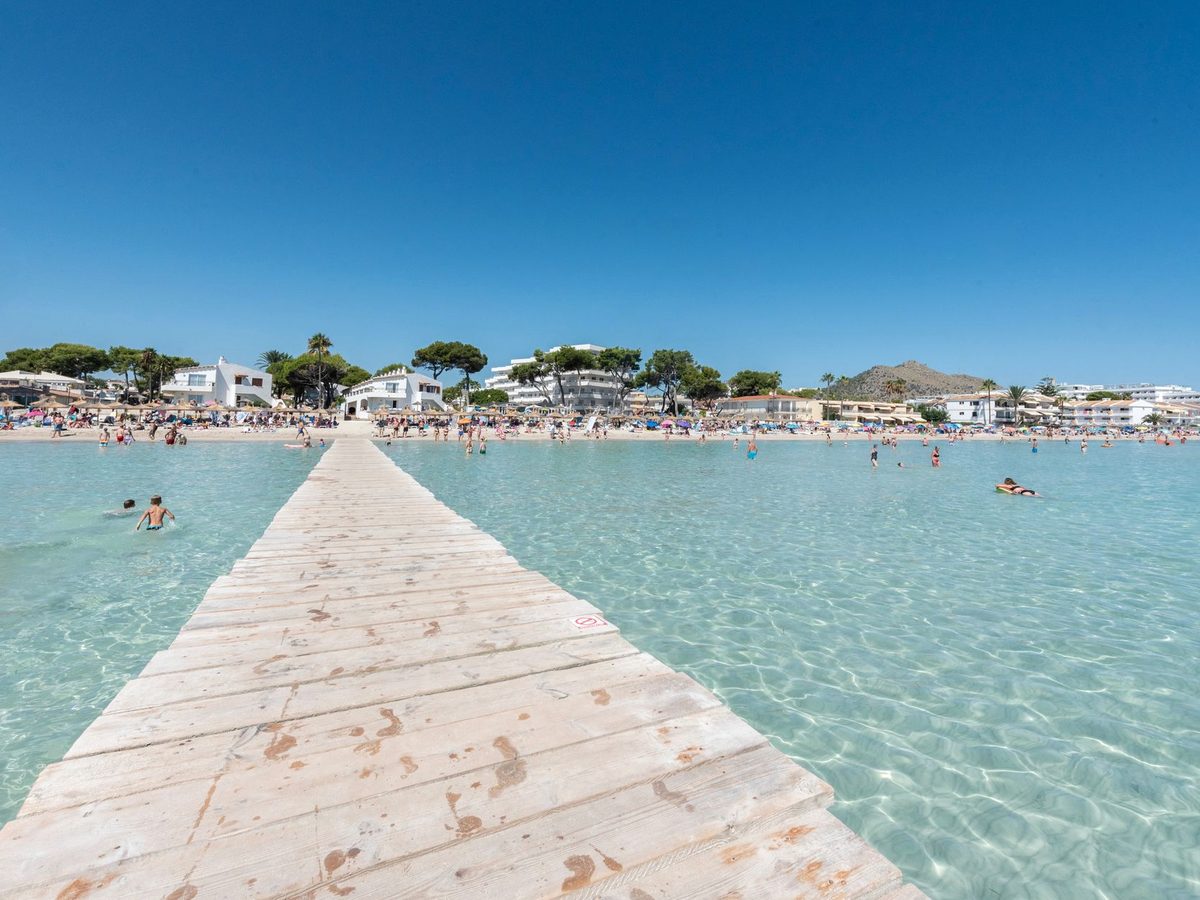
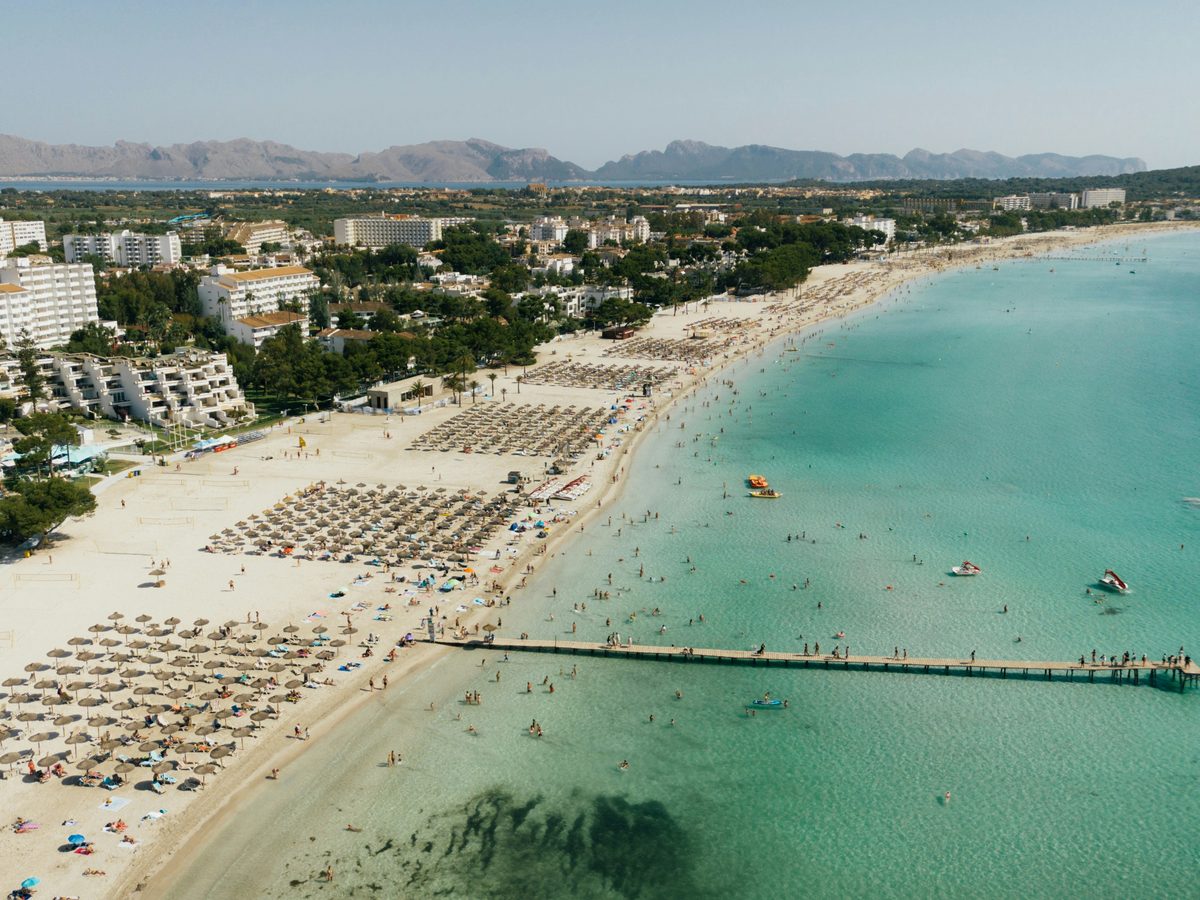
What sets the bays of Alcúdia and Pollensa apart is the gradient. The sand slopes away so gradually that the water stays knee-deep on an adult a long way from the towels, there's no surf to speak of and the bays are sheltered from open swell, which suits a beach day of paddling, digging and wading. Playa de Muro, 3 miles (5 km) of white sand between Alcúdia and Can Picafort, is the gentlest stretch of all. The beaches are serviced in season, with loungers, parasols and lifeguards along the main stretches, and the standard Spanish flag system applies: green for safe, yellow for caution, red for stay out, plus a jellyfish flag on the summers when mauve stingers drift in.
The timing matters more than the beaches themselves. In May the sea is still around nineteen degrees, which is paddling weather rather than swimming weather, and natural shade is scarce on the open sand, so a parasol or a beach tent and a morning-and-late-afternoon rhythm help in July and August. The south-west beaches at Palmanova and Santa Ponsa are smaller but similarly shallow and arrive with much shorter transfers.
Weather, days out and the daily shop
When to go month by month, the outings that suit small children, eating out the Spanish way and where to stock up.
Weather through the season
The figures below are typical averages for the season rather than a forecast. Winter is mild, wet and largely shut, which is why the table starts in April. July and August run hotter and stickier than an Atlantic island like Tenerife, with nights in the low twenties.
| Month | Daytime high | Overnight low | Rain | Wet days | Sea temp |
|---|---|---|---|---|---|
| January | 16° | 8.5° | 43 mm | 6 | 15° |
| February | 16° | 8.5° | 36 mm | 6 | 14° |
| March | 18° | 10° | 30 mm | 5 | 15° |
| April | 20° | 12.5° | 34 mm | 5 | 16° |
| May | 23° | 15.5° | 32 mm | 3 | 19° |
| June | 27.5° | 19.5° | 13 mm | 2 | 23° |
| July | 30° | 22.5° | 5 mm | 0 | 26° |
| August | 30.5° | 23° | 23 mm | 2 | 28° |
| September | 27.5° | 20.5° | 63 mm | 5 | 26° |
| October | 24.5° | 17° | 67 mm | 6 | 24° |
| November | 19.5° | 12.5° | 76 mm | 8 | 20° |
| December | 17° | 10° | 47 mm | 6 | 17° |
Typical monthly averages from weather-station records. Sea temperature is the open-water figure, so a sheltered bay can feel a degree or two warmer.
June and September are the months to aim for with young children if school terms allow: high-twenties days, a sea in the low twenties and resorts running below capacity. October can still bring a warm week, with the sea warmer than it was in June, though the shower risk rises and some places begin packing up for winter towards the end of the month.
Filling the daysThings to do with little ones
Most days are the bay, a nap and the promenade. For a wet or fiercely hot day, Palma Aquarium, near the airport, has one of Europe's deepest shark tanks, a walk-through tunnel, outdoor ray and turtle pools and indoor play that suits even the smallest children. Under-threes go free, and half a day does it with a toddler.
The Sóller train is a 1912 wooden train that winds from Palma through the mountains in about an hour, connecting with the open-sided tram down to Port de Sóller. Small children love it, with two cautions: buggies need folding into vintage carriages with steps and narrow doors, and it isn't cheap. The Caves of Drach at Porto Cristo are the other well-known outing, and they're a poor fit for small children, with no pushchairs, plenty of steps and an hour in the dark ending with a concert where silence is expected. Save them for six and up.
For waterparks, Hidropark in Alcúdia is the smallest, mostly shallow pools and small slides, and in the right place for the northern bays; Western Water Park at Magaluf and the bigger Aqualand El Arenal suit taller, braver children. Katmandu Park in Magaluf has an upside-down house, mini-golf and soft play with a dedicated two-to-fives area. Beyond the gates, two-hour glass-bottom boat trips run from Alcúdia and Pollensa, and Palma's seafront and Parc de la Mar below the cathedral make an easy city morning with a playground at the end. The free Wednesday market at Sineu still trades live chickens, goats and donkeys, and toddlers often take to it more than to a paid attraction.
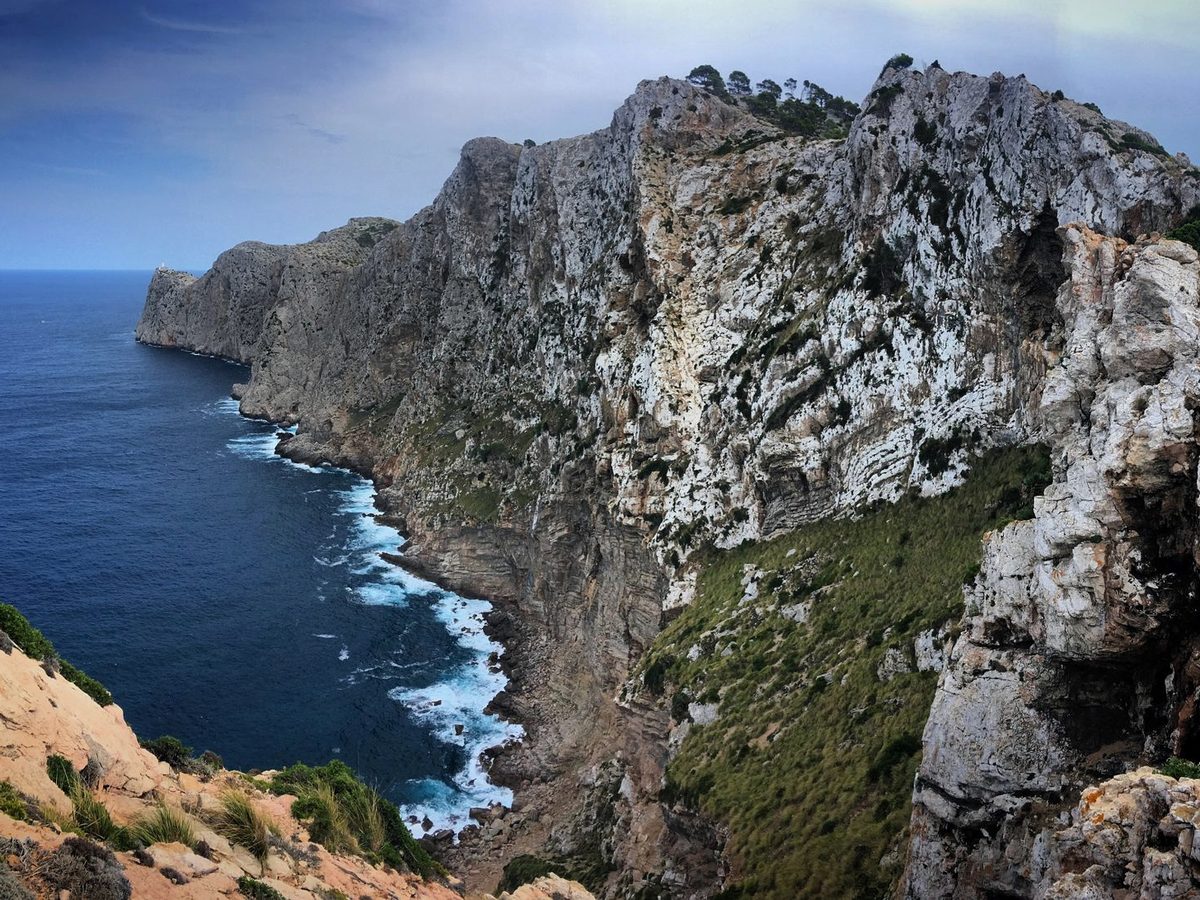
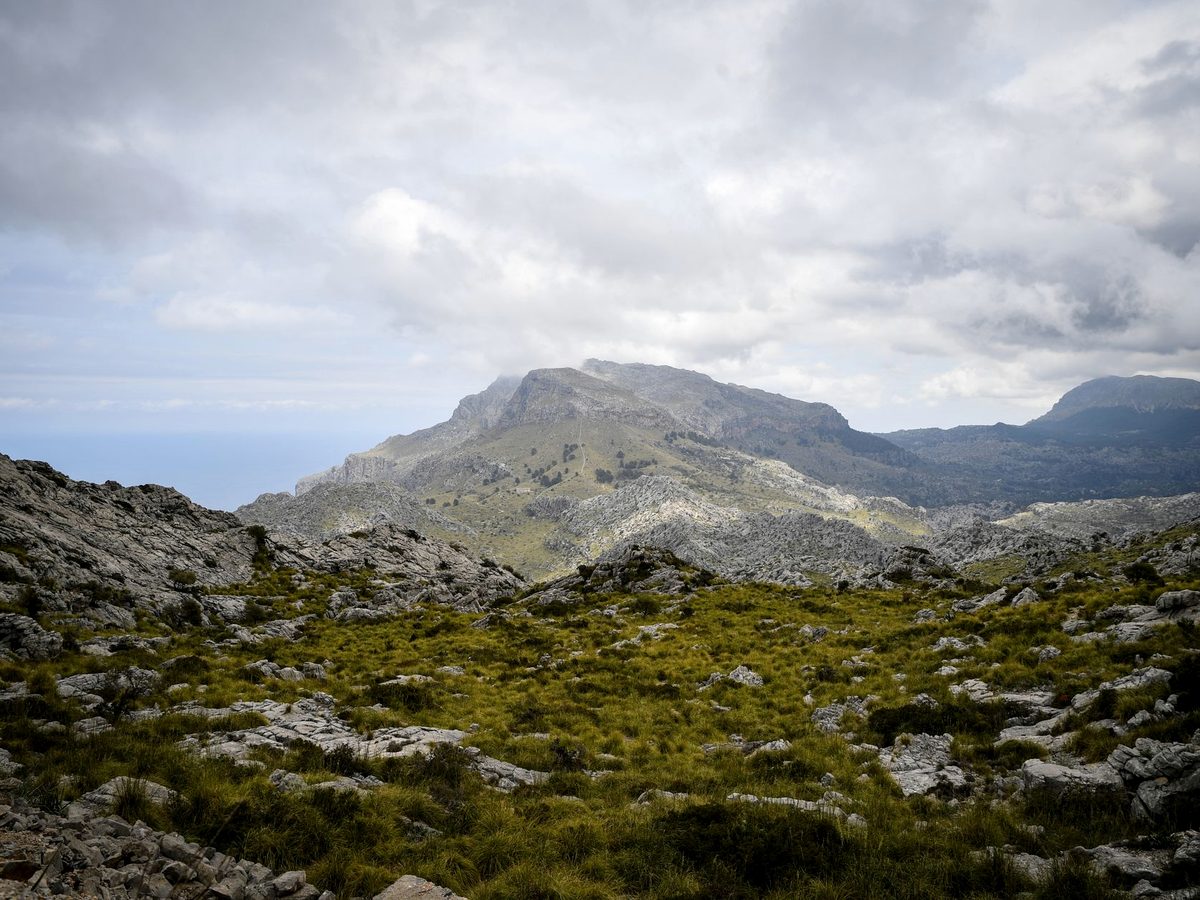
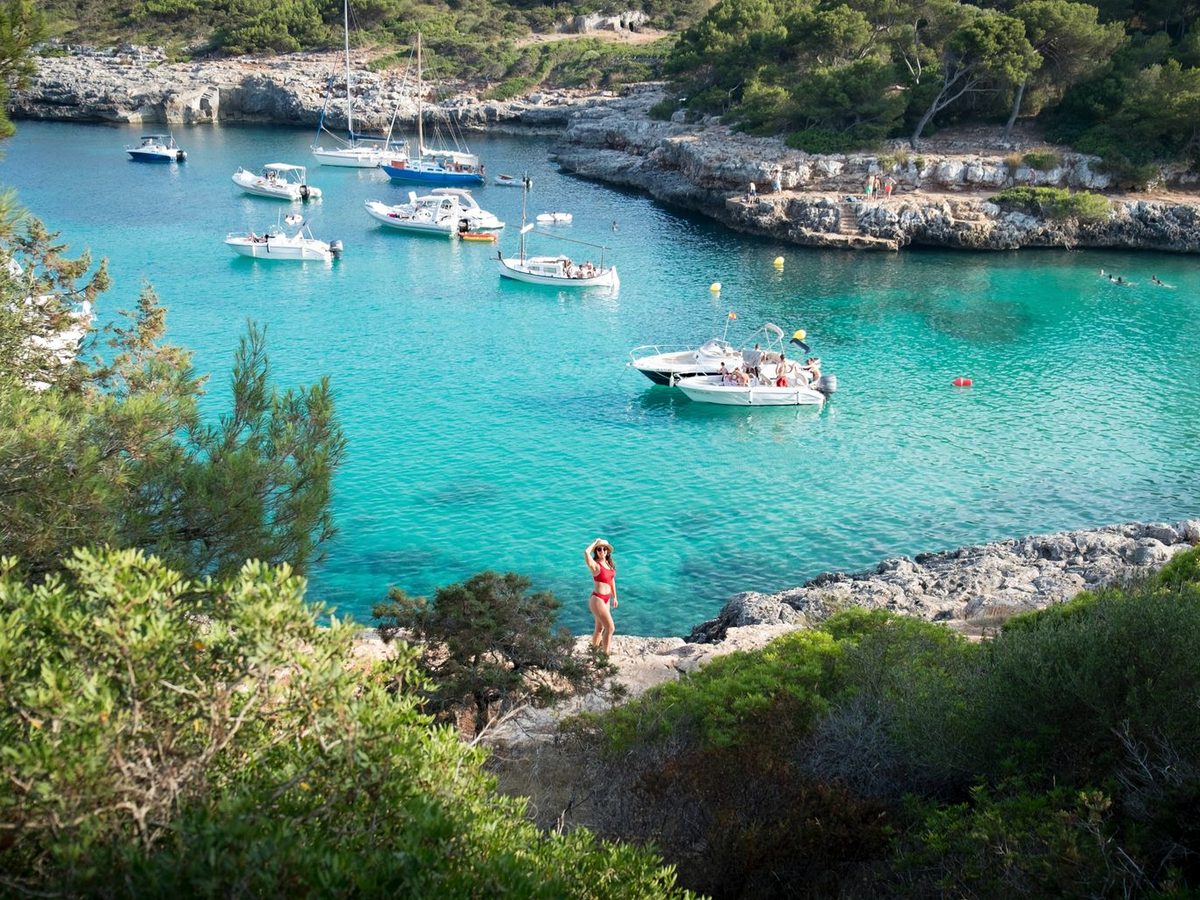
Eating out with children
Children are welcome more or less everywhere in Spain, and Mallorca's resort restaurants serve from early evening even though Spanish kitchens proper don't get going until half past eight. Highchairs, tronas in Spanish, are common in the resorts and patchier in village restaurants, so a folding clip-on seat is worth packing if you plan to eat away from the seafront. A menú infantil of pasta, chicken or hake with chips appears on most menus.
Some local food is easy for small children. The ensaimada, the island's spiral breakfast pastry, is made for little hands, pa amb oli is simply bread, olive oil and tomato, and the ice cream in Sóller comes in orange and lemon flavours grown in its own valley. Markets work well too, with fruit to point at, samples to try and somewhere for the buggy to roll.
Milk, nappies and pharmaciesSupplies and the first-day shop
Mallorca shops like mainland Spain. Mercadona, Eroski, Lidl and Carrefour cover the big shops, resort minimarkets handle the daily top-ups at a markup, and a first-day supermarket run takes the pressure off the rest of the week. Nappies are sold mainly as Dodot, the Spanish Pampers, with Huggies and own brands alongside, and sizes are labelled by weight in kilos. Formula is mostly powder: Almirón is the Spanish Aptamil, sold in pharmacies and Carrefour rather than Mercadona, with Nan, Blemil and Hero on the shelves too. The recipes aren't always identical to the UK versions even where the name matches, so bring enough of your own and treat local stock as the backup. Hero Baby covers jars and pouches.
Pharmacies, marked by the green cross, handle the small stuff. The children's paracetamol is Apiretal and the ibuprofen is Dalsy, both dosed by your child's weight, and out of hours there's always one duty pharmacy per area, listed in every pharmacy window. Bring any medicine your child relies on rather than counting on a like-for-like swap.
Getting around, a real week and the admin
Transfers and hire cars, what a week actually looks like, the health and document checks and a list to pack against.
Getting there and around
Palma airport is one of the busiest in Europe in summer, so expect long queues at peak Saturday changeover times. Build slack into the journey home in August. Transfers split the island: the south-west resorts are twenty to thirty-five minutes away, while the northern bays take about an hour by car or pre-booked transfer. There's also a cheap summer airport bus, the A32, running to Alcúdia, Playa de Muro and Can Picafort in about an hour, workable with a folding buggy and light luggage.
Spanish law requires children under 135 centimetres to use a proper child seat, and the in-town taxi exemption doesn't cover the run from the airport, so book the transfer with the right seat for your child's age, height and weight, or bring your own seat with you. Most airlines carry one free as child equipment.
A hire car isn't needed for a beach week, and in the northern bays everything from the supermarket to the beach is walkable. A car is most useful for the Tramuntana villages, the Formentor headland and the east-coast coves, with the caveats that mountain roads are narrow and winding and village parking is scarce in summer. The Sóller train covers the high mountain scenery without anyone having to drive it.
What a real week looks likeA realistic week with little ones
You land with most of the day left, so you can fit in a swim, an early dinner and a normal bedtime on arrival.
The bay in the morning while it's cool, lunch and a nap, then the promenade or the pool once the heat drops.
The Sóller train, Palma Aquarium or a two-hour bay boat trip all fit around a sleep. Save the caves and the mountain drives for older children.
A final swim and an unhurried pack before the flight home.
With young children, the bay, the pool, naps and one train or boat day will comfortably fill the week.
The practical adminHealth, documents and the boring bits
The admin is the standard Spanish set. Check the GOV.UK Spain advice before booking and travelling, make sure every passport, including the children's, was issued less than ten years before you arrive and has three months left after you leave. Carry a GHIC for each member of the family for state healthcare and travel insurance for everything the GHIC doesn't do, which includes private clinics and getting home.
The emergency number is 112. The everyday risks are the usual ones: strong summer sun, water that needs watching even where lifeguards sit, and overtired children at the end of long warm days. Palma's Son Espases is the island's main hospital with full children's facilities, the resorts have private clinics used to visitors, and the beach flag system shows each morning whether it's safe to swim.
Before you payBooking checklist
- Weigh the hour-long transfer to the northern bays against the shorter south-west run.
- Book the transfer with the right child seat, or plan to bring your own.
- Confirm the cot and the air conditioning with the hotel.
- Ask about a heated pool for an April, May or October trip.
- Pack a clip-on highchair seat if you'll eat beyond the resorts.
- Bring enough formula and any medicines your child relies on.
- Aim for June or September if you can travel outside school holidays.
- Allow extra airport time in peak summer weeks.
- Confirm the cancellation terms and your travel insurance.
- Recheck the GOV.UK Spain advice and every passport before you go.
Resort guides in Mallorca
We've researched these places to stay in Mallorca for families with young children. Each guide covers what it's like, who it suits and what to check before you book.
Questions, links and the last word
The things families ask most, the official pages worth a bookmark and when this guide was last refreshed.
Common parent questions
How short is the flight really?
About two hours and twenty minutes from London, a little more from northern airports. With a baby on your lap that's an hour or two less than the Canaries.
Where's best with a toddler?
The bay running from Puerto Alcúdia through Playa de Muro to Can Picafort has miles of white sand and shallow water, with flat promenades behind it. Puerto Pollensa offers the same calm water with a quieter, more grown-up feel.
Is Magaluf really off the list?
Not entirely, though the reputation lags behind the place. Most hotels are now four or five star and the daytime beach is wide and calm. What matters with small children is noise at night, and the strip still runs late, so most families book in Palmanova for sleep and walk over for Katmandu Park by day.
Can we go in February half term?
Not for a beach holiday. Mallorca in February is mild at around fifteen degrees, the sea is cold and most resort hotels and restaurants are shut. Palma works as a short city break then, but for winter warmth, go to the Canaries instead.
Are the Caves of Drach worth it with little ones?
It's a big underground lake with a boat and coloured lights. The format is the problem with a toddler. You spend an hour underground, then sit through a concert in the dark with silence expected, and most parents end up carrying a fidgeting child through it. School-age children get far more out of it.
Do we need a hire car?
Only if you plan to explore beyond the beach. Resorts are walkable and the Sóller train covers the headline mountain scenery without driving. A car is most useful for off-the-map days, a quiet cove, a hill village or a picnic at your own pace. Factor in a child seat by law and narrow mountain roads with a sleeping toddler in the back.
Which waterpark suits little ones best?
Go by size, not name. Pick the smallest park you can reach, because the big ones put their best rides behind height limits a small child won't reach. Hidropark in Alcúdia is the small one and the obvious choice from the northern bays. Check opening dates before you build a day around it, as Hidropark runs roughly April to October and the others through the warm months.
What about jellyfish?
Some summers bring mauve stingers to Balearic beaches and some don't. Lifeguarded beaches fly a warning flag when they're about, stings are painful rather than dangerous, and a quick look at the waterline before the children pile in is a sensible habit.
See more Mallorca photos
Open the Mallorca photo gallery →Useful links
- GOV.UK Spain travel advice: passport rules, entry requirements and health updates before you travel.
- Palma Aquarium: opening times and tickets before you promise the shark tunnel.
- The Sóller railway: timetables and fares for the vintage train and tram.
Last updated 11 June 2026.