Disneyland Paris with little ones
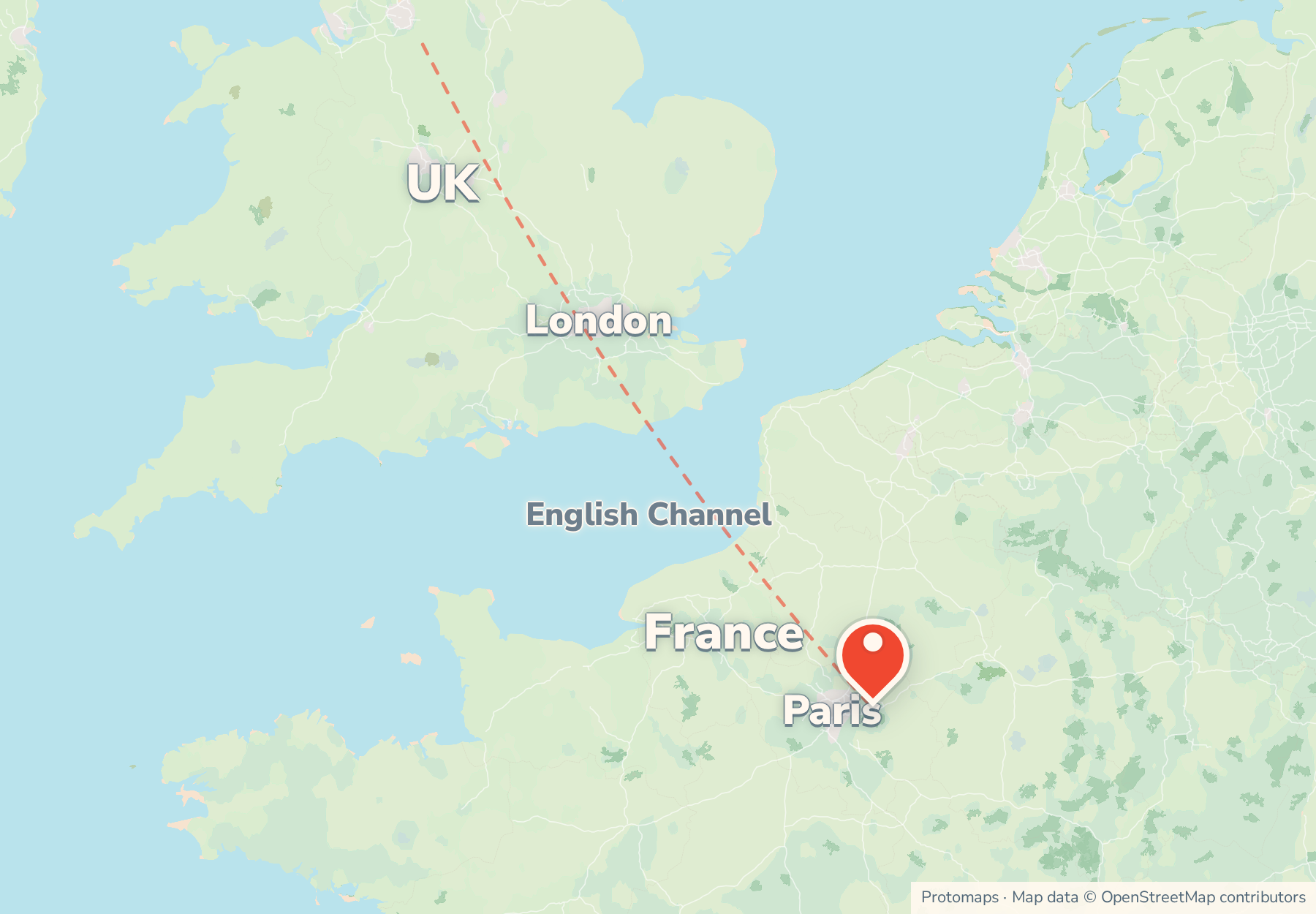
Disneyland Paris is Europe's only Disney resort, at Marne-la-Vallée in Seine-et-Marne, about 19 miles (30 km) east of central Paris. It's the Disney most UK families do first. Two theme parks, seven on-site hotels and a free dining and shopping village sit within a short walk, reached by train rather than a long-haul flight.
On this page
Is Disneyland Paris right for your family?
What the resort is, the scale to expect and who it suits, before the detail.
Disneyland Paris opened on 12 April 1992 at Marne-la-Vallée, and it remains Europe's only Disney resort. It's built around two theme parks sharing a single entrance esplanade, Disneyland Park and Disney Adventure World, with Disney Village, a free-entry dining and shopping district, running between them and the resort's own train station. Seven on-site Disney hotels sit around the parks, three of them on Lake Disney, and a separate partner eco-resort, Les Villages Nature Paris, is a short bus ride away. The whole resort is compact enough to cross on foot in about 20 minutes, noticeably smaller than Walt Disney World in Florida, where four theme parks are spread across a far larger property.
That compactness, together with the train journey from London, is why Disneyland Paris is usually the Disney a UK family does first. There's no long-haul flight and no jet lag to manage, just a train journey of a few hours that ends two minutes' walk from the gates. Families typically go when their children are somewhere between three and eight, when the castle, the parade and the characters mean the most to them, and most who visit both resorts describe Walt Disney World as the trip they do later, once the children are older and ready for a bigger, longer holiday.
Best for
A first Disney trip with young children, when a first sight of the castle and the parade lands hardest.
Maybe not for
Older children set on big thrill rides and a fortnight of parks. Walt Disney World has the greater scale and the extra parks for that stage.
Best ages
Roughly three to eight get the most from it. Younger toddlers do well too, especially with a midday break, and under-threes go into both parks free.
What stands out
Two parks and a free dining village all within a short walk of each other, and a train journey from London that skips the flight and the jet lag entirely.
What to check
In-park food and the paid queue-skip passes add a lot to the daily cost, well beyond the ticket price.
Where is it?
Marne-la-Vallée, Seine-et-Marne, about 19 miles (30 km) east of Paris, with its own train station at the resort gates.
Quick facts for UK families
The parks, the hotels and getting there
The two parks
What each park is built around, and which suits your family first.
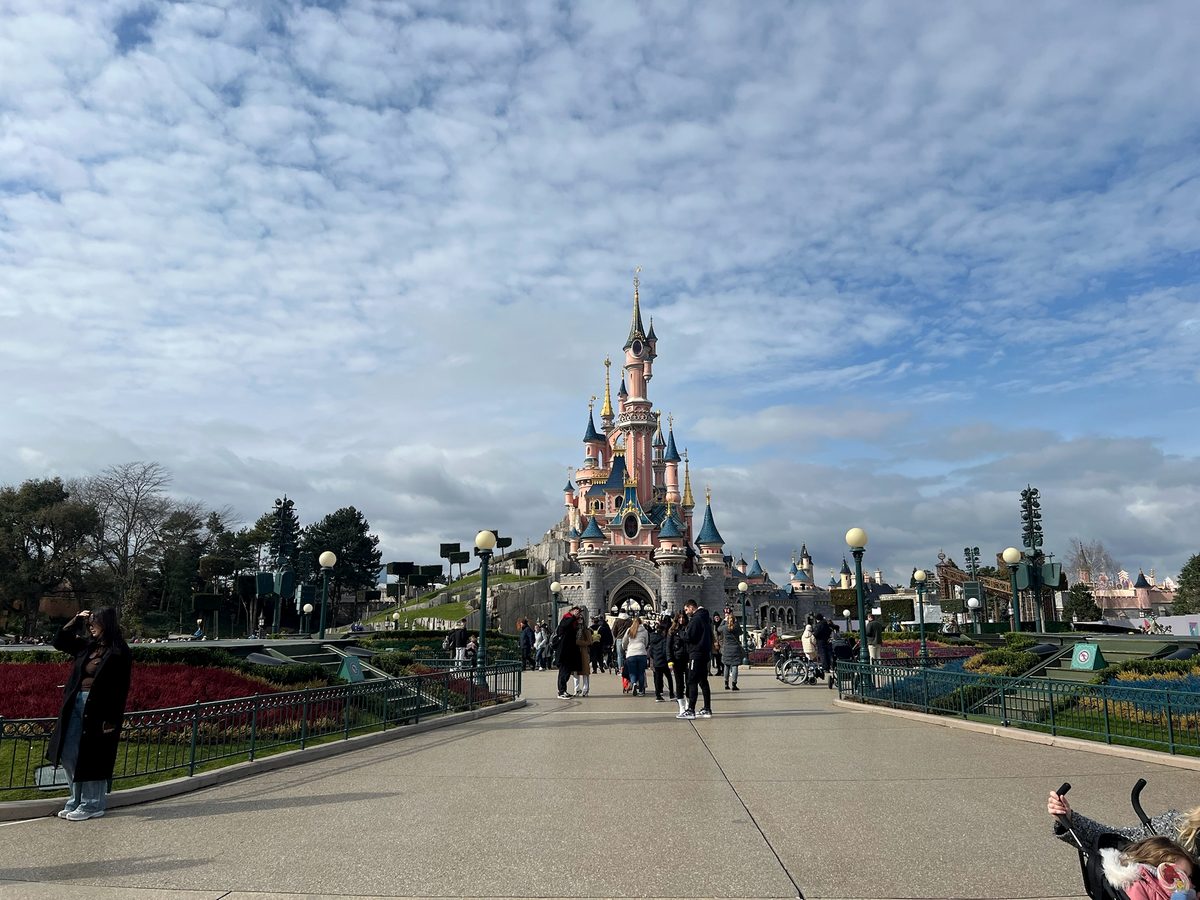
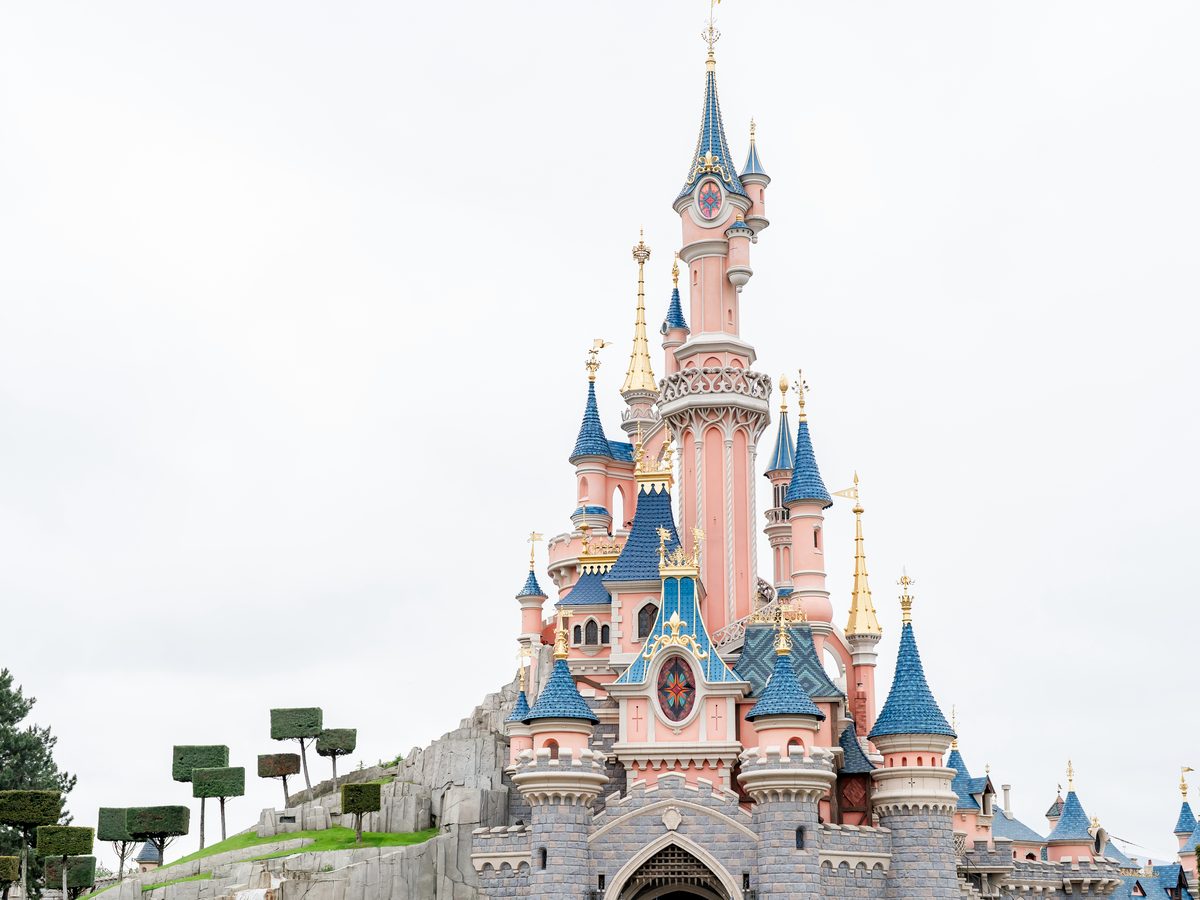
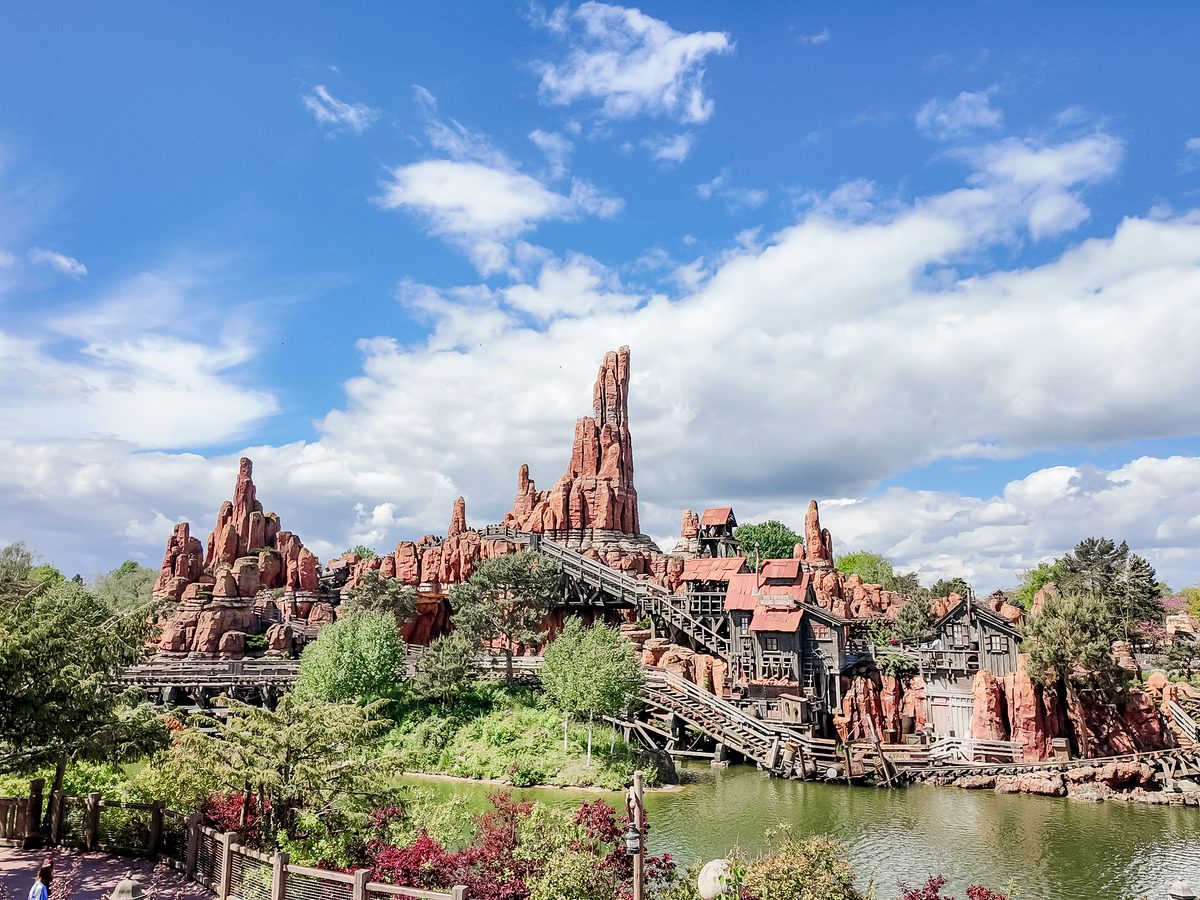
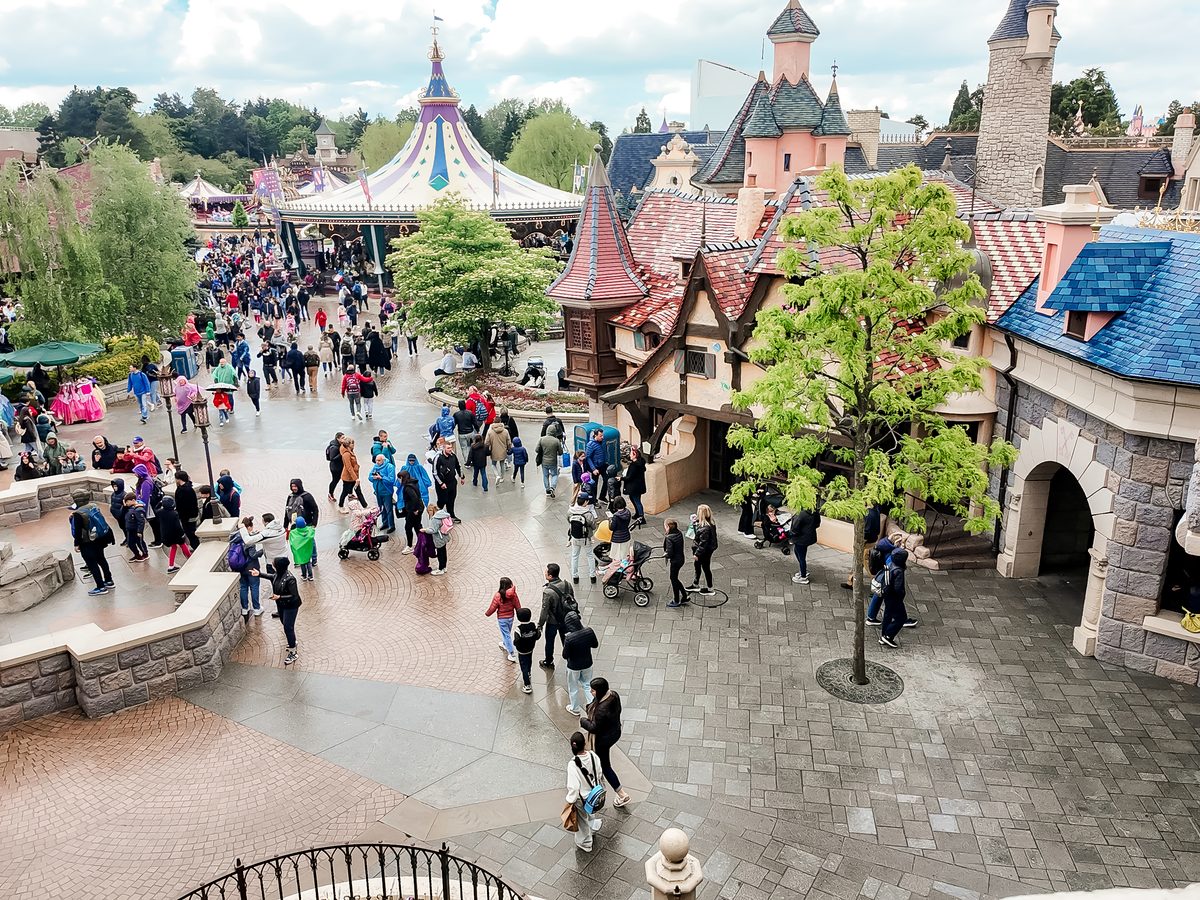
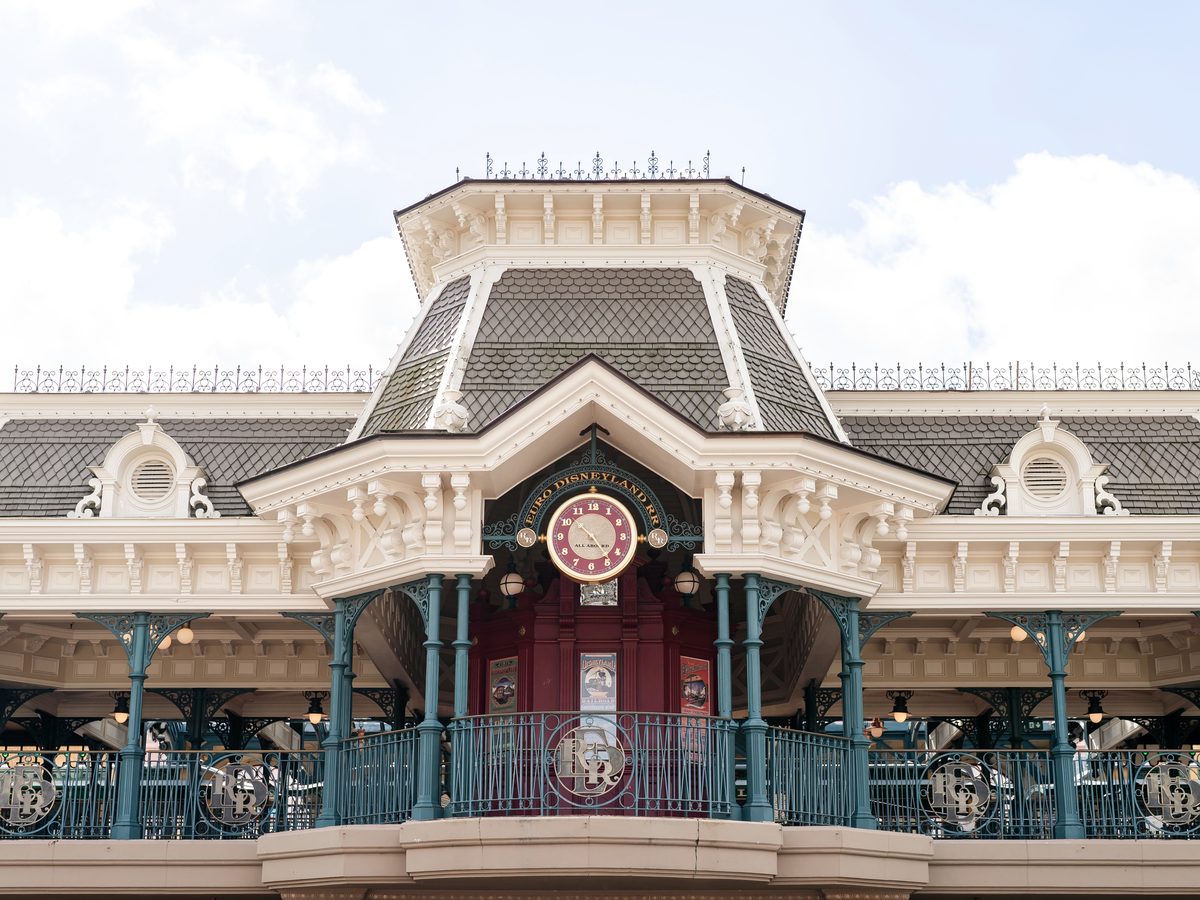
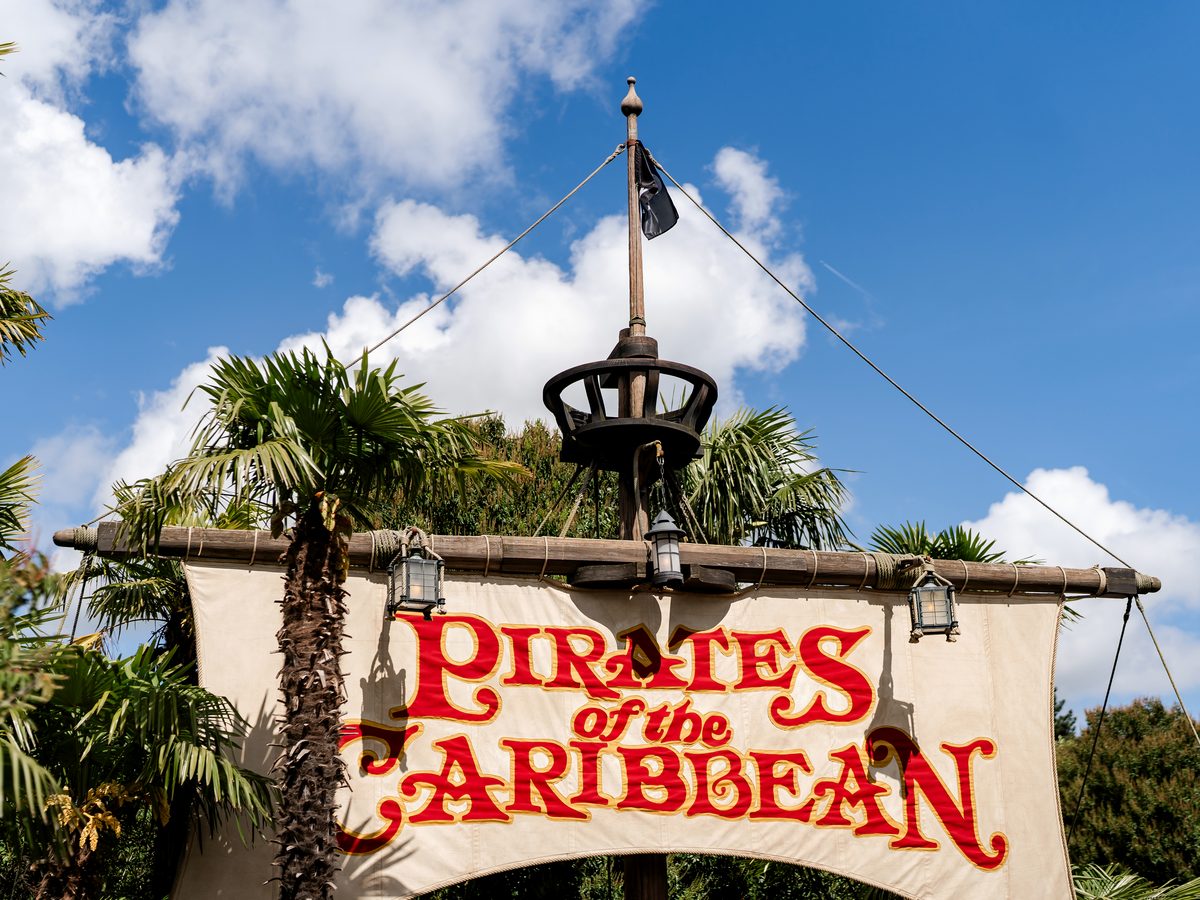
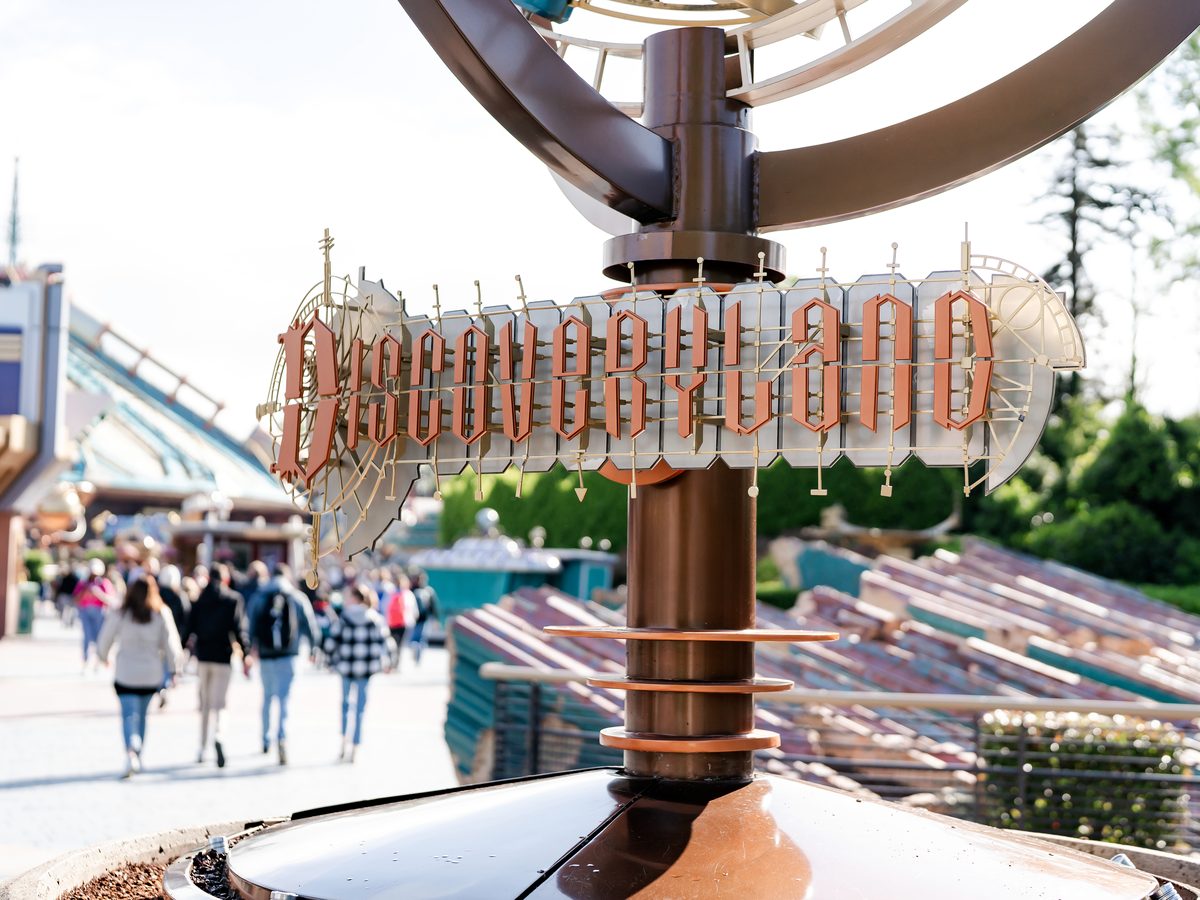
Disneyland Park is the original park and the castle at its centre, Sleeping Beauty Castle, is the resort's symbol. Its five lands, Main Street U.S.A., Frontierland, Adventureland, Fantasyland and Discoveryland, hold the highest concentration of rides with no height limit anywhere in the resort, concentrated in Fantasyland: Peter Pan's Flight, "it's a small world", Dumbo, the carousel and the storybook boat ride. Beyond Fantasyland, Adventureland has the Pirates of the Caribbean boat ride and Frontierland the spooky Phantom Manor and the Big Thunder Mountain mine train. This is also where the daily parade runs down Main Street and the nightly show lights up the castle. For most families with young children, this is the park to visit first.
Disney Adventure World is the resort's second park, renamed from Walt Disney Studios Park on 29 March 2026 as part of a €2 billion transformation. Its five zones cover World Premiere Plaza, Worlds of Pixar, Marvel Avengers Campus, Adventure Way and the new World of Frozen, and it now runs to a full day out rather than the half-day the old park offered. It suits families whose children know Frozen, Marvel or Pixar, and older children after the bigger thrill rides, with a Lion King-themed land still to come.
A two-day, two-park ticket lets you move between both parks freely and covers one relaxed day at each, the pattern most UK families book. A third day is worth it for younger children, for the reasons set out under when to go below.
Seasons and shows, all on one ticket
The parades, the nightly castle show and the Halloween and Christmas overlays come with standard park entry.
There are character meets in both parks every day, and a daytime parade down Main Street in Disneyland Park, and after dark a projection show and fireworks light up Sleeping Beauty Castle in Disneyland Park. Character meets are easier to fit in here than at the bigger American parks, with several set spots rather than one long queue, so a methodical family can manage a good few in a day. The castle show gets loud, so ear defenders are worth packing for a noise-sensitive child.
Two seasonal overlays matter most to families, and both come with standard admission rather than the separate evening-party ticket Walt Disney World charges for. The Halloween Festival runs from late September to 1 November, with a colourful daytime cavalcade, decorations across Disneyland Park and villain meets that are easy to skip if a young child finds them too much. Disney Enchanted Christmas follows, from early November to early January, with an illuminated parade, a tall Main Street tree and regular simulated snowfall.
There are shorter runs through summer too, a Star Wars season in May and character events built around Stitch and the Disney princesses, again with nothing more to pay. These weeks are also among the busiest and most expensive of the year, so for the seasonal atmosphere without the crowds, early October suits Halloween and mid-November suits Christmas, and the month-by-month picture is under when to go below. The Disneyland Park page and the official seasonal calendar carry the current year's dates and full line-up.
Where to stay
The tiers, which hotels you can walk to the parks from and why an on-site stay gets you an early start.
The seven on-site Disney hotels run from a five-star flagship built directly over the park entrance to two budget hotels themed on Toy Story and Cars, with three four- and three-star hotels around Lake Disney in between. Disneyland Hotel sits astride the Disneyland Park entrance arch, so there's no walk at all. Newport Bay Club, Hotel New York and Sequoia Lodge ring Lake Disney and are reachable on foot in around 10 to 15 minutes, with a free shuttle as an alternative. Hotel Cheyenne and Hotel Santa Fe are further out, an 18 to 22-minute walk or a dedicated shuttle. Davy Crockett Ranch, a woodland cabin resort for driving families, isn't walkable and has no shuttle at all. Les Villages Nature Paris, an eco resort operated jointly with Pierre & Vacances, sits apart from the Disney hotel cluster and is reached by a paid public bus rather than a free Disney shuttle.
The reason to book any of the seven Disney hotels is Extra Magic Time. It lets guests into one or both parks before general opening, currently from around 8:30am, an hour before a typical 9:30am opening, though the park and the times can vary by day. For families with young children, that hour in a near-empty Fantasyland is often the single most useful thing an on-site stay gets you. Hotel packages also follow a nights-plus-one formula, so two hotel nights include three park-entry days.
Disneyland Hotel
Built over the park entrance arch, so guests walk from their room to the turnstiles.
4-starHotel New York – The Art of Marvel
Beside Lake Disney, about a 10-minute walk through Disney Village.
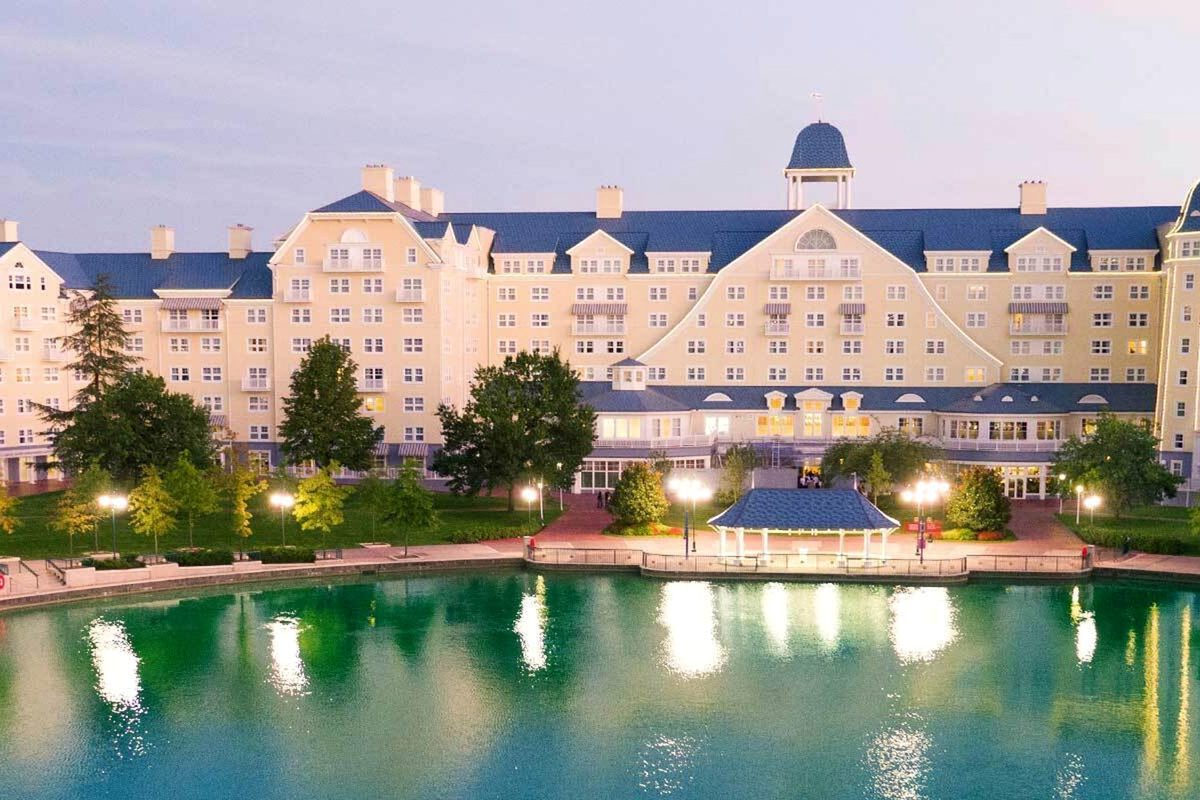
4-star, the largestNewport Bay Club
The resort’s largest hotel, on Lake Disney, about 15 minutes on foot.
3-starSequoia Lodge
On Lake Disney a little further round, about a 15-minute walk with a lakeside path most of the way.
Budget, 2 to 3-starHotel Cheyenne
Toy Story and Western-village theming south of Disney Village, an 18 to 20-minute walk or a shuttle.
Budget, 2 to 3-starHotel Santa Fe
The cheapest way to stay on-site, Cars themed, an 18 to 22-minute walk or shuttle.
Self-catering cabinsDavy Crockett Ranch
Woodland cabins for driving families. Not walkable to the parks, and there’s no shuttle.
Partner eco-resortLes Villages Nature Paris
A separate eco resort with its own water park, reached by a paid bus rather than a Disney shuttle.
Map of the resort
The resort core at Marne-la-Vallée: the two parks, Disney Village and the train station, with the on-site hotels grouped around Lake Disney and the park gates.
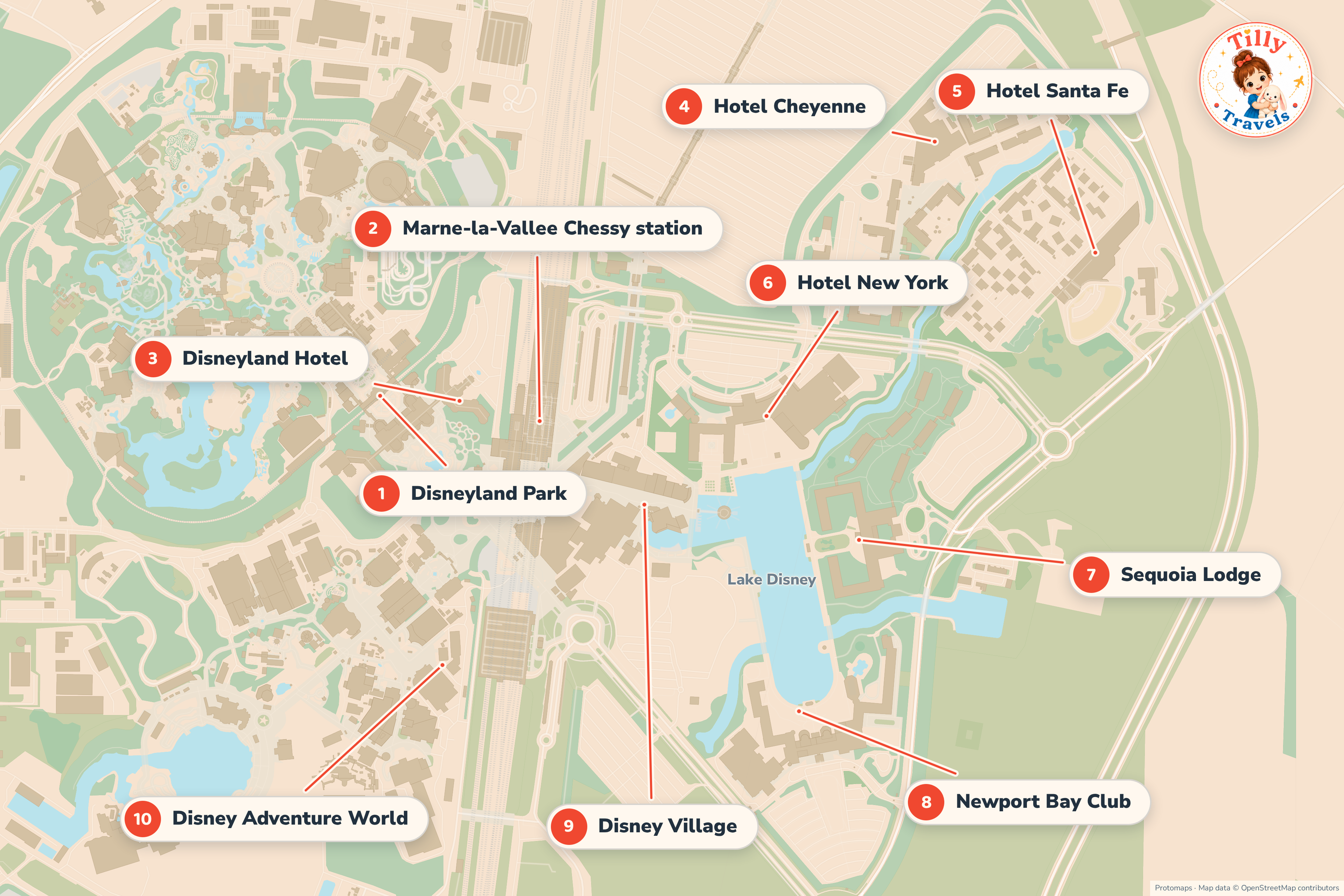
- 1Disneyland Park The original park, with the castle and the classic lands.
- 2Marne-la-Vallée–Chessy station The TGV and RER station at the resort gates.
- 3Disneyland Hotel The flagship, built over the Disneyland Park entrance.
- 4Hotel Cheyenne A budget hotel with Wild West and Toy Story theming.
- 5Hotel Santa Fe The most affordable on-site hotel, themed on Cars.
- 6Hotel New York – The Art of Marvel A 4-star hotel on Lake Disney.
- 7Sequoia Lodge A 3-star lodge-style hotel on Lake Disney.
- 8Newport Bay Club The resort's largest hotel, on Lake Disney.
- 9Disney Village The free-entry dining and shopping district.
- 10Disney Adventure World The second park, reopened in 2026.
Getting there from the UK
The three ways UK families reach Disneyland Paris, and which suits your journey.
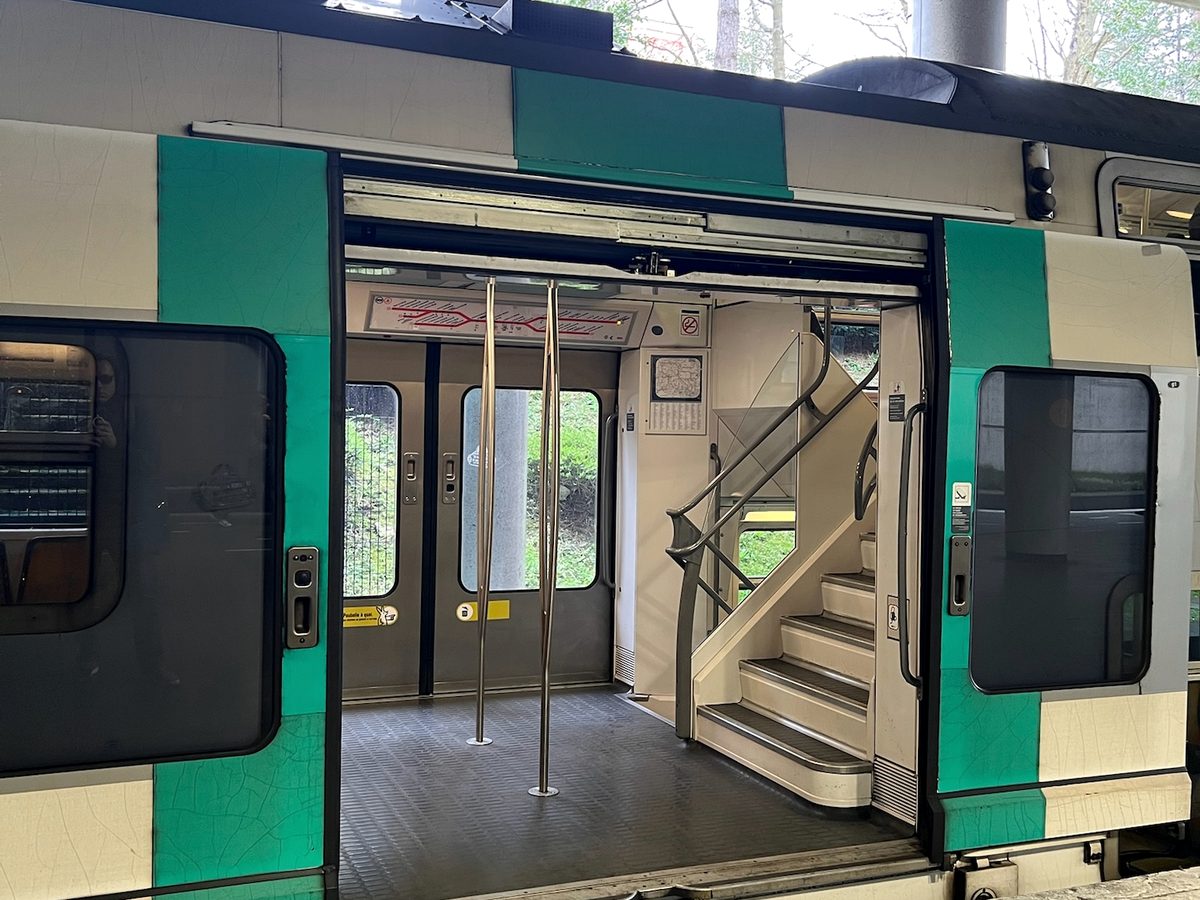
Most UK families travel by train. The old direct Eurostar from London St Pancras stopped running in 2023, so the journey now runs in two legs: Eurostar to Lille, then a TGV or OUIGO connection on to Marne-la-Vallée-Chessy, the station at the resort's gates. The fastest published journey time is under three hours, and door-to-gate from a south-east England home runs to around four to four and a half hours once check-in and the Lille connection are added. Under-fours travel free on Eurostar, seated on a parent's lap, and there's no liquid restriction, which matters for families carrying formula or baby food.
Driving works well for families who want their own car and a full boot: LeShuttle crosses the Channel in around 35 minutes, and the drive on from Calais to the resort is about three and a half hours. French law requires children under ten to travel in an approved child seat, so this is worth checking before you go if you're hiring a car in France rather than bringing your own. Flying to Paris Charles de Gaulle is the practical choice for families outside the south-east, particularly the Midlands, the north of England and Scotland, with a fast TGV connection from the airport's own station or the official Magical Shuttle coach on to the resort.
The full detail on each route covers booking, luggage, pushchairs and the practical trade-offs between them.
Tickets and passes
How Disneyland Paris prices its tickets, what's included and the early-entry perk that matters most for young children.
Disneyland Paris sells dated tickets, locked to a specific day and cheaper as a result, and undated tickets that stay valid for a year but still need a visit date registered in advance. Both come in one-park and two-park versions, and multi-day tickets run up to four days, all covering both parks. Pricing is date-based rather than fixed, with quiet term-time dates in January, early February, September and November consistently cheaper than school-holiday weeks, peak summer and Christmas. Children under three go in free, ages three to eleven pay a child rate and twelve and over is the full adult price, a rule that regularly catches UK families out.
A standard ticket covers park entry, the attractions, the shows and the daytime parade. It doesn't cover Premier Access (the paid queue-skip system), parking for day visitors or Extra Magic Time, the early-entry perk reserved for guests at any of the seven on-site Disney hotels and Gold Annual Pass holders. Premier Access comes as a per-ride pass or an all-day Ultimate pass, and it's generally less worth it for families whose youngest child can't reach most of the height-restricted rides it covers. A selective per-ride purchase, or the free Baby Switch service for a child too small to ride, usually serves young families better than the all-day pass.
The full tickets and passes guide covers every ticket type, the annual pass tiers and how to book from the UK.
Practical facts
The everyday facts to know before you travel.
The basics
Weather and when to go
Disneyland Paris shares Paris's climate: cool winters, warm but not hot summers and rain spread fairly evenly across the year, with no dry season to plan around. The table below is a month-by-month guide to what to expect and what it means with young children.
| Month | Daytime high | Overnight low | Rain | Wet days |
|---|---|---|---|---|
| January | 8° | 2.5° | 47 mm | 10 |
| February | 10° | 3° | 42 mm | 9 |
| March | 13° | 4.5° | 37 mm | 9 |
| April | 16.5° | 6.5° | 39 mm | 7 |
| May | 20° | 10.5° | 64 mm | 9 |
| June | 23.5° | 13.5° | 50 mm | 8 |
| July | 26° | 15.5° | 54 mm | 7 |
| August | 25.5° | 15.5° | 50 mm | 7 |
| September | 22° | 12.5° | 41 mm | 7 |
| October | 17° | 9.5° | 50 mm | 9 |
| November | 11.5° | 5.5° | 49 mm | 10 |
| December | 7.5° | 3° | 59 mm | 11 |
Typical monthly averages from weather-station records.
The clearest crowd signal is the resort's own date-based ticket pricing, and it lines up with the school calendar. Mid-January to mid-February weekdays are the quietest and cheapest stretch of the year, at the cost of cold weather and shorter park hours. Early September, once both French and English schools are back, gives the best balance of decent weather and manageable queues. July, August, Easter, late October's half-term and Christmas week are the busiest and most expensive periods, because UK and French school holidays overlap.
Two full days covers both parks at a comfortable pace, one park a day. Three days is the recommendation for families with young children, because the extra day is what makes a proper midday break possible without losing an entire park session.
Doing the parks with a baby or toddler
The facilities and free services that make a park day with little ones easier.
Both parks have a Baby Care Centre, a proper air-conditioned room rather than a corner of the toilets, with changing tables, bottle warmers, a microwave, high chairs and quiet seating for feeding. Disneyland Park's is on Main Street, U.S.A. and Disney Adventure World's is just inside the entrance, and plenty of families use them as a midday reset as much as for a nappy change. Most park toilets have baby-changing too.
You can hire a single-seat pushchair inside the parks, but most families are better bringing their own, since a hired one won't recline for a nap or go back to the hotel overnight. Any pushchair, hired or your own, has to fit within roughly 92 cm wide by 132 cm long, so measure a double buggy against that before you travel. Pushchair parking outside the rides is free but nobody watches it, so pack a name tag and keep anything valuable with you rather than in the basket.
The free official app, DLP Play, is worth setting up before you travel. It shows live queue times, the day's parade and show times, a map with the toilets and Baby Care Centres marked, mobile food ordering at some counters and the virtual queue you need for the Anna and Elsa meet in World of Frozen. Two free services help around the height limits. Baby Switch lets one parent queue and ride while the other waits with a child who's too small, then swap without queuing again, and a handful of rides have a faster single-rider line. For the paid queue-skip passes and the early-entry hour, see the tickets and passes guide.
For a child who can't manage a standard queue, including for sensory reasons, the resort's Priority Pass gives an alternative queue and reserved show viewing, arranged at Town Hall in Disneyland Park or Guest Services in Disney Adventure World. Manual wheelchairs can be hired at both park entrances, though there are no powered scooters to rent on-site. Smoking is meant to be limited to marked areas, but reviewers regularly report it elsewhere in both parks, worth knowing if anyone in the family is sensitive to it.
Disney Village
The dining and shopping district between the two park gates and the resort's station.
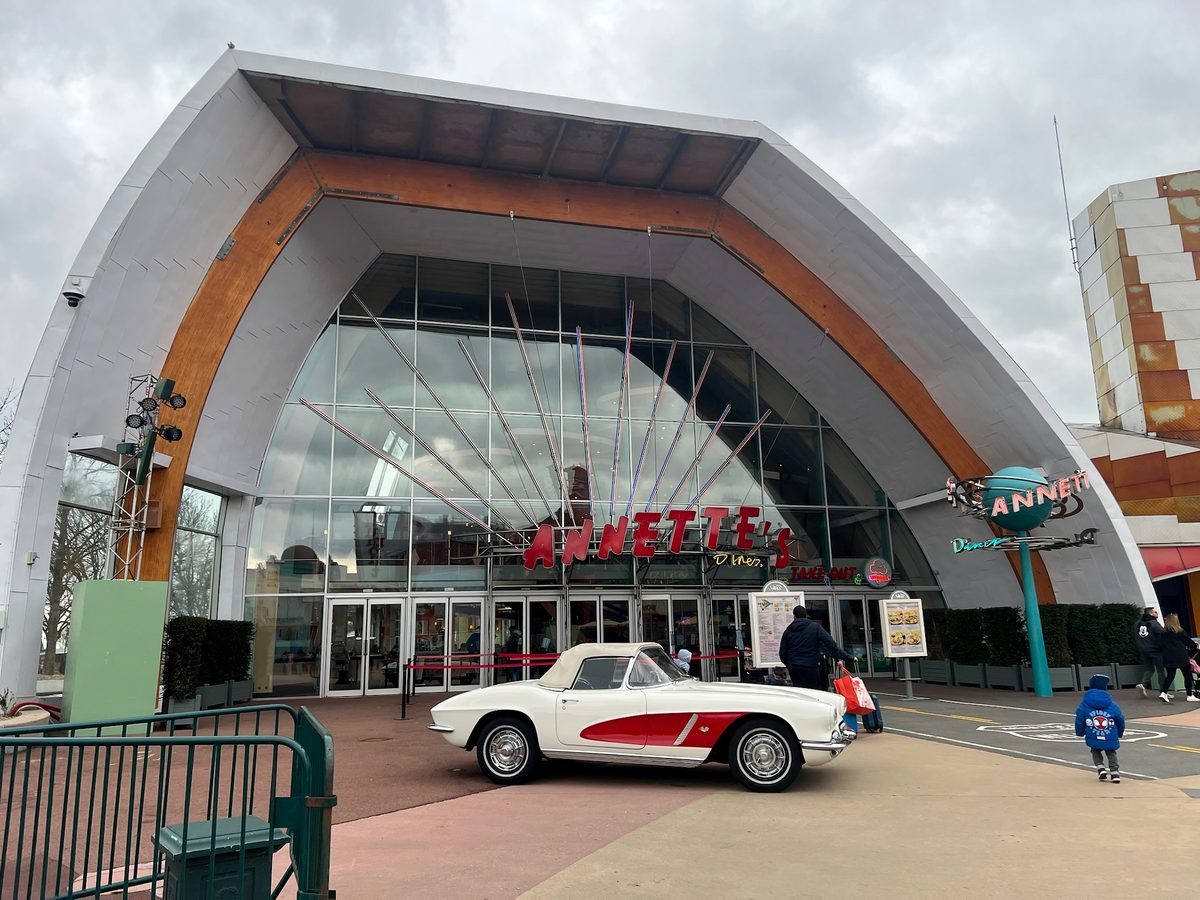
Disney Village is the free-entry district that sits between the two park gates and the resort's train station, no park ticket needed to walk through it. It opened alongside the resort in 1992 and is partway through a multi-year redevelopment, replacing its original industrial look with warmer materials, new restaurants and a growing lakeside promenade. It covers table-service and quick-service dining, shops, a cinema and the PanoraMagique tethered balloon, and it's open later than the parks, useful for an arrival evening or a meal after the gates close.
One train stop from moreBeyond the parks
Beyond the resort itself, Val d'Europe is one stop away on the RER A train, five to ten minutes. It's a shopping centre built around a large Auchan hypermarket and a Lidl, useful for stocking up on essentials at supermarket rather than park prices. Central Paris is also reachable by train, about 35 minutes from the resort's own station to Châtelet in the centre, making a day trip into the city realistic for a longer stay.
The full guide to the area beyond the parks covers Val d'Europe and day trips to Paris in more detail.
Questions
A few things families ask before booking, plus useful official links and when this guide was last checked.
Do we need a car at Disneyland Paris?
No. The two parks, the hotels and Disney Village are all within walking distance of each other, and free shuttle buses cover the longer hotel-to-park routes. A car is only worth having if you want to drive to Val d’Europe or into Paris under your own steam rather than by train, and hotel guests get free parking if they do bring one.
Is Disneyland Paris open all year?
Yes. Both parks run every day of the year. Winter days are colder and the parks close earlier; summer brings the longest hours, and that cold winter stretch is also the quietest and cheapest time to go.
How far ahead should we book tickets?
Tickets go on sale to roughly 18 months ahead on the official site, and standalone day tickets rarely sell out, so there’s no rush on those. It’s the on-site hotel rooms that go early, especially for school holidays and Christmas, so if you’re set on a particular hotel or a peak week, book the stay as far ahead as you can. The park tickets themselves you can sort nearer the time.
Can we do Disneyland Paris as a day trip from London?
It’s physically possible on the train, but it’s not the easiest day with young children. You arrive tired from the early start, the day is compressed and you’ll likely leave before the evening show. Most UK families with little ones book at least one night on-site instead.
Should we do Disneyland Paris or Walt Disney World first?
There’s no strict rule, and it comes down to stamina more than age. Walt Disney World is four parks across a week or more in Florida, with a long-haul flight and the heat on top, which asks a lot of a small child and of the adults with them. It suits children old enough to keep going all day and remember it afterwards, usually the older end of primary school. Disneyland Paris fits younger children first, doing the castle, the characters and the parade in a two or three-day trip a train ride from home.
Do babies and toddlers need a ticket?
Under-threes need no park ticket at all, so a baby or young toddler adds nothing to the entry cost. The child rate only starts at three. The journey is much the same: under-fours travel free on Eurostar on a parent’s lap.
See more Disneyland Paris photos
The parks and the hotels we've reviewed all live in the gallery, so this guide can stay focused on the overview.
Open the Disneyland Paris photo gallery →Useful links
- Disneyland Paris: the official site for tickets, hotels, opening hours and the seasonal calendar.
- GOV.UK France travel advice: entry rules and safety updates before you travel.
- Disney Newport Bay Club: our full guide to the resort's largest hotel.
Last updated 7 July 2026.