Fuerteventura with little ones
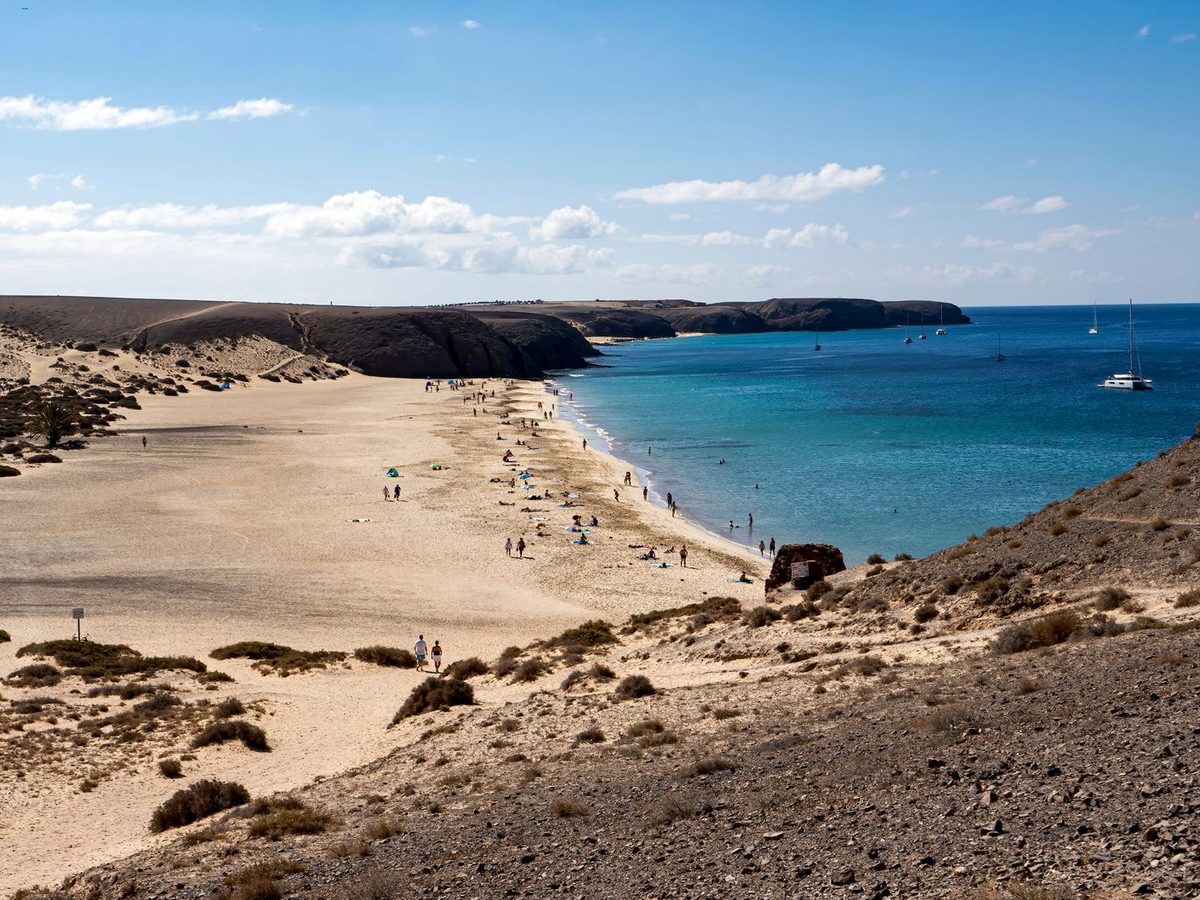
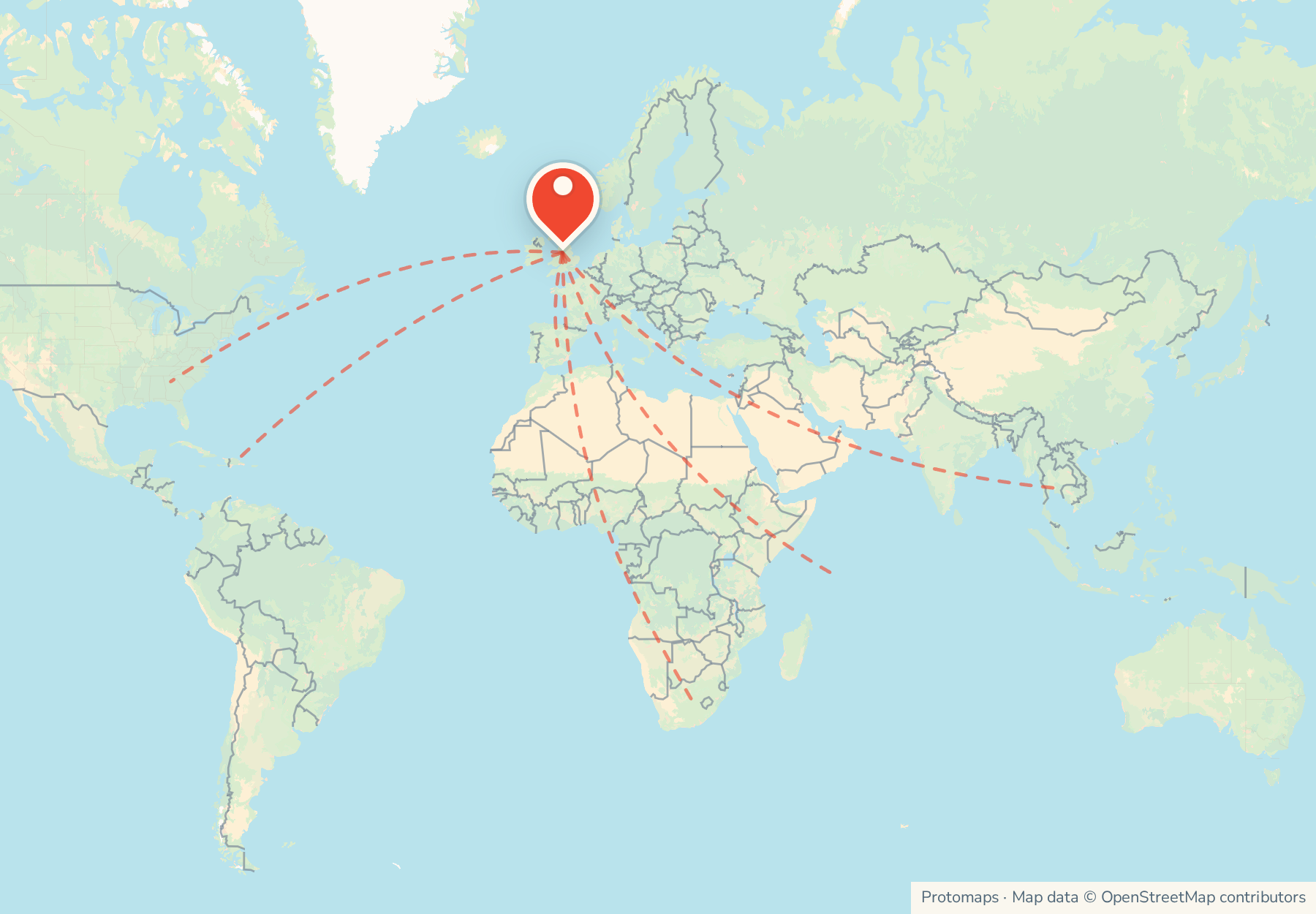
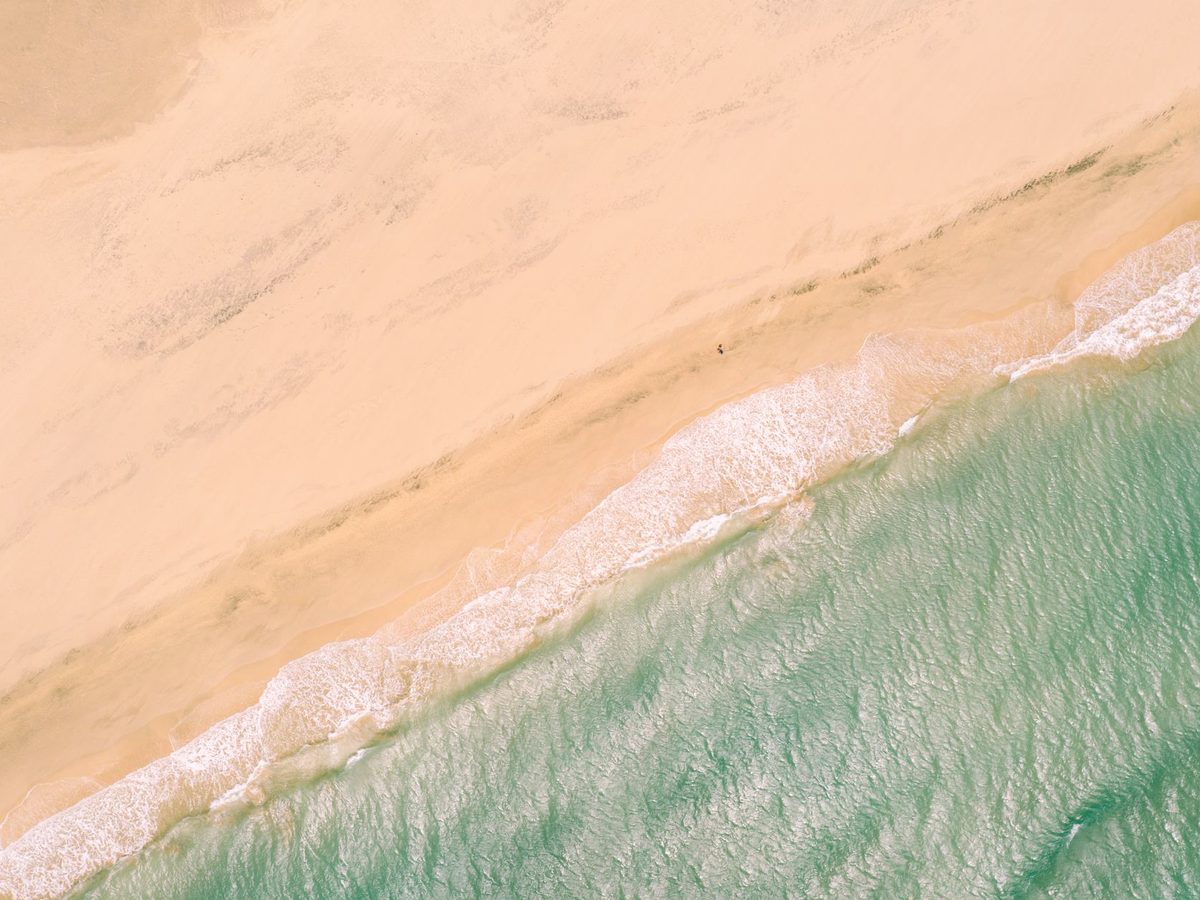
Fuerteventura is the second biggest Canary and the one built of sand, with the longest stretches of natural golden shore in the islands, on a quieter island than Tenerife or Gran Canaria. It shares the Canary family advantages, about four and a quarter hours' flying and the same time as the UK, and it adds one planning rule of its own. The wind blows most days, so you swim where it's sheltered and time the open beaches for the morning.
On this page
A family verdict at a glance
The quick read before the detail: who Fuerteventura suits, the season to aim for and what to nail down before you book.
Best for
More natural golden sand than any other Canary, reef-sheltered lagoons shallow enough for paddling and space on the beaches even in peak weeks.
Maybe not for
Anyone who hates wind or wants a long list of paid attractions. It's breezy most days and the entertainment is mostly the coast itself.
Best ages
Babies and toddlers do well year round; September to November is the warmest, calmest stretch.
Best areas
Caleta de Fuste for the shortest transfer, Corralejo for a real town and the boats, El Cotillo for the lagoons.
Why families pick it
Warm winters, the lagoons, a free dune field and ferry days to Lobos and Lanzarote.
Check before you book
The transfer, which runs from ten minutes to an hour and a half on this long island, plus a heated pool in winter and a sheltered beach within reach.
The sand and the wind
Fuerteventura has more golden sand than any other Canary, which is why the tourist board calls it the beach of the Canaries. The island is also old, low and flat, so the north-east trade wind sweeps across it largely unobstructed, hardest from June to August and building through each afternoon. A common story says the island's name means strong wind. It doesn't, but the wind is the thing you plan around.
Neither matters much if you plan around them: open beaches in the morning, sheltered spots after lunch. Rain barely features, since this is the driest of the big Canaries.
A quick gut checkIs Fuerteventura right for your family?
Worth comparing if
You want huge, uncrowded sand, natural lagoon paddling for a toddler and a low-key island where the days are mostly spent on the beach.
Weigh it up if
You want waterparks and shows on tap, an island that works without thinking about wind, or a short transfer to the far south.
To sort out before booking
The transfer length for your resort, a heated pool in winter, the cot, the air conditioning and a child seat for the journey.
The numbers, the basics and the ages
Everything you'd want to skim first: the quick facts, the everyday practicalities and how Fuerteventura changes as children grow.
Quick facts for UK families
Money, plugs, language and the basics
- Fuerteventura is the oldest Canary and one of the flattest, with the whole island and its sea a UNESCO Biosphere Reserve.
- The currency is the euro and cards are accepted almost everywhere, though the buses prefer cash.
- Sockets are the round two-pin European type, so UK plugs need an adapter. The voltage matches the UK.
- The language is Spanish. English is spoken throughout the resorts.
- The clocks match the UK all year, including the change dates.
- Tap water is desalinated and officially safe, but it tastes flat and everyone drinks bottled. For feeds, use bottled water labelled "mineralización débil" and boil it as at home.
- Your GHIC card covers state healthcare here, and 112 is the emergency number.
- The Canaries sit outside the EU VAT area, with a local 7 per cent rate, so the supermarket shop runs a little cheaper than mainland Spain.
Fuerteventura by age and stage
Babies
No jet lag, winter warmth and a short transfer if you pick Caleta de Fuste. A carrier is the kit that matters, for the dunes and Lobos.
Toddlers
The El Cotillo lagoons at mid tide, the sheltered town coves at Corralejo and shallow paddling on calm mornings.
Preschoolers
Old enough for the Lobos boat, the whale skeleton at the salt museum and Oasis Wildlife's giraffes.
Young children
The waterpark, the bigger boat days and the black-sand caves at Ajuy come into range as legs and patience grow.
Where to base yourselves
The resort areas side by side, an orientation map of the island and what the beaches are really like once the wind gets up.
Where to stay with young children
The island is 62 miles (100 km) long with the airport in the top third, so the transfer belongs in the decision. Caleta de Fuste, ten minutes from the plane, is the convenience pick: a purpose-built resort around a man-made horseshoe bay, sheltered by its harbour wall. It's the easiest resort for a buggy, flat walkways end to end, and the trade-off is character, of which it has little. The bay is as calm as any on the island.
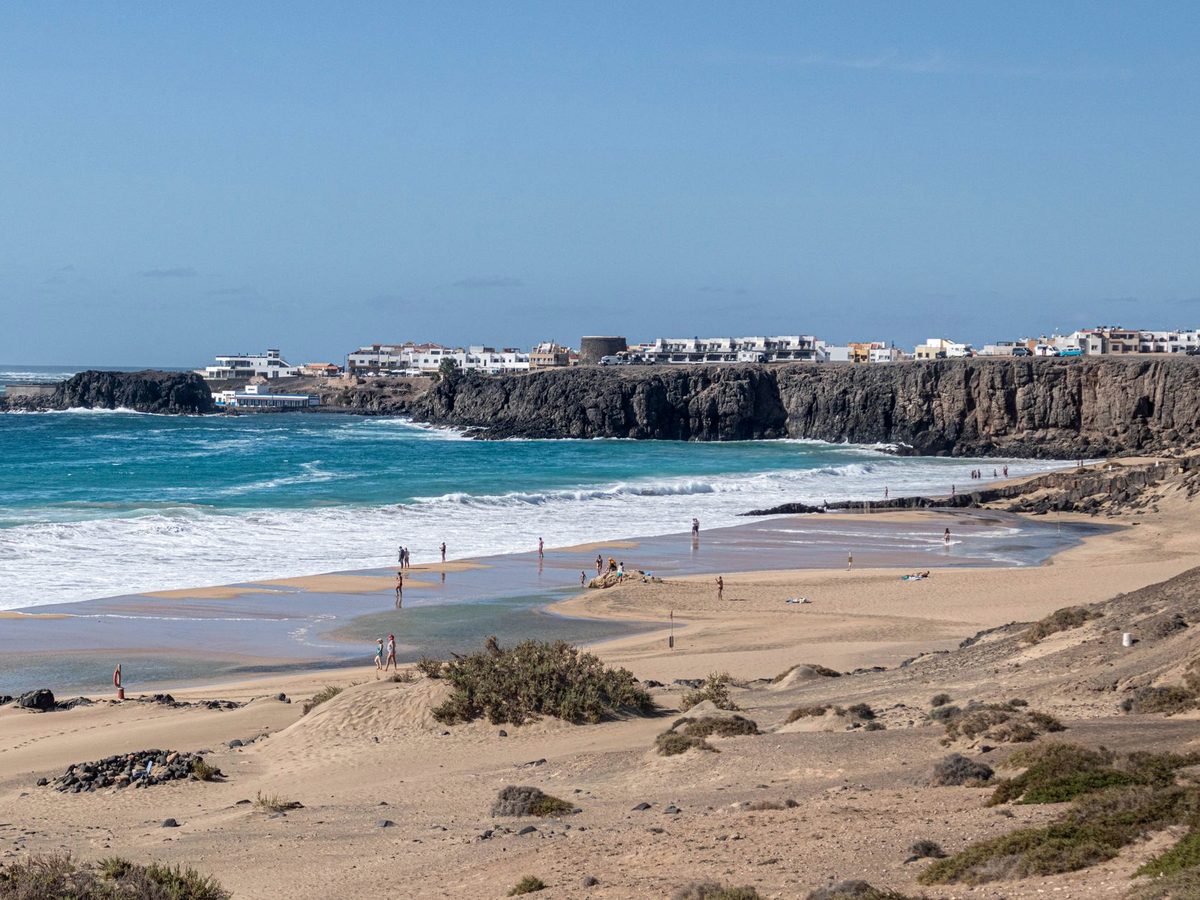
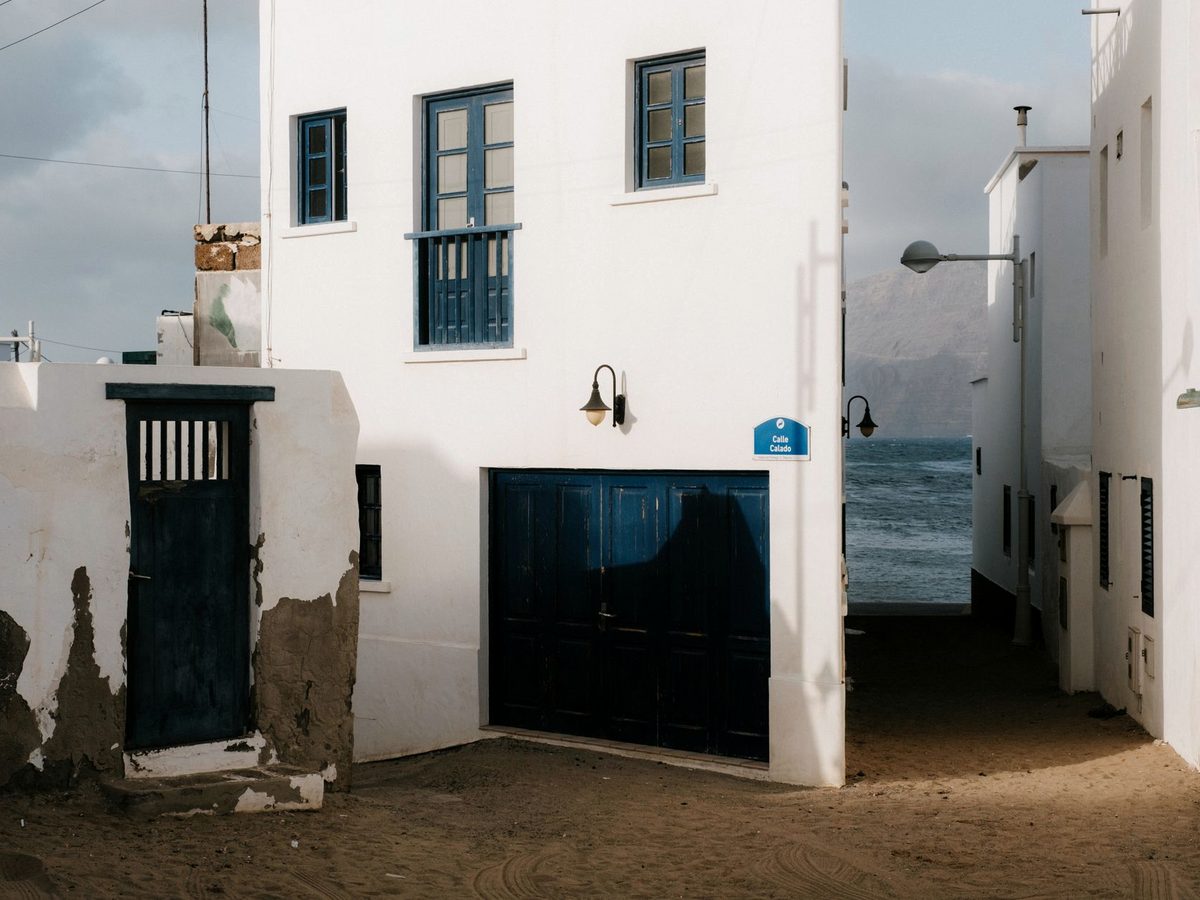
Corralejo, forty minutes north, is the real town: a fishing-harbour old quarter of narrow streets and seafood restaurants, a long waterfront promenade with a big free playground, and the ferry port for Lobos and Lanzarote. Its beach life splits in two, with sheltered coves in town, including Corralejo Viejo with its gentle gradient, and the open Grandes Playas running south beneath the dunes, kilometres of bare sand that get windy from lunchtime. El Cotillo, on the north-west corner, is a village rather than a resort, and it has the island's calmest swimming: lagoons sheltered behind a volcanic reef, shallow over white sand, filled and emptied by the tide. South of the village, Piedra Playa is the surf beach, so flat lagoon paddling and Atlantic surf sit a few hundred metres apart.
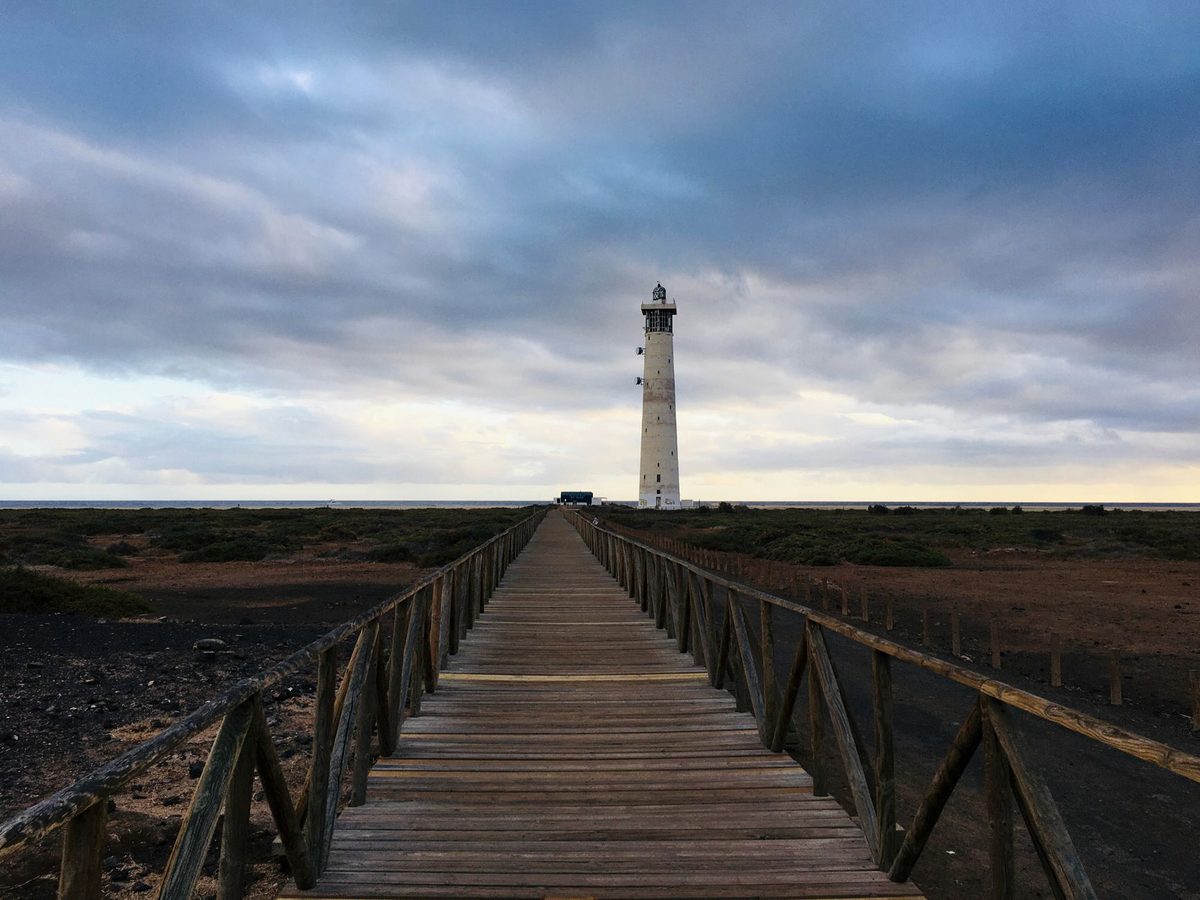
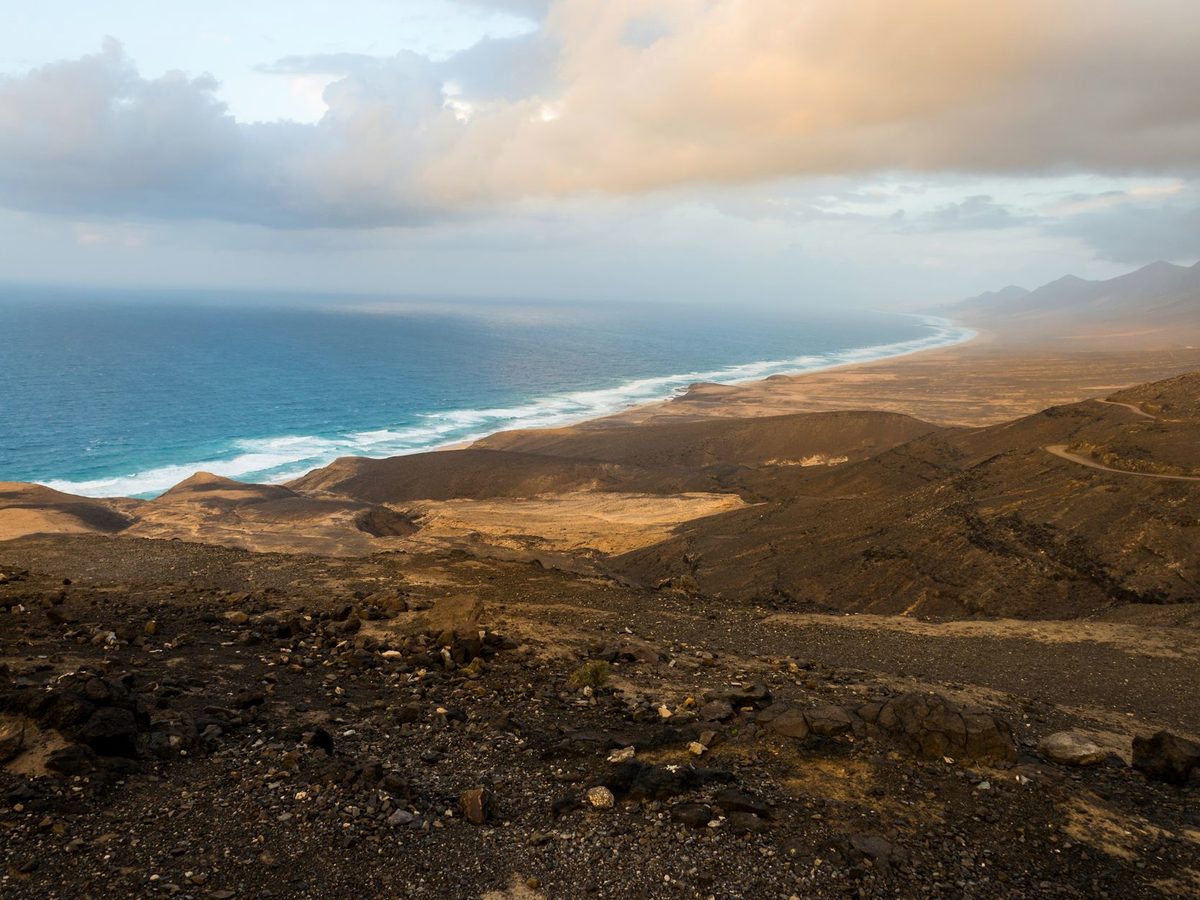
Down south, Costa Calma is quieter and edged with planted pines, with a long white beach and the vast Sotavento lagoon below it, knee-deep over several square kilometres at low tide. Costa Calma isn't calm despite the name: this is the coast where the windsurfing World Cup runs every July, so you pick your sheltered corners and your hours. Morro Jable and the Jandía strip, at the end of the road, sit in the lee of the island's mountains on its most sheltered coast, with kilometres of pale shallow water at the family end, a 2-mile (3 km) flat promenade and a boardwalk through the saltmarsh to the lighthouse; the price is 75 to 90 minutes from the airport. The west coast, Cofete above all, is huge, wild and unguarded, worth the drive for the view but not for swimming at any age.
| Area | Transfer | The beach | The feel |
|---|---|---|---|
| Caleta de Fuste | 10 to 15 min | A man-made horseshoe bay, sheltered by the harbour wall | Purpose-built and flat everywhere, ten minutes from the plane, with little island character of its own. |
| Corralejo | 35 to 40 min | Sheltered town coves; the open Grandes Playas run south under the dunes | A real town with a fishing-harbour old quarter, the widest choice of food and the boats to Lobos and Lanzarote. |
| El Cotillo | About an hour | Reef-sheltered lagoons of shallow, calm water, best at mid to high tide | A small village with fish restaurants and no nightlife. The lagoons hold the calmest water on the island. |
| Costa Calma | 55 to 60 min | Long white sand, with the vast Sotavento lagoon to the south at low tide | Quieter and greener-edged than the rest, though windy. The windsurfing World Cup runs here every July. |
| Morro Jable and Jandía | 75 to 90 min | Kilometres of pale sand in the lee of the mountains, calm and shallow at the family end | The most sheltered coast on the island, at the price of the longest transfer. |
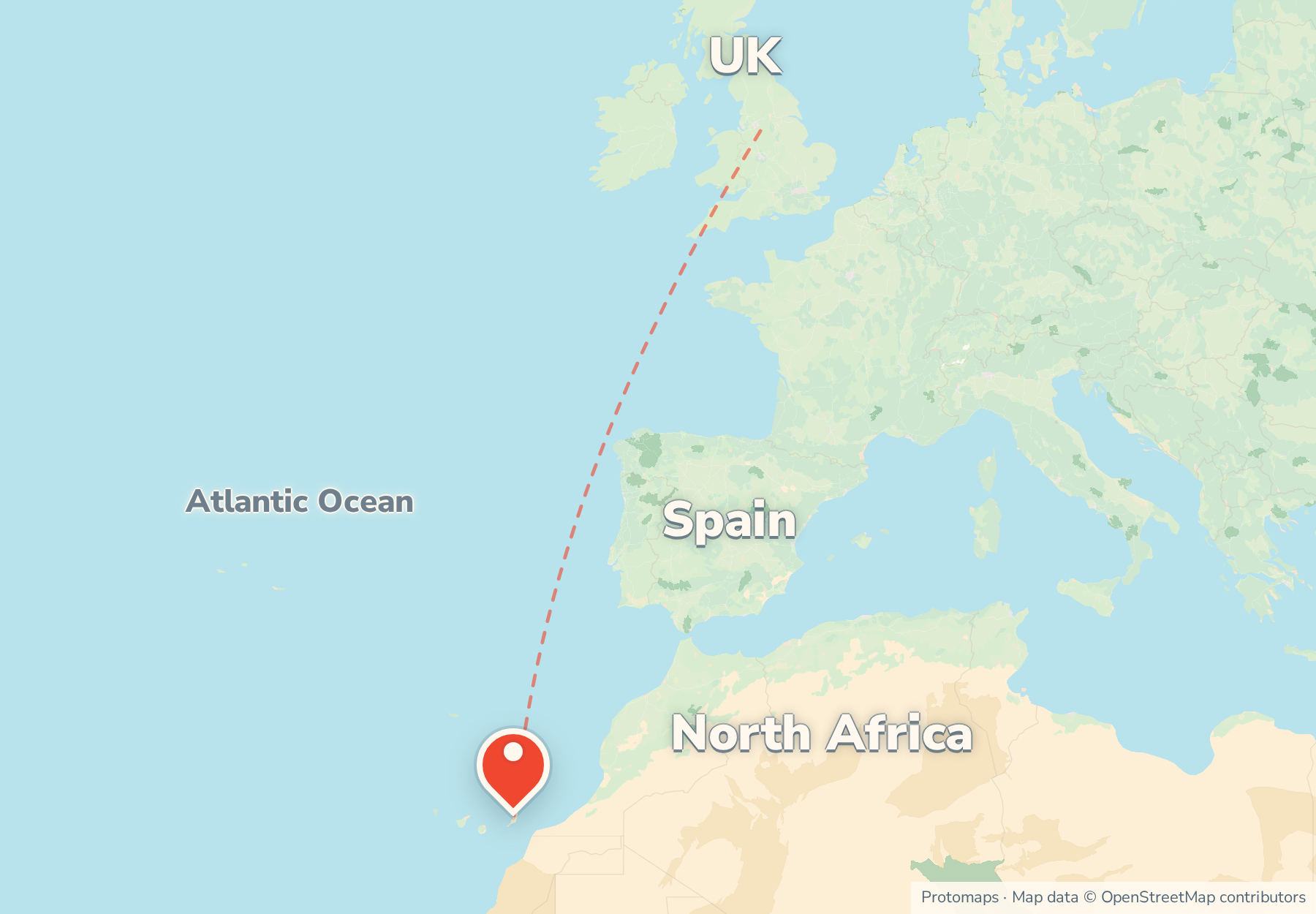
Map of the main family areas
An orientation map of the areas above, the airport and the bigger days out. The numbers match the key beneath.
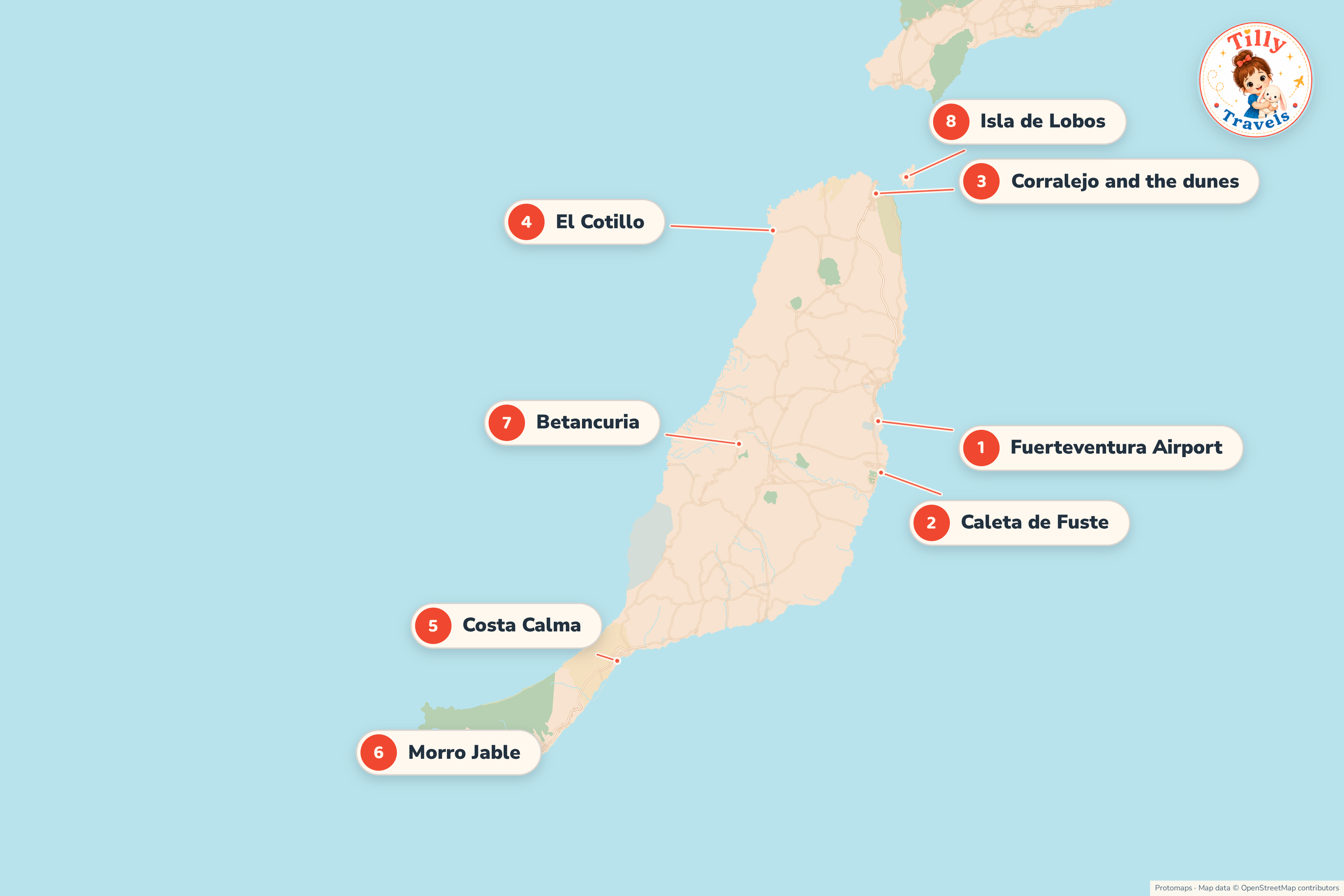
- 1Fuerteventura Airport East coast, top third
- 2Caleta de Fuste The ten-minute transfer
- 3Corralejo and the dunes Town, boats and sand
- 4El Cotillo The lagoons
- 5Costa Calma The Sotavento lagoon
- 6Morro Jable The sheltered far south
- 7Betancuria The old capital, a lunch stop
- 8Isla de Lobos Permit, boat and paddling
Beaches by wind and tide
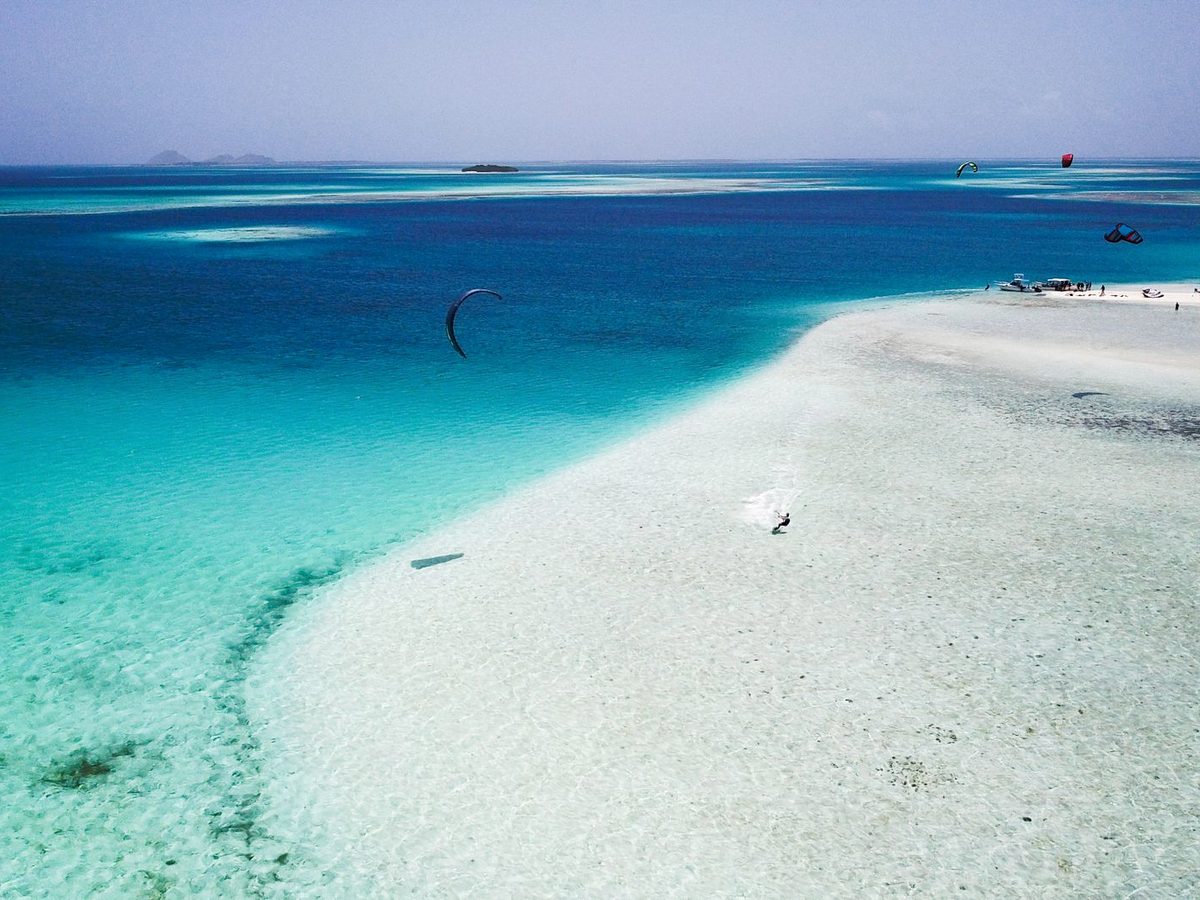
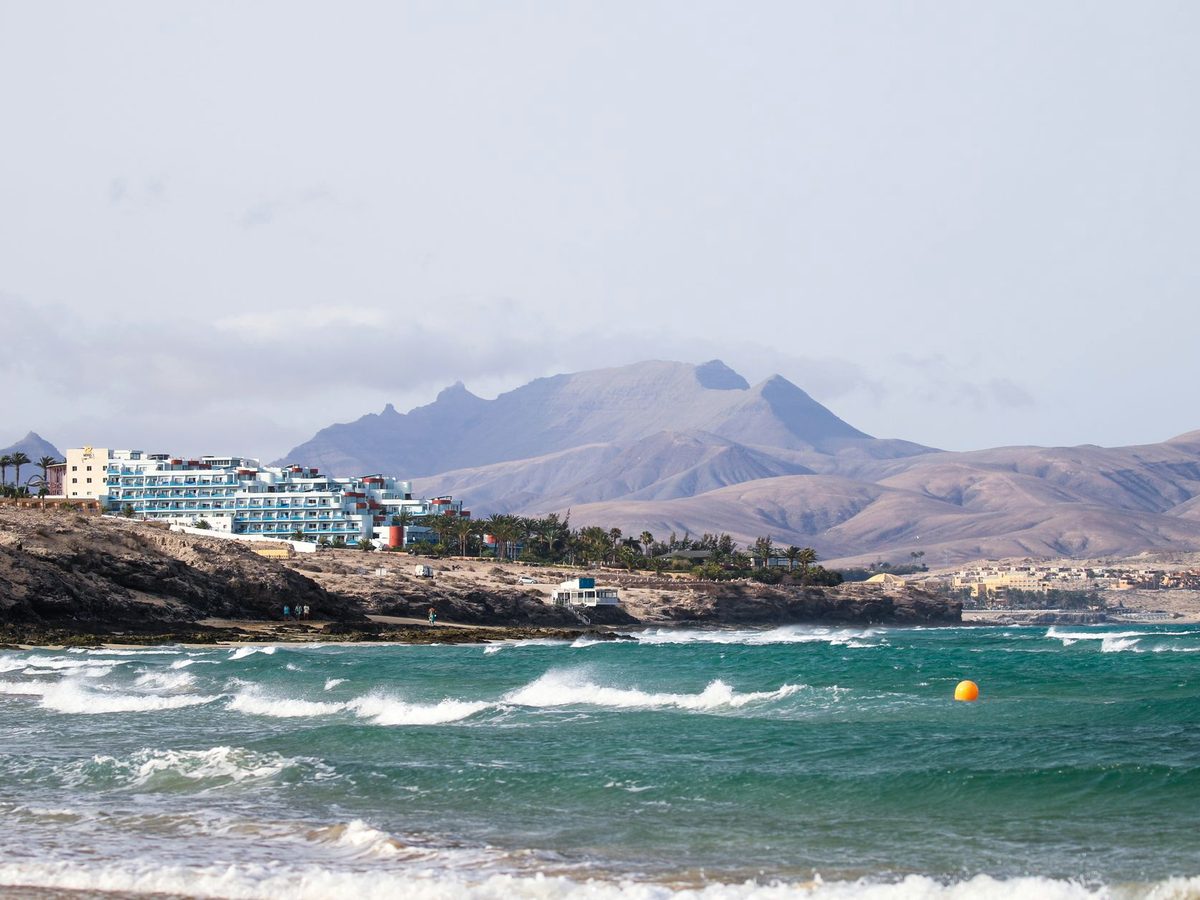
When the wind is up, Caleta de Fuste's harbour-walled bay stays usable in almost anything; the El Cotillo lagoons stay glassy behind their reef, with low stone windbreak circles on the sand for shelter; Corralejo's town coves are next; then the family end of Morro Jable in the mountains' lee. The Sotavento lagoon is the special case: at low tide on a calm day it's a vast warm paddling pool, and at high tide it isn't there at all, so check the tide. The open stretches, Grandes Playas included, are best in the morning.
A good number of beaches hold a Blue Flag, with the quirk that two of the island's best toddler spots, the lagoons and Caleta's bay, aren't among them; the flag certifies facilities and water quality, not calm water. The Atlantic itself runs cool: 18 degrees in late winter, peaking at 22 to 23 in September and October. Flags follow the Spanish system, red is enforced, and the lagoons generally have no lifeguard.
Weather, days out and the daily shop
When to go month by month, the outings that suit small children, eating out and where to stock up.
Weather, month by month
The figures below are official long-term averages from the airport station. Daytime temperatures sit in a band from 21 to 28 degrees all year, never cold and rarely stifling, because the wind blows hardest exactly when the sun is strongest. The wind calendar matters more than the rain one: June to August are the breeziest, September to November the calmest, and a few times a year, mostly between January and March, a calima brings hot, dusty air from the Sahara for a few days. Being the closest Canary to Africa, Fuerteventura usually gets the calima first.
| Month | Daytime high | Overnight low | Rain | Wet days | Sea temp |
|---|---|---|---|---|---|
| January | 20.5° | 16° | 14 mm | 2 | 19° |
| February | 20.5° | 15.5° | 16 mm | 2 | 18° |
| March | 21.5° | 16° | 12 mm | 2 | 18° |
| April | 22.5° | 17° | 5 mm | 1 | 19° |
| May | 24.5° | 18.5° | 1 mm | 0 | 20° |
| June | 25.5° | 20° | 0 mm | 0 | 21° |
| July | 27° | 21.5° | 0 mm | 0 | 22° |
| August | 27.5° | 22.5° | 0 mm | 0 | 23° |
| September | 26.5° | 22° | 2 mm | 0 | 23° |
| October | 26° | 21° | 8 mm | 2 | 23° |
| November | 23.5° | 19° | 13 mm | 2 | 22° |
| December | 21.5° | 17° | 26 mm | 3 | 21° |
Typical monthly averages from weather-station records. Sea temperature is the open-water figure, so a sheltered bay can feel a degree or two warmer.
February half term gives you the shared Canary draw of around 21 degrees and almost no rain, with lighter winds than the other Canaries, though the sea is a cool 18 degrees, so you'll swim in the pool not the sea.
Filling the daysThings to do with little ones
The paid-attraction list is short by Tenerife standards, and almost everything lets under-threes or under-fours in free. Oasis Wildlife at La Lajita is the standout: giraffes, elephants, sea lion and parrot shows and a huge camel reserve, set on a hilly site where a cart hired at the gate beats a buggy. It runs its own coach pick-ups from every resort, though from Corralejo that's over an hour and a half each way, so it suits a southern base best. The camel rides aren't suitable for under-fives, so with a small child the visit is about seeing the animals up close rather than riding. Acua Water Park at Corralejo runs late March to early November with a proper toddler zone and under-fours free, though it closes Wednesdays and Thursdays in the shoulder months.
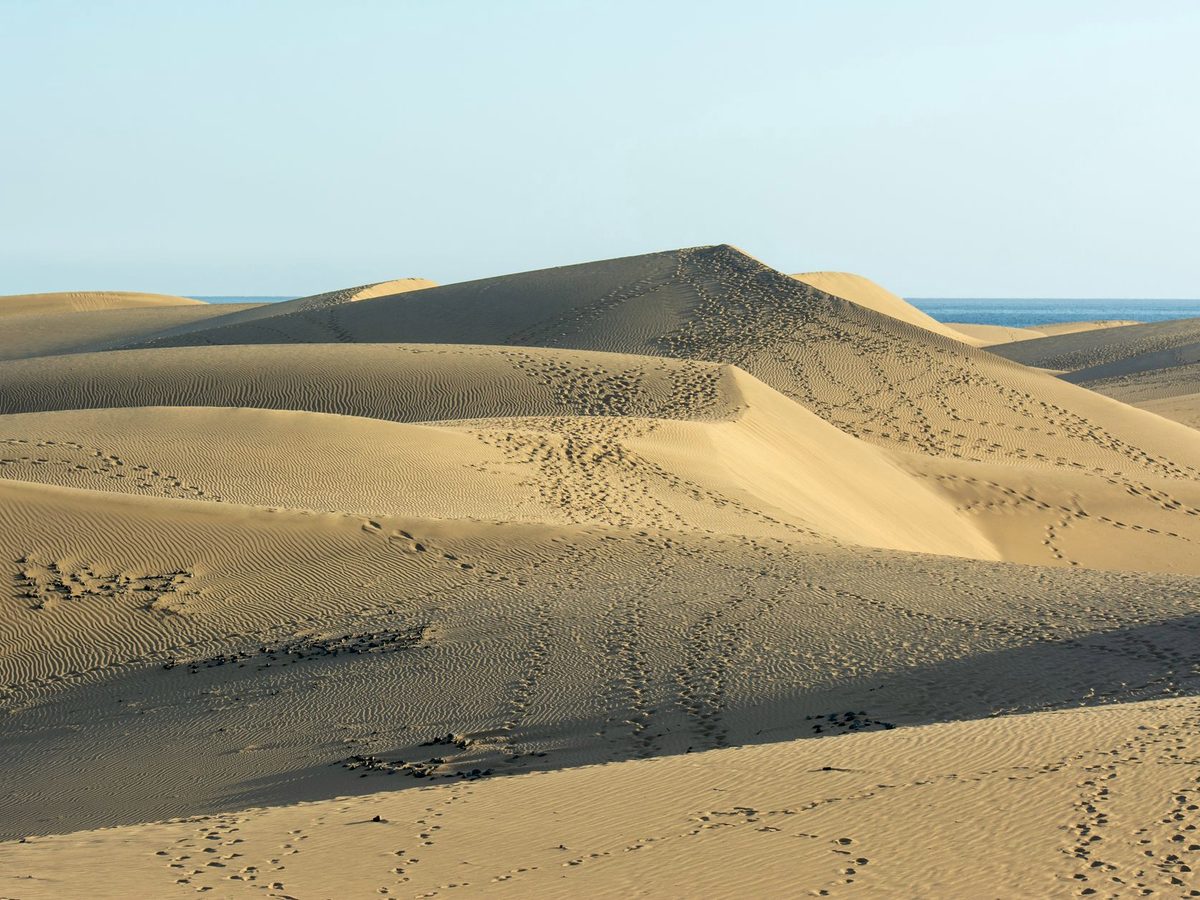
Two boat trips run from Corralejo and both work with a toddler. Isla de Lobos needs a free permit booked through lobospass.com a few days ahead, then a 20-minute ferry from Corralejo to an islet where the coves at El Puertito are calm, shallow toddler paddling; there's one small restaurant, no shade and no buggy-friendly paths, so it's a carrier-and-picnic morning. The ferry to Lanzarote takes 25 minutes from the same harbour, landing you on Playa Blanca's flat promenade with a sheltered beach by the port, 25 minutes door to door. The dunes at Corralejo cost nothing and have no boardwalks, so park beside the stretch you want and let them play in the sand, in the morning before the wind picks up.
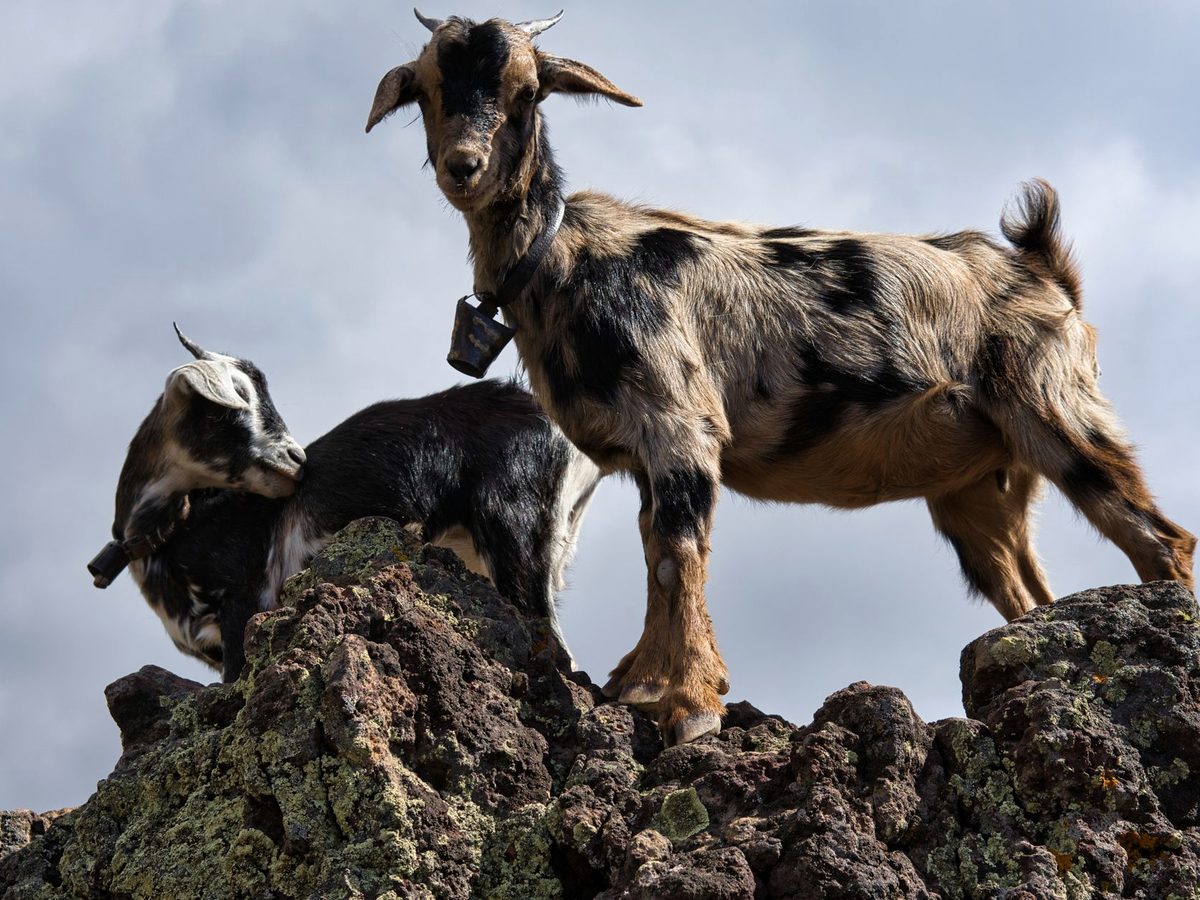
The cheese museum at Antigua pairs a restored windmill with a cactus garden, the salt museum south of Caleta keeps a 20-metre fin whale skeleton, and a combined ticket covers both plus the windmill centre for less than a single waterpark entry. Betancuria, the island's first capital, makes a good lunch stop: one small whitewashed square, a free archaeology museum with a virtual goat-milking game, ice cream, then home; the mountain road there is winding enough to plan around travel sickness. Ajuy offers black sand off the car park and sea caves at the end of a rocky path that wants a carrier and a free hand. Goats are everywhere, and a farm visit or just the roadside herds keeps the youngest entertained between beaches.
Eating out with children
The resorts run on an international clock, with kitchens open from about six, so a toddler-hour tea needs no planning, and children's menus are standard in the tourist restaurants. Highchairs are common but not guaranteed; the Spanish to ask is "¿tienen trona?". The harbour-front fish restaurants at El Cotillo and Morro Jable's working port are the island's best tables, and both are used to families.
The local speciality is goat. Majorero cheese, Spain's first protected goat's cheese, is on every menu and in every supermarket, mild enough young for small children to try, and the papas arrugadas come with two sauces, mild green mojo for toddlers and hotter red for the brave. Grilled fish straight off the boats covers the rest of the week.
Milk, nappies and pharmaciesSupplies and the first-day shop
The chains that matter here are the local ones: HiperDino and the island's own SPAR shops cover every resort and open daily including Sundays, which Mercadona and Lidl don't, so if you land on a Sunday, shop at the local chains. There's no Carrefour hypermarket on the island. Nappies are sold mainly as Dodot, the Spanish Pampers; formula runs Almirón for Aptamil, with NAN, Blemil and Nutribén alongside, similar staging but not identical recipes, so bring enough of your own and use local stock as backup. Baby-kit hire firms deliver cots, buggies and sterilisers island-wide, which lightens the luggage.
Pharmacies, marked by the green cross, are the only place for medicines, with Apiretal as the children's paracetamol and Dalsy the ibuprofen, both dosed by weight; there's even a pharmacy at the airport. Bring any medicine your child relies on rather than counting on a like-for-like swap.
Getting around, a real week and the admin
Transfers and hire cars, what a week actually looks like, the health and document checks and a list to pack against.
Getting there and around
Spanish law requires a proper child seat for anyone 135 centimetres or under, riding in the back, and the airport runs here are long enough that the pre-booked transfer with a seat specified, or your own seat, is the only sensible plan. If you hire a car, and on this island more than its sisters you probably should, the local firm Cicar has a desk in the terminal and a straightforward all-in rate, so check what the seat and insurance cover when you book.
The main roads are easy: dual carriageway north to Corralejo and most of the way south to Costa Calma, with the winding FV-30 over the mountains to Betancuria the one travel-sickness route. The buses have clear limits: the airport-to-Caleta line runs every 15 to 30 minutes and works well, Corralejo links are decent, but the long southern routes run a few times a day, take cash and suit errands rather than day trips.
What a real week looks likeA realistic week with little ones
The day you land is a normal day, no body clocks to reset, and from Caleta you can be on the sand within the hour.
Open sand in the calm of the morning, lunch and a nap, then a sheltered bay or the pool once the afternoon wind arrives.
The boat to Lobos or Lanzarote, the salt museum and its whale skeleton, or Oasis Wildlife from a southern base.
A final swim and a slow pack, allowing properly for the drive if you're coming up from the south.
With young children, the morning beach, the pool, naps and one boat or museum day will comfortably fill a Fuerteventura week.
The practical adminHealth, documents and the boring bits
Check the GOV.UK Spain advice before booking and travelling. Passports need to be issued within the last ten years and valid three months beyond departure, children's included. Carry a GHIC each, which covers the island's public hospital near Puerto del Rosario, with paediatrics and A&E, plus travel insurance for the private resort clinics. Caleta de Fuste has no public health centre of its own as yet, so GHIC care there means the clinic at Antigua or the hospital up the road.
The emergency number is 112. Sunburn is the real risk, because the constant wind hides the heat, so small children burn without anyone feeling warm, and the UV runs extreme in summer and strong even in winter. Hats, UV suits, high-factor cream and midday shade are standing kit. On the water, stick to the sheltered beaches listed above on the blowiest days and keep the open west coast for photos, not swimming.
Before you payBooking checklist
- Choose the resort with the transfer in mind: ten minutes to Caleta, ninety to the far south.
- Confirm a heated pool for any trip between December and April.
- Check there's a sheltered beach within easy reach of your base.
- Book the transfer with the right child seat, or bring your own.
- Confirm the cot and the air conditioning with the hotel.
- Book the free Lobos permit a few days before you want to go.
- Pack a windbreak, a carrier for the dunes and layers for winter evenings.
- Bring enough formula and any medicines your child relies on.
- Confirm the cancellation terms and your travel insurance.
- Recheck the GOV.UK Spain advice and every passport before you go.
Resort guides in Fuerteventura
We've researched these places to stay in Fuerteventura for families with young children. Each guide covers what it's like, who it suits and what to check before you book.
Questions, links and the last word
The things families ask most, the official pages worth a bookmark and when this guide was last refreshed.
Common parent questions
Will a windbreak actually be enough?
For a baby on a towel, yes, paired with timing: a pop-up windbreak plus mornings on the open sand and sheltered bays after lunch covers most days. On the very blowiest afternoons in high summer you'll want a properly sheltered spot, the lagoons or a harbour-walled bay, rather than the windbreak alone.
What's special about the El Cotillo lagoons?
A volcanic reef kills the swell, so the water inside is shallow and still. The tide decides what you get: mid to high fills the pools for swimming, a big high tide leaves a warm paddling pool behind the beach, and low tide empties the lot, so check a tide table over breakfast. People build low stone windbreak circles on the sand for shelter.
How much does the transfer vary across the island?
A lot, since it's 62 miles (100 km) long with the airport in the top third. Caleta is about ten minutes, Corralejo around forty, Costa Calma an hour and the far south up to ninety. With a baby that gap is worth weighing, since a long run bookends day one and the flight-home morning.
Is Morro Jable worth the long transfer?
If the biggest, calmest sand is your priority, yes, since the mountains block the trade wind and this coast stays usable on days the north doesn't. Allow the 75 to 90 minutes on day one and the flight-home morning, and note the old town is up a hill while the seafront stays flat.
How does the Lobos island trip work?
The draw with a toddler is El Puertito, a cove of calm, shallow water that paddles like a natural pool. You need the free permit before you sail, the ferry over is short, and the islet has no shade and no smooth paths, so a carrier and a picnic make the morning easier than a buggy and a café would.
Can we do the dunes with a buggy?
No, there are no boardwalks and the sand is soft from the roadside lay-bys onwards. Park beside the stretch you want, carry the baby and let a toddler treat the first ridges as a giant sandpit. On a windy afternoon the blowing sand is right at child height, so go in the morning.
Can we buy our usual formula and nappies?
Yes, under different names. Pampers is sold as Dodot, Aptamil's equivalent is Almirón, and the children's paracetamol and ibuprofen are Apiretal and Dalsy, pharmacy-only. If you land on a Sunday, shop at HiperDino or SPAR, since Mercadona and Lidl will be shut.
Which months pair the warmest sea with the calmest weather?
September to November. The sea peaks at about 22 to 23 degrees then, the winds drop after the summer, and the beaches are quieter in term time. In late winter the sea is a cool 18 degrees, so for a February half term a heated pool matters.
See more Fuerteventura photos
Open the photo gallery →Useful links
- GOV.UK Spain travel advice: passport rules, entry requirements and health updates before you travel.
- Visit Fuerteventura: the official tourism site, including beach listings.
- Lobos Pass: the free permit for Isla de Lobos, bookable five days ahead.
- Oasis Wildlife: opening times, tickets and the resort coach pick-ups.
Last updated 12 June 2026.