The Maldives with little ones
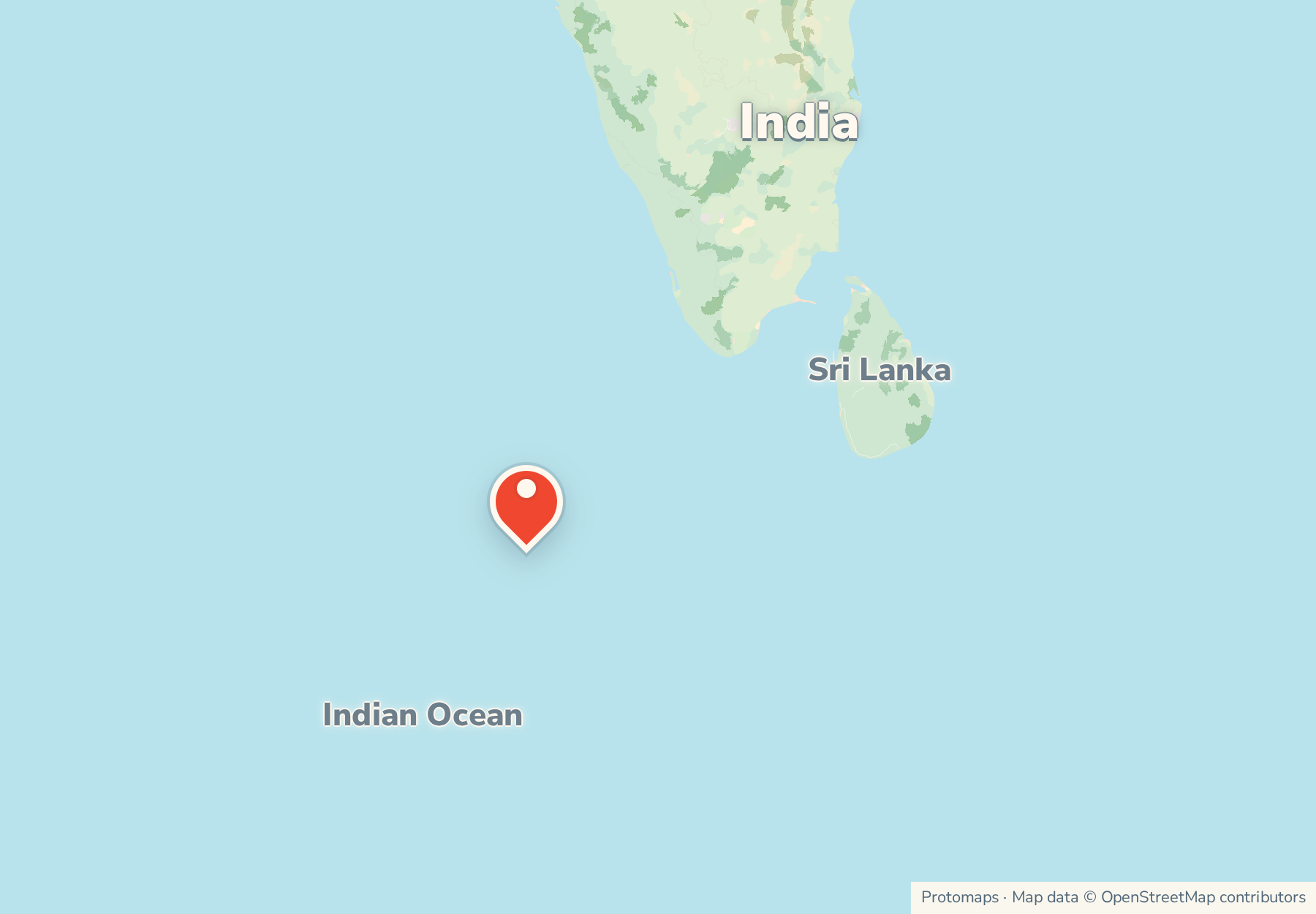
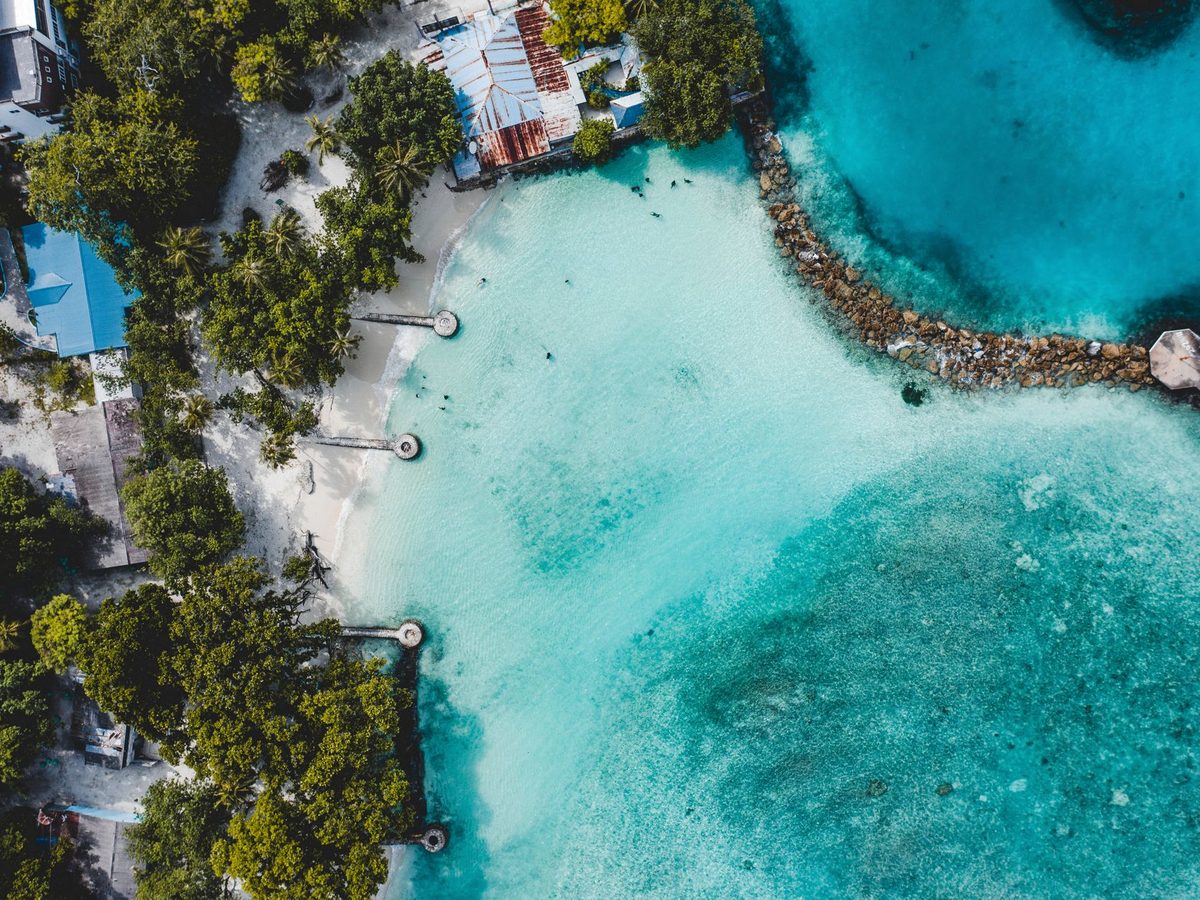
The Maldives is a chain of low coral islands scattered across the Indian Ocean, each resort on its own island, ringed by a warm shallow lagoon and a reef. With a baby you get water you can wade into together, reef fish a few steps from the sand, and a quiet week with nothing to organise once you arrive. With a toddler of three or more there's the sea and a kids club too.
On this page
A family verdict at a glance
The quick read: who the Maldives suits, whether it's worth it with a baby and what to nail down before you book.
Best for
You want a real rest in a warm, calm, shallow lagoon, with a baby who travels well or a child of three-plus who can enjoy the sea.
Maybe not for
A tight budget, a baby who finds long flights hard, or if you want days out, sightseeing and a change of scene.
Best ages
Any age for the lagoon, but the value rises sharply from about three, when a child can use the kids club, snorkel and watch the reef.
Best villa
A beach villa with a shaded private pool, so you step out onto sand. Most resorts won't let a young child into an overwater villa anyway.
Why families pick it
A lagoon you can swim in with a baby, reef sharks and turtles from the shore, and nothing to organise once you arrive.
Check before you book
The transfer type and your arrival time, the villa type, the kids club age, and travel insurance with medical evacuation cover.
Is it worth it with a baby or toddler?
With a baby, the Maldives gives you little that a warm beach closer to home doesn't. A small child won't remember the villa, can't snorkel, and will happily play in any shallow water. What you're really paying for at that age is a holiday for the parents, and on that measure it can be exceptional: no driving, no restaurant-hunting, no day-trip planning, buffet meals when you want them, and staff who are often warm with babies, all on a single quiet island where there's nothing to organise.
What the child gets out of it grows with age. From about three a toddler can watch reef fish in the shallows, ride a glass-bottom boat and join a kids club, so the spend starts to make sense on the child's side too. Plenty of families wait until five or older, when snorkelling is realistic and the holiday will be remembered. Going sooner is fine, as long as you book it for the calm and the rest rather than for the things a baby can't use, and put the money into a good beach villa.
A quick gut checkIs the Maldives right for your family?
Worth comparing if
You want to do very little for at least seven nights, ideally nine or ten so jet lag doesn't eat the stay, your child copes with a long flight, and you can afford it without strain.
Weigh it up if
You want sightseeing or variety, your toddler finds flying hard, or the cost would be a stretch for what a baby gets out of it.
To sort out before booking
The transfer and arrival time, a beach villa not an overwater one, the kids club age, the supplies to bring, and evacuation insurance.
The quick facts and getting there
The essentials to skim first, and the transfer choice that decides which islands you can pick.
Quick facts for UK families
Getting there and the transfer
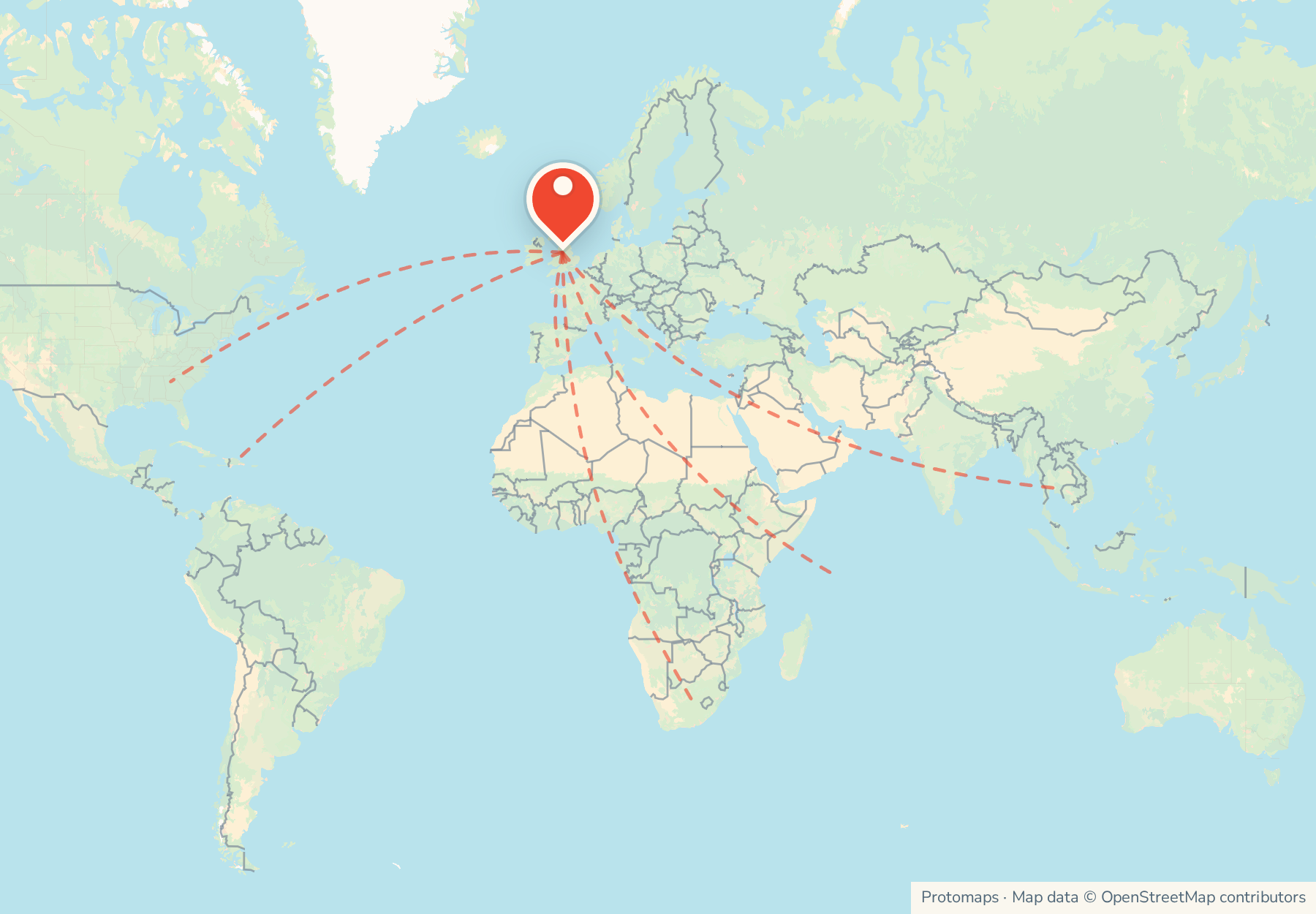
Your transfer decides which islands you can choose, so sort it first, before you fall for a particular resort. The flight is the easy part, direct from Heathrow in around 11 hours, or via a Gulf or Istanbul hub from a regional airport. It's the last leg from Malé that matters, and there are three ways to make it.
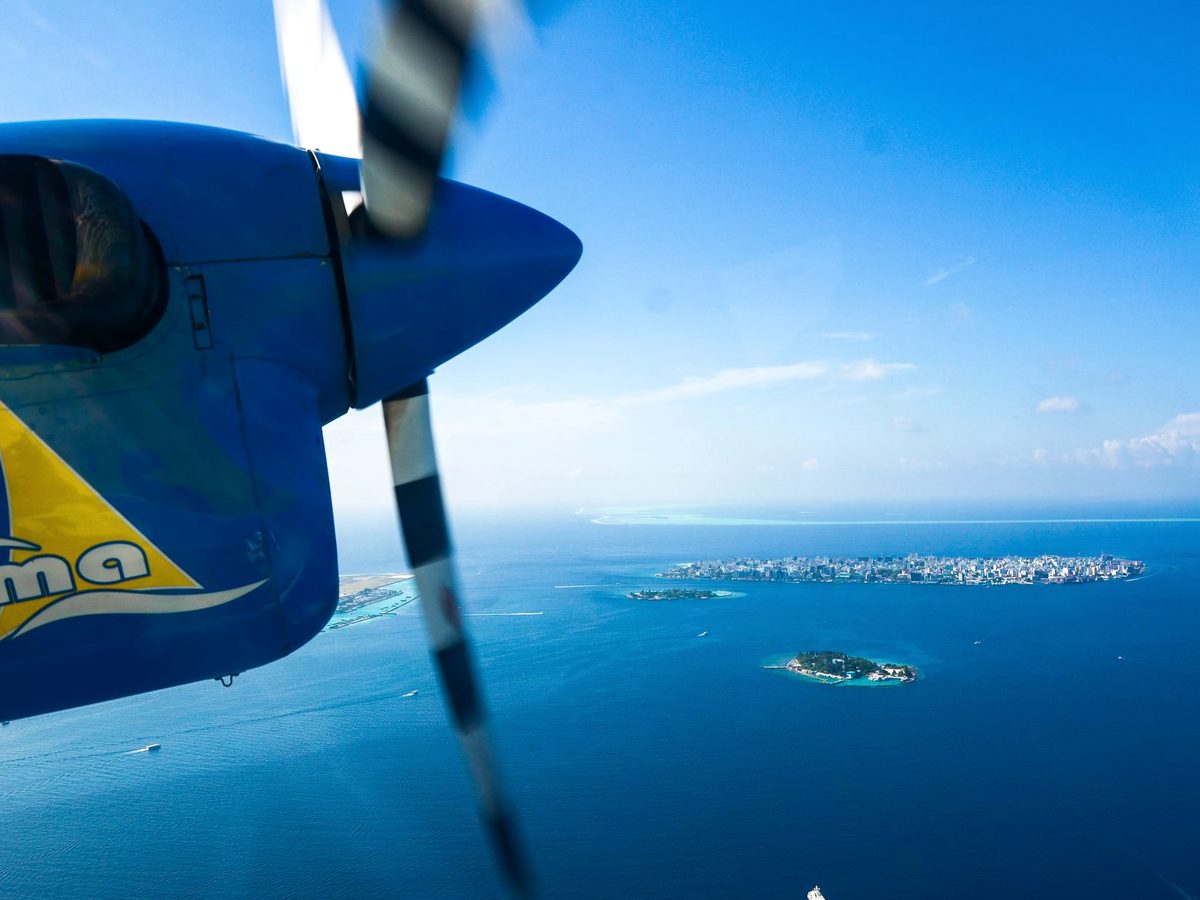
For a first trip with a baby or young toddler, a speedboat resort in the North or South Malé Atoll is the gentlest option. Speedboats run at any hour, so an evening arrival is no problem, luggage travels separately, and nobody holds a baby on their lap. The seaplane reaches the outer atolls, and older toddlers love it, but it's loud and warm, you hold an infant on your lap, and it flies in daylight only. It also weighs passengers and bags together, so a lap infant adds no luggage allowance at all, usually about 20kg checked and 5kg hand per fare, which a trip's worth of nappies and formula soon fills. An evening flight can land too late for the last seaplane, which means an overnight in Malé at your own expense, so check your arrival time against the seaplane cut-off before booking anything.
| Transfer | Time | When it runs | Best for |
|---|---|---|---|
| Speedboat | 15 to 45 minutes | Day and night, no time limit | A first Maldives trip with a baby, and any evening arrival |
| Seaplane | 20 to 40 minutes | Daylight only, last flights early afternoon | Older toddlers, and the outer-atoll resorts |
| Domestic flight plus boat | A short flight, then a boat | Daytime | The far outer atolls, and if you want fixed seats and a toilet on board |
The island, the villa and the ages
The resort choice, the beach-villa-versus-overwater safety call, and how the trip changes as children grow.
Where to stay with young children
Each Maldives resort has a whole island to itself, so choosing where to stay means choosing a single resort, with no second restaurant or shop to fall back on if it disappoints. A lot of resorts are adults-only or couple-focused, and it's not always clear from the website, so before the photos win you over, check this one welcomes young children at all.
With little ones, look for a short simple transfer, a beach villa with a shaded pool and direct sand access, a shallow calm lagoon, and the baby kit set up before you arrive. A resort with an on-site doctor and a clear plan for a child who's ill in the night is worth more here than another infinity pool, and some have a 24-hour medical centre, so ask when you book. Ask, in writing, what happens in a medical emergency, what baby equipment will be in the villa, and what the kids club and babysitting ages are.
The safety call that mattersBeach villa or overwater villa?
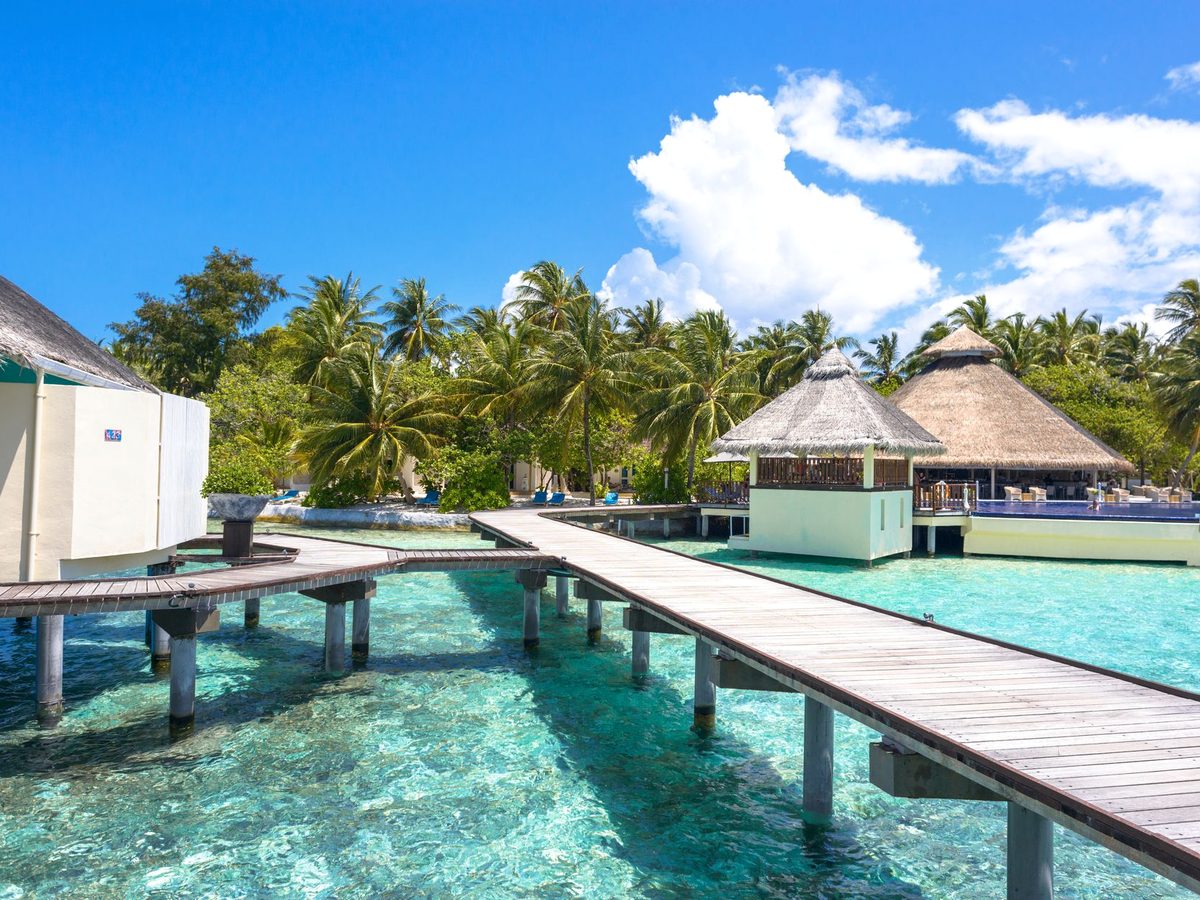
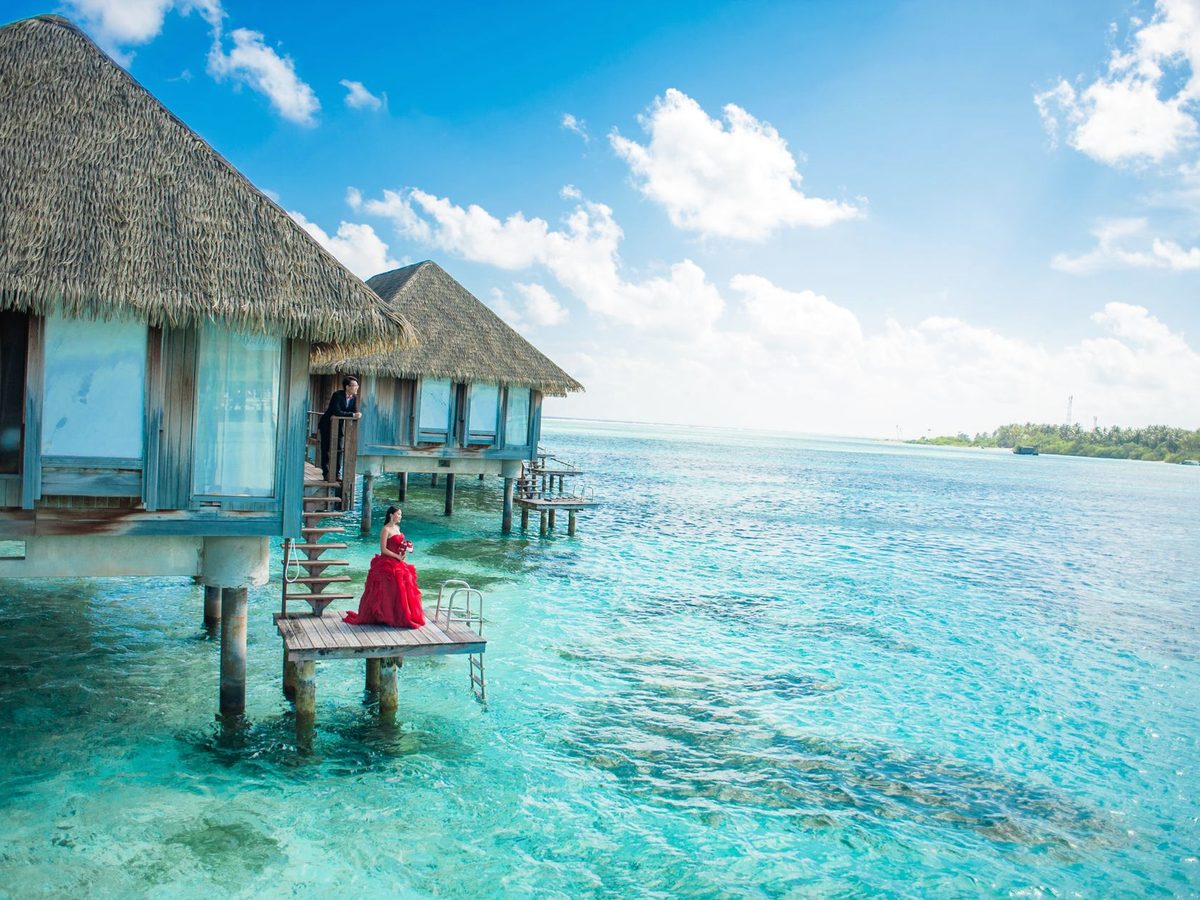
The overwater villa on stilts over the lagoon is the photo everyone pictures, and it's the wrong room for a family with young children. The deck steps straight off the edge into open water that's often several metres deep, with no rail or gate, which means a moment's lapse with a mobile toddler is a serious one. Most resorts settle it for you anyway, banning children under eight or twelve from water villas as a matter of policy.
A beach villa is the right choice. You step out onto sand, usually with a private pool you can watch from the terrace, the same lagoon is right in front of you, and a sleeping baby can be monitored while you sit outside. Look for a fenced or gated pool, a shaded outdoor space given the sun, and a layout where doors lock out of a child's reach. A few resorts do offer fenced family overwater villas, but treat them as the exception and confirm the safety features before you trust them.
The Maldives by age and stage
Babies
A rest for the parents, with the baby happiest in the shade and the shallows. Bring everything, pre-request the cot, and manage the sun all day.
Toddlers
The lagoon and the sand fill the days, with babysitting rather than a kids club below the club's start age. The long flight and the all-day heat take the most managing.
Preschoolers
From three, a child can join the kids club, ride a glass-bottom boat and watch reef fish, so the spend makes more sense for them too.
Young children
Snorkelling with a float, reef fish up close and full kids club independence make this the age the Maldives is worth most.
The reef, the weather and the daily supplies
The lagoon and reef with little ones, when to go, and why you pack everything in.
The reef and the sea
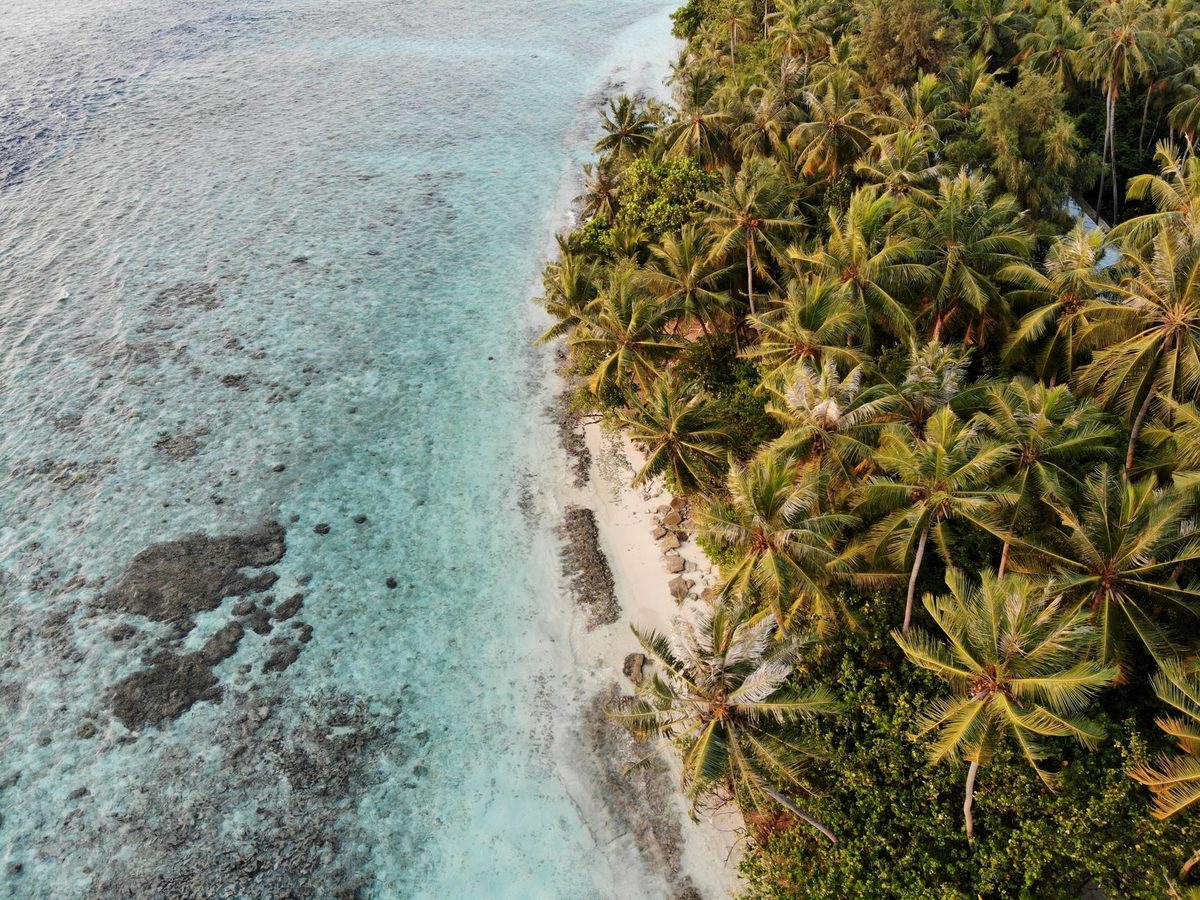
The lagoon is shallow and calm, which is why it suits small children. Most family resorts sit inside a reef, and the water between the beach and the reef is warm, around 28 to 30 degrees all year, and shallow a long way out, with the reef breaking the ocean swell so it stays calm. A baby can sit in warm water at the shore and a toddler can wade out a good distance still only knee-deep, shallower for longer than most Mediterranean beaches.
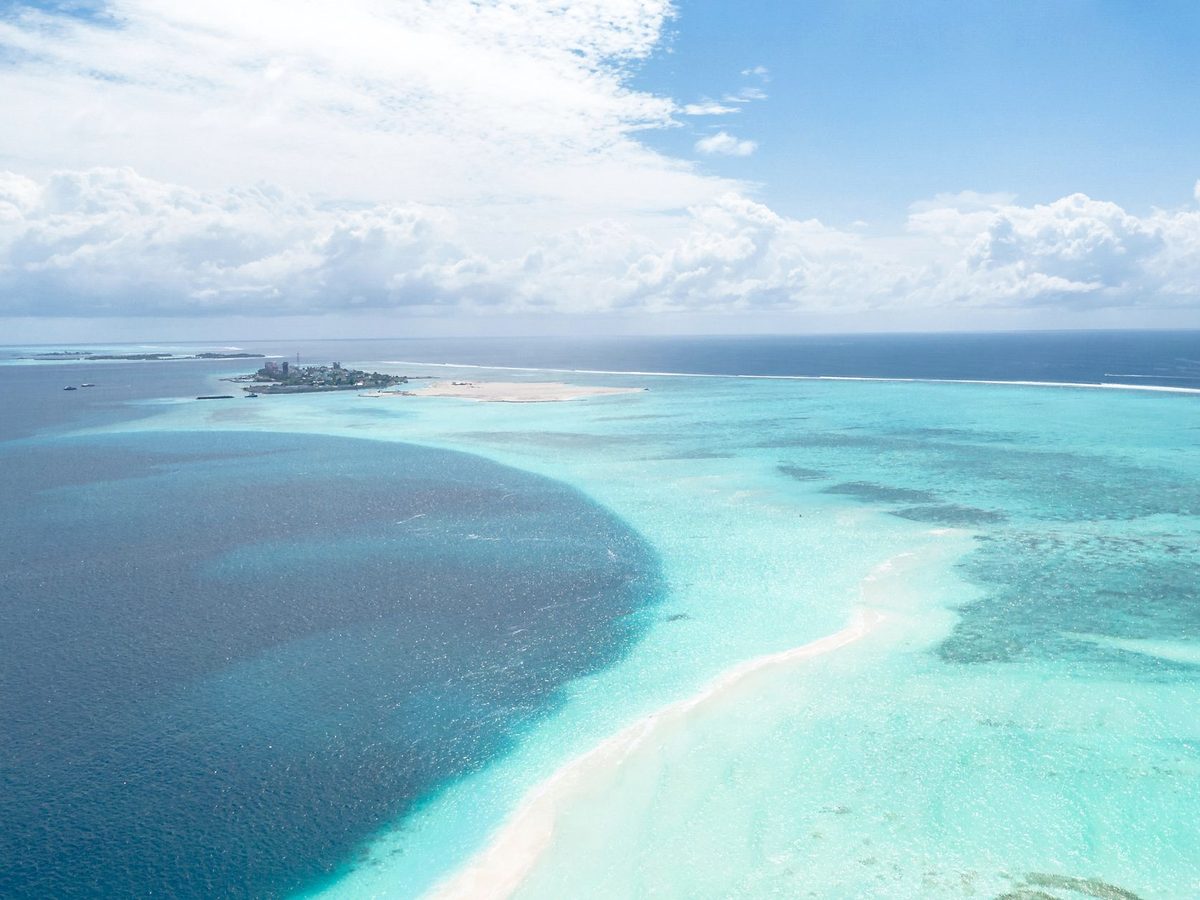
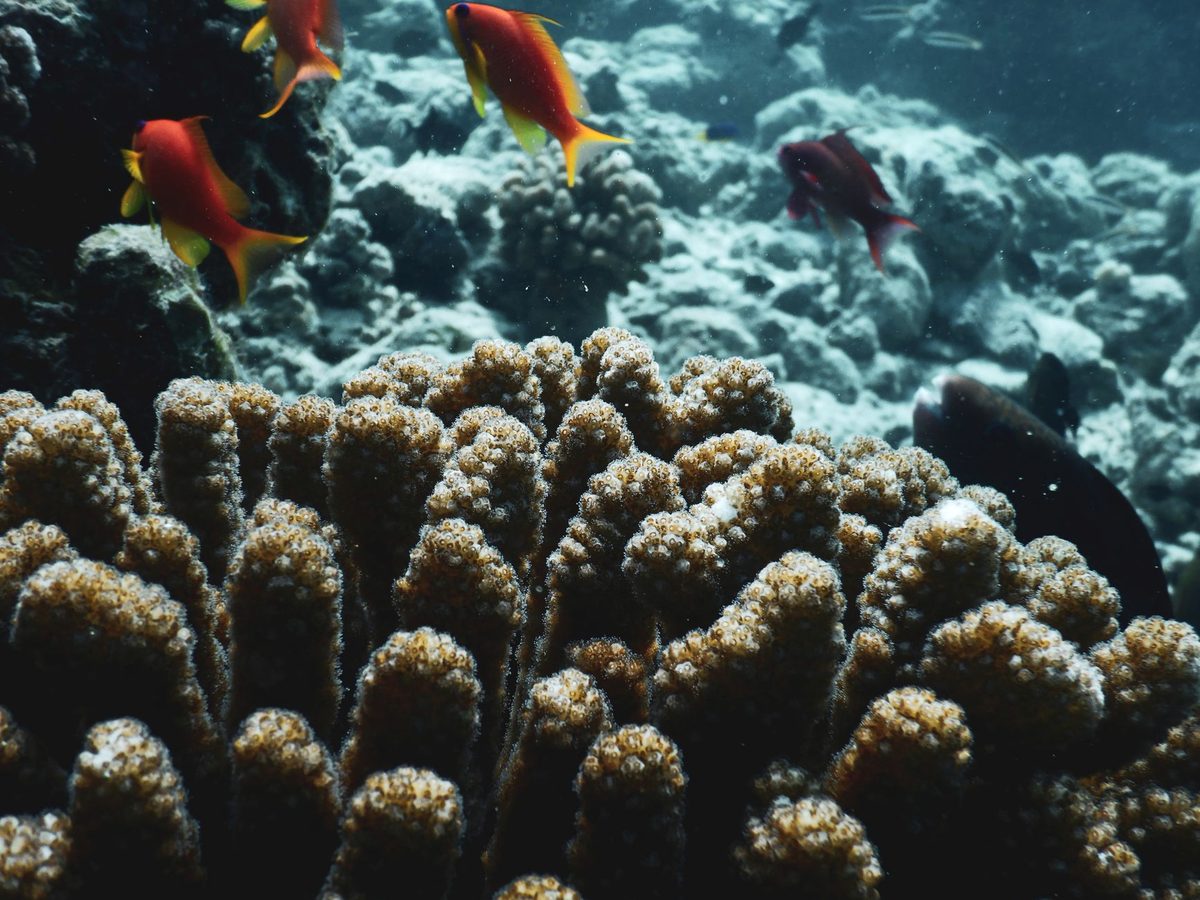
Where the lagoon meets the open sea the bottom drops away and the current strengthens, and that's the zone for adult snorkelling, not for children. The colour change from turquoise to dark blue marks the line. Strong currents past the reef are the main cause of tourist drownings in the Maldives, so keep young children to the lagoon and follow the resort's flags and advice. Pack reef shoes for everyone: a stonefish camouflaged on the lagoon floor gives a dangerous sting. Baby reef sharks, turtles and rays come into the shallows and can be watched from the beach, as long as nobody touches or chases them.
When to goWeather and when to go
The Maldives is warm all year, around 28 to 32 degrees by day, with no cool season, so the choice is about rain and seas rather than temperature. The dry season, December to March, brings the calmest water and the sunniest skies and the highest prices; the wet season, May to November, is cheaper, with rain that tends to come in short bursts rather than all day, and choppier transfers. The lagoon stays swimmable in either.
| Month | Daytime high | Overnight low | Rain | Wet days | Sea temp |
|---|---|---|---|---|---|
| January | 30.5° | 26° | 8 mm | 2 | 28° |
| February | 31° | 26.5° | 38 mm | 3 | 29° |
| March | 31.5° | 27° | 14 mm | 3 | 29° |
| April | 32° | 27.5° | 18 mm | 3 | 30° |
| May | 31.5° | 26.5° | 39 mm | 8 | 30° |
| June | 31.5° | 27° | 14 mm | 4 | 29° |
| July | 31° | 26° | 23 mm | 6 | 29° |
| August | 31° | 26° | 36 mm | 7 | 29° |
| September | 30.5° | 26° | 23 mm | 6 | 29° |
| October | 30.5° | 25.5° | 32 mm | 8 | 29° |
| November | 30.5° | 25.5° | 24 mm | 8 | 29° |
| December | 30.5° | 25.5° | 28 mm | 6 | 29° |
Typical monthly averages from weather-station records. Sea temperature is the open-water figure, so a sheltered bay can feel a degree or two warmer.
If you're tied to school holidays, the Christmas and February breaks fall in the best weather but cost the most, and the summer holidays land in the wet season at middling prices. If your children aren't at school yet, April and October are the value windows, with good conditions on the shoulders of the monsoon.
No shops on the islandFood and supplies
There's no shop, pharmacy or chemist on a resort island. Supplies come in by boat from Malé, so replacing something you've run out of can take a day or two and cost a premium. That changes how you pack. Bring all the nappies and all the formula for the whole trip plus a clear margin, in your child's brand and stage, because a resort can't be relied on to have the right one. Pack swim nappies too, since most pools require them and they're rarely sold on site. Pre-request a cot, high chair, steriliser and bottle warmer from the resort in writing, as these are set up on request rather than waiting in the room.
Eating, once you're there, is easier. Buffet dining at family resorts suits weaning well, with soft food, rice, fish and fresh fruit, and pouches packed from home cover the transfer days and the fussy meals. Use bottled or boiled-and-cooled water to make up feeds rather than straight tap water, which is desalinated and varies between islands. Because every meal and snack is bought from the resort, an all-inclusive plan is usually the least stressful and most predictable for a family with young children.
Health, cost and a real week
Managing the sun and the admin, what it really costs, and what a week actually looks like.
Health, sun and admin
Managing the sun takes attention every day. The Maldives sits on the equator and the UV is in the extreme band all year, so a fair-skinned child can start to burn in under ten minutes at midday. Manage it all day, not just at the beach: UV swimwear and a wide hat, a high-factor reef-safe sunscreen reapplied often, shade in the villa and parasols, and keeping out of the direct sun in the middle of the day. The white sand and the water bounce the light back, so cover is more reliable than cream alone.
The Maldives is malaria-free, so no antimalarials are needed. Dengue, spread by a mosquito that bites in the daytime, is present, so use an age-appropriate repellent through the day, cover arms and legs especially around dawn and dusk, and keep the room cool with air conditioning or a fan; check current advice and any vaccinations with a travel clinic before you book. Medical care on the islands is basic. Most resorts have a nurse or on-call doctor and a small clinic for minor things, but anything serious means a flight or boat to Malé, and a major emergency can mean evacuation abroad. Travel insurance that explicitly includes medical evacuation is essential here, not a nice-to-have, and check the current UK government travel advice before you travel.
The money questionWhat it costs
There's no budget end to the Maldives in the way there is for a Greek island package. Even the more affordable resorts run to several hundred pounds a night before flights, the long-haul fares add up for a family, and on an island where every meal and drink is bought from the resort the meal plan is a real cost too. A per-night green tax and a departure tax sit on top of the headline rate as well, though under-twos are exempt from both. A week for two adults with a baby at a mid-range speedboat resort in the quieter season is a serious sum; a luxury seaplane resort is several times that.
For what a baby gets out of it, a good beach in the Canaries or the Med does much the same for a fraction of the price, so the sums add up better once children are old enough to snorkel and use the kids club. Prices move a lot, so get live quotes rather than trusting any figure for long, and ask whether the meal plan and transfers are in the headline rate or on top.
What a real week looks likeA realistic week with little ones
It's a long door-to-villa haul once the wait at Malé and the transfer are added on. Pack the hand luggage for a full day of nappy changes, snacks, milk and something to occupy a toddler.
The clocks are four to five hours ahead, so a little one often takes two or three nights to reset. Keep the first day to the villa, the pool and the shade.
Mornings are for the lagoon while it's cool, midday for shade and a nap when the sun is fiercest, then the beach again late afternoon.
Reef fish, baby sharks and turtles come into the shallows, and a glass-bottom boat shows more without anyone getting wet.
A late checkout helps, and the journey back is just as long, so plan the flight timing around sleep as much as you can.
A normal day is lagoon, shade, nap and beach. Settle over the first jet-lagged days, then let that pattern take over, with reef fish and turtles in the shallows to watch from the sand.
Resort guides in Maldives
We've researched these places to stay in Maldives for families with young children. Each guide covers what it's like, who it suits and what to check before you book.
The checklist and the questions
A booking checklist, the things families ask most and the official pages worth a bookmark.
Booking checklist
- Confirm the resort welcomes young children, before anything else.
- Check your arrival time at Malé against the seaplane cut-off, or choose a speedboat resort.
- Book a beach villa, not an overwater one, ideally with a fenced or gated pool.
- Confirm the kids club age and babysitting age in writing.
- Pre-request the cot, high chair, steriliser and bottle warmer in writing.
- Pack all nappies and formula for the trip plus a margin, in your brand and stage.
- Take travel insurance that explicitly covers medical evacuation.
- Pack for extreme sun: UV swimwear, hats, high-factor reef-safe sunscreen, shade.
- Pack reef shoes for everyone, and an age-appropriate insect repellent.
- Aim for December to March for the best weather, or April and October for value.
Common parent questions
What's the minimum stay that makes the trip worthwhile?
Treat seven nights as the floor and nine or ten as better. Two or three days go on settling a little one after travelling east, so a shorter stay leaves you packing up just as everyone has adjusted. The flight back is as long as the flight out, so the longer the stay the less of it goes on travel.
Does an infant get any luggage allowance on the seaplane?
No. On a seaplane the passengers and bags are weighed together, so a lap infant adds nothing to the allowance, typically about 20kg checked and 5kg hand per fare. Weigh your bags at home and ask the resort about paying for excess in advance. Speedboats are far more relaxed about luggage.
Are family overwater villas ever safe with a little one?
A few resorts do fence the deck and gate the steps on a family water villa, so it's not a flat no. Treat it as the exception, get the exact safety features confirmed in writing before you book, and remember that a beach villa gives you the same lagoon view onto sand.
Will the kids club take our one-year-old so we can have an evening off?
Almost certainly not as a drop-off. Clubs generally start at three or four, and a younger child needs a parent in the room or a paid one-to-one sitter, charged on top of the rate. So an evening off comes from booking a sitter rather than the club. Ask two things at booking: the youngest age the club takes without a parent, and the youngest age a sitter is available.
Where do we get clean water for feeds?
Use bottled or boiled-and-cooled water, not straight tap. Island tap water is desalinated and varies between resorts, so don't make up formula with it. Bottled water is free or cheap in most resort rooms, and an insulated flask keeps a feed's worth at temperature on transfer days.
What's the one safety thing we mustn't skip?
Travel insurance that names medical evacuation in the policy. Island clinics handle minor things, but anything serious means a boat or flight to Malé, and there's no NHS reciprocal cover here. Read the policy wording on evacuation before you buy, since not every cheap policy includes it.
Is the wet season a write-off with young children?
No. May to November is cheaper and the rain tends to come in short bursts rather than all day, so the lagoon stays swimmable. You get more rougher transfer days, which matters most on a seaplane, so a speedboat resort suits the wetter months. April and October sit either side of the monsoon and tend to give the best balance of price and calm seas.
See more Maldives photos
Open the photo gallery →Useful links
- FCDO Maldives travel advice: safety, entry rules and the insurance reminder.
- TravelHealthPro: vaccinations, dengue and health advice before you go.
- Visit Maldives: the official tourism site for resorts and atolls.
- Trans Maldivian Airways: the main seaplane operator, for transfer rules and infant policy.
Last updated 17 June 2026.