
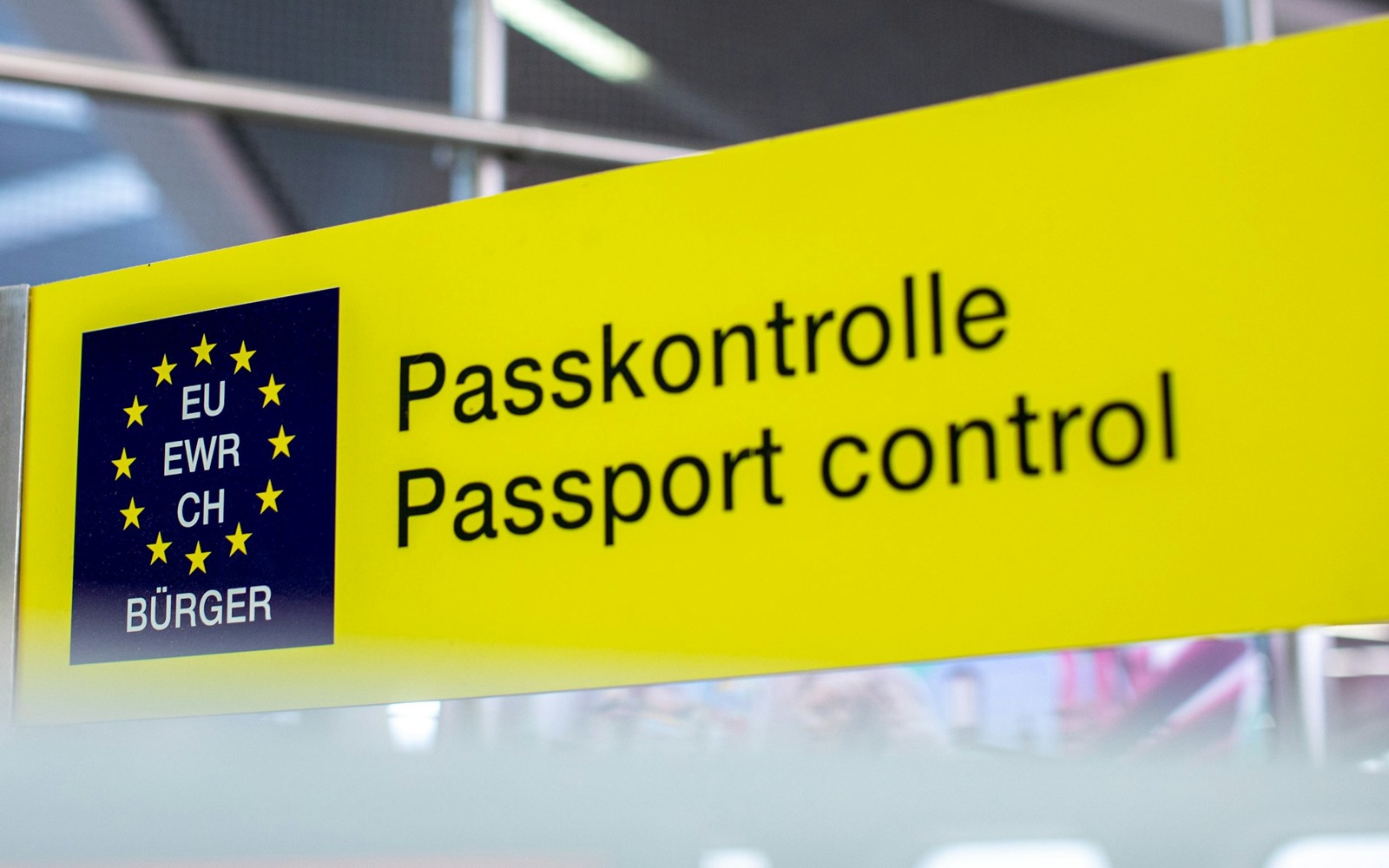
Some British travellers are finding that the EU’s Entry/Exit System, the digital border check that has replaced passport stamps in the Schengen area, recorded them arriving in Europe but not leaving. The Foreign Office has said it is aware of inaccuracies in some records affecting British nationals, including incomplete ones, and is raising the problem with the European Commission. A missing exit can make it look as though someone has stayed longer than the 90 days in any 180 that British visitors are allowed.
What has been reported
The issue came to light in November after a British author was warned of a possible fine and entry ban because her departure from Portugal hadn’t been recorded. The Dutch border police, who run passport control in the Netherlands, also say on their website that registrations can be wrong or missing, and that this can give the wrong answer when travellers check how many days they have left. There are no official figures for how many people are affected.
Checking a record
The EU’s official travel website has a tool that works out how many days are left in the 90-day allowance. It asks for passport details, the country being visited and the planned dates, then says whether the trip fits and how many days remain. It only counts stays that began on or after 10 April 2026, and it can only work from what the system holds, so a missing exit can show up as fewer days left than expected. Border officers at passport control can also be asked how many days remain.
Correcting a record
Anyone can ask for wrong or incomplete EES details to be corrected by contacting the data controller in any Schengen country, ideally one they visited. The EU site lists the contact for each country, and if a request is refused, travellers can complain to that country’s data protection authority. The Foreign Office’s advice is to ask border officials for a correction at the next Schengen border crossing and to be ready to show evidence of when they left, such as a boarding pass.
Children’s records
Children are registered too. Under-12s don’t have their fingerprints taken but may have their photo taken, and each passport has its own record. There’s no separate correction route for children, so families who think a trip wasn’t recorded properly will want to check each child’s passport as well as the adults’.
The EU’s page on EES records explains how to ask for a correction and links to the contact for each country.
We do our best to get this right. If something here looks wrong, tell us and we'll check it.