
On this page
- What EES is, and how the check works
- Who it applies to, and how children are handled
- Where you’ll meet it, including on the UK side
- Why it exists, and why it took so long to arrive
- The queues this summer, and how to plan around them
- ETIAS is a separate system, and it’s now been put back to 2027
- The scam sites to ignore
- What this means with young children
If you’re flying to Europe with children this summer, allow more time than usual at the border. The EU’s new Entry/Exit System is running across the continent and has pushed queues at some airports up to a few hours at peak times. A second system, the ETIAS travel permit, has been delayed again and isn’t now expected until 2027, so there’s nothing you need to arrange for it before you go.
What EES is, and how the check works
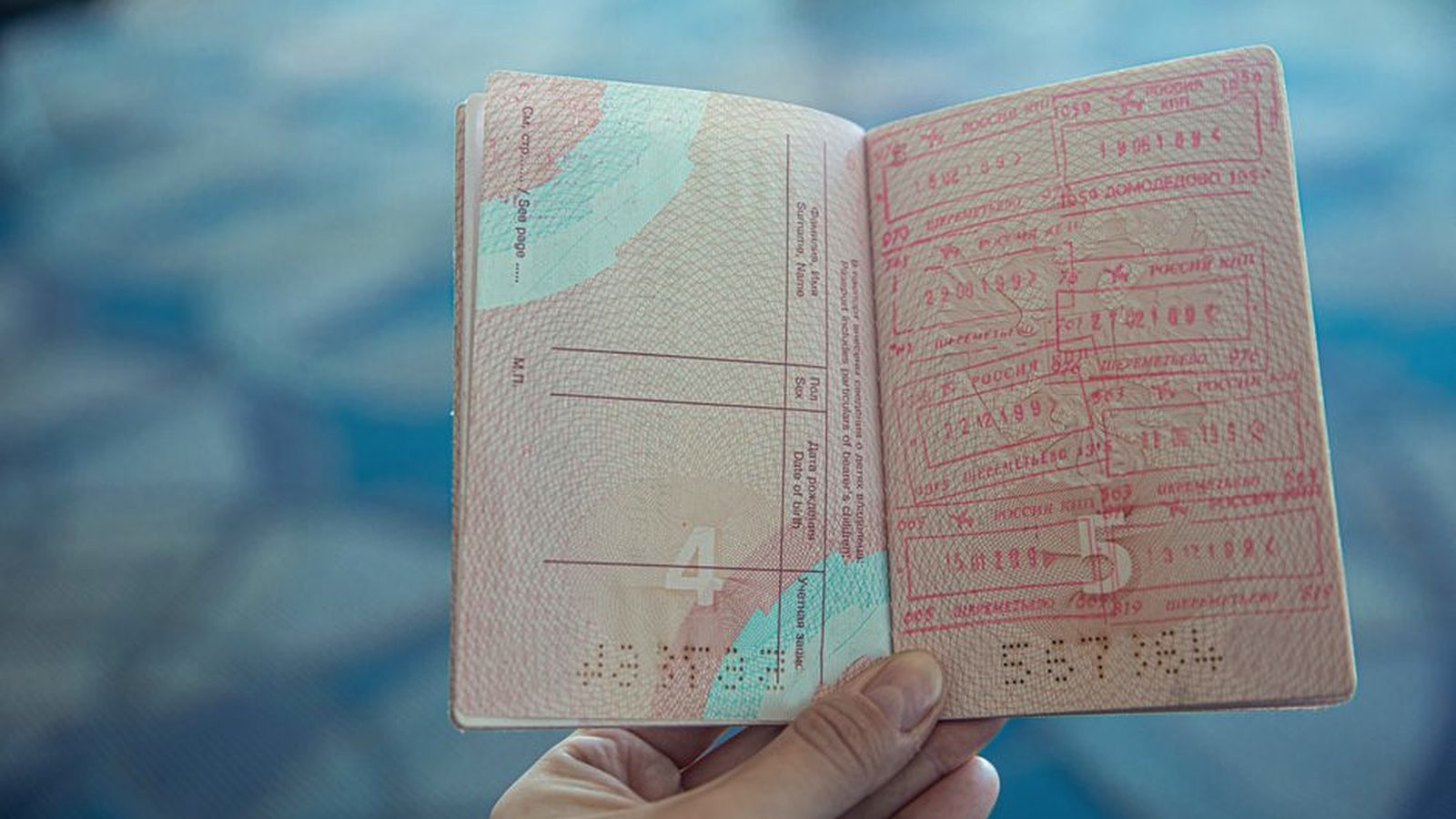
EES, the Entry/Exit System, is an automated border system across the EU and the wider Schengen area. It records visitors from outside the EU each time they cross into the area for a short stay, and it replaces the old passport stamp with a digital record. Since Brexit that includes UK passport holders.
You’ll do the check at an e-gate, a self-service kiosk or a staffed desk, depending on the airport or port. The record holds your name, your passport details, a facial photo and, for anyone aged 12 and over, fingerprints, along with the date, time and place you enter and leave. The biometric part, the photo and fingerprints, is taken once, on your first crossing after the system went live. That registration lasts three years, or until your passport expires, whichever comes first. On later trips inside that window the system should recognise you from the stored photo, so the check is quicker than the first-time sign-up, as long as the gate or kiosk is working properly.
The same record is made when you leave. That’s how the EU now counts the days you’ve used against the 90-days-in-180 rule for visa-free stays, automatically, rather than an officer counting stamps by hand. How long each check takes varies a lot by airport and by how well the kiosks read fingerprints, but the figures reported so far put it at roughly one to seven minutes a person, longer for a first-time registration or when a fingerprint has to be scanned more than once.
One thing hasn’t changed. The 90 days in any 180-day period that UK visitors can spend in the Schengen area without a visa is exactly as it was. EES changes how that allowance is checked, not how long you’re allowed to stay.
Who it applies to, and how children are handled
The check applies to UK passport holders and other non-EU visitors on short stays to the 29 participating countries. The Republic of Ireland and Cyprus are exempt and stay on manual passport checks, as are EU and Schengen nationals and people who hold a residence permit or long-term visa.
Children are registered too. Every family member gets an EES record, down to a baby in arms, so there’s no single family pass and no way round doing it person by person. Under-12s don’t give fingerprints, but a facial photo is still taken. From age 12, children go through the same photo-and-fingerprint process as an adult. It’s worth telling a nervous child in advance that all that happens for them is a photo, so it isn’t a surprise at the border.
Where you’ll meet it, including on the UK side
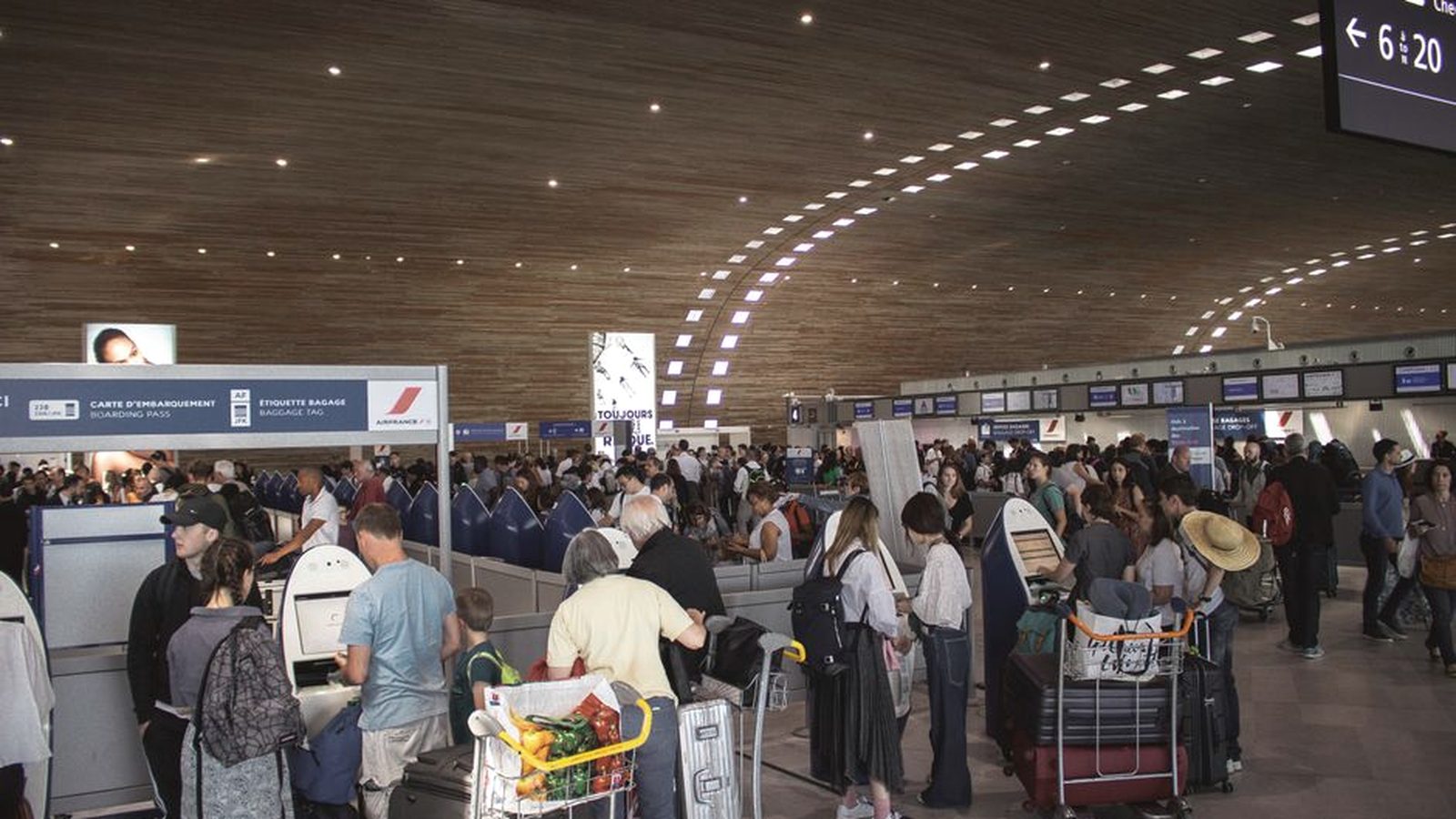
You’ll meet the check on arrival in any of the 29 countries, the first time you cross the external border on a given trip, whether that’s an airport, a ferry port or a land border. If you fly via a Schengen hub, say a UK to Amsterdam routing before an onward Schengen flight, the registration happens at that first Schengen airport, Amsterdam in this example, not at your final destination.
You can also meet it before you even leave the UK, if you take the train or drive to France. Under a 2003 treaty, French border officers carry out their entry checks inside British terminals, at three places: St Pancras International for Eurostar, the Eurotunnel terminal at Folkestone and the Port of Dover. As of mid-July 2026, the full biometric version isn’t yet running for car and Eurostar passengers at these sites. Coach and freight traffic has been on full EES since the rollout began in October 2025, but car, foot and train passengers are still getting a manual passport check by a French officer for the time being. In practice that makes the Channel crossings a shorter process than flying for many families right now, though this will change once the full system catches up there, which is expected after the summer peak with no firm date set yet.
Why it exists, and why it took so long to arrive
EES was built to modernise and secure the external Schengen border. The manual stamp was slow, easy to miscount and open to forgery. The digital record works out the 90/180 allowance automatically and flags overstayers and fraudulent documents. In its first five months of live running, from October 2025 to March 2026, the European Commission says the system processed more than 45 million border crossings, refused entry to more than 24,000 people and flagged over 600 as security risks.
It was a long time coming. EES was first meant to launch in 2022, then it slipped to May 2023, then late 2023, then late 2024, before the EU settled on a phased start from 12 October 2025. The delays came from procurement and technical problems, including hardware shortages, uneven readiness across member states and concerns from operators at Dover and Eurotunnel about coping with vehicle traffic.
The rollout came in stages. From October 2025, member states brought it in gradually rather than at every border and for every traveller at once, which is why the busiest hubs weren’t yet seeing full queues. 10 April 2026 was the deadline for the system to be fully operational everywhere. Even so, member states kept some room to pause checks for up to 90 days after that date, extendable by a further 60, specifically to manage congestion. That’s part of why the UK crossing points and some airports haven’t yet moved to full biometric checks.
The queues this summer, and how to plan around them
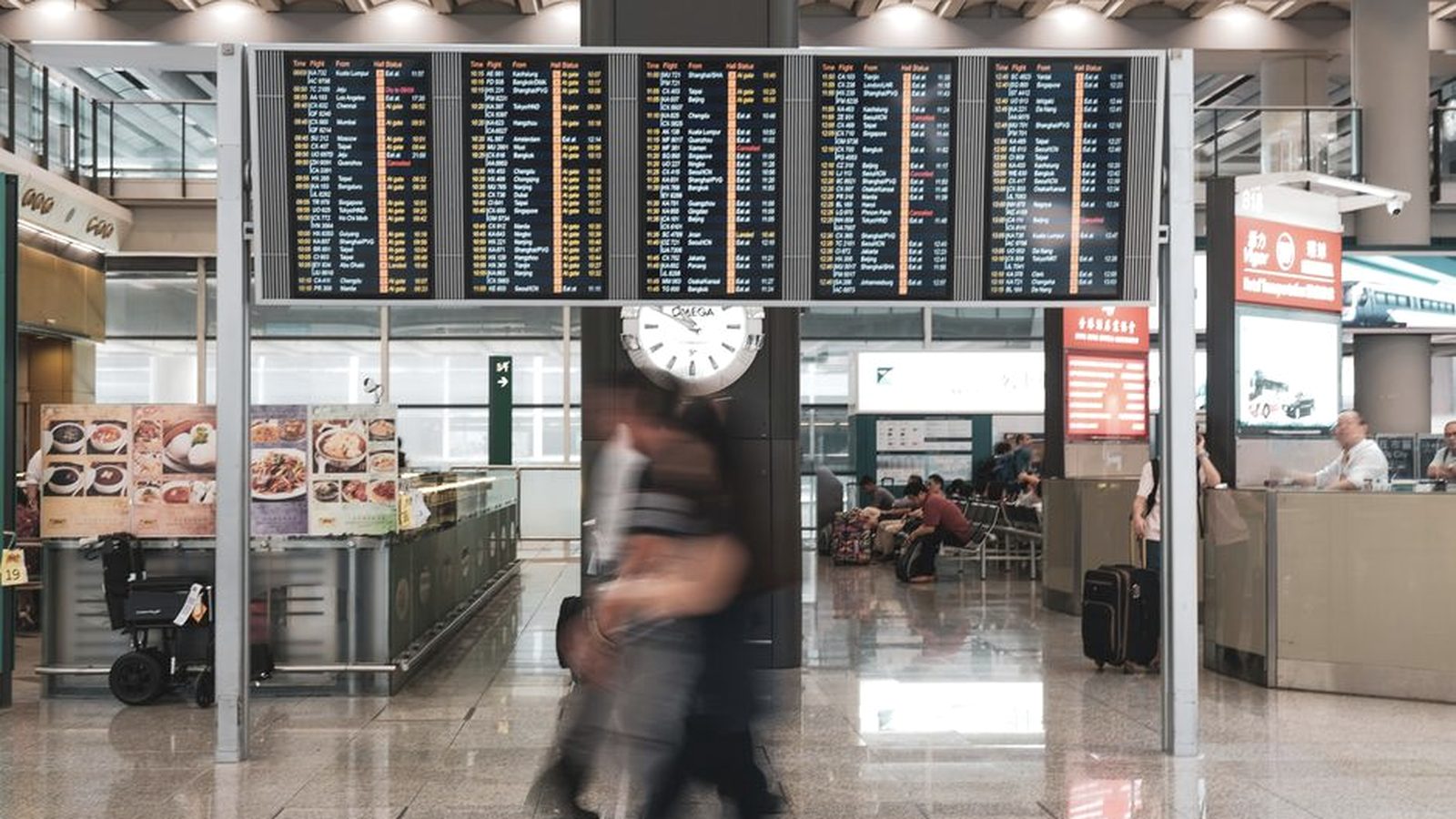
Since EES became mandatory on 10 April 2026, queues of roughly two to four hours have been widely reported at busy hubs at peak times. On 1 July the main aviation bodies, IATA, ACI Europe and Airlines for Europe, jointly warned the European Commission that July and August waits could reach four hours or more without changes. The very worst moments at the very worst airports have run longer than that, but that isn’t the usual picture.
The airports that have drawn the most traveller complaints, in an analysis by Which? of traveller reports, include Alicante, Amsterdam Schiphol, Berlin, Kraków, Lisbon, Málaga, Milan Bergamo, Milan Linate, Palma de Mallorca, Paris Beauvais and Tenerife South. Ryanair published its own list of concern that also named Madrid, Lanzarote and Budapest. These come from traveller complaints rather than an official ranking, so read them as where problems have shown up most, not a promise of a bad day if you’re flying through one.
The delays trace back to understaffed border desks, kiosks that don’t always work smoothly and low take-up so far of a pre-registration app that was meant to move part of the process off the airport queue. That app, built by the EU border agency Frontex, lets you submit your passport and photo up to 72 hours before you travel so the airport step is a quicker confirmation. For now it’s live in only a couple of countries and isn’t yet usable for most UK family destinations, so it’s one to watch rather than a fix for this summer.
The practical advice from Which?, the UK consumer body, is worth following. Arrive when bag drop opens, which can be as little as two hours before departure at some airports, so check your airline’s time rather than assuming. Travelling with hand luggage only, where you can manage it, skips the bag-drop queue and leaves you one queue to deal with instead of two. Once you’re through security, head straight for border control before you stop to eat, drink or shop. If you’re crossing by ferry from Dover, the port asks drivers to arrive no more than two hours before departure and to use the main approach roads to avoid local traffic.
Connections need a bit more thought this year. If your route involves changing planes at a busy Schengen airport, the EES check happens there, at the first Schengen airport, not at your final destination. A tight connection through somewhere like Amsterdam, Paris or Frankfurt carries a real risk of a missed onward flight this summer, so it’s worth booking more time between flights than the legal minimum, especially with children who need longer to get through and reach the next gate.
ETIAS is a separate system, and it’s now been put back to 2027
ETIAS is often mixed up with EES, but it’s a different thing. Where EES is a border check done in person on every trip, ETIAS, the European Travel Information and Authorisation System, is an online form you fill in before you travel, linked to your passport and good for more than one trip. It’s similar in idea to the US ESTA, and it isn’t a visa. There are no fingerprints and no in-person step. You’ll apply online, pay a fee and get an authorisation sent to you electronically before you go.
The fee is set at around €20 a person, up from an originally proposed €7. Under-18s and over-70s are exempt from paying, though they’ll still need to apply. This is a government fee rather than a charge an operator sets, so the figure is fairly stable.
None of that is anything you can or need to do yet. ETIAS has been delayed several times and was most recently aiming for late 2026. In early July 2026 the EU dropped that target. eu-LISA, the agency building the system, said meeting the end-of-2026 date was no longer feasible, pointing both to its own technical problems and to the view that the EES queues should be fixed before a second new system is added on top. ETIAS is now expected in 2027, with no firm date announced. The EU has said it will give several months’ notice before it goes live, and a grace period of at least six months is planned for the start, during which travellers without the authorisation won’t be turned away for that reason alone if they meet the other entry conditions.
The scam sites to ignore
Because ETIAS has been announced and put back so many times, and because plenty of people have heard of it while no one can yet apply, fake websites have sprung up to take advantage. Frontex has identified more than 100 unofficial sites offering ETIAS “information”, or even taking payment, for a system that doesn’t yet exist to apply to. They copy the look of an official EU page and use official-looking web addresses. The risk is identity theft, needless fees and misuse of your passport and card details.
When ETIAS does launch, the only official place to apply will be the EU’s own site, at europa.eu/etias. Nothing needs doing today, and no one should pay any site claiming to process an ETIAS application now.
What this means with young children
The main change for a family is time. Border checks that used to be a quick stamp now take longer, and everyone is registered separately, so plan around the whole group rather than one adult walking straight through. A few things make the day easier:
- Allow real extra time at the airport, not a token fifteen minutes. Treat the arrive-when-bag-drop-opens advice as the floor this summer, and check your airline’s bag-drop time in advance, since it can be as little as two hours before departure.
- Travel with hand luggage only where you can, to cut one queue out entirely.
- Keep the queue essentials in your hand luggage rather than the hold: nappies, wipes, a change of clothes, snacks, water and something to keep a toddler busy. Any airport queue this summer could run to an hour or more, even away from the worst-hit airports.
- Head straight for the border after security, before food, drinks or shops, so you get through while everyone’s still fresh and can relax on the other side.
- Tell a nervous child what to expect. Under-12s only have a photo taken, not fingerprints.
- Build in extra time on any connecting flight through a Schengen hub, well above the tightest legal minimum.
- Consider the train or ferry to France, which for now is often a shorter process than flying.
For ETIAS, there’s nothing to sort out. It won’t be needed in 2026, and won’t apply until at least 2027 with a grace period on top, so the only action worth taking today is to ignore any site offering to sell you an ETIAS application. The 90-days-in-180 allowance hasn’t changed either, so a normal family holiday to Europe still comes nowhere near the limit.
We do our best to get this right. If something here looks wrong, tell us and we'll check it.