On this page
- It closed on 6 July and returns sometime in 2027
- This is the biggest rebuild the show has had since 1975
- It began at the 1964 New York World’s Fair
- The theatre turns around the audience
- The Sherman Brothers wrote its anthem, then had to replace it
- It ran at Disneyland before moving to Florida in 1975
- A Walt Disney figure will open the new show
- The four new acts run from 1969 to an off-world future
- The family, the song and the bathtub gag all stay
- It’s one of Magic Kingdom’s best places to cool off and rest
- A few nearby stops can stand in, none of them perfectly
- Not everyone is happy about moving the story past Walt’s own lifetime
Walt Disney World’s Carousel of Progress has closed for the biggest rebuild in its long history, and it won’t reopen until sometime in 2027. The Tomorrowland show ran its final cycle on 5 July 2026 before shutting the next day. For a family visiting Magic Kingdom over the next year or so it’s worth knowing about, because this is one of the park’s best places to sit down, cool off and let a tired child settle in the middle of a hot Florida day.
It closed on 6 July and returns sometime in 2027
The attraction ran as normal right up to the end. Its last day of operation was 5 July 2026, and it went dark on 6 July, listed by Disney as temporarily unavailable. There was no farewell event or special send-off, the show simply ran its last cycle like any other day and the doors closed. Disney has said it will reopen sometime in 2027 without naming a month or a season, so anyone hoping to catch it on a 2026 trip, or an early-2027 one, should treat it as gone for now.
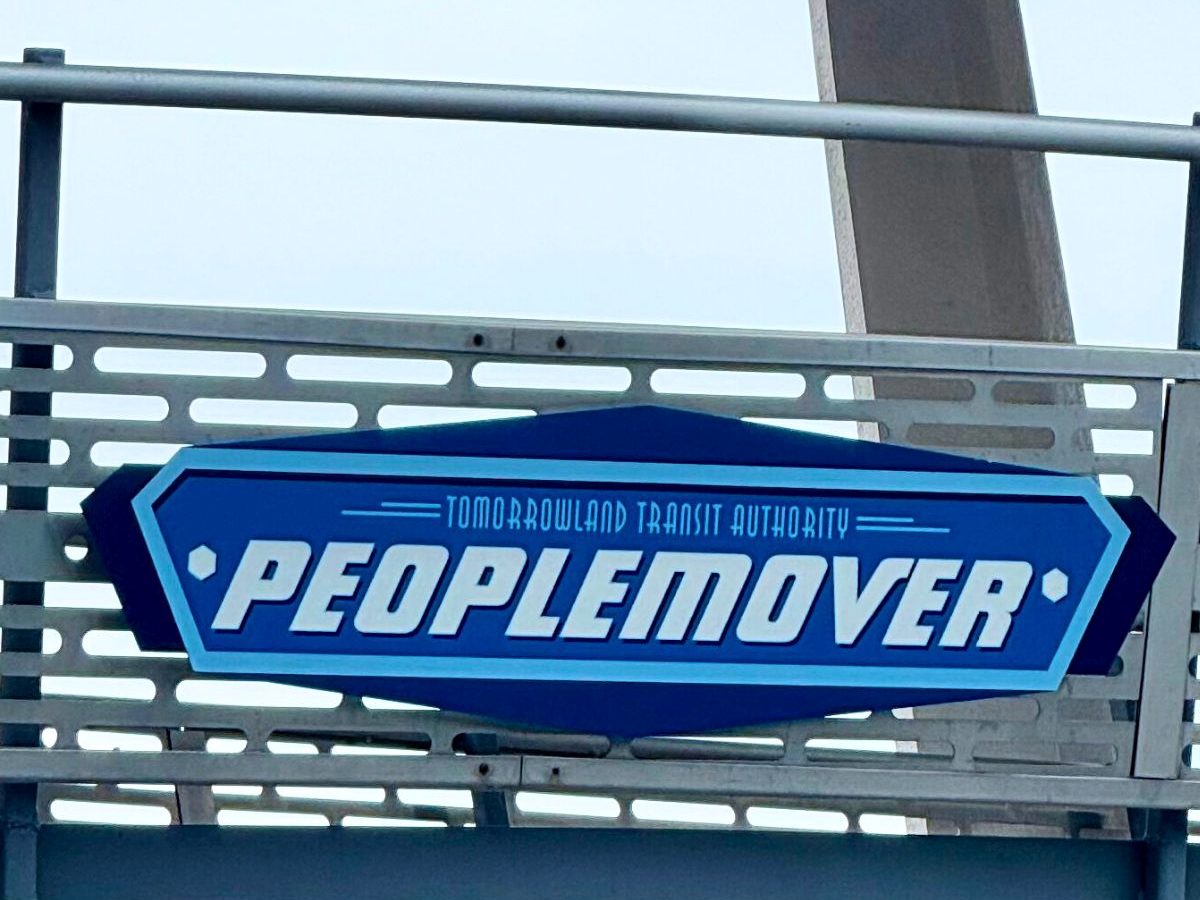
Construction walls went up around the entrance almost straight away, carrying Tomorrowland-styled quotes, including a line from the show itself, “Well, that’s progress for you”. The overhead PeopleMover, a slow transit ride that loops through the building and normally describes the attraction as it passes, has had that part of its recorded narration switched off since the closure.
This is the biggest rebuild the show has had since 1975
Disney announced the plan on 28 May 2026 through its official Parks Blog, ahead of the July closure. It’s been widely described as the attraction’s biggest overhaul since 1975, when the whole building was last rebuilt, and its biggest change of content since a major refurbishment in the early 1990s, the last time all the scenes were reworked. Permit filings point to a full rebuild rather than a repaint, covering general construction, new heating and air conditioning, electrical work and separate contractors for the structure, the scenery and the show systems. The rotating turntable that carries the audience, now around 50 years old, is getting a top-to-bottom mechanical overhaul.
Magic Kingdom is in the middle of a much larger, multi-year expansion at the moment, with a Cars-themed land and a villains area under construction elsewhere in the park, both still years from opening. Disney hasn’t linked the timing of this closure to that work, so it’s background rather than a reason for it.
It began at the 1964 New York World’s Fair
The Carousel of Progress is older than Walt Disney World itself. Walt Disney and his designers built it for the 1964 to 1965 New York World’s Fair, where it was the centrepiece of the pavilion sponsored by General Electric, the American electrical company, and it was first called Progressland. It opened in April 1964 and drew some of the fair’s longest queues. Building it cost around $15 million, a large sum for the mid-1960s.
The idea went back to an unbuilt 1950s Disneyland plan called Edison Square, a walk-through about how electricity had changed home life. That seed, the notion that technology keeps changing while people stay much the same, became the core of the show. Walt Disney was closely involved in the detail himself, down to small comic touches like the timing of a running bathtub gag. One senior executive of the era, Admiral Joe Fowler, later said there was “more of Walt in the Carousel of Progress show than there was in anything else we’ve done”, which is a large part of why the attraction matters so much to long-time fans.
The theatre turns around the audience
The clever bit of engineering is the part that gives the attraction its name. Rather than walking from one stage to the next, the audience sits in wedge-shaped sections built as a ring, and the whole ring of seats rotates slowly around a fixed core of stage sets. The room moves while the people stay put. Disney engineers Roger Broggie and Bob Gurr are credited with the design. In the Magic Kingdom building there are six rotating sections, each holding about 240 people, which lets a lot of guests through in an hour, and the full show runs about 20 minutes.
The Sherman Brothers wrote its anthem, then had to replace it
Walt Disney asked the songwriters Richard and Robert Sherman to write something to link the show’s scenes. What they came back with was “There’s a Great Big Beautiful Tomorrow”, a bright, optimistic number built around Walt’s own enthusiasm for progress and the future. The Shermans later said it was as close as anything came to his personal theme song, because it matched how he saw the world.
The song didn’t stay, at first. When the show moved to Magic Kingdom in 1975, General Electric wanted a different message, one that nudged customers to buy new appliances now rather than dream about a distant future, so the Shermans wrote a replacement called “The Best Time of Your Life”. It played for nearly two decades. The Shermans themselves felt their original suited the attraction better, and it came back for good in the early-1990s refurbishment. Disney has confirmed it’s staying through the current rebuild as well.
It ran at Disneyland before moving to Florida in 1975
Walt Disney died in December 1966. The show reopened almost unchanged at Disneyland in California in July 1967, using the same sets and figures shipped over from New York. Its post-show there added a large model of “Progress City”, drawn from Walt’s original idea for EPCOT as a real, working city of the future. Attendance dropped through the early 1970s, General Electric wasn’t happy with what its sponsorship was returning, and the Disneyland run ended in September 1973. The attraction never went back there.
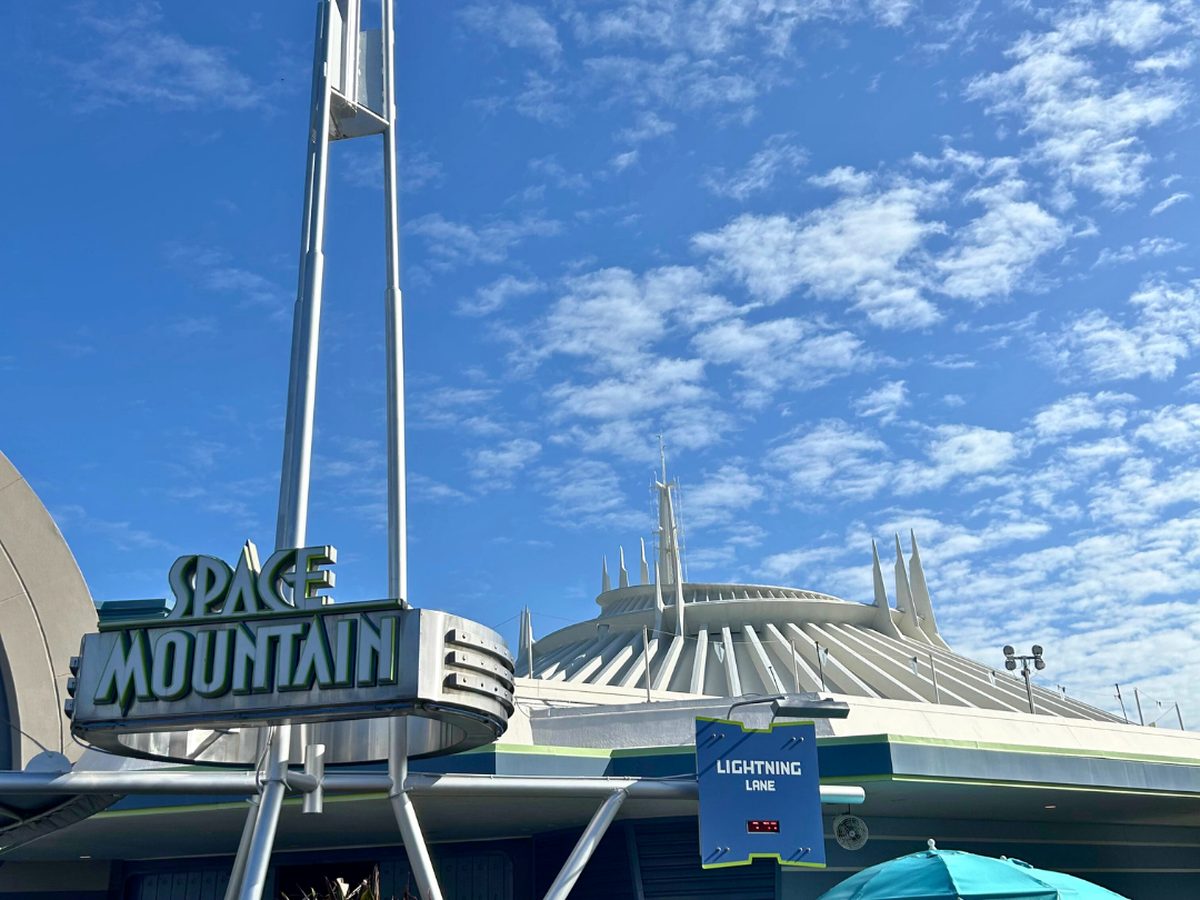
It reopened at Magic Kingdom’s Tomorrowland in January 1975, on the same day as Space Mountain, in a brand new purpose-built theatre with the PeopleMover track looping around its upper level. This version had a new voice cast and new figures, and its finale reset to a New Year’s Eve scene in the home of the current decade, a self-updating ending that has carried through in various forms ever since.
Changes kept coming after that. A new final act arrived in 1981. General Electric’s sponsorship ended in 1985 and its branding came off. The big one was a major refurbishment across 1993 and 1994, part of a wider Tomorrowland redesign, which gave the show a new voice cast, restored the original Sherman Brothers song and added a short pre-show film about the attraction’s own history, narrated over archival footage of Walt Disney. After the September 11 attacks in 2001 attendance fell and the show ran on reduced, seasonal-only operation for a couple of years before returning to near-daily running. The building was repainted in 2016, and smaller tweaks kept coming right up to this year.
For years, some fans had assumed the Carousel of Progress was quietly on the way out, given its age and the modest number of guests it moves compared with newer headline rides. That never became a formal plan on Disney’s part, and in the end Disney chose to invest in it rather than close it. Its last weeks weren’t entirely smooth either, with the roughly 50-year-old equipment stopping more often than usual before the rebuild.
A Walt Disney figure will open the new show
The headline change is a new opening scene featuring an Audio-Animatronic figure of Walt Disney himself. These are the robotic, lifelike figures Disney has used in its shows for decades, and this will be the first one of Walt at Walt Disney World. The Imagineer Chris Beatty, announcing it, said guests will “see Walt Disney through the magic of Audio-Animatronics technology” before the show moves on to the family.
The scene takes its cue from a 1964 television special, “Disneyland Goes to the World’s Fair”, in which Walt introduced the original show to American viewers. Disney’s designers are recreating props from that broadcast for it, including a prototype of a Tiki bird from the Enchanted Tiki Room, a model of the Tower of the Four Winds sculpture that stood outside the “it’s a small world” pavilion at the fair and a doll from “it’s a small world” itself.
The four new acts run from 1969 to an off-world future
The rest of the show still follows the same fictional American family across the decades, though what they’re up to has been rewritten from scratch. The four scenes are:
- Summer 1969. The family gathers around the television to watch the Apollo 11 Moon landing. Beginning here sets the story close to the year the real attraction was built, rather than in 1900 as the old version did.
- Halloween night, 1985. Sarah, the mother, leads a scene for the first time in the show’s history, a change from the older versions where the father did most of the talking. John hands out sweets to trick-or-treaters on the porch, and Uncle Orville runs a little stand selling early home computers, a nod to the mid-1980s.
- New Year’s Eve, 1999. The scene centres on the internet arriving in the family home at the turn of the millennium. Grandpa is asleep in his chair and Grandma is watching wrestling on the television.
- The finale, on another planet. The family is shown living in a home off Earth, with a helpful robot and space travel treated as an ordinary part of life. This one is built from old concept sketches by John Hench, one of Disney’s earliest and most senior designers, drawings made decades ago but never used until now.
The family, the song and the bathtub gag all stay
Disney has said the heart of the show won’t change even as the scenes do. The rotating theatre is being kept rather than swapped for a different kind of attraction, though the mechanism underneath is getting its full overhaul. The same family carries the show, from John and Sarah to Uncle Orville. “There’s a Great Big Beautiful Tomorrow” stays as the anthem, and Uncle Orville’s running bathtub joke is coming back too.
It’s one of Magic Kingdom’s best places to cool off and rest
For anyone who doesn’t know it, the Carousel of Progress is a seated show inside an air-conditioned building. You never walk between scenes, there’s no height requirement and the motion is nothing more than a slow turn with no drops or jolts. The show lasts about 20 minutes. That combination made it one of the park’s most useful midday stops with young children. It’s dark and cool, with comfortable seats and not much going on, which is a good setting for a baby or toddler to doze and a real break from the heat and the crowds rather than another ride to tick off.
With the show closed through 2027, that particular breather isn’t there. If you’ve built Magic Kingdom days around it before as your heat-of-the-day stop, this is the wrong stretch of time for it, so it’s worth planning another indoor break in.
A few nearby stops can stand in, none of them perfectly
Tomorrowland and the area around it have a handful of sit-down, cool-down options, though none is quite a like-for-like swap:
- Monsters, Inc. Laugh Floor is indoors, air-conditioned, seated and about 20 minutes, and it’s aimed squarely at younger children as an interactive comedy show. It’s livelier and more hands-on than the Carousel of Progress, so it’s better for a laugh than for settling a tired child.
- The PeopleMover is a slow, low-key ride around Tomorrowland that’s good for a breather and a breeze. It isn’t fully enclosed or air-conditioned, though, and its queue can run longer than you’d expect.
- The Hall of Presidents, over in Liberty Square rather than Tomorrowland, is a properly air-conditioned seated theatre show of about 25 minutes with no height limit. The content is a narrated history featuring all of the American presidents, squarely for adults and older children, so a very young child is unlikely to follow it and may struggle to sit still that long. It suits a nap-prone baby more than an active preschooler.
The simplest approach for a 2026 or 2027 trip is not to lean on one favourite spot for the midday reset and to build a few indoor breaks into the day instead.
Not everyone is happy about moving the story past Walt’s own lifetime
The reaction among fans has mostly run from sadness to cautious warmth. A lot of the initial upset was about the closure itself, because this is one of the very few Magic Kingdom attractions Walt Disney personally shaped, and that connection matters to people who have followed it for years. Many of the same fans are relieved Disney chose to rebuild it rather than let it run down or remove it, which is what some had long feared.
There’s one thornier point of debate, and it’s worth taking seriously rather than putting down to nostalgia. The old show’s scenes ran from around 1900 to the present, spanning the decades of change Walt Disney himself lived through and helped narrate. Some long-time fans see that as a real loss, because the show ends up less tied to the decades Walt lived through even as it puts him on stage more directly than ever.
Alongside that is the smaller, practical complaint covered above, that families who counted on the show as a guaranteed midday break now have to plan around its absence for at least a year.
We do our best to get this right. If something here looks wrong, tell us and we'll check it.